
The 45L tax credit is one of the most valuable incentives available to energy-efficient home builders and manufacturers, offering substantial tax savings for qualifying projects. If you’re involved in residential construction or considering energy-efficient building practices, understanding this credit could mean tens of thousands of dollars in your pocket.
Table of Contents
What Is the 45L Tax Credit?
The 45L tax credit is a federal incentive designed to encourage the construction of energy-efficient new homes and the retrofitting of existing residential buildings. Created under the Inflation Reduction Act, this credit rewards builders and developers who meet or exceed specific energy performance standards.
Think of it this way: the government is essentially paying you to build smarter. If you’re constructing a home that uses significantly less energy than a standard home, Uncle Sam wants to offset some of your costs. The credit applies to both newly constructed homes and existing homes undergoing substantial energy-efficient improvements.
This isn’t a deduction—it’s a credit, which means it reduces your tax liability dollar-for-dollar. That’s far more valuable than a deduction, which only reduces your taxable income. For builders and developers, this can translate into credits worth $2,500 to $5,000 per home, depending on the efficiency level achieved.
Eligibility Requirements Explained
Not every home construction project qualifies for the 45L tax credit. The IRS has specific requirements that must be met. First, the home must be a dwelling unit in the United States—that means single-family homes, townhouses, condominiums, and similar residential properties.
The property must be placed in service (meaning construction is complete and the home is ready for occupancy) during the tax year you’re claiming the credit. Rental properties, vacation homes, and commercial properties don’t qualify. The home must also be for occupancy as a residence—not for business purposes.
One critical requirement: you must have constructed or substantially renovated the home. If you’re a builder or contractor, this is straightforward. If you’re a homeowner doing substantial energy-efficient upgrades, you may also qualify. However, if you simply purchased an already-built energy-efficient home, you don’t qualify for this credit (though you might qualify for other incentives).
The home’s adjusted basis (generally, what you paid for construction and materials) must be at least $150,000 for a dwelling unit. This threshold ensures the credit targets substantial residential construction projects, not minor renovations.
Credit Amounts for 2024
The credit amount depends on which energy efficiency standard your home meets. For 2024, there are three tiers:
Tier 1 (Reduced Energy Consumption): Homes that achieve at least 50% energy consumption reduction compared to the 2006 International Energy Conservation Code receive a $2,500 credit per dwelling unit.

Tier 2 (Significant Energy Consumption Reduction): Homes achieving at least 50% reduction and meeting additional thermal envelope and mechanical system requirements qualify for a $5,000 credit per dwelling unit.
Tier 3 (Net-Zero Energy): Homes designed to produce as much energy as they consume receive a $5,000 credit per dwelling unit. This is the gold standard and increasingly achievable with modern solar technology and efficient systems.
These amounts are per dwelling unit, meaning if you’re building a multi-unit residential property, you can claim the credit for each qualifying unit. For a developer building 20 energy-efficient homes at the Tier 2 level, that’s potentially $100,000 in tax credits.
Energy Efficiency Standards
Understanding the technical requirements is essential. The 45L credit uses energy modeling to determine if a home meets the standards. This involves comparing your home’s projected annual energy consumption to a baseline home built to the 2006 International Energy Conservation Code standards.
For Tier 1 compliance, your home must demonstrate at least 50% lower energy consumption. This typically involves:
- Superior insulation in walls, attic, and basement
- High-performance windows and doors
- Air sealing to reduce infiltration
- ENERGY STAR certified HVAC systems
- Efficient water heating systems
Tier 2 adds stricter requirements for the thermal envelope (walls, roof, foundation) and mechanical systems. You’ll need professional energy modeling using software like REM/Rate, EnergyGauge, or similar programs certified by the Residential Energy Services Network (RESNET).
Many builders now use third-party certification programs like ENERGY STAR Homes, IECC compliance verification, or specialized energy efficiency certifications to document their work and simplify the 45L application process.
How to Apply for the Credit
The application process requires working with a qualified energy rater or engineer who can perform the energy modeling. Here’s the typical workflow:
Step 1: Engage an Energy Rater Early in your project, hire a RESNET-certified energy rater. They’ll help you understand which tier is achievable and what modifications might be needed.
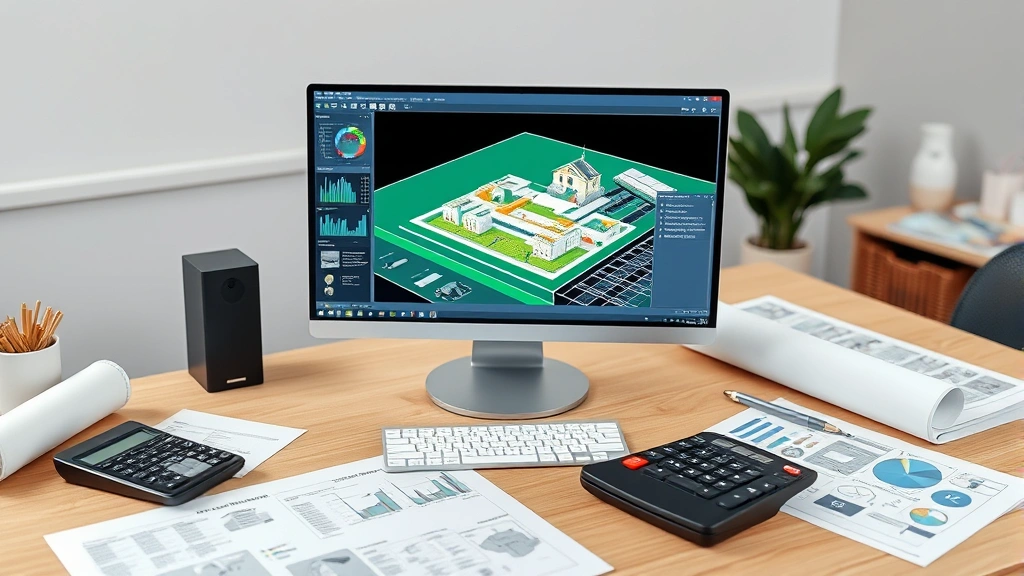
Step 2: Complete Energy Modeling The rater will create a detailed energy model of your home, comparing it to the 2006 baseline. This document becomes your primary support for the credit claim.
Step 3: Obtain Certification Once the home is completed, the rater performs a final inspection and provides a certification letter confirming the energy efficiency level achieved.
Step 4: Gather Documentation Collect all building permits, plans, specifications, and energy modeling reports. This documentation supports your tax claim if audited.
Step 5: Claim on Your Return Report the credit on Form 3468 (Investment Credit) or Form 5695 (Residential Energy Credits), depending on your situation and entity type. We’ll cover this in more detail below.
The IRS doesn’t require pre-approval, but your documentation must be solid. Many builders work with tax professionals familiar with the 45L credit to ensure proper filing.
Documentation You’ll Need
If the IRS audits your 45L claim—and they do audit energy credits—you need ironclad documentation. Here’s what to keep:
Energy Modeling Report: This is your centerpiece. The report should show the baseline home’s energy consumption and your home’s projected consumption, demonstrating the percentage reduction achieved.
RESNET Certification: Proof that your energy rater is RESNET-certified. This is non-negotiable.
Building Permits and Plans: Complete sets of architectural and mechanical plans showing how you achieved the efficiency standards.

Material Specifications: Documentation of all materials used—insulation R-values, window U-factors, HVAC efficiency ratings, water heater specifications, etc.
Invoices and Receipts: Proof of purchase for all materials and labor, especially for key efficiency components.
Final Inspection Reports: Any third-party inspections or certifications (ENERGY STAR verification, IECC compliance certification, etc.).
Adjusted Basis Documentation: For homeowners claiming the credit, documentation proving your construction costs exceeded $150,000.
Store these documents for at least seven years. The IRS typically has a three-year window to audit, but can go back further if they suspect substantial underreporting.
Common Mistakes to Avoid
I’ve seen builders and homeowners leave money on the table or face audit challenges due to preventable mistakes. Here are the biggest pitfalls:
Mistake #1: Using Unqualified Energy Raters Your energy rater must be RESNET-certified. Period. Using an uncertified person invalidates your documentation and puts your entire credit at risk.
Mistake #2: Insufficient Documentation Don’t rely on memory or verbal confirmation. Get everything in writing. Energy modeling software generates detailed reports—use them as your paper trail.
Mistake #3: Misunderstanding the Baseline Some builders think any energy-efficient home qualifies. The credit specifically compares to the 2006 IECC baseline. You must document this comparison clearly.

Mistake #4: Claiming the Credit Incorrectly on Your Return The form you use depends on your entity type (individual, partnership, S-corp, C-corp). Filing on the wrong form can delay your refund or trigger an audit.
Mistake #5: Forgetting About the $150,000 Threshold For homeowners, if your adjusted basis falls short of $150,000, you’re ineligible. Calculate this carefully, including both materials and labor.
Mistake #6: Not Considering Other Credits The 45L credit works alongside other incentives like the 45Z tax credit (for clean vehicle manufacturing) and state-level energy credits. Make sure you’re capturing all available savings.
Claiming on Your Tax Return
The mechanics of claiming the 45L credit vary based on your tax situation. Here’s how different taxpayers approach it:
For Individual Homeowners: You’ll use Form 5695 (Residential Energy Credits) if you’re claiming energy efficiency credits on your personal return. Report the credit on this form, then transfer it to Form 1040.
For Builders and Developers (C-Corporations): Use Form 3468 (Investment Credit). The 45L credit is part of the general business investment credit. Report it here, and it flows to your corporate tax return.
For Pass-Through Entities (S-Corps, Partnerships, LLCs): The credit is calculated at the entity level but claimed by the owners on their individual returns. The entity files Form 3468 and provides Schedule K-1 information to owners showing their share of the credit.
The credit is non-refundable for most taxpayers, meaning it can’t exceed your tax liability. However, there are carryback and carryforward provisions. If your 45L credit exceeds your tax liability, you can carry it back one year or forward 20 years to offset future taxes. This is why timing matters—sometimes it’s advantageous to claim the credit in a year when you have substantial tax liability.
Work with a tax professional who understands energy credits. The difference between filing correctly and incorrectly can mean thousands of dollars and years of audit risk.

Frequently Asked Questions
Can I claim the 45L credit if I bought an energy-efficient home?
No. The credit applies only to builders, developers, and homeowners who construct or substantially renovate homes. Simply purchasing an already-built energy-efficient home doesn’t qualify. You might be eligible for other incentives through state or utility programs, but not the federal 45L credit.
What’s the difference between the 45L and 45Z credits?
The 45Z tax credit is for clean vehicle manufacturing, while 45L is for energy-efficient home construction. They’re separate credits for different industries. If you’re in residential construction, focus on 45L. If you’re involved in vehicle manufacturing, 45Z is your target.
Can I claim 45L if I’m building a rental property?
No. The home must be for occupancy as a personal residence. Rental properties, investment properties, and commercial buildings don’t qualify. However, look into other depreciation and deduction strategies for rental properties—your tax advisor can help optimize those.
Is there a limit to how many homes I can claim the 45L credit for?
There’s no per-taxpayer annual limit on the number of homes. If you’re a builder constructing 50 energy-efficient homes in 2024, you can claim the credit for all 50 (assuming each meets the requirements). However, be aware that the credit is subject to the overall credit limitation rules for your tax situation.
What if my home doesn’t quite meet the 50% energy reduction threshold?
You won’t qualify for the 45L credit if you fall short of the 50% threshold. However, you might be eligible for other incentives. Check with your state and local utility companies—many offer rebates or credits for homes that achieve high (but not quite qualifying) efficiency levels.
Do I need to report the 45L credit before construction is complete?
No. The home must be placed in service (construction complete) during the tax year you claim the credit. You can’t claim it for work-in-progress homes. Plan your timing accordingly—if a home won’t be completed until 2025, you’ll claim the credit on your 2025 return.
Can I claim the 45L credit and rental property tax deductions on the same property?
No. The 45L credit applies to homes for personal occupancy. Once you convert a property to rental use, it’s no longer eligible for 45L. You’d then claim rental property deductions and depreciation instead. Choose your strategy carefully based on your long-term plans.
Bottom Line
The 45L tax credit represents real money—potentially $2,500 to $5,000 per home—for building energy-efficient residential properties. If you’re a builder, developer, or homeowner investing in substantial energy-efficient construction, this credit deserves serious attention.
The key to maximizing your savings is planning ahead. Engage a RESNET-certified energy rater early, understand which efficiency tier is achievable for your project, and maintain meticulous documentation throughout construction. Pair the 45L credit with complementary strategies like tax planning strategies to optimize your overall tax position.
The IRS takes energy credits seriously, which means they audit them carefully. That’s actually good news for you if you’ve done everything correctly—your documentation will hold up. But it also means you can’t cut corners. Work with tax professionals and energy raters who understand these credits inside and out.
Energy-efficient construction is increasingly the norm, not the exception. The 45L credit rewards builders who lead the way. Don’t leave this money on the table.