

Learning how to get a tax id number for an estate is one of those tasks that feels intimidating until you break it down into manageable steps. Whether you’re an executor settling a loved one’s affairs or a trustee managing estate assets, obtaining an Employer Identification Number (EIN) for the estate is a critical first step in handling taxes and financial obligations properly. This guide walks you through the entire process, from understanding why you need one to submitting your application and managing it going forward.
Table of Contents
Why Your Estate Needs an EIN
An EIN is essentially a Social Security number for your estate. The IRS uses this nine-digit identifier to track all financial activity related to the estate. Here’s why it matters: if the estate earns income—whether from investments, rental properties, or business interests—the IRS needs a way to monitor that income and ensure proper tax reporting.
Think of it this way: you wouldn’t file taxes under a deceased person’s Social Security number for income the estate generates after their death. That’s where the EIN comes in. It gives the estate its own tax identity, separate from the decedent. This is especially important if you’re managing estate assets for months or even years before final distribution to beneficiaries.
Beyond tax reporting, having an EIN makes banking easier. Many financial institutions require an EIN before they’ll open an estate account, which helps you keep estate funds separate from your personal finances. This separation protects you as executor and creates a clear paper trail for the probate court.
When to Apply for an Estate EIN
The timing of your application depends on whether the estate will generate income. If the estate has minimal assets and will be settled quickly with no investment income, you might not need an EIN at all. However, most estates do need one.
Generally, you should apply for an EIN as soon as you’re officially appointed executor or trustee. This typically happens shortly after the death, once the will is filed with the probate court. Don’t wait until tax season—getting the EIN early makes everything else smoother.
If the estate will file a federal income tax return (Form 1041), you absolutely need an EIN before filing. The same applies if you’re opening an estate bank account, which most executors do within the first few weeks of settling the estate.
Documents You’ll Need
Before you start the application process, gather these essential documents:
- Death certificate: An official copy (certified is better) proving the person’s death
- Court appointment letter: Documentation showing you’re the executor or trustee, usually from the probate court
- Your identification: A valid driver’s license or passport
- Your Social Security number or EIN: If you’re applying as a business owner or already have an EIN
- Estate information: The decedent’s name, date of death, and last address
- Responsible party details: Your name, address, and phone number as the person managing the estate
Having these documents ready before you start the application saves time and reduces the chance of errors that could delay your EIN.
How to Apply: Three Methods
The IRS offers three ways to apply for an estate EIN. Each has different timelines and requirements.
Online Application (Form SS-4): This is the fastest method if you’re eligible. You can apply online through the IRS website and receive your EIN immediately. Most people qualify for online application, and it’s available 24/7.
Phone Application: Call the IRS Business and Specialty Tax Line at 1-800-829-4933. You’ll speak with an agent who guides you through the questions on Form SS-4. This typically takes 15-20 minutes, and you receive your EIN during the call. Hours are Monday through Friday, 7 a.m. to 10 p.m. ET.
Mail Application: Complete Form SS-4 and mail it to the IRS. Processing typically takes 4 weeks, sometimes longer. This is the slowest option and best used only if you can’t apply online or by phone.
Online Application Process
Here’s the step-by-step breakdown for applying online, which is the most convenient method:
Step 1: Go to IRS.gov
Visit the IRS website and navigate to the EIN application page. Look for “Apply for an EIN Online” under the Business section. The system is straightforward and guides you through each question.
Step 2: Select Your Entity Type
Choose “Estate” from the entity type dropdown menu. This is crucial—selecting the wrong entity type can cause delays or rejection.
Step 3: Enter Estate Information
Provide the decedent’s name, date of death, and the estate’s expected start date (usually the date of death). You’ll also enter the estate’s principal business activity and expected receipts.
Step 4: Provide Your Information
As the executor or trustee, you’re the “responsible party.” Enter your name, address, phone number, and Social Security number. The IRS uses this to verify your identity.
Step 5: Review and Submit
Double-check all information for accuracy. Misspellings or incorrect dates can cause problems later. Once you submit, the system generates your EIN immediately. Write it down and save the confirmation page.
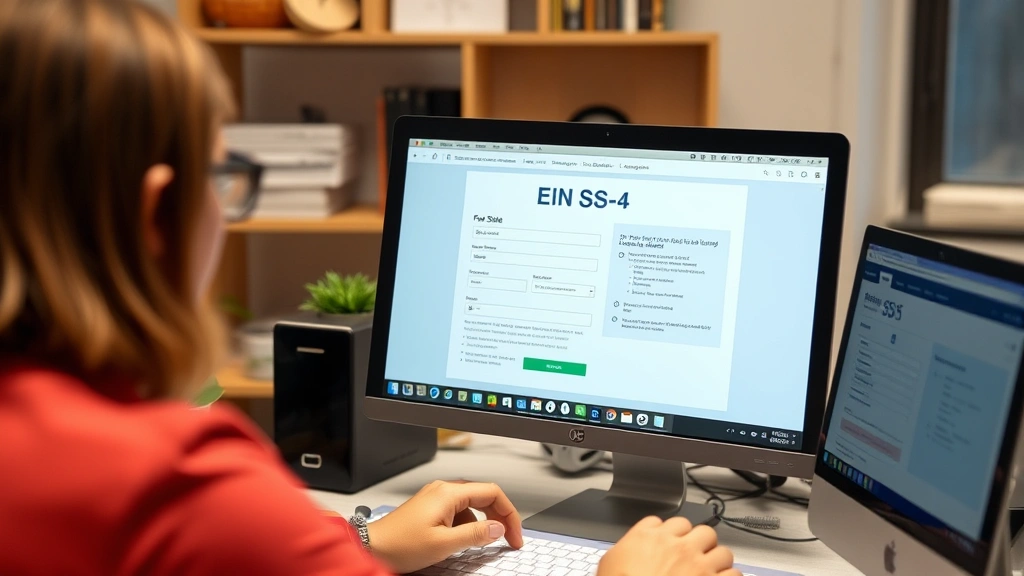
Step 6: Receive Confirmation
The IRS sends a confirmation letter (Form SS-4) to your address within a few days. This official letter is your proof of the EIN and should be kept with your estate records.
Using Your Estate’s EIN
Once you have your EIN, here’s how you’ll use it:
Bank Accounts: Open an estate checking account using the EIN. This keeps estate funds separate from your personal money and makes accounting clean and auditable.
Tax Returns: Use the EIN on Form 1041 (U.S. Income Tax Return for Estates and Trusts) if the estate generates income or has taxable gains. The estate’s income—interest, dividends, rental income—gets reported under this EIN.
Investment Accounts: When transferring brokerage accounts or investment properties to the estate, you’ll need to provide the EIN to financial institutions.
Property Management: If the estate owns rental property, the EIN goes on lease agreements and property management accounts.
Creditor Claims: When paying estate debts or settling claims, creditors may request the EIN for their records.
The EIN essentially becomes the estate’s identifier in all financial transactions until the estate closes.
Avoid These Common Mistakes
Even experienced executors make missteps when applying for an estate EIN. Here’s what to watch out for:

Wrong Entity Type: Selecting “sole proprietorship” or “partnership” instead of “estate” causes confusion at the IRS. Always select “estate” explicitly.
Using Decedent’s SSN: Some people mistakenly try to use the deceased person’s Social Security number. The IRS requires the executor’s SSN or the estate’s EIN (if already assigned). Don’t confuse the two.
Incorrect Death Date: A simple typo here can trigger IRS inquiries. Verify the exact date from the death certificate.
Incomplete Court Documentation: If you’re applying by mail or phone, having incomplete proof of your appointment can slow processing. Get an official court letter confirming your role.
Delaying Application: Waiting until tax time to apply creates unnecessary pressure. Apply within weeks of the death, even if you’re not certain you’ll need it. Getting it early costs nothing and prevents headaches later.
Timeline and What to Expect
Understanding the IRS timeline helps you plan your estate settlement:
Online Application: Immediate EIN assignment. You receive it on screen during application and via mail within 3-5 business days.
Phone Application: Immediate EIN assignment. The agent provides it during your call and confirms via mail within a week.
Mail Application: 4 weeks is typical, but can stretch to 6-8 weeks during busy tax season. This is why online or phone is preferred.

Once you receive your EIN, the estate is tax-identified with the IRS. You can immediately open accounts, file returns, and conduct business in the estate’s name.
If you don’t receive confirmation within the expected timeframe, contact the IRS using the phone number provided on your application receipt. Have your application reference number ready.
Managing Your Estate EIN
Getting the EIN is just the beginning. Here’s how to manage it properly:
Keep Records: Store your EIN confirmation letter with other estate documents. You’ll need to reference it frequently when opening accounts or filing returns.
Update Address Changes: If you need to change the address on your federal tax ID, notify the IRS promptly using Form 8822-B. This ensures you receive important correspondence.
File Required Returns: If the estate generates income, file Form 1041 annually until the estate closes. The IRS expects this, and failure to file triggers notices and penalties.
Consult a Tax Professional: Estate tax returns are complex. Consider working with a CPA or tax attorney to ensure you’re filing correctly. The cost of professional help is usually far less than penalties for mistakes.
Close the EIN When Appropriate: Once the estate is fully distributed and closed, you can request that the IRS close the EIN. This signals the end of the estate’s tax life.
Proper management of your estate’s EIN demonstrates to the IRS that you’re handling the estate responsibly, which protects you as executor and ensures smooth settlement.

Frequently Asked Questions
Do all estates need an EIN?
Not technically all estates need an EIN, but most do. If the estate has no income, no bank account, and settles within a few months, you might not need one. However, it’s safer to get one anyway. It costs nothing and prevents complications. If the estate owns property, has investments, or earns any income, an EIN is essential.
Can I use my personal SSN for estate taxes?
No. The IRS requires a separate EIN for estate tax reporting. Using your personal SSN for estate income is incorrect and can trigger IRS notices. The estate is a separate tax entity from you as the executor.
How long does the estate keep its EIN?
The estate keeps the EIN throughout the settlement process, which typically takes 1-3 years depending on complexity. Once all assets are distributed and the estate is closed, the EIN’s tax life ends. You don’t need to do anything special—it simply stops being used.
What if I applied online but didn’t receive my EIN?
If the online system didn’t generate an immediate EIN, check your email and mail for correspondence from the IRS. They may need additional information. If you don’t hear back within 5 business days, call the IRS at 1-800-829-4933 with your application reference number.
Can I apply for an estate EIN if the estate is still in probate?
Yes, absolutely. In fact, you should apply as soon as you’re appointed executor, even while probate is ongoing. The EIN is needed to manage estate assets, open accounts, and file tax returns. It doesn’t require the probate to be complete.
Do I need a lawyer to apply for an estate EIN?
No. The application is straightforward enough that most executors can handle it themselves. You only need your court appointment letter and basic information. A lawyer isn’t necessary unless you have questions about your role as executor or the estate’s tax obligations.
What if the estate has multiple executors?
List one executor as the “responsible party” on the application. This person is the primary contact for the IRS. Other executors don’t need to be listed, though they should know the EIN and have access to estate records.
Can I get an EIN before the death certificate arrives?
Online and phone applications require proof of death, so you’ll need the death certificate or at least a certified copy. Some states allow provisional death certificates for this purpose. If you’re having trouble obtaining one, call the vital records office in the county where the death occurred—they can usually provide copies within days.
Wrapping It Up
Getting a tax ID number for an estate doesn’t have to be stressful. By understanding why you need it, gathering the right documents, and choosing the online application method, you can have your EIN within hours. The process is designed to be straightforward, and the IRS provides clear guidance throughout.
As an executor, obtaining the EIN early shows the court and beneficiaries that you’re taking your responsibilities seriously. It also protects you personally by creating a clear separation between estate assets and your own finances. Whether you’re dealing with a small estate or a complex one with multiple properties and investments, that EIN is your first step toward proper, professional estate administration.
If you’re uncertain about any aspect—whether you need an EIN, how to file estate tax returns, or how the tax advocate phone number can help if you run into IRS issues—don’t hesitate to reach out to the IRS directly or consult a tax professional. Settling an estate is a significant responsibility, and getting the fundamentals right from the start makes everything easier.


