

The Kern County Treasurer and Tax Collector is your go-to office for managing property taxes, securing tax certificates, and understanding payment deadlines in California’s Central Valley. Whether you’re a homeowner, business owner, or investor, knowing how to work with this office can save you money, headaches, and late fees. Let’s break down everything you need to know about paying taxes, finding payment options, and avoiding common pitfalls.
Table of Contents
Understanding Kern County
Kern County spans over 8,000 square miles in California’s Central Valley and is home to nearly 900,000 residents. The county includes major cities like Bakersfield, Delano, and Ridgecrest, making it one of California’s most economically diverse regions. With agriculture, oil production, and growing urban centers, Kern County has a complex tax base that affects both residential and commercial property owners.
The county’s tax system is managed through a centralized office that handles everything from property tax collection to tax deed sales. Understanding how this office operates is crucial for anyone holding property in the region.
What the Treasurer and Tax Collector Does
The Kern County Treasurer and Tax Collector serves as the chief financial officer for tax collection in the county. This office is responsible for:
- Collecting property taxes from residential, commercial, and industrial properties
- Managing payment accounts and processing transactions
- Issuing tax certificates for delinquent properties
- Conducting tax sales when properties fall into delinquency
- Maintaining property records and payment history
- Providing taxpayer information and account statements
Unlike other county offices, the Treasurer and Tax Collector operates independently to ensure impartial, efficient tax collection. This separation of duties protects both taxpayers and the county’s financial interests.
Payment Methods Available
The Kern County Treasurer and Tax Collector accepts multiple payment methods to make it convenient for taxpayers. You’re not limited to one option—choose what works best for your situation.
Online Payment Portal: The county offers a secure online system where you can pay property taxes using a credit card, debit card, or bank transfer. This method is available 24/7 and provides instant confirmation.
Phone Payment: Call the office during business hours to pay by phone using a credit or debit card. A representative will guide you through the process and answer questions about your account.
In-Person Payment: Visit the Kern County Treasurer and Tax Collector office in Bakersfield to pay with cash, check, or card. This option is ideal if you prefer face-to-face interaction or have complex account questions.
Mail Payment: Send a check or money order to the office. Include your property tax account number on the check to ensure proper posting. Allow 7-10 business days for processing.

Automatic Bank Draft: Set up recurring payments through your bank account. This method eliminates the risk of missed deadlines and late fees.
For those managing multiple properties or large tax bills, consider exploring California Franchise Tax Payment options if you also have business tax obligations.
Critical Property Tax Deadlines
Missing property tax deadlines in Kern County can result in penalties, interest charges, and eventually tax sales. California uses a fiscal year system (July 1 to June 30), and here’s what you need to know:
First Installment: Due November 1st (delinquent after November 30th)
Second Installment: Due February 1st (delinquent after April 10th)
Property taxes in California are typically split into two payments, giving taxpayers flexibility in managing their tax obligations. However, you can pay both installments at once if you prefer.
If you miss the deadline, the county assesses a 10% penalty on the delinquent amount. After five years of non-payment, the county can sell your property at a tax sale auction. This is serious business—mark those dates on your calendar or set up automatic payments.
For comparison, understanding how other counties manage deadlines can help you see the broader California tax landscape. Check out Aiken County Tax Office to see how different jurisdictions handle similar obligations.
Step-by-Step Online Payment
Paying online through the Kern County system is straightforward. Here’s the process:
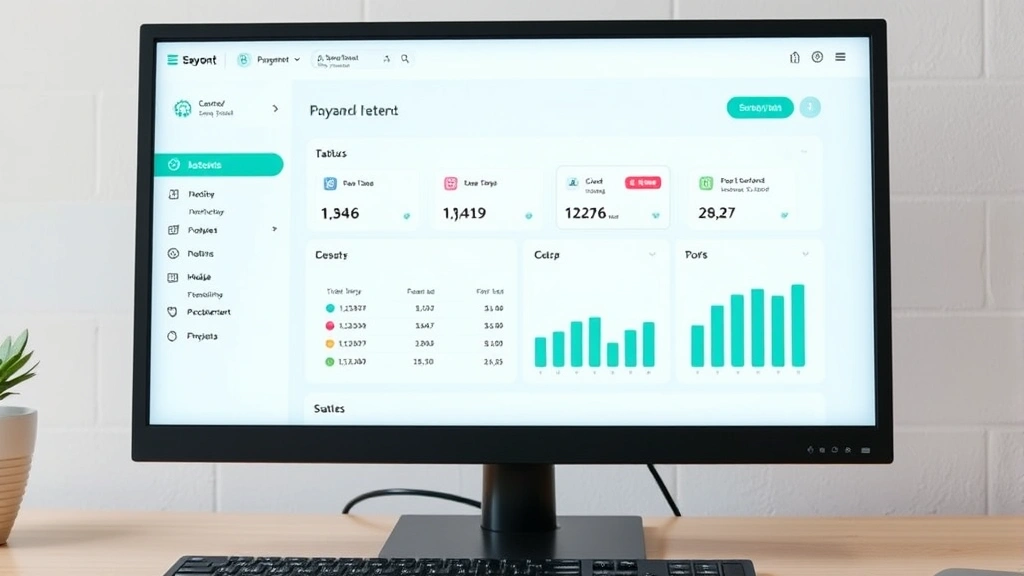
Step 1: Access the Portal – Visit the official Kern County Treasurer and Tax Collector website and locate the online payment portal link.
Step 2: Enter Your Information – Input your property tax account number (found on your tax bill) or search by parcel number.
Step 3: Review Your Balance – The system displays your current balance, due date, and any penalties or interest charges.
Step 4: Select Payment Method – Choose between credit card, debit card, or electronic bank transfer. Note that credit card payments may include a convenience fee (typically 2-3%).
Step 5: Enter Payment Details – Input the amount you want to pay and your payment method information.
Step 6: Confirm and Submit – Review all details carefully before submitting. You’ll receive an immediate confirmation number.
Step 7: Check Your Email – A receipt will be sent to your email address within minutes, confirming the transaction.
The online system is secure and uses encryption to protect your financial information. Your payment typically posts to your account within one business day.
Understanding Tax Certificates
When a property owner fails to pay property taxes, the Kern County Treasurer and Tax Collector issues a tax certificate. This is an important document that investors and property owners need to understand.
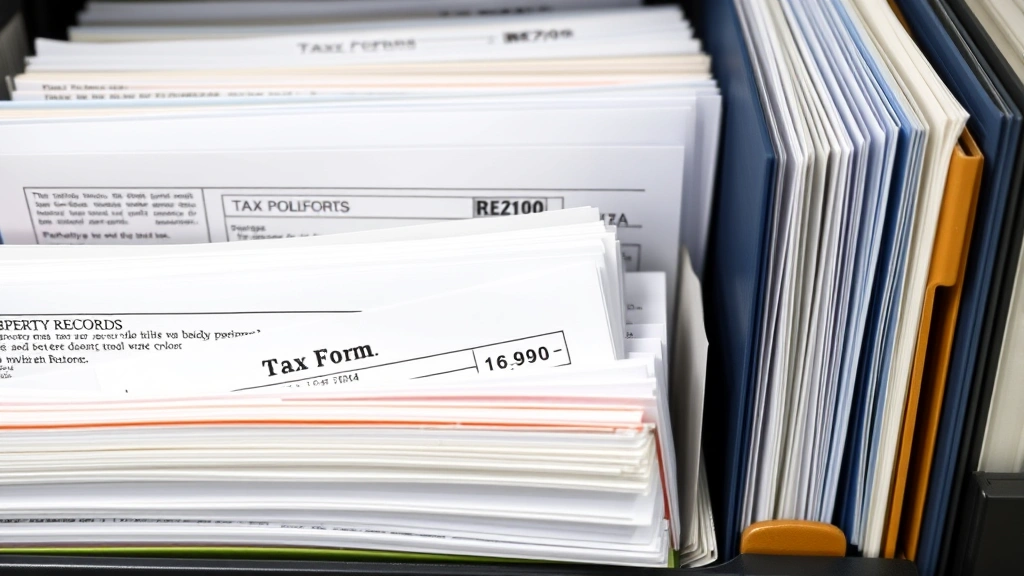
A tax certificate represents a lien on the property and gives the certificate holder certain rights. If the property taxes remain unpaid for five years, the certificate holder can apply for a tax deed, potentially acquiring the property.
Tax certificates are sold at public auctions held by Kern County. Investors purchase these certificates with the expectation that the property owner will eventually pay the taxes (plus interest and penalties), or the certificate will convert to a deed.
Interest rates on tax certificates vary but are typically competitive. The exact rate depends on the specific property and auction results. If you’re interested in investing through tax certificates, attend an auction or contact the Treasurer and Tax Collector office for details.
For additional context on property tax systems across California, review Which State Has No Property Tax to understand how California compares nationally.
Avoid These Common Mistakes
Even experienced property owners sometimes make payment errors. Here are the most common mistakes and how to avoid them:
Mistake 1: Paying the Wrong Amount – Always verify your current balance before paying. Interest and penalties accumulate daily on delinquent amounts, so the balance changes constantly.
Mistake 2: Missing the Delinquency Date – The delinquency date is NOT the due date. In Kern County, the first installment becomes delinquent on December 1st, not November 1st. Know the difference.
Mistake 3: Forgetting Your Account Number – When mailing a check, always include your property tax account number. Without it, the county may struggle to post your payment correctly.
Mistake 4: Ignoring Payment Confirmation – Keep your online confirmation number or receipt. If there’s ever a dispute about whether you paid, this documentation is your proof.

Mistake 5: Assuming Automatic Payment is Set – If you set up autopay, verify it actually processed after the first payment. Technical glitches happen.
Mistake 6: Paying Only Interest – Some taxpayers think paying interest satisfies their obligation. It doesn’t. You must pay the principal tax amount.
If you’ve made a payment error, contact the Kern County Treasurer and Tax Collector immediately. The office can often correct mistakes if caught quickly.
How to Contact Kern County
When you need help, here’s how to reach the Kern County Treasurer and Tax Collector:
Main Office Address:
Kern County Treasurer and Tax Collector
Bakersfield, California
Phone Number: Check the official county website for current phone numbers and department extensions.
Hours of Operation: Typically Monday-Friday, 8:00 AM – 5:00 PM (Pacific Time). Some offices offer extended hours during peak tax season.
Website: Visit the official Kern County website to access the online payment portal, check your balance, or download forms.
Email: Some departments accept email inquiries. Check the website for specific email addresses for different services.
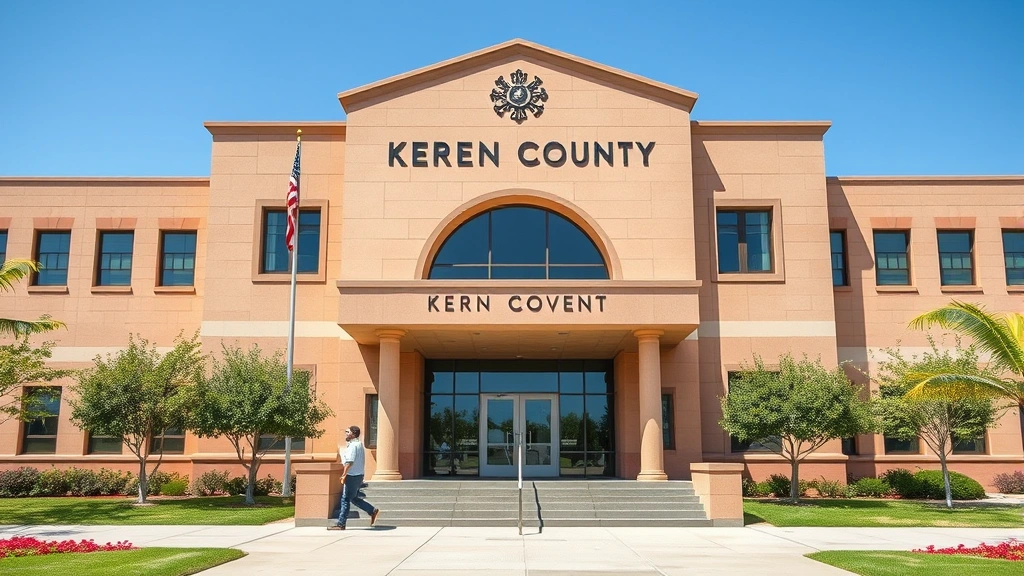
In-Person Visits: The main office in Bakersfield handles most transactions. Arrive early during busy seasons to avoid long wait times.
For questions about property tax systems in other California counties, reference SF Treasurer Property Tax for comparison.
Frequently Asked Questions
What is the penalty for paying property taxes late in Kern County?
California law imposes a 10% penalty on any property tax installment that remains unpaid after the delinquency date. For the first installment, this means a 10% penalty if you don’t pay by November 30th. After five years of non-payment, the county can initiate a tax sale.
Can I pay someone else’s property taxes in Kern County?
Yes, anyone can pay another person’s property taxes. You’ll need the property tax account number or parcel number. However, paying someone else’s taxes doesn’t give you ownership rights unless you have a legal agreement in place.
How do I find my property tax account number?
Your account number appears on your annual property tax bill. If you’ve lost the bill, contact the Kern County Treasurer and Tax Collector with your address or parcel number, and they can provide it.
Is there a discount for paying both installments early?
California offers a small discount (approximately 4% annually) for paying taxes before the due date. This is called an “early payment discount” and is automatically applied when you pay early.
What happens if I pay too much?
If you overpay your property taxes, the county will issue a refund. You can request a refund through the online portal or by contacting the office directly. Refunds typically process within 30-60 days.
Can I set up a payment plan for delinquent taxes?
Payment plans for delinquent taxes are limited in California. However, if you’re facing hardship, contact the Kern County Treasurer and Tax Collector to discuss options. Some counties offer installment agreements for specific circumstances.
What’s the difference between a tax certificate and a tax deed?
A tax certificate is a lien issued when taxes go unpaid. A tax deed transfers actual property ownership after the certificate holder completes the redemption process (typically five years). A tax certificate is an investment vehicle; a tax deed means you own the property.
Final Thoughts
The Kern County Treasurer and Tax Collector office exists to serve taxpayers while ensuring the county receives necessary revenue. Understanding how this office operates, knowing your payment options, and marking your calendar with critical deadlines are the foundations of responsible property ownership in California.
Whether you’re paying your first property tax bill or managing multiple properties, remember that the Kern County office staff are there to help. Don’t hesitate to call with questions, and always verify payment deadlines before the delinquency date arrives. Taking these steps now prevents expensive penalties, interest charges, and potential property loss down the road.
Stay organized, choose a payment method that fits your lifestyle, and keep detailed records of all transactions. Your future self will thank you for the diligence.


