

Understanding Lexington county property taxes is one of the smartest financial moves you can make as a homeowner or property investor in South Carolina. Property taxes represent a significant annual expense, and most people have no idea how much they’re actually overpaying or what strategies exist to reduce their burden. In this guide, we’ll break down exactly how Lexington county property taxes work, what affects your assessment, and most importantly, how to keep more money in your pocket.
Table of Contents
How Property Gets Assessed
The Lexington County Assessor’s Office determines your property’s taxable value every few years. This isn’t just a random number—they use comparable sales data, property condition, square footage, lot size, and location to establish fair market value. Think of it like getting your car appraised; they’re trying to figure out what your home would sell for on the open market today.
Here’s what actually happens: assessors physically inspect properties or use aerial imagery and public records to gather information. They then compare your home to similar properties that recently sold in your area. If your home is in excellent condition with recent upgrades, your assessment will be higher than an older home with deferred maintenance. The county reassesses properties periodically—not every year, which is actually good news because your value can increase without your taxes jumping immediately.
One critical thing to understand: your assessed value and your home’s actual market value are different animals. The assessed value is what the county uses for tax purposes, and it often lags behind real market conditions. This is actually a hidden benefit if your home’s market value has dropped—your taxes might not reflect that decline immediately, but you can use it as ammunition in an appeal.
Understanding the Tax Rate
Lexington county property taxes are calculated using a millage rate system. One mill equals $1 in taxes per $1,000 of assessed value. So if your home is assessed at $300,000 and the millage rate is 15 mills, you’d owe $4,500 annually ($300,000 ÷ 1,000 × 15). The actual millage rate varies depending on which taxing district you’re in—your city, county, school district, and any special tax districts all add their own mills.
This is where it gets interesting: Lexington county’s property tax rates are competitive compared to national averages, but they’re not uniform across the county. Someone in Irmo might pay a different effective rate than someone in Cayce because school districts have different millage rates. Before buying property in Lexington county, smart investors always check the total millage rate for that specific location. It can be the difference between a good investment and an expensive mistake.
The school district typically accounts for the largest portion of your property tax bill—usually 50-60% of the total. County services, municipalities, and special districts make up the rest. If you’re considering a move within the county, comparing millage rates between neighborhoods is just as important as comparing home prices.
Homestead Exemption Benefits
South Carolina’s homestead exemption is one of the best-kept secrets in property tax reduction. If you own your primary residence in Lexington county, you’re eligible for a $50,000 exemption on the assessed value. This means $50,000 of your home’s value is completely removed from the tax calculation. If you’re paying 15 mills, that exemption saves you $750 every single year.
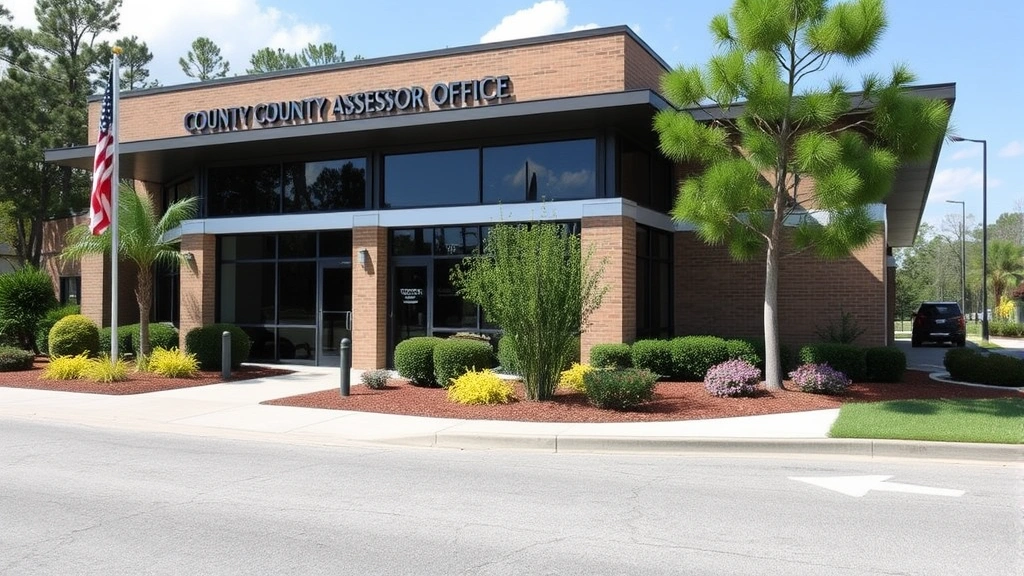
To claim the homestead exemption, you must file an application with the Lexington County Assessor’s Office. You’ll need to prove that the property is your primary residence—typically with a driver’s license, voter registration, or utility bill. The exemption applies automatically in the year you apply and continues each year as long as you maintain your primary residence status. If you rent out the property or move away, you lose the exemption, and your taxes jump back up.
Here’s the beautiful part: this exemption stacks with other benefits. You can have the homestead exemption AND qualify for senior citizen programs or disability benefits simultaneously. Many people don’t realize this and miss out on significant savings. If you’ve owned your home for years and haven’t applied for the homestead exemption, contact the assessor immediately—you might be owed a refund for previous years.
Challenging Your Assessment
Your assessed value isn’t set in stone. If you believe your property has been overvalued, you have the right to appeal. This is where most homeowners leave money on the table—the appeal process is straightforward, and success rates are surprisingly high when you do it correctly.
The appeal process starts with filing a Form 4 with the Lexington County Board of Equalization. You’ll need to gather evidence supporting a lower value: recent appraisals, comparable sales data from similar homes in your area, photographs documenting any issues with your property, or evidence of market decline in your neighborhood. Real estate websites like Zillow and Redfin provide comparable sales information, though a professional appraisal carries more weight in an appeal.
Timing matters. The appeal window typically opens in early spring, and deadlines vary by year. Miss the deadline, and you’re stuck with your assessment for another few years. Many counties offer informal review meetings where you can discuss your concerns before filing a formal appeal. Take advantage of this—sometimes a simple conversation with an assessor results in a value adjustment without needing a formal hearing.
If your appeal is denied and you believe the decision is unreasonable, you can escalate to circuit court, though most people settle at the board level. The key is presenting solid evidence, not emotions. Assessors respond to data: comparable sales, appraisals, and documented property defects. Showing up angry won’t help your case, but showing up with a spreadsheet of similar homes that sold for less will.
Senior & Disabled Programs
Lexington county offers additional tax relief for seniors and disabled property owners beyond the basic homestead exemption. These programs recognize that fixed-income households shouldn’t bear increasing tax burdens as their communities appreciate.
The senior citizen exemption provides additional relief for residents age 65 and older. The exact benefit varies, but it typically reduces your tax burden significantly. To qualify, you must meet age requirements, own your primary residence, and meet income limitations. South Carolina’s income limits are relatively generous—many middle-class seniors still qualify.
Disabled veterans and permanently disabled individuals also qualify for special exemptions. These programs are designed to honor service and recognize that disability can limit earning potential. The application process requires documentation from the VA or medical records proving disability status. Don’t assume you don’t qualify—the definitions are broader than most people think.
These programs require separate applications from the homestead exemption. Many eligible residents never apply because they don’t know the programs exist. If you’re over 65 or disabled, contact the assessor’s office and ask specifically about all available exemptions. The difference between knowing about these programs and not knowing could be thousands of dollars over your lifetime.
Agricultural Land Exemptions
If you own agricultural property in Lexington county—farmland, timberland, or land used for horticultural purposes—you may qualify for agricultural exemptions that dramatically reduce your tax burden. These exemptions value land based on its agricultural use rather than its development potential, which can mean the difference between a manageable tax bill and an impossible one.
Agricultural exemptions are based on use, not just acreage. You need to actively farm the land or use it for forestry, not just own it. The county will verify that you’re genuinely engaged in agricultural operations. This prevents developers from claiming exemptions on land they’re holding for future subdivision.
The application process requires documentation of your agricultural activities: crop records, timber harvest records, livestock registration, or equipment purchases. If you’ve recently purchased agricultural property or changed how you use the land, update your classification with the assessor. Many new landowners miss this step and pay residential or commercial rates on property that should be classified as agricultural.
These exemptions can be substantial. A 50-acre parcel might be assessed at $500,000 for development potential but only $50,000 for agricultural use. That’s a difference of $6,000+ annually in taxes at typical Lexington county millage rates. If you own rural property, this is worth investigating thoroughly.

Payment Methods & Deadlines
Lexington county property taxes are typically due by January 15th, though the exact deadline can vary slightly. Pay after the deadline, and you’ll owe penalties and interest. The good news is that the county offers multiple payment options to make compliance easy.
You can pay online through the Lexington County Treasurer’s website using credit card, debit card, or bank transfer. Mail-in payments are accepted—just make sure your check arrives before the deadline. In-person payments at the treasurer’s office are always an option. Some people set up automatic payments through their bank to ensure they never miss a deadline. This is especially smart if you’re managing multiple properties.
If you’re unable to pay in full, contact the treasurer’s office about payment plans. They’re often willing to work with taxpayers facing temporary hardship. Ignoring the bill only makes things worse—penalties and interest accumulate quickly, and the county can eventually place a tax lien on your property.
One strategy many property owners use: if you have a mortgage, your lender likely handles property taxes through an escrow account. Your monthly mortgage payment includes a portion set aside for taxes. This removes the burden of remembering the deadline, though you should still verify the amount is adequate annually.
Smart Cost Reduction Strategies
Beyond the programs we’ve discussed, several strategies can reduce your overall property tax burden in Lexington county. Start by comparing your assessment to similar properties in your neighborhood. If you’re paying significantly more than neighbors with comparable homes, that’s a red flag warranting an appeal.
Energy-efficient home improvements sometimes qualify for tax breaks. Solar panel installations, for example, may be exempt from property tax increases in South Carolina. Check with the assessor about what upgrades qualify. You get the benefit of lower energy bills AND lower taxes—a genuine win-win.
Timing your property purchase strategically matters. Properties are typically reassessed after sale, so buying right after a reassessment means you’ll have several years before the next one. Conversely, buying just before a reassessment means your taxes will jump sooner. This is a small factor but worth considering in your purchase timeline.

If you own multiple properties, ensure each is classified correctly. A property you use occasionally for business might be classified as commercial when it should be residential. Misclassifications happen, and correcting them can save thousands. The assessor’s office can review your properties’ classifications at your request.
Consider working with a property tax consultant or CPA if you own significant real estate. The cost of professional guidance often pays for itself through successful appeals and strategic planning. This is especially true if you own commercial property or multiple residential units.
Related Tax Resources
Understanding Lexington county property taxes connects to broader real estate tax strategies. If you’re selling property, you’ll want to understand capital gains implications—check out our real estate capital gains tax calculator to estimate your liability. Property tax challenges aren’t unique to Lexington county; similar strategies apply across South Carolina and beyond. Our guide to property tax protest in Alabama covers appeal strategies that work nationwide.
If you’re comparing Lexington county to other areas, we have detailed guides for Douglas County property taxes and real estate taxes in Summit County. For those looking to research property values, our Contra Costa property tax lookup guide explains how to access assessment data in your county.
Frequently Asked Questions
What’s the average property tax rate in Lexington County?
Lexington county’s average effective property tax rate is approximately 0.55-0.65% of home value annually, which is below the South Carolina state average. However, rates vary significantly by location within the county depending on school district and municipal millage rates. Your specific rate depends on your exact address and which taxing districts serve your property.
Can I appeal my property assessment multiple years in a row?
Yes, you can appeal annually if you believe your assessment remains unfair. However, the county won’t consider the same arguments repeatedly without new evidence. If you appealed last year based on comparable sales, you’d need new comparable sales data this year. Most appeals are successful when you present updated market evidence showing changed conditions.
How often does Lexington County reassess properties?
Lexington County typically reassesses properties every 5 years, though this can vary. Between reassessments, your value may be adjusted for new construction, major improvements, or successful appeals. After a reassessment year, your value might jump significantly if the market has appreciated. This is why staying aware of reassessment schedules matters.
Do I lose the homestead exemption if I rent out part of my home?
If you rent out a portion of your primary residence (like an accessory dwelling unit or rooms), you may still qualify for the homestead exemption since it remains your primary residence. However, if you rent out the entire property, you lose the exemption. The key test is where you actually live—that’s your primary residence for exemption purposes.
What happens if I don’t pay my property taxes?
Unpaid property taxes result in penalties and interest charges. After a period of non-payment (typically 2-3 years), the county can place a tax lien on your property or even foreclose. A tax lien makes it nearly impossible to refinance or sell your home without settling the debt. If you’re struggling to pay, contact the treasurer immediately about payment plans rather than ignoring the bill.
Are property taxes deductible on my federal income tax return?
Yes, property taxes are deductible on your federal return, but only up to $10,000 total for state and local taxes (SALT deduction). This includes property taxes, income taxes, and sales taxes combined. If your Lexington county property taxes exceed $10,000 annually, you can only deduct $10,000 total. This limitation took effect in 2018 and currently expires after 2025 unless Congress extends it.
Final Thoughts
Lexington county property taxes don’t have to drain your finances. By understanding how assessments work, knowing what exemptions you qualify for, and being willing to appeal when necessary, you can significantly reduce your annual tax burden. The homestead exemption alone saves most homeowners $500-$1,000 yearly, yet many people never apply.
Start by reviewing your current assessment and comparing it to similar properties in your area. If you’re paying substantially more, file an appeal. If you’re a senior, disabled, or own agricultural land, investigate specialized exemptions. These steps take a few hours but can save thousands over your homeownership years.
Property taxes will always be part of homeownership, but they don’t have to be a mystery. Armed with this knowledge, you’re equipped to make smart decisions and keep more of your hard-earned money.


