

The Naugatuck tax collector is your direct line to understanding property tax obligations, payment deadlines, and potential savings in this Connecticut municipality. Whether you’re a homeowner, business owner, or investor, knowing how to work with your local tax collector can save you money, prevent penalties, and reduce stress during tax season.
Table of Contents
Understanding Naugatuck Tax Collection
Naugatuck, located in New Haven County, Connecticut, operates a municipal tax collection system that handles property taxes for residential, commercial, and industrial properties. The tax collector’s office is responsible for billing, collecting, and accounting for all property tax revenue that funds local schools, infrastructure, and municipal services.
As a property owner in Naugatuck, you’re directly supporting essential community services through your tax payments. Understanding how the system works helps you budget effectively and identify opportunities for tax relief. The Naugatuck tax collector maintains detailed records of all properties and their assessed values, which form the basis of your annual tax bill.
Payment Methods & Deadlines
Connecticut property taxes are typically billed semi-annually, with payments due on specific dates. The Naugatuck tax collector accepts payments through multiple channels to accommodate different preferences and financial situations.
Payment Options: You can pay in person at the tax collector’s office, by mail, online through the municipal website, or via automatic bank withdrawal. Many residents prefer online payment for convenience and immediate confirmation. Some municipalities also accept credit cards, though fees may apply.
Deadline Dates: Missing deadlines triggers interest charges and potential liens on your property. Connecticut law allows the tax collector to charge interest on late payments, typically calculated from the original due date. Knowing your specific due dates prevents costly penalties and protects your property rights.
If you’re struggling to meet a deadline, contact the tax collector immediately. Some municipalities offer payment plans or temporary deferrals for hardship situations. Ignoring bills only worsens your position—proactive communication is always your best strategy.
Property Tax Basics in Connecticut
Connecticut’s property tax system relies on local assessment and collection, meaning your tax bill depends on your municipality’s grand list (assessed property values) and mill rate (the tax rate applied to assessed values). The Naugatuck tax collector uses this system to calculate your annual obligation.
Your property’s assessed value is determined by the local assessor’s office, not the tax collector. However, the tax collector can provide you with assessment information and explain how your bill was calculated. If you believe your assessment is inaccurate, you have the right to appeal through the proper channels.
The mill rate in Connecticut varies significantly between towns. Naugatuck’s rate reflects the municipality’s budget needs and revenue sources. Understanding this rate helps you predict future tax increases and plan your finances accordingly. You can request a copy of the current mill rate from the tax collector’s office or municipal website.
Exemptions & Relief Programs
Connecticut offers several property tax exemptions and relief programs that the Naugatuck tax collector administers. These programs can significantly reduce your tax burden if you qualify.
Common Exemptions Include:
- Homestead Exemptions: Primary residence owners may qualify for exemptions that reduce assessed value
- Elderly Exemptions: Seniors (typically 65+) often receive special relief
- Veteran Exemptions: Military service members and veterans may qualify for reductions
- Disability Exemptions: Individuals with disabilities can access specific relief programs
- Agricultural Exemptions: Active farm properties may receive preferential assessment
To claim an exemption, you must file an application with the tax collector’s office by the deadline, usually in October. Missing this deadline means forfeiting the exemption for that year. Keep detailed records of your applications and confirmations for future reference.
Like other tax relief opportunities, exemptions require documentation. Have your proof of residency, ownership documents, military discharge papers, or disability verification ready when applying. The tax collector’s staff can guide you through the process and answer specific questions about your eligibility.
Handling Delinquent Accounts
If your property taxes become delinquent, the Naugatuck tax collector has legal authority to take action to recover the debt. Understanding these consequences helps you prioritize tax payments in your budget.

Consequences of Delinquency: Interest accrues from the original due date, typically at rates set by Connecticut law. The tax collector can file a lien against your property, which affects your ability to sell or refinance. Eventually, properties with unpaid taxes can be subject to tax sale proceedings, potentially resulting in loss of ownership.
If you’re facing financial hardship, contact the tax collector before your account becomes delinquent. Many municipalities work with taxpayers to establish payment arrangements or discuss available relief options. Demonstrating good faith effort to resolve the situation protects your property and your credit.
Connecticut law provides some protections for homeowners facing tax sale. You have the right to redeem your property even after a tax sale in certain circumstances. Understanding these rights and the timeline for action is crucial if you’re in this situation.
How to Contact Tax Collector
The Naugatuck tax collector’s office is your resource for questions about your property taxes, payment options, exemptions, and account status. Knowing how to reach them efficiently saves time and prevents misunderstandings.
Contact Methods: Most Connecticut municipalities offer phone, email, and in-person office hours. The tax collector’s office typically operates during standard business hours, Monday through Friday. Many offices now offer online portals where you can view your account balance, payment history, and due dates.
When contacting the office, have your property identification number (PIN) or account number ready. This speeds up the process and ensures you’re discussing the correct property. If you’re calling about a specific bill, have that document available as well.
Building a relationship with the tax collector’s office staff can be valuable. These professionals understand local tax issues and can provide guidance on exemptions, payment options, and timing strategies. They’re not adversaries—they’re municipal employees trying to collect revenue fairly and efficiently.

Common Mistakes to Avoid
Many property owners make preventable errors that cost them money or create unnecessary complications with the tax collector. Learning from others’ mistakes protects your financial position.
Mistake #1: Missing Deadlines – Interest charges and liens are expensive. Mark your calendar immediately upon receiving bills and set reminders well before due dates.
Mistake #2: Ignoring Bills – Hoping a problem disappears only makes it worse. The tax collector will pursue collection, and your debt will grow with interest and potential penalties.
Mistake #3: Not Applying for Exemptions – Many eligible property owners never apply, leaving money on the table year after year. Check your eligibility and submit applications on time.
Mistake #4: Confusing Assessment Appeals with Tax Collector Issues – If you dispute your assessed value, appeal to the assessor, not the tax collector. The tax collector collects taxes based on assessments made by another office.
Mistake #5: Failing to Update Address Information – If the tax collector can’t reach you with bills and notices, you won’t know about deadlines or opportunities for relief. Keep your mailing address current.
Tax Savings Strategies
Beyond exemptions, several strategies can help you manage property tax obligations more effectively. These approaches require planning but can yield significant savings over time.
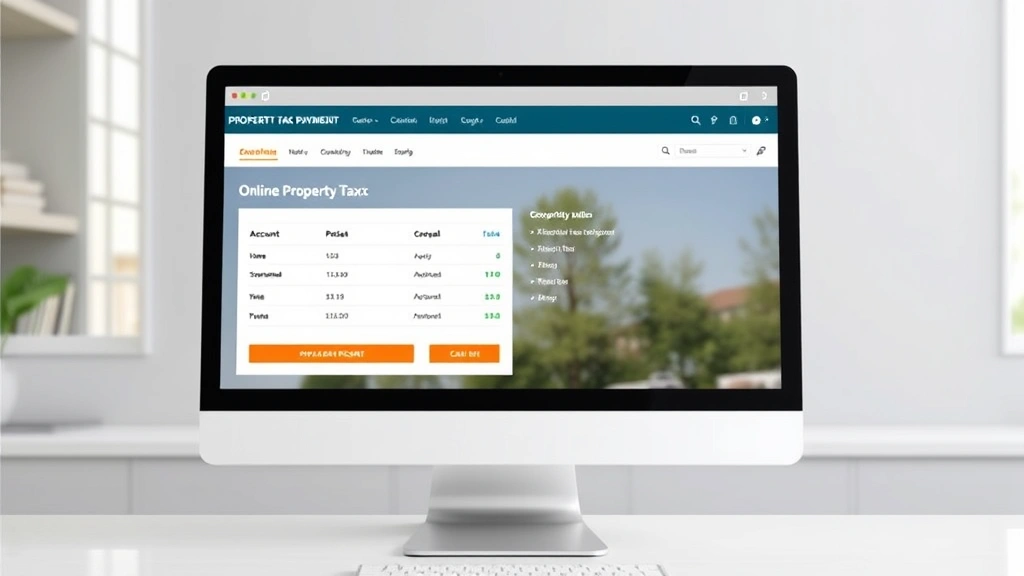
Strategy #1: Understand Your Assessment – Request a detailed explanation of how your property was assessed. If comparable properties in your area have lower assessments, you may have grounds for an appeal. Many towns offer assessment review processes that can reduce your tax base.
Strategy #2: Time Your Improvements Carefully – Home improvements increase assessed value. Understanding when assessments occur helps you time renovations strategically. The tax collector or assessor can explain your town’s assessment schedule.
Strategy #3: Document Property Defects – If your property has structural issues, flooding concerns, or other defects, these can justify lower assessments. Provide documentation during assessment appeals to support your case.
Strategy #4: Leverage Rental Property Deductions – If you own rental properties, you may be able to deduct property taxes as business expenses. See our guide on rental property tax deductions for detailed information on maximizing this benefit.
Strategy #5: Plan for Tax Increases – Review historical mill rate changes and budget projections. Understanding trends helps you anticipate future increases and plan accordingly. The municipal budget process is public—attend meetings to stay informed.
Frequently Asked Questions
When are property taxes due in Naugatuck?
Connecticut typically bills property taxes semi-annually. Specific due dates vary by municipality. Contact the Naugatuck tax collector’s office for your exact deadlines, or check the municipal website for a tax calendar. Most bills include due date information, but confirming with the office prevents confusion.
Can I appeal my property assessment?
Yes. Assessment appeals are handled by the local assessor’s office, not the tax collector. If you believe your property is over-assessed, file an appeal with the assessor by the deadline (usually October 1st in Connecticut). The tax collector can direct you to the correct office and explain the process.

What happens if I don’t pay my property taxes?
The tax collector will add interest charges, file a lien against your property, and eventually pursue tax sale proceedings if the debt remains unpaid. This can result in losing your property. Contact the tax collector immediately if you’re unable to pay to discuss options.
Am I eligible for property tax exemptions?
Many property owners qualify for exemptions based on age, military service, disability, or primary residence status. Contact the Naugatuck tax collector’s office to request information about available programs and eligibility requirements. Applications typically have October deadlines.
How do I check my property tax balance online?
Many Connecticut municipalities offer online portals through their websites. Look for the tax collector’s section and follow instructions to view your account. If your municipality doesn’t offer online access, call the tax collector’s office to request your balance and payment history.
Can I set up a payment plan for back taxes?
Some municipalities offer payment arrangements for taxpayers facing hardship. Contact the tax collector’s office to discuss your situation. The sooner you reach out, the more options may be available to you. Demonstrating willingness to pay helps preserve your property rights.
Final Thoughts
Working effectively with the Naugatuck tax collector involves understanding deadlines, exploring available exemptions and relief programs, and maintaining proactive communication. Property taxes are among the largest expenses most homeowners face, so optimizing your approach pays real dividends.
Start by gathering your recent tax bills and contacting the tax collector’s office to verify your account information and explore exemptions you might qualify for. Review the exemptions section above and also check out resources like our guide on Adams County property tax for comparative insights on how different municipalities handle tax collection.
If you own property in other jurisdictions, understanding how different tax collectors operate helps you identify best practices. Resources like our information on Onslow County tax office and Dane County property tax records show how systems vary across regions.
Remember that tax collectors are municipal employees working within legal frameworks. Building a respectful relationship with your local tax collector’s office and staying informed about your obligations puts you in the strongest possible position. The effort you invest now in understanding the system prevents costly mistakes and ensures you’re taking advantage of every available benefit.


