

Understanding Ohio auto sales tax is crucial if you’re buying a vehicle in the Buckeye State—and knowing the rules can put hundreds of dollars back in your pocket. Whether you’re purchasing from a dealer or a private seller, the tax implications are significant, and there are legitimate strategies to minimize what you owe.
Table of Contents
Ohio’s Current Sales Tax Rate
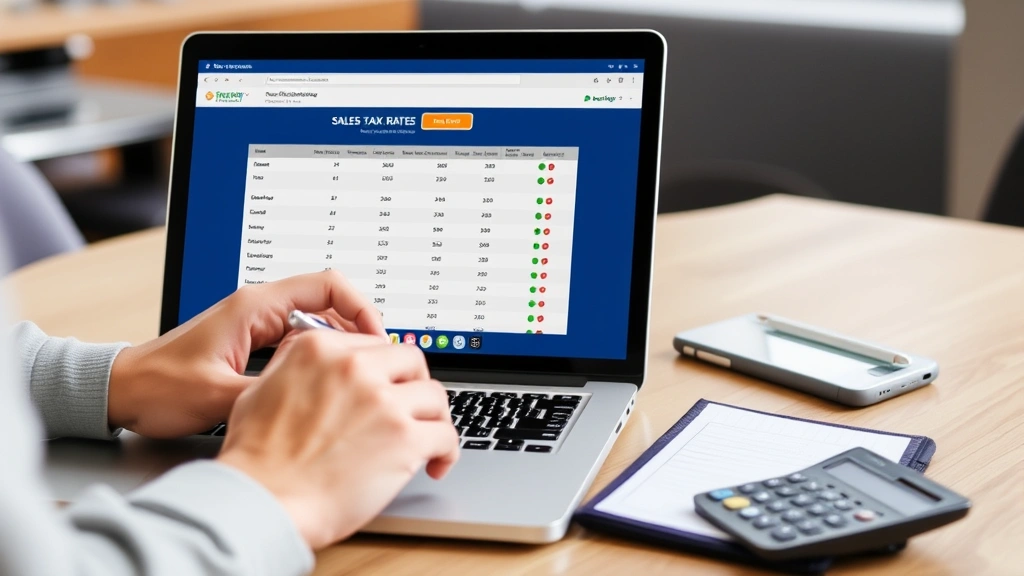
Ohio’s statewide sales tax sits at 5.75%, but here’s where it gets tricky: your total tax burden depends on where you live. Most Ohio counties add a local sales tax on top of the state rate, bringing your total anywhere from 6.5% to 8.5%. In Franklin County (Columbus), you’re looking at 7.5%. In Cuyahoga County (Cleveland), it’s 8%. This variation matters because buying a car in one county versus another can cost you real money.
The state collects this tax through the Ohio Department of Taxation, and dealers are required to remit it. When you purchase a vehicle, the dealer calculates the tax based on your location’s combined rate—not where the dealership is located. This is a common misconception that catches people off guard.
How Auto Sales Tax Is Calculated
The math is straightforward but important: Ohio auto sales tax is calculated on the vehicle’s purchase price. If you’re buying a car for $25,000 in a county with an 8% combined rate, you’ll owe $2,000 in sales tax. The formula is simple: Purchase Price × Combined Tax Rate = Sales Tax Owed.
But here’s where strategy enters: the taxable amount isn’t always the full sticker price. This is why understanding deductions matters. Trade-in value, for instance, reduces your taxable base. If you trade in a vehicle worth $5,000 on that same $25,000 purchase, you only pay tax on $20,000, saving you $400 in taxes alone.
Dealers must provide you with an itemized receipt showing the vehicle’s sale price, trade-in allowance, and calculated tax. Review this carefully—errors happen, and you have the right to question the math.
Private Party Vehicle Sales
Buying from a private seller doesn’t exempt you from Ohio auto sales tax. This surprises many people who think private sales avoid taxation. They don’t. When you register the vehicle with the Ohio Bureau of Motor Vehicles (BMV), you’ll owe sales tax based on the purchase price you report.
The BMV uses the purchase price shown on your bill of sale to calculate tax liability. If you underreport the price to dodge taxes, you’re committing tax fraud—and the BMV has ways to catch this. They maintain databases of comparable vehicle sales and will flag suspiciously low reported prices.
Here’s the smart approach: negotiate honestly, document the agreed price, and pay the tax owed. It’s the legal route and protects you from potential audits or penalties. Plus, when you eventually sell the vehicle, having proper documentation protects your credibility.

Buying From Licensed Dealers
Licensed dealers in Ohio handle sales tax collection at the point of sale. They calculate it, collect it from you, and remit it to the state. This process is regulated and transparent—dealers must provide itemized documentation of all charges.
The advantage of dealer purchases is clarity. You see exactly what you’re paying for and what tax amount is being charged. The disadvantage is you can’t negotiate away the tax itself, though you can negotiate the vehicle’s price, which indirectly reduces your tax burden.
When shopping at dealerships, get everything in writing before signing. Verbal promises about “no tax” or “tax included” mean nothing. The written buyer’s order is your contract, and it should clearly show the vehicle price, applicable taxes, and fees. Don’t let high-pressure sales tactics rush you through the paperwork.
Trade-In Credit Benefits
This is one of the most underutilized tax-saving opportunities. When you trade in a vehicle, Ohio allows you to deduct that trade-in value from your taxable purchase price. This isn’t a tax credit—it’s a reduction in the amount you pay tax on.
Let’s say you’re buying a $30,000 vehicle and trading in a car worth $8,000. In a county with 7.5% tax, here’s the math:
Without proper trade-in handling: $30,000 × 0.075 = $2,250 in tax
With trade-in credit applied: ($30,000 – $8,000) × 0.075 = $1,650 in tax
That’s a $600 savings just by properly documenting your trade-in. The dealer must show the trade-in allowance separately on your paperwork. If they don’t, ask why. Some dealers try to bury trade-in value to make the numbers look different, which can affect your tax calculation.
Get your trade-in vehicle appraised independently before visiting the dealer. This gives you negotiating power and ensures you’re getting fair value. The higher your trade-in value, the lower your taxable base.
Registration and Title Fees
Beyond sales tax, Ohio charges separate fees for vehicle registration and title transfer. These aren’t taxes, but they’re required costs you need to budget for. Registration fees in Ohio are based on the vehicle’s weight and age, ranging from $38 to $200+ annually.
Title transfer fees are typically $15 to $25, depending on the transaction type. If you’re financing the vehicle, the lender will require title insurance, adding another $10 to $50 to your costs. These fees are separate from sales tax and are non-negotiable—they go directly to the state.
The BMV also offers online registration renewal, which can save you time if you’re not trading in a vehicle. For new purchases, however, you’ll need to visit a BMV office or use an authorized deputy registrar.
Potential Tax Exemptions
Ohio offers limited sales tax exemptions for vehicle purchases. The most common is for vehicles purchased by non-profit organizations with proper documentation. Agricultural vehicles used exclusively for farming may also qualify, though these are rare in typical consumer purchases.
Active military members don’t get an automatic exemption in Ohio, though some dealers offer military discounts that reduce the purchase price (which indirectly reduces tax). Veterans should ask about these discounts—they’re not required by law but are offered by many dealerships as a courtesy.
Vehicles purchased for resale by licensed dealers are exempt from sales tax, but this only applies to actual dealers, not individuals flipping cars. If you’re buying and selling vehicles regularly for profit, you need a dealer’s license to avoid paying tax on each purchase.
Smart Strategies to Reduce Tax
First, negotiate the vehicle price aggressively. Every dollar you reduce the purchase price saves you 7-8 cents in taxes (depending on your county’s rate). A $1,000 price reduction saves $70-80 in tax. This is why negotiation matters—it’s not just about the sticker price.

Second, maximize your trade-in value. Get competing appraisals from multiple dealers and private sources like Kelley Blue Book or NADA Guides. Use this information to negotiate better trade-in offers. A $500 higher trade-in value saves you $37.50-40 in taxes.
Third, consider timing. If you’re near a county line and have flexibility, buying in a lower-tax county can save money. Ohio’s rates range from 6.5% to 8.5%—that’s a 2% difference. On a $25,000 vehicle, that’s $500 in savings. It’s worth the drive if you’re near a border.
Fourth, explore certified pre-owned (CPO) vehicles. They’re often priced lower than new cars, reducing your taxable base. A $5,000 price difference saves $375-425 in taxes alone.
Finally, if you’re buying multiple vehicles for a business, consult a tax professional. There may be business deductions or exemptions available that reduce your overall tax burden. This is where Ohio’s tax landscape gets more complex, and professional guidance pays for itself.
Mistakes That Cost You Money
One major mistake is not comparing Ohio auto sales tax rates across counties before purchasing. If you live near a county border, you might save hundreds by buying in a lower-tax jurisdiction. Don’t assume your home county has the lowest rate.
Another costly error is failing to document your trade-in properly. If you don’t have a written appraisal or bill of sale for your trade-in vehicle, you might not get full credit for its value. Always get documentation in writing.
Underreporting the purchase price to the BMV is another trap. Yes, it reduces your immediate tax bill, but it creates a permanent record of fraud. The BMV cross-references sales data, and discrepancies trigger audits. The penalties and interest far exceed any tax you “saved.”
Not reviewing your buyer’s order before signing is surprisingly common. Dealers sometimes add unnecessary products or services that increase the taxable amount. Gap insurance, extended warranties, and paint protection plans are often added without clear consent. Review every line item.
Finally, forgetting about registration fees and title costs is a budgeting mistake. Many buyers focus only on sales tax and are surprised by additional fees at the BMV. Budget for the full cost upfront to avoid financial surprises.
Frequently Asked Questions
What is Ohio’s sales tax rate on vehicles?
Ohio’s statewide sales tax is 5.75%, but combined with local county taxes, the total ranges from 6.5% to 8.5% depending on where you live. Check your specific county’s rate before purchasing.
Do I pay sales tax on private party vehicle purchases?
Yes. When you register a privately purchased vehicle with the Ohio BMV, you owe sales tax based on the purchase price you report. This tax is due at registration, not at the point of sale.
Can I deduct my trade-in value from the sales tax calculation?
Yes. Ohio allows you to subtract your trade-in vehicle’s value from the purchase price before calculating sales tax. This must be properly documented on your buyer’s order.
Are there any sales tax exemptions for vehicle purchases in Ohio?
Exemptions are limited and mainly apply to non-profit organizations and some agricultural vehicles. Most individual consumers cannot claim exemptions. Active military members may qualify for dealer discounts, which reduce the purchase price.
How do I find my county’s sales tax rate?
Visit the Ohio Department of Taxation website or contact your county auditor’s office. You can also ask the dealer—they’re required to calculate the correct rate for your address.
Can I avoid sales tax by buying in a neighboring state?
No. Ohio taxes vehicles based on where they’re registered, not where they’re purchased. If you register the vehicle in Ohio, you owe Ohio sales tax regardless of where you bought it.
What happens if I underreport the purchase price to avoid taxes?
The BMV can audit your transaction and assess penalties and interest. Tax fraud is a serious offense that can result in criminal charges. It’s not worth the risk.

Are sales tax and registration fees the same thing?
No. Sales tax is based on the vehicle’s purchase price. Registration fees are separate, fixed charges based on the vehicle’s weight and age. Both are required, but they’re calculated differently.
For context on how Ohio’s tax system compares to other states, you might explore Missouri sales tax or Boston sales tax structures to understand regional variations.
Final Thoughts on Ohio Auto Sales Tax
Understanding Ohio auto sales tax puts you in control of your vehicle purchase. You can’t eliminate the tax, but you can minimize it through smart negotiation, proper trade-in documentation, and strategic timing. The difference between an informed buyer and an uninformed one can easily be $500-1,000 on a typical vehicle purchase.
Start by knowing your county’s exact tax rate. Then focus on reducing the taxable amount through trade-in value and price negotiation. Document everything in writing, review all paperwork before signing, and never underreport prices to the BMV.
If you’re buying multiple vehicles or have a complex situation, consulting with a tax professional is worth the investment. They can identify opportunities you might miss and ensure you’re compliant with all regulations. For additional financing insights, check out our guides on Ford finance strategies and Nissan financing options to maximize your overall car-buying strategy.
The money you save on taxes stays in your pocket. That’s money you can use for maintenance, insurance, or your next vehicle purchase. Make it count.


