

If you own property in Prince George’s County, Maryland, understanding property tax in PG County Maryland is essential to managing your finances effectively. Property taxes are one of the largest expenses homeowners face, and PG County’s rates and assessment methods can significantly impact your bottom line. Whether you’re a first-time homebuyer, a seasoned investor, or someone looking to reduce your tax burden, this guide walks you through everything you need to know about property taxes in this region.
Table of Contents
PG County Property Tax Basics
Prince George’s County is Maryland’s second-largest jurisdiction by population, and its property tax system reflects the needs of a diverse community. The county uses a percentage-of-value assessment method, meaning your property tax is based on the assessed value of your home multiplied by the county’s tax rate.
Unlike some states, Maryland’s property tax structure is relatively straightforward. PG County assesses properties at 100% of their fair market value, and the county assessor’s office is responsible for determining that value. The annual tax bill you receive represents your contribution to county services like schools, roads, emergency services, and public safety.
One important distinction: property taxes in Maryland are paid to the county, not the state. This means rates vary by county. PG County’s rates are competitive compared to neighboring jurisdictions, but they’re still substantial for most homeowners. Understanding this local structure helps you anticipate costs and plan accordingly.
Current Tax Rates for 2024
For 2024, Prince George’s County’s property tax rate is $1.09 per $100 of assessed value for residential properties. This translates to an effective rate of approximately 1.09%, though the actual percentage depends on your specific assessment.
Here’s what that means in practical terms: if your home is assessed at $400,000, your annual county property tax would be roughly $4,360 (before any credits or exemptions). However, this is just the county portion. You may also owe taxes to special taxing districts within PG County, such as fire districts or water authorities, which can add another 0.10% to 0.30% to your bill.
The county reassesses properties periodically, and assessment values can shift based on market conditions, property improvements, and comparable sales in your neighborhood. It’s wise to review your assessment notice annually to ensure accuracy. If you believe your assessment is too high, you have the right to appeal, which we’ll cover in detail later.
How Property Assessment Works
The Prince George’s County Assessor’s Office is responsible for determining the assessed value of every property in the county. This process involves analyzing comparable property sales, property characteristics (square footage, lot size, condition, age), and market trends.
Assessments typically occur on a 3-year cycle in PG County, meaning your property may not be reassessed every year. However, if you make significant improvements to your home—like adding a room, installing a new roof, or renovating a kitchen—the assessor may conduct an interim assessment to capture that added value.
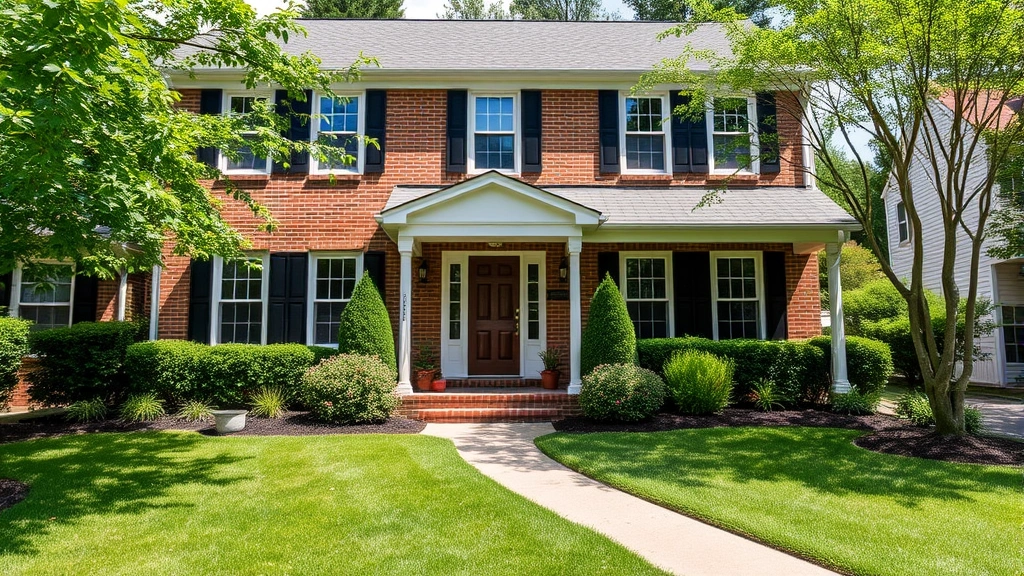
The county sends assessment notices to property owners, usually in the spring. This notice shows the assessed value the assessor has assigned to your property. Many homeowners are surprised by their assessments because they don’t reflect the actual sale price of their home. The assessed value is based on what the assessor believes your property would sell for on the open market, which may differ from your purchase price or current market conditions.
You can request a copy of your property record card from the assessor’s office. This document details the characteristics used in the valuation—lot size, square footage, number of bedrooms, bathrooms, garage spaces, and condition ratings. Errors on this card (like listing an extra bedroom you don’t have) can inflate your assessment and are worth correcting.
Calculating Your Property Tax
Let’s walk through a real-world example to demystify the calculation. Imagine you own a home in PG County assessed at $350,000:
Step 1: Take the assessed value: $350,000
Step 2: Multiply by the tax rate: $350,000 × 0.0109 = $3,815
Step 3: Add any special district taxes (if applicable): +$200 (example)
Step 4: Subtract any eligible credits (Homestead Property Tax Credit, for instance): -$250 (example)
Final Annual Tax Bill: Approximately $3,765
This bill is typically due in two installments: the first half due in September and the second half due in June of the following year. The exact due dates vary, so check your county tax bill for specific deadlines.
If you’re financing your home with a mortgage, your lender may require you to pay property taxes through an escrow account. In this case, you pay a portion of your estimated annual taxes with each mortgage payment, and the lender handles the actual tax payment to the county. This protects the lender’s interest in the property.
Exemptions and Tax Credits
Maryland offers several property tax exemptions and credits that can reduce your tax burden. Not all homeowners qualify, but it’s worth exploring whether you do.
Property Tax Exemptions: These reduce the assessed value of your property. For example, properties owned by religious organizations, nonprofits, or government entities may be exempt from property tax entirely. Homeowners rarely qualify for full exemptions, but some special situations exist—such as properties with significant environmental contamination or those in designated enterprise zones.
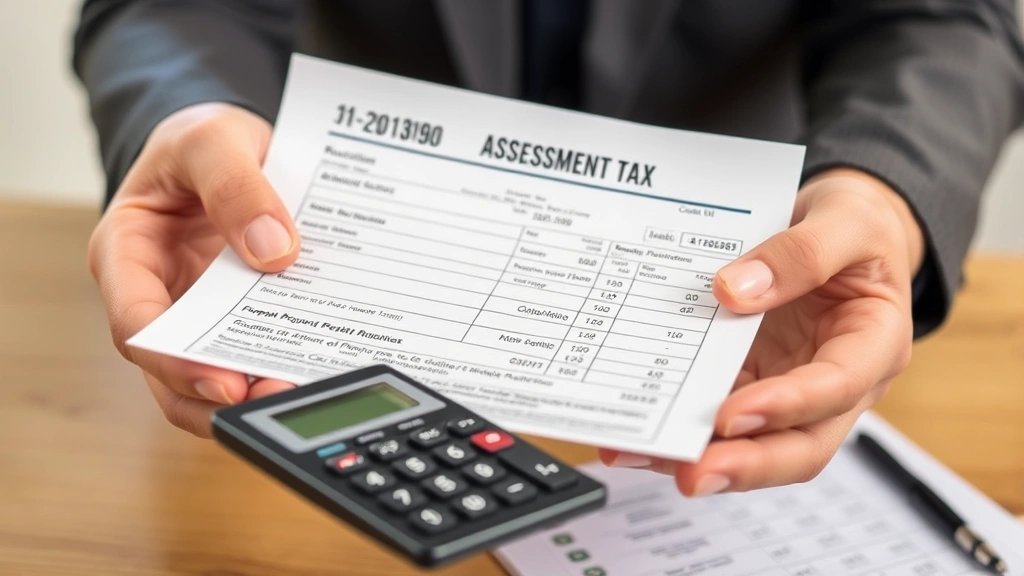
Tax Credits: Unlike exemptions, credits reduce the actual tax owed after assessment. The most common credit available to PG County homeowners is the Homestead Property Tax Credit, which we’ll detail in the next section. Other credits may apply if you’ve made energy-efficient improvements to your home or if you meet certain income thresholds.
Senior citizens (age 65 and older) with limited incomes may qualify for the Senior Tax Credit, which can provide meaningful relief. Disabled veterans also have access to specialized programs. The key is to check with the PG County Assessor’s Office or the Maryland Department of Assessments and Taxation to determine your eligibility.
Homestead Property Tax Credit
The Homestead Property Tax Credit is Maryland’s primary tool for providing property tax relief to owner-occupied homes. This credit is available to homeowners who use their property as a primary residence and meet certain income and assessment limits.
Here’s how it works: if your property is assessed below a certain threshold (currently around $600,000 in most counties, though this varies) and your household income falls within specified ranges, you can claim a credit that reduces your property tax bill. The credit amount increases as your income decreases, providing greater relief to lower-income homeowners.
To claim the Homestead Property Tax Credit, you must file an application with the Maryland Department of Assessments and Taxation. The deadline is typically September 15th of the year following the tax year in question. For example, to claim a credit for taxes paid in 2024, you’d apply by September 15, 2025.
The credit can be substantial. A homeowner with a $350,000 assessment and household income of $60,000 might receive a credit of $400-$600 annually. For a family struggling with property tax costs, this can make a meaningful difference. Many homeowners don’t realize they qualify, so it’s worth investigating, especially if your income has decreased or you’re retired.
Payment Deadlines and Procedures
PG County property taxes are typically billed and collected twice per year. The first installment (covering roughly half the annual tax) is usually due in September, and the second installment is due in June of the following year.
Your tax bill will arrive by mail several weeks before the due date. If you don’t receive a bill, contact the PG County Department of Finance immediately—you’re still responsible for payment even if the bill is lost.
You can pay your property taxes through several methods:
- Online: The county’s website allows secure online payment with a credit card or bank transfer (fees may apply for credit cards).
- By Mail: Send a check to the address listed on your tax bill.
- In Person: Visit the county finance office during business hours.
- Automatic Payment: Set up recurring payments through your bank to ensure you never miss a deadline.
Late payments incur penalties and interest. If your tax bill isn’t paid by the due date, the county adds a penalty (typically 10% of the unpaid amount) plus monthly interest. Unpaid taxes can eventually result in a tax lien on your property or even foreclosure, so timely payment is crucial.
Challenging Your Assessment
If you believe your property assessment is incorrect, Maryland law gives you the right to appeal. This process has strict timelines, so don’t delay if you think your assessment is unfair.
Step 1: Informal Review – Contact the PG County Assessor’s Office within 45 days of receiving your assessment notice. Request an informal review of your assessment. Bring evidence supporting your position: recent appraisals, comparable property sales, documentation of property defects, or photographs showing condition issues.
Step 2: Formal Appeal – If the informal review doesn’t resolve your concern, file a formal appeal with the State Department of Assessments and Taxation within 30 days of the assessor’s decision. This requires completing a form and paying a filing fee (typically $75-$150).
Step 3: Hearing – You’ll receive notice of a hearing before an assessor or hearing examiner. Present your case with supporting documentation. Many homeowners hire a property tax consultant or attorney for this step, especially if the assessment difference is substantial.
Common grounds for successful appeals include: errors in the property record card (wrong square footage, missing rooms, incorrect lot size), property defects not reflected in the assessment (foundation problems, roof damage), or assessments that are significantly higher than comparable properties in your neighborhood.
Property Tax Relief Programs
Beyond the Homestead Property Tax Credit, Maryland and PG County offer additional relief programs for specific groups.

Senior Citizens: Homeowners age 65 and older with limited incomes may qualify for the Senior Tax Credit, providing up to $1,000 in annual relief. Income limits apply, and you must apply annually.
Disabled Veterans: Veterans with service-connected disabilities may qualify for exemptions or credits. The amount depends on your disability rating. Contact the Maryland Department of Veterans Affairs for details.
Homeowners with Energy-Efficient Improvements: Some counties offer property tax credits for installing solar panels, geothermal systems, or other renewable energy improvements. Check with PG County to see current incentives.
Properties in Enterprise Zones: If your property is located in a designated enterprise zone, you may qualify for reduced assessments or tax abatements. These zones are designed to encourage economic development and investment in specific areas.
Additionally, some residents may qualify for assistance through homestead property tax credit programs if they meet specific criteria. Understanding these programs requires research, but the potential savings justify the effort.
Frequently Asked Questions
What is the current property tax rate in PG County, Maryland?
The current property tax rate in PG County is $1.09 per $100 of assessed value for residential properties. This equals an effective rate of 1.09%. Special taxing districts may add additional amounts to your bill.
How often does PG County reassess property values?
PG County typically reassesses properties on a 3-year cycle. However, if you make significant improvements to your home, the assessor may conduct an interim assessment. You can request a reassessment if you believe your current assessment is inaccurate.
Can I appeal my property assessment in PG County?
Yes. You have 45 days from receiving your assessment notice to request an informal review with the assessor’s office. If unsatisfied, you can file a formal appeal with the State Department of Assessments and Taxation within 30 days of the assessor’s decision.

What is the Homestead Property Tax Credit, and how do I apply?
The Homestead Property Tax Credit reduces property taxes for owner-occupied homes. Eligibility depends on your assessed value and household income. You must apply with the Maryland Department of Assessments and Taxation by September 15th of the year following the tax year. For example, to claim credit for 2024 taxes, apply by September 15, 2025.
Are there property tax relief programs for seniors in Maryland?
Yes. Homeowners age 65 and older with limited incomes may qualify for the Senior Tax Credit, providing up to $1,000 in annual relief. Income limits apply. You must apply annually to receive the credit.
How do I pay my PG County property taxes?
You can pay online through the county website, by mail, in person at the finance office, or through automatic bank payments. Property taxes are typically due in two installments: September and June.
What happens if I don’t pay my property taxes on time?
Late payments incur a 10% penalty plus monthly interest. Continued non-payment can result in a tax lien on your property or foreclosure proceedings. It’s critical to pay on time or contact the county if you’re facing financial hardship.
How is my property assessment determined?
The PG County Assessor’s Office determines assessments using comparable property sales, property characteristics (square footage, lot size, condition, age), and market trends. Properties are assessed at 100% of fair market value. You can review your property record card to verify the details used in your assessment.
Final Thoughts on PG County Property Taxes
Understanding property tax in PG County Maryland empowers you to make informed financial decisions and potentially reduce your tax burden. Whether you’re reviewing your current assessment, exploring credits like the Homestead Property Tax Credit, or planning for future property purchases, knowledge is your best tool.
The key takeaways: know your current assessment and tax rate, explore available exemptions and credits, appeal if your assessment seems inaccurate, and pay your taxes on time to avoid penalties. If you’re unsure about any aspect of your property taxes, the PG County Assessor’s Office and Maryland Department of Assessments and Taxation are excellent resources.
For context on how Maryland’s tax system works more broadly, you might also review Maryland state income tax rates to understand your complete tax picture. And if you’re considering property investments in neighboring states, comparing structures like New Jersey property tax relief or Philadelphia County property taxes can provide valuable perspective.
Property taxes aren’t going away, but strategic planning and awareness of available programs can help you manage this significant expense effectively.


