

If you’re buying anything in Santa Ana, California, you need to understand sales tax in Santa Ana CA—it’s not just a line item on your receipt, it’s money coming straight out of your wallet. As someone who’s helped countless Californians navigate their tax obligations, I can tell you that Santa Ana’s sales tax situation is more nuanced than most people realize. Whether you’re a local resident, a business owner, or just visiting, knowing the current rates and rules could save you real money and keep you compliant with state and local regulations.
Table of Contents
Current Sales Tax Rates
Let me cut right to it: the combined sales tax rate in Santa Ana is 8.25% as of 2024. That means if you’re buying a $100 item, you’re paying an extra $8.25. It sounds simple, but this rate is actually composed of multiple layers—state tax, county tax, and city-specific taxes all stacked together. Understanding this breakdown matters because it affects everything from your grocery bill to major purchases, and it’s crucial information if you’re running a business in the area.
Santa Ana sits in Orange County, which has its own tax structure. The rate can occasionally change due to local ballot measures or state legislation, so if you’re planning a major purchase, it’s worth double-checking the current rate with the California Department of Tax and Fee Administration (CDTFA).
State and Local Tax Breakdown
Here’s where it gets interesting. That 8.25% rate breaks down like this:
- California State Sales Tax: 7.25% (the baseline for all California purchases)
- Orange County Local Tax: 1.00% (added by the county)
Some sources might show slight variations depending on whether you’re in an unincorporated area versus the city proper, but for Santa Ana residents and shoppers, 8.25% is your number. This is actually lower than some California cities—Los Angeles County, for example, hits 9.5% in many areas. So while 8.25% might sting, you’re not in the highest-tax region of the state.
The state portion funds California’s general operations, while the local portion supports Orange County services and infrastructure. If you’re curious about the exact allocation, the CDTFA website provides detailed breakdowns by jurisdiction.
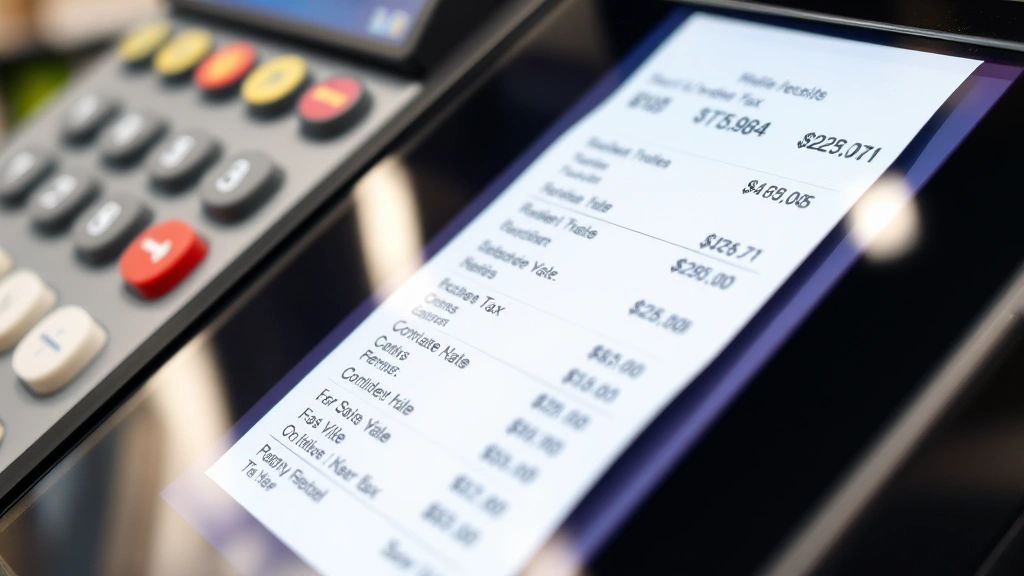
What’s Actually Taxable
Not everything you buy gets hit with sales tax, and knowing the difference can help you budget smarter. Here’s what typically IS taxable in Santa Ana:
- Clothing and shoes (with rare exceptions for items under certain prices in some states, but California taxes all apparel)
- Electronics and appliances
- Furniture and home goods
- Restaurant meals and prepared foods
- Most services (haircuts, repairs, professional services)
- Motor vehicles and parts
- Gasoline and fuel
The tricky part? Some items that seem like they should be taxed aren’t. Understanding these nuances helps you avoid sticker shock at checkout.
Common Tax Exemptions
This is where smart shoppers save money. Several categories are exempt from sales tax in Santa Ana and throughout California:
- Groceries: Unprepared food items like raw vegetables, fruits, meat, and bread are not taxed. But prepared foods, hot foods, and anything from a deli counter? That’s taxed.
- Prescription Medications: Medicines prescribed by a doctor are exempt, but over-the-counter drugs and vitamins are taxed.
- Medical Equipment: Items like wheelchairs, crutches, and oxygen equipment used for medical purposes may be exempt (though this requires documentation).
- Educational Materials: Some textbooks and educational supplies used in schools are exempt, but this varies.
- Farm Equipment: Equipment used directly in agricultural production is exempt.
If you’re running a business or buying in bulk, you might qualify for a resale certificate, which exempts you from paying sales tax on items you’re purchasing for resale. This is huge for retailers and wholesalers—it’s essentially a pass-through tax system where the end consumer pays, not the middleman.
Business Seller Compliance
If you’re selling anything in Santa Ana—whether it’s a brick-and-mortar shop, an online store, or services—you need to collect and remit sales tax. This is non-negotiable, and the penalties for getting it wrong are steep.

Here’s what you need to do:
- Get a Seller’s Permit: Before you sell anything, register with the CDTFA. This is free and takes about 15 minutes online.
- Collect the Right Amount: You must collect 8.25% on taxable sales. Using outdated rates or miscalculating is not an excuse.
- File Returns: Depending on your sales volume, you’ll file monthly, quarterly, or annually. Most small businesses file monthly.
- Pay What You Owe: Sales tax you collect isn’t your money—it belongs to the state and county. Failing to pay is considered tax fraud.
- Keep Records: Document everything. The CDTFA can audit you, and you’ll need receipts, invoices, and sales records to back up your filings.
If you’re selling through platforms like Amazon, Shopify, or eBay, these companies often handle some of the tax collection for you, but you’re still ultimately responsible. Don’t assume the platform is doing it correctly—verify your settings and filings.
For more details on managing your tax obligations, check out our guide on how to pay California state taxes online.
Online Shopping Rules
This is where things have changed dramatically in recent years. Thanks to the Supreme Court’s South Dakota v. Wayfair decision in 2018, online retailers now have to collect and remit sales tax in California, even if they don’t have a physical location here.
What this means for you:

- You’ll Pay Tax on Most Online Purchases: Whether you’re buying from Amazon, Walmart.com, or a small retailer’s website, if they have nexus in California (which most major retailers do), they collect 8.25% sales tax for Santa Ana purchases.
- Out-of-State Sellers Still Matter: Some small sellers might not collect California tax. If this happens, you’re technically responsible for paying “use tax” on your state return—but honestly, most people don’t and the state rarely pursues individuals for this.
- Check Your Cart: Before you buy online, look at the tax line. It should show the correct rate for your delivery address.
- Marketplace Facilitators: Amazon, eBay, and Etsy collect tax on behalf of their sellers. This makes compliance easier but means you’ll see tax added at checkout.
If you’re buying something for delivery outside California, you typically won’t pay California sales tax—but you might owe tax in the destination state. This is especially important if you’re ordering to another state for a business.
How to File and Pay Sales Tax
If you’re a business owner in Santa Ana, here’s the practical process:
- Register Online: Go to CDTFA Online Services and create an account.
- File Your Return: Log in monthly (or quarterly, depending on your assignment) and report your gross sales and taxable sales. The system calculates what you owe.
- Pay Electronically: You can pay through the same portal using ACH, credit card, or debit card. Electronic payment is now required for most businesses.
- Keep Copies: Download and save your filed returns. You’ll need these for your records and for any accountant or auditor.
- Set Aside Funds: Don’t spend the sales tax you collect. Set it aside in a separate account so you’re not scrambling when the bill comes due.
The due date is typically the last day of the following month (so January sales are due by February 28). If you miss the deadline, penalties and interest start accruing immediately. If you know you can’t pay on time, contact the CDTFA before the due date—they’re sometimes willing to work with you.
Related: Learn more about checking your California income tax refund status to understand the broader California tax system.
Helpful Resources
You don’t have to figure this out alone. Here are the authoritative sources I recommend:
- California Department of Tax and Fee Administration (CDTFA): The official source for all sales tax information, rates, and regulations.
- California Secretary of State: Information on business registration and permits.
- Sales Tax in Orange County CA: Our detailed guide covering the broader Orange County tax landscape.
- Orange County Transportation Authority (OCTA): They manage some local tax allocations for transportation.
- Santa Ana City Website: The city publishes local tax ordinances and updates.
If you’re running a business and feeling overwhelmed, consider hiring a bookkeeper or CPA. The cost of professional help is often less than the penalties and interest you’ll pay if you mess up your tax filings.
Frequently Asked Questions
Is Santa Ana sales tax higher than other California cities?
No, 8.25% is actually moderate for California. Some areas hit 10% or higher. For example, sales tax in Fresno, CA is 8.625%, which is slightly higher. Los Angeles and San Francisco have even higher rates. Santa Ana is relatively affordable on the tax front.
Do I pay sales tax on groceries in Santa Ana?
Not on unprepared groceries. Raw vegetables, fruits, uncooked meat, and bread are tax-exempt. But prepared foods, hot foods from a deli, and anything ready-to-eat is taxed at 8.25%.
What if I buy something online from out of state?
If the retailer has nexus in California (which most do), they collect 8.25% sales tax for Santa Ana delivery. If they don’t, you technically owe use tax, but enforcement against individuals is rare. For businesses, this is treated more seriously.
Can I get a refund if I overpaid sales tax?
If a business overcharged you sales tax, you can request a refund from that business. If you overpaid to the state, you can file a claim with the CDTFA, but this is rare and requires documentation.

Do I need a resale certificate to avoid paying sales tax?
Yes, if you’re buying items for resale. You apply for a resale certificate through the CDTFA, and then you don’t pay sales tax when you purchase inventory. You collect tax from your customers instead. This is critical for retailers and wholesalers.
What happens if I don’t collect or pay sales tax as a business owner?
The penalties are serious: interest on unpaid amounts (currently around 5% annually), plus penalties that can reach 25% of the unpaid tax. For egregious cases, the CDTFA can pursue criminal charges. Don’t ignore this.
Is there a sales tax on cars purchased in Santa Ana?
Yes, vehicle purchases are subject to sales tax at 8.25%, though the tax is calculated on the purchase price or fair market value, whichever is higher. This applies to new and used cars. For more on this topic, see our guide on sales tax on cars (though that covers Connecticut, the principles are similar).
When did Santa Ana’s sales tax rate change to 8.25%?
The current rate has been stable for several years, but rates can change with local ballot measures. Always verify the current rate with the CDTFA before making assumptions, especially if you’re planning a major business decision.
Bottom Line
Sales tax in Santa Ana CA isn’t complicated once you understand the basics. The 8.25% rate applies to most purchases, there are specific exemptions for groceries and medications, and if you’re a business owner, you need to register, collect, and remit the tax correctly. The resources are out there—the CDTFA website is your friend, and professional help is worth the investment if you’re running a business.
The key is to stay informed and proactive. Tax rules change, rates can shift, and compliance requirements evolve. If you’re a Santa Ana resident or business owner, bookmark the CDTFA website, understand what’s taxable in your situation, and don’t hesitate to ask questions. Getting this right saves you money and keeps you out of trouble with the state.


