

Understanding Sangamon County IL property tax is essential for homeowners and investors who want to keep more money in their pockets. Whether you’re a longtime resident of Springfield or new to the area, property taxes can feel like a mystery wrapped in confusing assessments and mysterious rate changes. Let’s break down exactly how these taxes work, what you’re actually paying for, and most importantly, what you can do to reduce your burden.
Table of Contents
Understanding Sangamon County Tax Rates
Sangamon County property tax rates fluctuate based on local government budgets and assessed property values. In Illinois, ad valorem taxation means you pay taxes based on your property’s assessed value, not a flat fee. The county assessor determines this value every three years during the reassessment cycle, though some properties get reassessed annually depending on market conditions.
Currently, Sangamon County’s effective property tax rate hovers around 0.85% to 1.10% of assessed value annually, though this varies significantly by municipality within the county. Springfield proper tends to have different rates than smaller towns like Chatham or Pleasant Plains. Your actual bill depends on three factors: assessed value, the tax rate in your specific taxing district, and any exemptions you qualify for.
The Sangamon County Assessor’s office maintains detailed records on their website, and you can request a property record card showing your assessed value. If you haven’t reviewed yours in the past year, now’s the time to do it.
How Property Assessment Works
The assessment process is where most property owners feel lost. Here’s the reality: your home’s assessed value isn’t the same as what it would sell for on the open market. Illinois uses something called the “assessment level,” which is typically 33.33% of fair market value for residential properties. So if your home would sell for $300,000, the assessed value might be around $100,000.
Assessors use comparable sales data, property condition, square footage, lot size, and recent renovations to determine value. They’re supposed to be objective, but mistakes happen constantly. I’ve seen properties assessed higher than similar homes on the same street simply because the assessor made a data entry error or didn’t account for recent repairs.
The reassessment happens in a three-year cycle in Sangamon County. Year one is the “base year,” year two involves adjustments, and year three finalizes values. You’ll receive a Notice of Assessment before values become official, giving you a window to challenge inaccuracies.
Ad Valorem Taxation Explained
If you want to understand Sangamon County IL property tax deeply, you need to grasp ad valorem taxation. This Latin term means “according to value,” and it’s the backbone of how Illinois property taxes work.

Ad valorem means your tax bill is directly proportional to your property’s assessed value. A $200,000 assessed property pays roughly twice what a $100,000 assessed property pays. This differs from flat fees or per-unit taxes. The advantage is that theoretically, more valuable properties contribute more to public services. The disadvantage is that assessment errors hit you harder.
Illinois uses this system for all real property, and Sangamon County follows state guidelines. Understanding this concept helps you see why challenging an inflated assessment can save you thousands over time—if your assessment is 10% too high, you’re overpaying by 10% every single year until the next reassessment cycle.
Where Your Money Goes
Your property tax bill doesn’t go to just one entity. It’s split among multiple taxing districts: the county government, school districts, municipalities, library systems, fire protection districts, and special service areas. In Springfield, you might have 8-12 different taxing bodies taking a cut.
The largest portion typically goes to schools—often 40-50% of your total bill. The remaining funds support county services, municipal infrastructure, emergency services, and libraries. This is why property taxes in areas with excellent schools tend to be higher.
You can request a detailed breakdown of your bill from the Sangamon County Assessor or Collector. Understanding which entities are taking what helps you see where to direct complaints or requests for efficiency. If you’re unhappy with school funding, that’s a school board issue. If roads are neglected, that’s a municipal issue.
Challenging Your Assessment
This is where most homeowners give up too early. You have the right to appeal your assessment, and you don’t need a lawyer to do it. The process involves filing a form with the Sangamon County Board of Review, typically between January 1 and February 15 each year.
To build a strong case, gather evidence: recent appraisals, comparable sales data for similar homes in your area, photos documenting property condition, and documentation of any defects or needed repairs. If your assessed value is significantly higher than comparable properties, you have a strong argument.

The Board of Review meets in Springfield to hear appeals. You can present your case in person or submit written evidence. Many homeowners successfully reduce assessments by 5-15% through this process. Even a 5% reduction saves you money every year until the next reassessment.
If the Board denies your appeal, you can escalate to the Illinois Property Tax Appeal Board (PTAB), though this requires more formal procedures and possibly legal representation.
Available Tax Exemptions
Illinois offers several exemptions that reduce your taxable assessed value. The most common is the homestead exemption, which provides a $6,000 reduction in assessed value for owner-occupied homes. That might not sound like much, but it saves roughly $60-80 per year depending on your tax rate.
Other exemptions include:
- Senior exemption: Additional reduction for homeowners 65 and older
- Disabled person exemption: For those with disabilities
- Veteran exemption: For qualifying military service members
- Agricultural exemption: For working farmland
- Nonprofit exemption: For qualifying religious and charitable organizations
You must apply for these exemptions through the Sangamon County Assessor’s office. They don’t happen automatically. Many people leave money on the table simply because they didn’t know to apply.
Proven Strategies to Lower Taxes
Beyond exemptions and appeals, several legitimate strategies reduce your property tax burden:
1. Challenge inflated assessments annually. Even if you appealed last year, market conditions change. If comparable homes have decreased in value, your assessment should too.
2. Document property defects. Structural issues, outdated systems, or needed repairs legitimately lower assessed value. Have these documented by professionals.
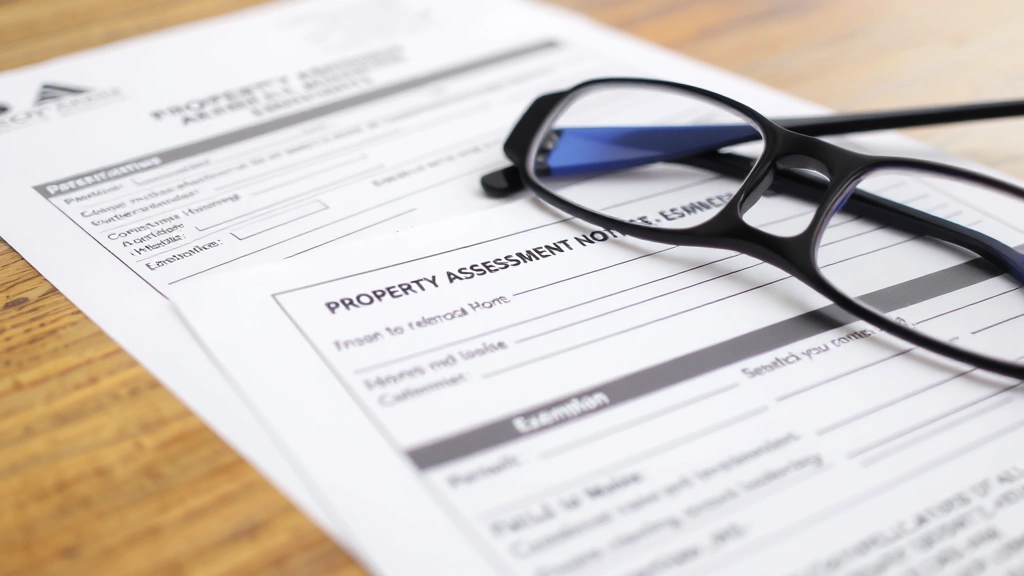
3. Monitor your notice of assessment. When you receive it, compare it immediately to your previous assessment. Sudden jumps warrant investigation.
4. Explore income-based credits. Illinois offers property tax relief for low-income homeowners through the circuit breaker program. Check eligibility at the Illinois Department of Revenue website.
5. Consider timing on home improvements. Major renovations increase assessed value. If possible, complete them after the reassessment year rather than before.
6. Know your district’s exemptions. Some municipalities offer additional local exemptions beyond state requirements. Ask the Assessor’s office.
Homestead Exemption Benefits
The homestead exemption deserves special attention because it’s the easiest tax break to claim and many homeowners overlook it. In Illinois, the exemption reduces your home’s assessed value by $6,000 (or $8,000 in some counties), which translates to roughly $60-100 annual savings depending on your tax rate.
To qualify, you must own and occupy the property as your primary residence on January 1 of the tax year. You apply through the Sangamon County Assessor’s office, and once approved, it continues automatically each year—you don’t need to reapply.

The form is simple and takes 10 minutes. If you haven’t claimed this exemption, contact the Assessor immediately. Some people have been leaving thousands on the table over years by simply not knowing this existed.
Frequently Asked Questions
When are Sangamon County property taxes due?
Property taxes in Sangamon County are typically due in two installments: the first half is due around June 1, and the second half is due around September 1. The exact dates vary slightly, so check your bill for specific deadlines. Late payments incur penalties and interest.
Can I appeal my assessment if I just bought my home?
Yes, you can appeal even as a new owner. In fact, newly purchased homes sometimes get reassessed to current market value, which might be higher than the previous assessment. If you believe the new assessment is too high, you have the right to appeal during the designated period.
What’s the difference between assessed value and market value?
Market value is what your home would sell for on the open market. Assessed value is typically 33.33% of that in Illinois and is used to calculate taxes. So a $300,000 market value home might have a $100,000 assessed value. This lower assessment level protects homeowners from paying taxes on the full market value.
How often does Sangamon County reassess properties?
Sangamon County follows Illinois’s three-year reassessment cycle. Your property gets reassessed once every three years, though the county may conduct annual reviews. During reassessment years, you’ll receive a Notice of Assessment showing the new value.
Are there tax breaks for seniors in Sangamon County?
Yes. Homeowners 65 and older can claim the senior exemption in addition to the homestead exemption. This provides additional assessed value reduction. You must apply through the Assessor’s office, and income limits may apply.
What happens if I disagree with the Board of Review’s decision?
If the Board of Review denies your appeal, you can file with the Illinois Property Tax Appeal Board (PTAB) within 30 days. This process is more formal and may require an attorney or professional appraiser, but it’s available if you believe the Board made an error.
Can I get a property tax deferral in Illinois?
Illinois offers the Property Tax Deferral Program for homeowners 65 and older or disabled homeowners with low incomes. This allows you to defer paying property taxes, with the amount becoming a lien on your property. Interest accrues, so this is a last-resort option.
How do I find comparable sales data for my home?
The Sangamon County Assessor’s office maintains public records of recent sales. You can also use sites like Zillow, Redfin, or the Multiple Listing Service (MLS) to find comparable homes. Real estate agents can provide detailed market analysis if you’re serious about an appeal.
Final Thoughts on Sangamon County Property Tax
Understanding Sangamon County IL property tax isn’t glamorous, but it’s genuinely one of the most effective ways to keep money in your pocket. Most homeowners pay more than they should simply because they don’t know the system works or assume their assessment is correct.
Start with three actions: First, verify you’re claiming the homestead exemption. Second, get a copy of your property record card from the Assessor’s office and compare it to similar homes nearby. Third, mark your calendar for the next assessment period and file an appeal if your value seems inflated.
The Illinois Department of Revenue website offers additional resources, and your local Assessor’s office staff can answer specific questions about your property. Don’t be intimidated by the process—you’re simply advocating for accurate taxation, which is your right.
For broader context on how Illinois taxes work, check out information on Illinois state sales tax on cars to see how the state’s tax system functions across different categories. You can also compare your situation to other counties by reviewing guides on Denver County property tax or Greene County MO property tax to understand how rates vary regionally.
Property taxes will remain part of homeownership, but informed homeowners pay less. Take control of your assessment, claim available exemptions, and challenge inflated values. Your wallet will thank you.


