

If you own property in Santa Clara, California, you need to understand how to Santa Clara pay property tax efficiently—because these bills can take a serious bite out of your wallet. Property taxes in Santa Clara County are among the highest considerations for homeowners, and knowing the rules, deadlines, and strategies to reduce your burden isn’t just helpful; it’s essential financial planning.
Table of Contents
Understanding Santa Clara Property Tax Basics
Property taxes in Santa Clara County work differently than in many other parts of the country. California’s unique tax system, governed largely by ad valorem taxes (taxes based on property value), means you’re paying a percentage of your home’s assessed value annually. For Santa Clara County specifically, the base tax rate is 1% of the assessed value, plus any voter-approved bonds or assessments on top of that.
Unlike states that reassess property values frequently, California—thanks to Proposition 13—locks in your assessment at the time of purchase and only allows it to increase by 2% annually (or less) until the property changes ownership. This is actually a huge advantage for long-time homeowners, but it also means understanding the system is critical.
How Property Tax Gets Calculated Here
The math behind your Santa Clara property tax bill isn’t as simple as multiplying your home’s market value by 1%. Here’s the real breakdown:
Step 1: The county assessor determines your property’s assessed value (typically based on recent comparable sales or your purchase price if recently bought).
Step 2: That assessed value is multiplied by the tax rate (1% base rate plus any local assessments).
Step 3: Additional charges are added—these might include school bonds, flood control assessments, or other voter-approved measures specific to your area.
For example, if your home’s assessed value is $800,000, your base property tax would be $8,000 per year. But add in typical Santa Clara County assessments and bonds, and you might be looking at $9,200 or more annually. That’s roughly $770 per month—money that needs to fit into your budget.
Payment Deadlines and Methods
Missing a property tax deadline in Santa Clara isn’t just inconvenient—it costs you real money in penalties and interest. Here’s what you need to know:
Key Dates: Property taxes are due in two installments. The first installment (covering July–December of the previous fiscal year) is due by November 30th. The second installment (January–June) is due by April 10th. If you miss either deadline, a 10% penalty kicks in immediately, plus interest accrues daily.
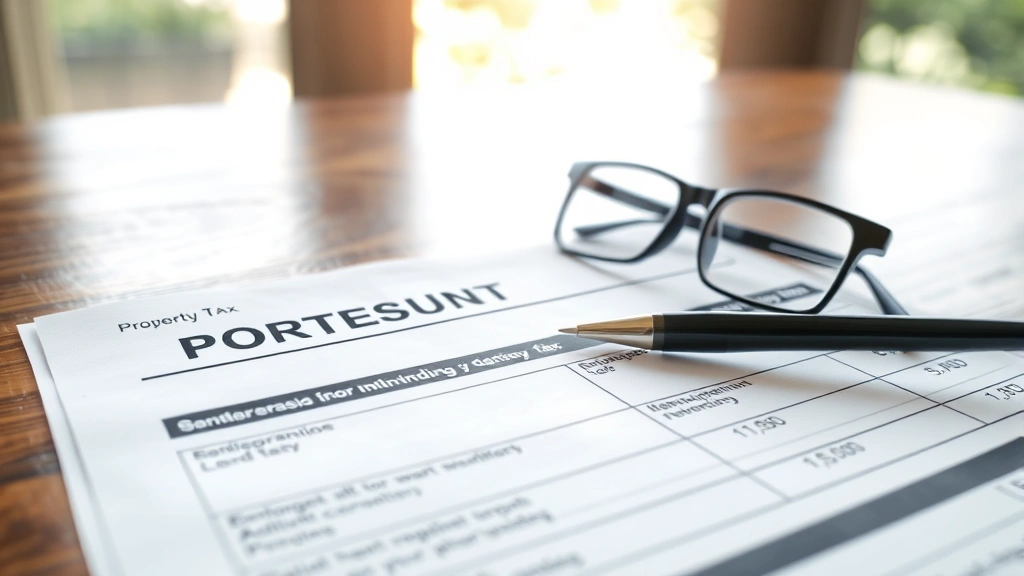
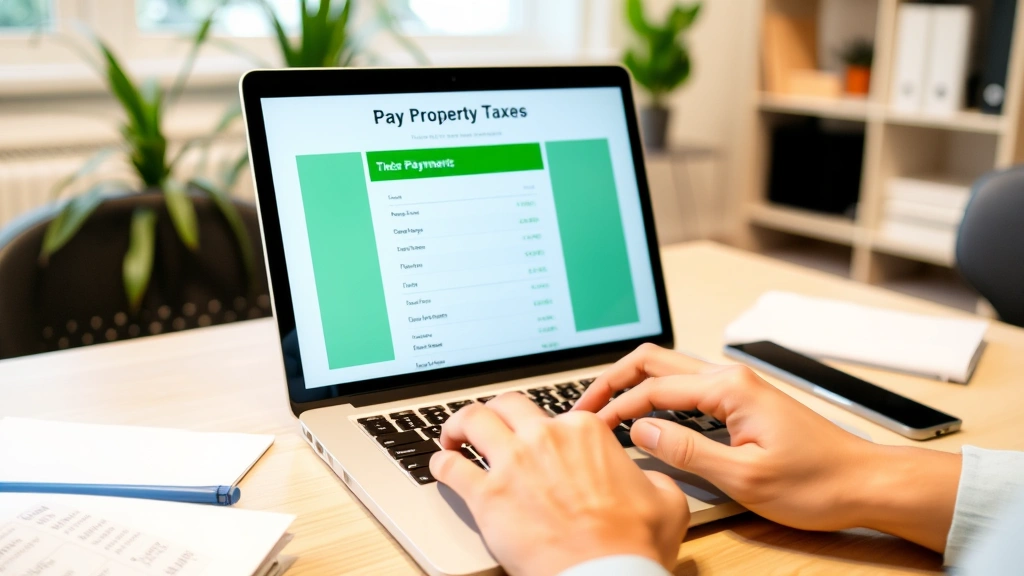
Payment Methods: You can pay online through the Santa Clara County Tax Collector’s website, by mail, in person at their office, or through an authorized payment processor. Many homeowners set up automatic payments to avoid the stress of remembering dates.
Pro tip: If you have a mortgage, your lender might be handling these payments through your escrow account. Check your loan documents to confirm—you don’t want to pay twice.
Proposition 13 and Your Assessment
Proposition 13, passed in 1978, fundamentally changed California property taxes. Here’s why it matters for your Santa Clara property tax situation:
Your home’s assessed value is locked in at the purchase price (or the market value at the time you bought). From there, it can only increase by a maximum of 2% per year, regardless of how much your home’s actual market value climbs. This is incredible if you bought your home 20 years ago—your assessed value might be half of what your home is actually worth today.
However, Prop 13 resets the clock whenever the property changes ownership. If you sell and buy a new home, the new assessed value starts fresh at the purchase price. This is why understanding California’s tax implications for major life changes is so important.
5 Proven Ways to Save Money on Your Bill
1. File a Proposition 8 Application for Declining Values
If your home’s market value has dropped significantly (usually due to market downturns), you can file a Prop 8 application to get your assessed value reduced. This requires proving that your property is worth less than the current assessed value. You’ll need recent appraisals or comparable sales data. The county assessor’s office provides forms and instructions—it’s a legitimate way to lower your tax burden if the numbers support it.
2. Look Into Available Exemptions
Several exemptions exist that can reduce your taxable value. The Homeowners’ Exemption, for instance, exempts $7,000 of your home’s assessed value if it’s your primary residence. That translates to roughly $70 in annual tax savings. It’s not huge, but it’s free money if you qualify and haven’t already claimed it. Other exemptions exist for seniors, disabled individuals, and veterans—check with the assessor’s office to see what applies to you.
3. Challenge Your Assessment Through the Formal Appeal Process
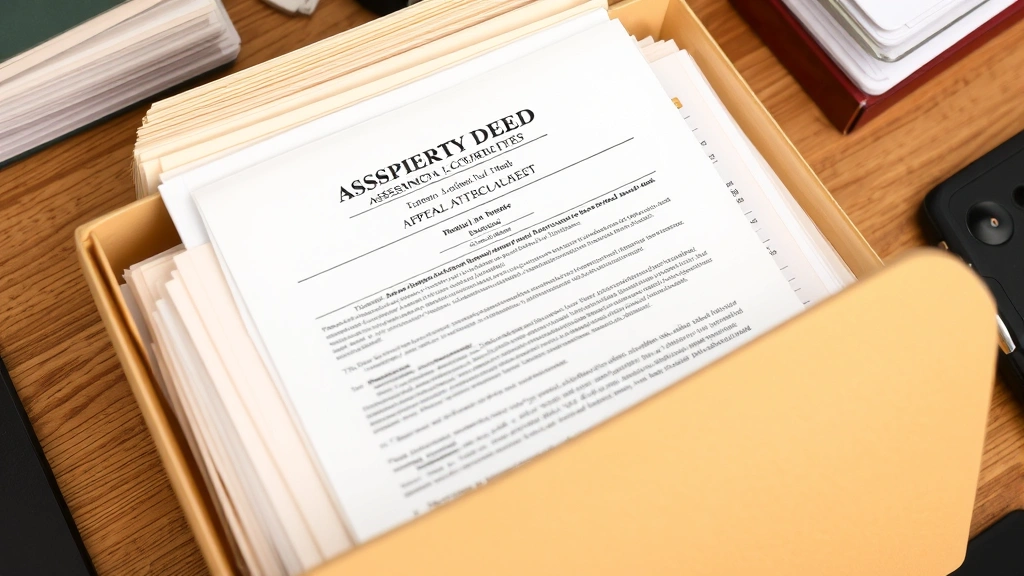
If you believe your assessed value is too high, you have the right to appeal. You’ll need to gather evidence—recent appraisals, comparable property sales in your neighborhood, or documentation of property defects that reduce value. The appeal process is free, though hiring a property tax consultant costs money (typically $300–$1,500). For high-value properties, this investment often pays for itself in reduced taxes.
4. Understand and Claim All Applicable Deductions
While property taxes themselves aren’t deductible at the federal level for most taxpayers (due to SALT cap limitations), some states and localities offer property tax relief programs. Additionally, if you’re renting out a portion of your property or using it for business, you may have deductions available. Consult a tax professional to ensure you’re not leaving money on the table.
5. Monitor Assessment Notices Carefully Each Year
The county sends assessment notices annually. Read them carefully—errors happen. If you notice your assessed value jumped more than the 2% Prop 13 allows, or if your property details are wrong (square footage, lot size, etc.), contact the assessor immediately. Simple documentation errors can sometimes be corrected without a formal appeal, saving you time and stress.
Tax Exemptions You Might Qualify For
Beyond the Homeowners’ Exemption, Santa Clara County offers several other breaks:
Senior Exemption: If you’re 65 or older and meet income limits, you may qualify for additional exemptions or deferrals. This allows you to postpone paying a portion of your property taxes, with the amount becoming a lien on your estate.
Disabled Person Exemption: Similar income-based relief exists for disabled individuals. The exemption amount varies based on your specific circumstances.

Veteran Exemptions: Disabled veterans may qualify for exemptions ranging from $4,000 to $8,000 of assessed value, depending on the severity of their service-connected disability.
Agricultural/Open Space Exemptions: If your property qualifies as agricultural or open space land, you might be assessed at a much lower rate than residential property.
The key is knowing these exist and filing the proper paperwork before deadlines. The assessor’s office has staff dedicated to helping people understand what they qualify for—use this free resource.
How to Appeal Your Assessment
If you’re convinced your property is assessed too high, here’s the formal process:
Step 1 – File a Formal Appeal: You have until the filing deadline (usually in late July or early August following the assessment notice) to file a formal appeal with the Assessment Appeals Board. The form is available on the county assessor’s website.
Step 2 – Gather Your Evidence: Compile documentation supporting your claim. This might include recent professional appraisals, comparable property sales, inspection reports showing defects, or photographs documenting property damage.
Step 3 – Attend Your Hearing: You’ll be scheduled for a hearing before the Appeals Board. You can represent yourself or hire a property tax consultant. Present your evidence clearly and calmly—board members hear these cases regularly and respond to solid documentation.
Step 4 – Receive a Decision: The board will issue a decision within a set timeframe. If you disagree with the outcome, you have further appeal rights, though pursuing this typically requires legal representation.
The entire process is free if you represent yourself. Many homeowners successfully reduce their assessments by 5–15% through appeals, which translates to hundreds of dollars in annual savings.
Common Mistakes to Avoid
Mistake 1: Ignoring Assessment Notices
Too many homeowners toss their assessment notices without reading them. These notices contain critical information about your assessed value and appeal deadlines. Missing the appeal deadline means you’re stuck with that assessment for another year.
Mistake 2: Confusing Market Value with Assessed Value
Your home might be worth $1.5 million on the open market, but your assessed value (what you’re taxed on) might be $900,000 if you bought it years ago. Don’t assume your property tax is based on current market value—it’s not.
Mistake 3: Paying Late Without Understanding Penalties
A 10% penalty plus daily interest compounds quickly. A $9,000 tax bill becomes $9,900 plus interest within days of the deadline. Set calendar reminders or authorize automatic payments.
Mistake 4: Not Claiming Available Exemptions
The Homeowners’ Exemption alone saves $70 annually for most homeowners. It’s not much, but multiply that by 30+ years of ownership, and you’re looking at real money you’re leaving on the table.
Mistake 5: Assuming You Can’t Challenge Your Assessment
Many homeowners believe property tax assessments are final and unchangeable. They’re not. You have rights, and using them can save thousands of dollars over your ownership period.
Frequently Asked Questions
What’s the current property tax rate in Santa Clara County?
The base rate is 1% of assessed value, plus voter-approved assessments and bonds that vary by location. Most properties end up paying between 1.15% and 1.35% of assessed value annually. Check your property tax bill for your specific rate, as it varies by neighborhood and school district.
Can I deduct my Santa Clara property taxes on my federal return?
Federal law limits the State and Local Tax (SALT) deduction to $10,000 per year. If your combined state income taxes and property taxes exceed $10,000, you can only deduct up to the $10,000 cap. Many high-value property owners in Santa Clara hit this limit, making other tax strategies important.
What happens if I pay my property taxes late?
A 10% penalty applies immediately if you miss the deadline. Interest accrues daily after that at the rate set by California (currently around 0.5% per month, but this varies). For a $9,000 bill, paying two months late could cost you $1,000+ in penalties and interest alone.
How often does the county reassess property values?
Under Proposition 13, properties are reassessed annually, but the increase is capped at 2% per year unless the property changes ownership. New purchases are assessed at current market value, which resets the cycle.
Are there payment plans if I can’t pay in full?
Yes. The Santa Clara County Tax Collector offers installment plans for taxpayers who can’t pay the full amount by the deadline. Contact their office to discuss options—it’s better to set up a plan than to let penalties and interest accumulate.
What’s the difference between assessed value and market value?
Market value is what your home would sell for today. Assessed value is what the county uses to calculate your taxes, and it’s capped at your purchase price plus 2% annual increases (under Prop 13). For long-time homeowners, assessed value is often significantly lower than market value.
Final Thoughts on Managing Your Bill
Understanding how to Santa Clara pay property tax strategically separates homeowners who waste money from those who keep more of their income. You’re not trying to avoid your fair share—property taxes fund schools, roads, and emergency services we all depend on. But you’re also not obligated to pay more than you owe.
Start by reading your assessment notice carefully. Check for errors. If your property’s details are wrong or your assessed value seems out of line, file an appeal. Look into exemptions you might qualify for. Set up automatic payments so you never miss a deadline and rack up penalties. And if you’re considering buying property in Santa Clara, factor in property taxes as a major ongoing cost—they’re not going away.
If you’re confused about any aspect of the process, the Santa Clara County Assessor’s office has staff available to answer questions. It’s a free resource, and using it could save you thousands of dollars over your ownership period. That’s a conversation worth having.


