

Understanding Santa Cruz property tax is one of the smartest moves you can make as a homeowner or property investor in this beautiful California coastal county. Property taxes might not be the most exciting topic, but they’re one of the largest expenses you’ll face, and knowing how they work could save you thousands of dollars over your lifetime.
Table of Contents
How Santa Cruz Property Tax Works
Santa Cruz County property taxes operate under California’s unique system, which differs significantly from most other states. When you own property in Santa Cruz County, you’re subject to property taxes based on the assessed value of your property. Unlike many states where assessments happen frequently, California’s system is more favorable to long-term homeowners.
The Santa Cruz County Assessor’s Office is responsible for determining property values and sending out assessment notices. Your property tax bill is calculated by multiplying your assessed value by the tax rate, which is set by the county and local jurisdictions. This rate typically hovers around 0.76% to 1.25% of assessed value, depending on your specific location and which special districts serve your property.
What makes Santa Cruz property tax somewhat unique is the influence of coastal property values. Santa Cruz County includes some of California’s most desirable real estate, which can drive assessments higher. However, understanding the rules can help you manage these costs effectively.
Understanding Proposition 13
Proposition 13, passed in 1978, is the foundation of California’s property tax system and directly affects your Santa Cruz property tax bill. This landmark legislation caps the property tax rate at 1% of assessed value and limits annual increases in assessed value to 2% per year, regardless of how much your property’s market value increases.
Here’s why this matters: if you bought your home for $500,000 and it’s now worth $1.2 million, your assessed value won’t jump to match the current market price. Instead, it increases by only 2% annually until the property is sold. When you sell, the property is reassessed at current market value, and the new owner’s taxes reset based on the purchase price.
This protection is enormous for long-term homeowners. A neighbor who bought their home 20 years ago might pay significantly less in property taxes than someone who just purchased an identical home next door. It’s one of the reasons Californians are often reluctant to move—selling means losing your favorable assessment base.
Calculating Your Property Tax
To understand your Santa Cruz property tax bill, you need to know the basic formula. Your property tax equals your assessed value multiplied by the combined tax rate. The assessed value is typically the lower of either the purchase price or the current market value, with the 2% annual cap applied.
Let’s work through an example. Suppose you purchased a home in Santa Cruz for $600,000 five years ago. Your initial assessed value was $600,000. With the 2% annual increase, your current assessed value would be approximately $662,400. If the combined tax rate in your area is 1.15%, your annual property tax bill would be around $7,618.
However, your actual bill might be higher because special assessments and bonds can add to the base 1% rate. Many Santa Cruz properties have assessments for schools, flood control, library services, and other local improvements. These can add 0.25% to 0.50% or more to your effective tax rate. You’ll see these itemized on your tax bill as separate line items.
The Santa Clara County Property Tax Lookup tool (available through county records) can help you verify your assessed value and see what’s included in your bill. It’s worth checking annually to ensure accuracy.
Assessment Appeals Process
If you believe your property has been over-assessed, you have the right to appeal through Santa Cruz County’s formal process. This is one of the most underutilized ways to reduce your property tax burden. Many homeowners don’t realize they can challenge their assessment, which means they’re leaving money on the table.
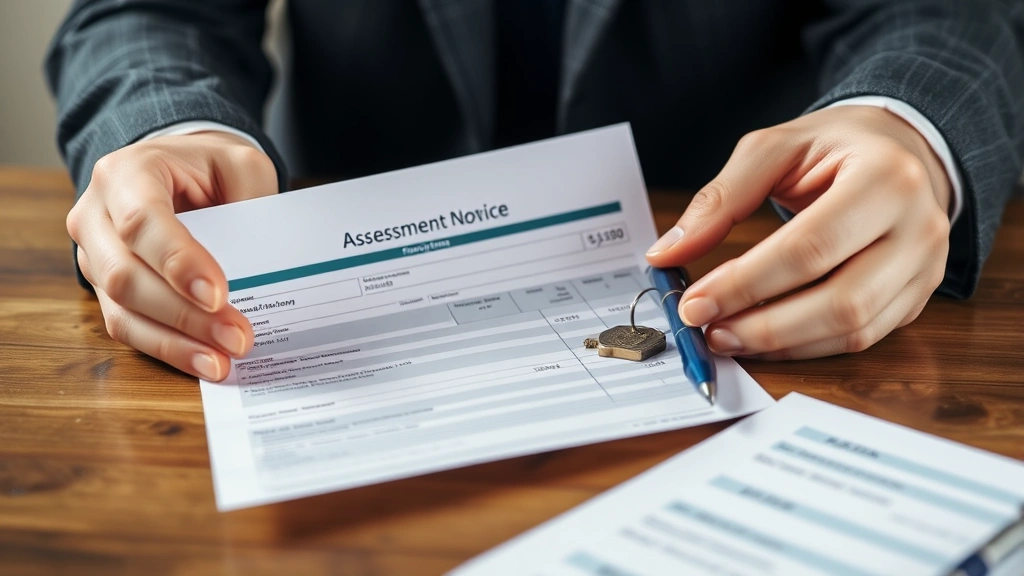
The appeal process typically begins with the Assessor’s office. You can request a review of your assessment if you believe it’s incorrect due to errors in the property description, overvaluation compared to similar properties, or if the property has declined in value. The best time to file is usually within 30 days of receiving your assessment notice, though you may have up to the assessment roll deadline.
To strengthen your appeal, gather comparable sales data for similar properties in your area that sold recently. You can hire a property tax consultant or appraiser to help build your case. If the Assessor denies your appeal, you can further appeal to the Assessment Appeals Board, which is an independent body that reviews disputed assessments.
Many Santa Cruz homeowners successfully reduce their assessments by 5-10% through this process, especially during market downturns or if they can prove their property has physical defects not reflected in the assessment.
Homeowner Exemptions Available
California law provides a homeowner exemption that reduces the assessed value of your primary residence by $7,000. This might not sound like much, but it effectively saves you about $70-$115 per year in property taxes (depending on your tax rate). While modest, it’s money you shouldn’t leave unclaimed.
To claim this exemption, you must file an application with the Santa Cruz County Assessor’s office. The exemption applies to the property you occupy as your principal residence on January 1st of the assessment year. If you own multiple properties, you can only claim the exemption on one of them.

The exemption is automatic in some cases if you’ve owned the property for a while, but if you’ve recently purchased or inherited property, you’ll need to file the paperwork. Many homeowners miss this because they assume it’s applied automatically. Don’t make that mistake—contact the Assessor’s office or check their website to ensure you’re receiving this benefit.
Additionally, if you’re a senior citizen (over 65), disabled, or a veteran, you may qualify for additional property tax relief programs beyond the standard homeowner exemption. These programs can provide significant savings.
Senior and Veteran Benefits
Santa Cruz County offers special property tax relief for seniors, disabled individuals, and veterans, which can substantially lower your Santa Cruz property tax burden. The Disabled and Senior Citizens Property Tax Postponement Program allows eligible homeowners to postpone payment of property taxes on their primary residence.
To qualify for senior benefits, you must be 55 or older, have owned your home for at least 20 years, and meet income requirements. The program allows you to defer taxes until you sell the property or pass away, at which point the deferred taxes become a lien against the estate. This can free up significant monthly cash flow during retirement.
Veterans may qualify for a $4,000 exemption on the assessed value of their property if they’ve served during wartime and meet residency requirements. This translates to roughly $40-$50 in annual tax savings. Disabled veterans with service-connected disabilities rated at 100% by the VA may qualify for even greater relief.
To apply for these programs, contact the Santa Cruz County Assessor’s office directly. You’ll need to provide documentation of your status, and the application process is straightforward. Many eligible residents don’t claim these benefits simply because they’re unaware they exist.
Special Districts and Assessments
Your Santa Cruz property tax bill likely includes charges from special districts beyond the basic county tax. These might include school districts, fire protection districts, water agencies, and community services districts. Each adds its own assessment to your bill, which is why your effective tax rate can exceed the 1% Proposition 13 cap.
Understanding these assessments is crucial because some are permanent, while others are temporary bonds that will eventually expire. Your tax bill should itemize these separately. School district taxes are typically the largest component after the base property tax, often adding 0.40% to 0.60% to your effective rate.

Some assessments are based on property value, while others are based on acreage or fixed per-parcel amounts. Benefit assessment districts (like those for flood control or road improvements) may charge based on the property’s benefit from the improvement. It’s worth reviewing your bill line-by-line to understand what you’re paying for and whether all charges are appropriate.
If you believe a special assessment is incorrect or unfair, you may have appeal rights specific to that assessment. The deadline for appealing special assessments is often earlier than for general property tax appeals, so act quickly if you notice an error.
Property Tax Reduction Strategies
Beyond appeals and exemptions, several strategies can help reduce your Santa Cruz property tax burden. One approach is understanding what ad valorem taxes are and how they function in your specific situation, as this knowledge helps you identify planning opportunities.
If you’re considering a major home improvement, timing matters. Improvements that increase your home’s value will trigger a reassessment. If possible, complete major renovations early in the assessment year rather than late, giving you more time before the next reassessment occurs.
For investment properties, consider whether a 1031 exchange makes sense. This strategy allows you to sell one investment property and purchase another of equal or greater value without triggering capital gains taxes. While it doesn’t directly reduce property taxes, it preserves more capital for reinvestment.
If you’re a renter considering purchasing in Santa Cruz, understand that you’ll inherit whatever assessment base the previous owner had. A property purchased at $800,000 might have an assessment base of $500,000 if the previous owner bought it decades ago. This is valuable information when evaluating whether a property is a good investment.
You can also compare Santa Cruz property tax rates with neighboring counties. If you’re considering relocating within California, understanding how Solano property tax or other regional rates compare might influence your decision.
Common Mistakes to Avoid
Many Santa Cruz property owners make preventable mistakes that cost them money. The most common is failing to file for the homeowner exemption. Thousands of dollars in potential savings are left on the table annually because homeowners assume the exemption is automatic.

Another mistake is not reviewing your assessment notice carefully. Assessment notices contain your assessed value, property description, and calculation details. If your property description is wrong (square footage, number of bedrooms, etc.), your assessment might be inflated. Errors in the property record can be corrected, potentially lowering your taxes.
Some homeowners miss appeal deadlines because they’re not paying attention to assessment notices. These deadlines are firm, and missing them means you lose your opportunity to appeal for that year. Mark your calendar when you receive your notice.
Don’t assume that because your neighbor’s house sold for a certain price, your assessment is accurate. Sales prices vary based on condition, timing, and specific property characteristics. Use multiple comparable sales when evaluating whether your assessment is fair.
Finally, avoid making major improvements right before selling. If you’re planning to sell soon, delaying improvements until after the sale means the new owner will bear the property tax increase from those improvements, not you. This is one of the hidden costs of home improvements that many people overlook.
Frequently Asked Questions
What is the current property tax rate in Santa Cruz County?
The base property tax rate in Santa Cruz County is 1% of assessed value, as mandated by Proposition 13. However, your effective rate is typically 1.15% to 1.30% when you include special district assessments for schools, fire protection, and other services. The exact rate depends on your specific location within the county.
How often is my property reassessed in Santa Cruz?
Your property is reassessed annually, with the assessed value increasing by a maximum of 2% per year (unless there’s a change of ownership). When you sell your property, it’s reassessed at the new purchase price. This means new buyers typically pay significantly higher property taxes than long-term owners.
Can I appeal my Santa Cruz property tax assessment?
Yes, absolutely. You can file an appeal with the Santa Cruz County Assessor’s office if you believe your property has been over-assessed. The appeal process typically begins within 30 days of receiving your assessment notice. You can provide comparable sales data or hire an appraiser to support your case. If the Assessor denies your appeal, you can further appeal to the Assessment Appeals Board.
What is Proposition 13 and how does it affect my taxes?
Proposition 13 limits the property tax rate to 1% of assessed value and caps annual increases in assessed value at 2% per year. This protection is massive for long-term homeowners because your taxes won’t skyrocket even if your home’s market value increases dramatically. However, when you sell, the property is reassessed at current market value.

Am I eligible for the senior property tax exemption?
You may be eligible for the Disabled and Senior Citizens Property Tax Postponement Program if you’re 55 or older, have owned your home for at least 20 years, and meet income requirements. This program allows you to defer property taxes until you sell the property or pass away. Contact the Santa Cruz County Assessor’s office to apply.
What if I disagree with my property’s assessed value?
You have the right to appeal your assessment. Gather comparable sales data for similar properties in your area that sold recently. You can submit this information to the Assessor’s office along with your appeal. If you believe the property description contains errors (square footage, number of rooms, etc.), point these out as they directly affect the assessment.
Do I need to file for the homeowner exemption?
In most cases, yes. While some long-time homeowners may have the exemption automatically applied, new homeowners must file an application with the Santa Cruz County Assessor’s office. The exemption reduces your assessed value by $7,000, saving you approximately $70-$115 annually. It’s worth the minimal effort to claim it.
What are special assessments on my property tax bill?
Special assessments are charges from local districts (schools, fire protection, water agencies, etc.) that appear as separate line items on your property tax bill. These are in addition to the base 1% property tax. They can add 0.25% to 0.50% or more to your effective tax rate, depending on your location and the specific districts serving your property.
How do I find comparable sales to challenge my assessment?
You can research comparable sales through county assessor records, real estate websites like Zillow and Redfin, and MLS databases if you have access. Look for properties similar to yours (same size, condition, location) that sold within the past 6-12 months. Your county assessor’s office can also provide comparable sales data to support your appeal.
What happens to my property taxes when I sell my home?
When you sell your home, the property is reassessed at the new purchase price. The new owner’s assessed value will be based on what they paid, and their property taxes will be calculated accordingly. This is why new buyers typically pay much higher property taxes than long-term owners of similar properties.
Final Thoughts on Managing Your Santa Cruz Property Tax
Your Santa Cruz property tax bill doesn’t have to be a mystery or an unchangeable fact of homeownership. By understanding how the system works, claiming available exemptions, and knowing when to appeal, you can significantly reduce your tax burden over time. The difference between a homeowner who takes action and one who doesn’t can easily amount to thousands of dollars over a decade.
Start by reviewing your most recent assessment notice carefully. Check that your property description is accurate, verify your assessed value makes sense compared to similar properties, and confirm you’re claiming all available exemptions. If something looks wrong, don’t hesitate to appeal—the Assessor’s office expects and handles appeals regularly.
For those with specific situations (seniors, veterans, disabled individuals), investigate the special relief programs available. For investment property owners, explore how assessment strategies and comparable county options (like those in Jackson County) might affect your overall portfolio strategy.
Remember, Proposition 13 is your friend as a long-term homeowner. The longer you own your property, the more valuable that 2% annual cap becomes. Understanding this protection and planning accordingly is one of the smartest financial moves you can make in California real estate.


