

The Sonoma County CA tax collector handles property tax assessments, collections, and payments for one of California’s most desirable regions. Whether you’re a homeowner, business owner, or investor, understanding how to work with the Sonoma County tax collector’s office can save you time, money, and stress. This guide walks you through everything you need to know about paying taxes, understanding assessments, and managing your tax obligations in Sonoma County.
Table of Contents
About Sonoma County Tax Collector
The Sonoma County Tax Collector’s Office is a critical government agency responsible for assessing, billing, and collecting property taxes across the county. Located in Santa Rosa, this office serves over 200,000 parcels of real property. The tax collector doesn’t just process payments—they’re the backbone of local government funding, supporting schools, fire departments, libraries, and public services that make Sonoma County function.
Unlike some counties, Sonoma’s tax collector integrates closely with the assessor’s office to ensure accurate valuations and fair taxation. The office operates with transparency and accessibility in mind, offering multiple ways to pay and dispute assessments. If you own property in Sonoma County, you’ll interact with this office at least once annually, so it pays to understand how they work.
Property Tax Basics in Sonoma
Sonoma County property taxes are based on the assessed value of your property, not its market value. California’s Proposition 13 limits property tax rates to 1% of assessed value, which is one of the lowest rates in the nation. However, assessments increase annually by 2% or when the property transfers ownership.
Your property tax bill includes several components: the base property tax (1% of assessed value), voter-approved bonds and special assessments, and county services charges. Most property owners pay between $0.75 and $1.25 per $100 of assessed value when you factor in all local assessments. For a $500,000 home assessed at that value, you might expect annual property taxes around $4,000–$6,000, though this varies significantly based on location and special districts.
The fiscal year runs July 1 to June 30. Property tax bills are typically mailed in August for the upcoming fiscal year. Payments are generally due in two installments: the first by November 15 and the second by February 15. Missing these deadlines triggers penalties and potential foreclosure proceedings, so marking your calendar is essential.
Payment Methods Available
The Sonoma County tax collector accepts payments through several convenient channels. You have flexibility in how you pay, which is important for managing cash flow and avoiding late fees.
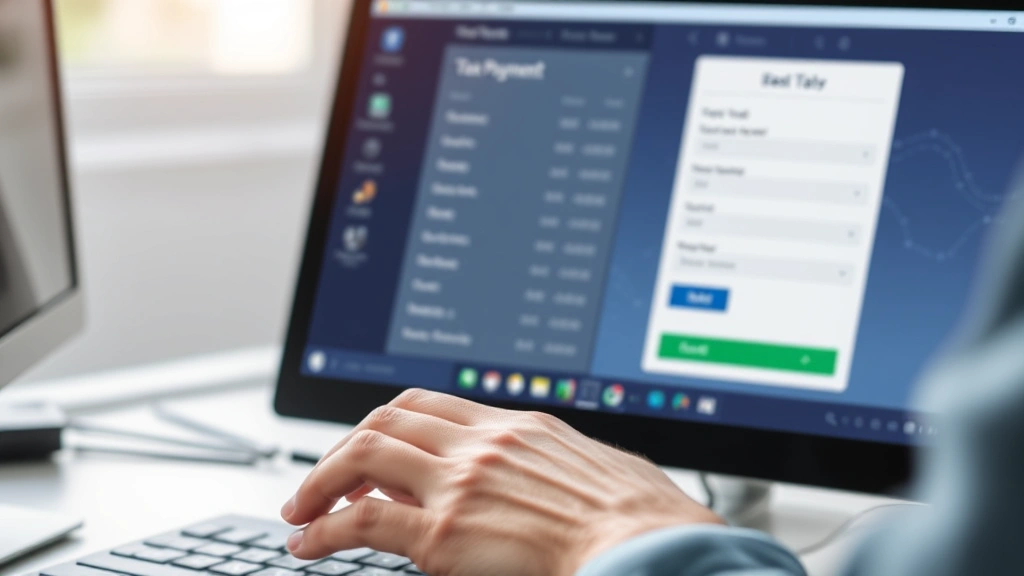
Online Payment: The county’s official website allows secure online payments using a debit or credit card. This is the fastest and most convenient method, with immediate confirmation. State of California online tax payment systems are increasingly user-friendly, and Sonoma County has invested in modern infrastructure.
Mail Payment: You can mail a check or money order to the Tax Collector’s Office. Include your parcel number and property address on the check. Allow 10–14 days for processing to avoid late fees.
In-Person Payment: Visit the Tax Collector’s Office in Santa Rosa during business hours (typically 8 a.m.–5 p.m., Monday–Friday). They accept cash, checks, and card payments. This method is useful if you need to ask questions or dispute a bill immediately.
Phone Payment: Call the office to pay by phone using a debit or credit card. This is slower than online but faster than mailing.
Automatic Payments: Set up automatic bank drafts to ensure you never miss a due date. This requires authorization but eliminates the stress of remembering payment deadlines.
Online Payment Process Step-by-Step
Paying online through the Sonoma County tax collector’s website is straightforward. Here’s exactly how to do it:
Step 1: Gather Information You’ll need your parcel number (found on your property tax bill), the amount you’re paying, and a valid debit or credit card.
Step 2: Visit the Official Site Go to the Sonoma County Assessor-Recorder’s Office website or the Tax Collector’s portal. Avoid third-party payment sites that charge unnecessary fees.
Step 3: Enter Property Details Input your parcel number and property address. The system will pull up your current balance and due dates.
Step 4: Select Payment Amount You can pay the full amount, a partial payment, or a specific installment. The system clearly shows what’s due and what’s delinquent.
Step 5: Enter Payment Method Provide your card details. The system uses encryption to protect your information. Note that credit card payments typically incur a 2–3% convenience fee.
Step 6: Confirm & Submit Review the transaction summary and submit. You’ll receive an immediate confirmation number via email.

Pro tip: If you’re paying multiple properties, you can add them all to one session before checkout, saving time and potentially reducing per-transaction fees.
Understanding Your Assessment
Your property tax bill starts with the assessed value, which the county assessor determines. This isn’t what your home would sell for—it’s a conservative estimate used for tax purposes. Under Proposition 13, assessments can only increase 2% annually unless the property changes ownership or is newly constructed.
When you receive your bill, it shows the assessed value, the tax rate, and the total amount due. If your assessed value seems wrong, you have options. The assessment roll is public record, so you can compare your property to similar properties in your area. Many homeowners are surprised to find their assessments are lower than the market value, which is actually a benefit of Prop. 13.
If you believe your assessment is inaccurate, you can file a Proposition 8 appeal (for value disputes) or a Proposition 13 appeal (for new construction). These appeals must be filed within 30 days of receiving your bill. The process involves submitting comparable sales data and property condition information. Many people hire appraisers or appeal specialists to strengthen their case, but you can represent yourself.
Delinquency & Penalties Explained
Missing property tax deadlines in Sonoma County carries real consequences. Understanding the penalty structure helps you avoid unnecessary costs. The first installment is due November 15; if unpaid by December 10, a 10% penalty is added. The second installment is due February 15; if unpaid by April 10, another 10% penalty applies. After April 10, an additional 1.5% monthly penalty accrues.
If property taxes remain unpaid for three years, the county can initiate foreclosure proceedings. This is no joke—you could lose your property entirely. However, the county usually sends multiple notices before this happens, giving you opportunities to catch up.
If you’re struggling financially, contact the Tax Collector’s Office immediately. Some counties offer payment plans or hardship deferrals for seniors and disabled homeowners. Sonoma County has programs like the Senior Property Tax Deferral Program, which allows qualifying seniors to defer taxes until the property is sold or transferred.
Assessment Appeals Process
If you disagree with your property’s assessed value, you have a formal right to appeal. The Sonoma County Assessment Appeals Board handles these disputes. The process is more accessible than you might think, and you don’t need an attorney to participate.
Timeline: Appeals must be filed within 30 days of receiving your property tax bill. Missing this deadline forfeits your right to appeal for that year.
Documentation: Gather evidence supporting your position. This includes recent appraisals, comparable sales in your neighborhood, property condition photos, and repair estimates if your home has significant damage or deferred maintenance.
Filing: Submit your appeal form (available on the county website) along with your documentation to the Assessment Appeals Board. There’s typically a small filing fee ($25–$50).
Hearing: The board will schedule a hearing where you present your case. You can attend in person or submit written arguments. The board has 60 days to issue a decision.
Outcomes: The board can reduce, maintain, or (rarely) increase your assessment. If you disagree with the board’s decision, you can appeal to the California State Board of Equalization, though this is less common.
Many successful appeals involve documented property damage, recent appraisals showing lower values, or comparable sales demonstrating that similar properties are assessed lower. Don’t assume your appeal will fail—boards regularly grant reductions when evidence supports them.
Senior & Veteran Exemptions
California and Sonoma County offer property tax relief programs for seniors and veterans. These can significantly reduce your tax burden if you qualify.
Homeowners’ Exemption: This applies to primary residences and reduces assessed value by $7,000 (as of 2024). Most homeowners automatically receive this, but renters and those who recently moved should verify they’re getting it.
Senior Property Tax Deferral: Homeowners 61 and older with household incomes under $39,000 (adjusted annually) can defer property taxes. The state places a lien on your property, and taxes are paid when you sell or pass away. This is a lifesaver for seniors on fixed incomes.
Disabled Persons Exemption: Those with disabilities may qualify for an exemption similar to the homeowners’ exemption. Documentation from the VA or medical providers is required.
Veteran Exemptions: Disabled veterans may qualify for significant exemptions. The amount depends on disability rating and varies by county. Sonoma County has specific veteran programs—contact the Veterans Services Office for details.
Agricultural Property Exemptions: If you operate agricultural land, you may qualify for preferential assessment under the Williamson Act. This dramatically reduces taxes but restricts land use to agriculture.
Applying for these programs requires submitting forms and documentation to the Assessor’s Office. The process is straightforward, and staff can guide you through it.
Contact Info & Resources
The Sonoma County Tax Collector’s Office is located at 585 Fiscal Drive, Santa Rosa, CA 95403. Phone: (707) 565-1800. Hours are typically 8 a.m.–5 p.m., Monday–Friday. The office is closed on holidays.
Online, visit the Sonoma County Assessor-Recorder website for bill lookup, payment processing, and forms. You can also access the estimated tax payments for California resources if you’re self-employed or have other state tax obligations.
For comparison, if you’re moving to or from Sonoma County, check out our guides on the Ventura County Tax Collector, San Mateo Tax Collector, and Fresno County CA Tax Collector for regional context.
The IRS website (irs.gov) provides federal tax guidance, while the California Department of Tax and Fee Administration (cdtfa.ca.gov) handles state income and sales taxes. These are separate from property taxes but equally important for overall tax planning.
Frequently Asked Questions
When is my property tax due in Sonoma County?
Property taxes are due in two installments: November 15 (first half) and February 15 (second half). Payments are considered delinquent if received after December 10 and April 10, respectively, at which point penalties apply.
Can I pay my Sonoma County property taxes online?
Yes. Visit the official Sonoma County Assessor-Recorder website and use their secure online payment portal. You can pay with a debit or credit card, though card payments incur a 2–3% convenience fee.

What happens if I miss a property tax payment deadline?
A 10% penalty is added if payment is received after the grace period. If taxes remain unpaid for three years, the county can foreclose on your property. However, contact the Tax Collector’s Office immediately if you’re struggling—they may offer payment plans or deferrals.
How do I appeal my property assessment?
File an appeal with the Assessment Appeals Board within 30 days of receiving your tax bill. Submit the appeal form (available on the county website) along with supporting documentation like appraisals or comparable sales. A hearing will be scheduled where you can present your case.
Am I eligible for senior property tax relief?
If you’re 61 or older with household income under $39,000 (adjusted annually), you may qualify for the Senior Property Tax Deferral Program. Contact the Tax Collector’s Office for an application and income verification requirements.
What’s the difference between assessed value and market value?
Assessed value is used for tax purposes and is typically lower than market value, especially for older properties. Under Proposition 13, assessed value increases only 2% annually unless the property changes ownership. Market value is what your home would sell for in today’s market.
Can I set up automatic payments for my property taxes?
Yes. Contact the Tax Collector’s Office or set up automatic bank drafts through your bank. This ensures you never miss a deadline and eliminates late fees.
How do I look up my property tax bill online?
Visit the Sonoma County Assessor-Recorder’s website and use the property search tool. Enter your parcel number or address to view your assessment, tax bill, and payment history.
Final Thoughts
Working with the Sonoma County CA tax collector doesn’t have to be stressful. By understanding your obligations, knowing your payment options, and staying on top of deadlines, you can manage your property taxes efficiently and avoid costly penalties. Whether you’re a longtime homeowner or new to the county, the tax collector’s office is there to help—don’t hesitate to reach out with questions or concerns. Remember, property taxes fund the schools, roads, and services that make Sonoma County a great place to live. Paying on time and understanding your assessment ensures everyone benefits.


