

A tax increment reinvestment zone (TIRZ) is a powerful economic development tool that captures increased property tax revenue from a designated area and reinvests it into infrastructure and community improvements. If you own property or invest in real estate, understanding how TIRZs work can directly impact your tax liability and investment returns.
Table of Contents
What Is a Tax Increment Reinvestment Zone?
A tax increment reinvestment zone represents a specific geographic area where local governments capture the incremental increase in property tax revenue generated by development and improvement. Think of it this way: when a property’s assessed value rises, the difference between the old and new values creates additional tax revenue. In a TIRZ, that extra revenue gets dedicated to financing public improvements within the zone itself—roads, utilities, parks, and infrastructure—rather than flowing into the general fund.
The concept originated in California in the 1950s and has since spread to Texas, Illinois, and other states. Each state structures its program differently, which is why understanding your specific jurisdiction matters. For example, Sangamon County property tax structures differ from how Texas implements TIRZ programs.
How TIRZ Financing Works
Here’s the mechanics: A municipality establishes a TIRZ by designating a specific area and setting a baseline assessed value. That baseline represents the total property value in the zone at the time of creation. As properties improve and values increase, the incremental tax revenue from that growth gets set aside.
Let’s use a concrete example. Suppose a TIRZ is created with a baseline property value of $10 million. Five years later, through new development and improvements, properties are worth $15 million. The incremental value is $5 million. The additional property taxes generated from that $5 million increase are captured and used for bond financing or direct payment of infrastructure projects within the zone.
This mechanism allows municipalities to finance improvements without raising tax rates or tapping the general fund. Developers benefit because the infrastructure improvements make their projects more attractive and valuable. Property owners benefit from rising values and better amenities. It’s a win-win—in theory.
Key Benefits for Property Owners
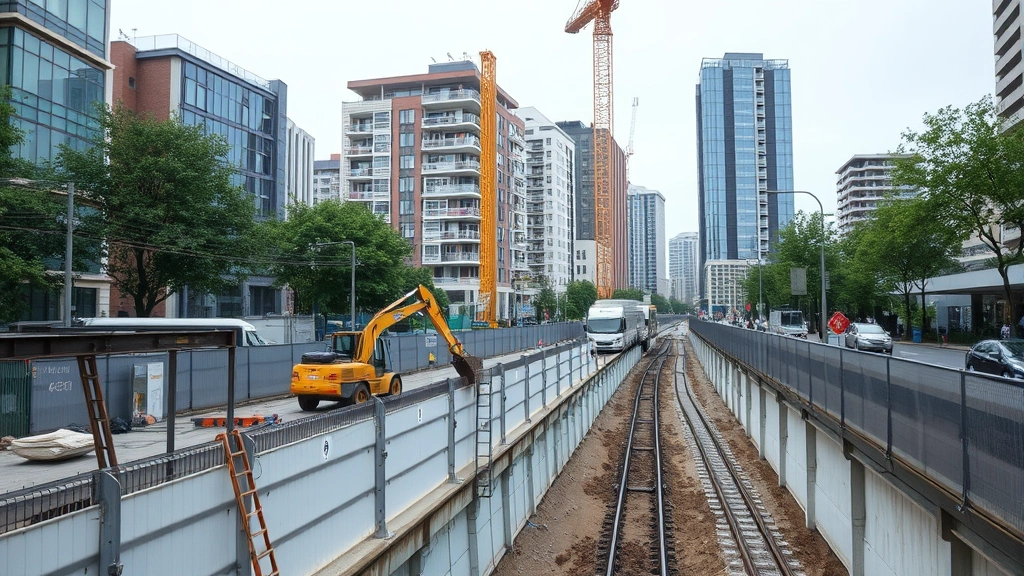
Understanding the upside is crucial if you’re considering property investment in a TIRZ area. First, infrastructure improvements happen faster. Roads get paved, utilities get upgraded, and public spaces improve without waiting for the annual budget cycle. Better infrastructure typically means higher property values and rental income.
Second, property owners often see accelerated appreciation. When a neighborhood gets new sidewalks, improved drainage, better lighting, and expanded utilities, property values follow. You’re essentially getting public improvements funded by incremental tax growth rather than your pocket.
Third, TIRZs can attract business and investment. Improved infrastructure makes an area more desirable, which can trigger commercial development, new residents, and economic activity. For real estate investors, this creates a positive feedback loop.
Additionally, if you’re calculating your real estate capital gains tax, remember that TIRZ-driven appreciation is still subject to capital gains tax when you sell—but the underlying appreciation itself is a tangible benefit.
Tax Implications You Should Know
Here’s where many property owners get confused: being in a TIRZ doesn’t exempt you from property taxes. You still pay your full share. The difference is that a portion of the incremental tax revenue gets redirected to zone improvements rather than going to schools, libraries, or other general services.

For some property owners, this creates a concern: if you’re in a TIRZ, your school district or other services might receive less funding than comparable areas. This can affect property values long-term and is worth researching before buying.
From a capital gains perspective, if you own property in a TIRZ and it appreciates significantly, you’ll owe capital gains tax on that appreciation when you sell. The TIRZ status doesn’t shield you from federal or state capital gains taxation. Check your state’s specific rules—for instance, capital gains tax in Texas has unique considerations for real estate.
There’s also a timing consideration: TIRZ bonds are typically issued for 20-30 years. During that period, incremental tax revenue is committed to debt service. Once bonds are paid off, that revenue reverts to the general fund. Understanding the TIRZ’s timeline helps you forecast long-term tax impacts.
Potential Drawbacks and Challenges
TIRZs aren’t universally loved, and for good reason. First, other services suffer. If incremental tax revenue is diverted to the TIRZ, schools, fire departments, and libraries in the broader area get less funding. This can create educational or safety disparities.
Second, baseline value disputes happen frequently. How is the baseline assessed? Who determines it? Disagreements over baseline values can lead to litigation and uncertainty about how much revenue actually gets captured.

Third, development may not materialize. Some TIRZs are created with optimistic growth projections that never happen. If the zone doesn’t develop, the infrastructure improvements don’t occur, and property owners are left with higher expectations that go unfulfilled.
Fourth, there’s the risk of over-leverage. Municipalities might issue bonds based on projected incremental revenue that doesn’t materialize. If property values don’t grow as expected, the municipality could struggle to service debt.
Finally, gentrification concerns are real. As a TIRZ improves an area, property values and taxes rise, potentially displacing long-time residents who can’t afford the increases. This is an ethical consideration worth weighing.
TIRZ Programs by State
TIRZ structures vary significantly by state. Texas has one of the most active TIRZ programs, with hundreds of zones across the state. Texas TIRZs are governed by specific statutes and require voter approval in many cases.
Illinois uses similar mechanisms but calls them tax increment financing (TIF) districts. Sangamon County real estate taxes are affected by TIF structures in certain areas.
California, where the concept originated, actually scaled back its redevelopment agencies (which used TIF) significantly after 2011, though some mechanisms remain.
New Jersey has property tax relief programs that interact with development zones in different ways. If you’re considering property investment in New Jersey, understanding property tax relief programs is essential.
Before investing in a TIRZ area, research your specific state’s rules, governance structure, and track record. Some states’ programs work better than others.
Impact on Property Values
The relationship between TIRZ status and property values is complex. In successful TIRZs, property values typically appreciate faster than surrounding areas because infrastructure improvements happen more quickly. Investors who buy early in a TIRZ’s lifecycle often see substantial gains.
However, timing matters enormously. If you buy after the major appreciation has already occurred, you’re paying premium prices for an area that’s already been “discovered.” You miss the early-stage gains.

Additionally, the quality of TIRZ management affects outcomes. Well-managed zones with clear improvement plans and realistic funding tend to see steady appreciation. Poorly managed zones with vague plans or funding shortfalls may stagnate.
For Jackson County real estate investors, understanding local TIRZ performance history is crucial before committing capital.
Using TIRZ in Your Strategy
If you’re considering real estate investment, TIRZ status should factor into your analysis. Here’s a strategic framework:
Early-stage TIRZ entry: If you identify a TIRZ in its early years with clear improvement plans and realistic funding, it can be an excellent value play. You buy before major appreciation and benefit from infrastructure improvements.
Established TIRZ analysis: If a TIRZ is mature (10+ years in), research whether the promised improvements have materialized. Have property values appreciated? Are services adequate? Is the zone still growing?

Exit planning: Remember that when you sell property in a TIRZ, you’ll owe capital gains tax on appreciation. Factor this into your return calculations. The TIRZ status doesn’t shield you from taxation.
Diversification: Don’t overweight your portfolio toward TIRZ properties. While they can perform well, they carry concentration risk. If the TIRZ underperforms or the area faces economic challenges, you’re exposed.
Due diligence: Before buying, request the TIRZ’s financial statements, improvement plans, and bond documentation. Understand the baseline value, projected incremental revenue, and timeline. Talk to current property owners about their experience.
Frequently Asked Questions
Do I pay higher property taxes in a TIRZ?
Not necessarily higher rates, but your tax bill does go toward TIRZ improvements rather than general services. Your effective tax rate is the same, but the allocation of revenue differs. You’re essentially pre-paying for infrastructure improvements that should benefit your property value.
Can a TIRZ be dissolved?
Yes, but it’s complicated. Some TIRZ bonds must be paid off first. Once bonds mature and debt is satisfied, the TIRZ can be dissolved and incremental revenue reverts to the general fund. However, dissolving a TIRZ before bonds mature can create financial problems for the municipality.

How long do TIRZs typically last?
Most TIRZs are structured for 20-30 years, matching the bond repayment period. Some last longer if additional improvements are planned. The timeline should be disclosed in TIRZ documentation.
Will my property taxes increase faster in a TIRZ?
Your assessment may increase faster if property values rise quickly due to improvements. However, the tax rate doesn’t change. If your home appreciates from $300,000 to $450,000, your assessed value increases, which increases your tax bill—just like in non-TIRZ areas.
Are TIRZ bonds a good investment?
TIRZ bonds are typically municipal bonds backed by incremental property tax revenue. They carry moderate risk—lower than corporate bonds but higher than Treasury bonds. If the zone develops as projected, bonds perform well. If development stalls, default risk increases. Consult a financial advisor before investing.
How do I find out if a property is in a TIRZ?
Contact your local assessor’s office, city planning department, or county tax assessor. They maintain TIRZ maps and can confirm whether a specific property is in a zone. You can also request TIRZ documentation and financial statements.
Conclusion
A tax increment reinvestment zone is a legitimate economic development tool that can benefit property owners through infrastructure improvements and appreciation potential. However, it’s not a magic bullet. Success depends on realistic planning, competent management, and favorable market conditions.
If you’re considering property investment in a TIRZ, do thorough due diligence. Understand the specific zone’s history, financial health, improvement plans, and timeline. Research how other property owners have fared. Consider the long-term implications for schools and other services. And remember that TIRZ status doesn’t exempt you from capital gains tax or property tax obligations.
Used wisely, TIRZ knowledge can enhance your real estate investment strategy. Used carelessly, it can lead to overpaying for property in underperforming zones. The difference is research, patience, and realistic expectations.


