

A tax return transcript sample is an official IRS document that shows your filed tax return information, and getting one fast can save you from major headaches when you need proof of income, applying for loans, or handling audits. Whether you’re a homebuyer, student, or self-employed professional, understanding what a tax return transcript looks like and how to obtain it is essential for your financial life.
Table of Contents
What Is a Tax Return Transcript?
A tax return transcript is basically a printout of the information you submitted on your actual tax return. It’s not your original return form—it’s the IRS’s official record of what they have on file for you. Think of it as your tax filing’s official transcript card.
The transcript includes key data like your filing status, adjusted gross income (AGI), taxable income, total tax, and any refund or amount owed. It’s considered an authoritative document because it comes directly from the IRS, which is why lenders, employers, and government agencies accept it as proof of your tax filing and income history.
Here’s the thing: if your tax return was rejected, you might need a transcript to show what was actually processed. That’s where understanding if your tax return was rejected and can you start over becomes crucial for your next steps.
Types of IRS Transcripts Available
The IRS offers several different transcript types, and knowing which one you need saves time and frustration.
Form 1040 Transcript: This is the most commonly requested transcript. It shows all the information from your Form 1040 and any schedules you filed. It’s perfect for loan applications, mortgage pre-qualification, and most general purposes.
Account Transcript: This one shows your tax account activity, including payments, credits, and adjustments made after you filed. It’s useful if you want to see the complete history of your account with the IRS.
Record of Account Transcript: This combines information from both your Form 1040 and your account activity. It’s the most comprehensive option and often requested by lenders who want the full picture.
Verification of Non-Filing Letter: If you didn’t file a return for a particular year, you can get this letter to prove you had no filing requirement. It’s surprisingly useful when you’re applying for financial aid or other programs.
Tax Return Transcript (Specific Year): You can request transcripts for any year going back typically seven years or more, depending on your situation.
How to Request Your Transcript
You have multiple ways to get your tax return transcript sample, and the fastest method depends on your urgency and comfort level with technology.
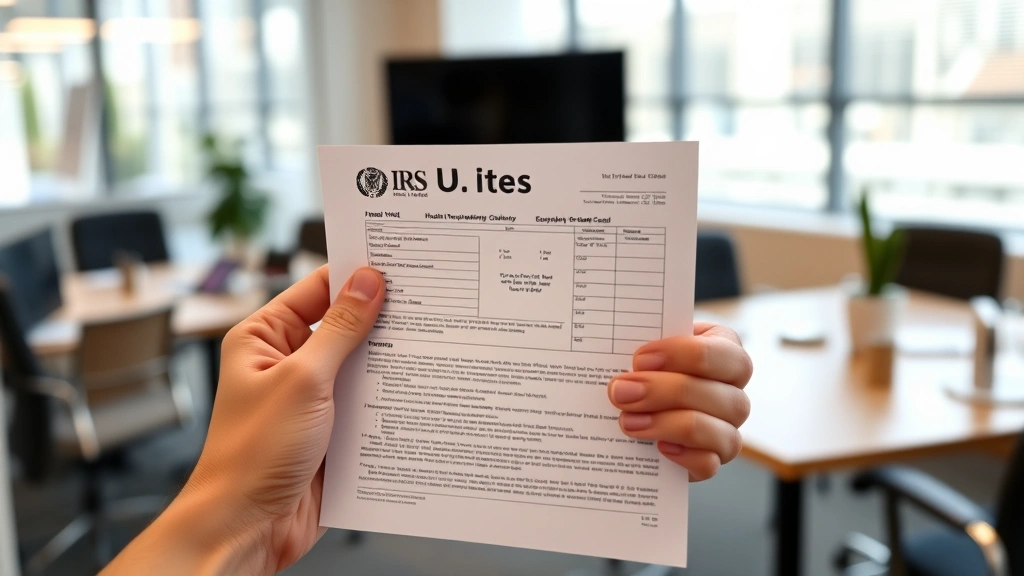
The IRS knows people need these documents quickly, so they’ve made the process reasonably straightforward—though it still requires some navigation. You can request transcripts online, by mail, by phone, or through a tax professional. Each method has different processing times, so let’s break them down.
Before you request anything, make sure you have your Social Security number, date of birth, and filing status handy. You’ll also need to know which tax year you’re requesting.
Using the IRS Online Portal
The fastest way to get a tax return transcript sample is through the IRS’s online transcript delivery system at IRS.gov. This is genuinely the best option if you need it quickly.
Here’s the step-by-step process:
Step 1: Go to IRS.gov and click “Get Transcript.” You’ll see options for different transcript types.
Step 2: Select “Online” if you want it immediately, or choose mail delivery if you prefer a physical copy.
Step 3: Verify your identity using either your Social Security number and filing status information, or through ID.me (the IRS’s identity verification partner).
Step 4: Choose the tax year(s) you need and the type of transcript.
Step 5: If you chose online delivery, you’ll get your transcript immediately as a PDF you can download and print.
The online method is genuinely quick—we’re talking minutes, not days. However, you can only get transcripts for tax years that are already processed and closed. If you filed very recently, you might need to wait a few weeks.

Mail, Phone, and Fax Methods
Not everyone wants to use the online portal, and that’s okay. The IRS still accepts requests through traditional methods.
By Phone: Call the IRS at 1-800-908-9946. Have your Social Security number ready. The IRS will mail your transcript to you, which typically takes 5-10 business days. This method is good if you’re not tech-savvy or prefer speaking to a human.
By Mail: Fill out Form 4506-C (Request for Tax Return Transcript) or Form 4506 (if you need the actual return). Mail it to the IRS address for your state. Processing typically takes 5-10 business days, though it can take longer during busy tax season. This is the slowest method, but it’s reliable.
By Fax: You can fax Form 4506-C to the IRS fax number for your region. Processing is similar to mail—5-10 business days.
Pro tip: If you’re working with a tax professional, CPA, or mortgage lender, they can often request your transcript directly on your behalf using Form 4506-C. This saves you a step and sometimes speeds up the process.
How Long Does Processing Take?
Processing time is where the rubber meets the road when you actually need your tax return transcript sample.
Online delivery: Instant to a few minutes. You get it right away as a PDF.
Mail delivery through online portal: 5-10 business days.
Phone request: 5-10 business days by mail.
Mail request: 5-10 business days, potentially longer during tax season (January through April).

Tax professional request: Often 2-5 business days since they have priority channels.
During peak tax season, don’t expect the faster end of those ranges. If you’re requesting in February or March, budget for the full 10 business days or longer. That’s why requesting early is smart.
If you need it urgently and your state has a state tax refund status portal (like the Utah tax refund status tool), sometimes state resources can help you find information faster for state-specific needs.
Common Uses for Transcripts
Understanding why you need a tax return transcript sample helps you request the right type and urgency level.
Mortgage and Loan Applications: Lenders want proof of your income and tax filing history. A transcript shows exactly what you reported to the IRS, which is more trustworthy than a pay stub.
Student Financial Aid: FAFSA and other aid programs often require tax transcripts to verify your income and family financial situation.
Rental Applications: Landlords increasingly ask for transcripts to verify income stability before approving a lease.
Employment Verification: Some employers ask new hires or contractors to provide transcripts as part of background checks.
IRS Audits: If you’re being audited, the IRS might request specific transcripts to compare against what you filed.
Divorce or Legal Proceedings: Attorneys often need transcripts to establish income for alimony, child support, or asset division.

Government Benefits: Programs like SNAP, housing assistance, or Medicaid often require tax transcripts to determine eligibility.
Self-Employment Documentation: If you’re self-employed and need to prove income, a transcript is more official than your own records. Understanding items like Schedule SE on your tax form can help you understand what the transcript will show about your self-employment income.
Troubleshooting Common Issues
Even with a straightforward process, things can go wrong. Here’s how to handle common problems.
“Transcript Not Available Yet”: If you recently filed, the IRS hasn’t processed your return yet. Wait 2-3 weeks and try again. During tax season, this can take longer.
Identity Verification Failed: If you can’t verify your identity online, use the phone or mail method instead. You’ll need your Social Security number, filing status, and address information.
Wrong Address on File: If the IRS has an outdated address, your mailed transcript goes to the wrong place. Update your address with the IRS before requesting, or use the online delivery option instead.
Never Filed a Return: If you’ve never filed, the IRS has no record, so you can’t get a transcript. You might need a Verification of Non-Filing Letter instead, or you may need to file a return first.
Amended Return Filed: If you filed an amended return (Form 1040-X), the transcript might show the original filing information. It can take several weeks for amendments to show up in the system.
Transcript Shows Wrong Information”: If there’s an error on your transcript, contact the IRS directly at 1-800-829-1040 to report it. Don’t assume the transcript is correct—errors happen.
If you’re dealing with rejected returns or need to understand your filing status better, resources about Georgia tax forms or other state-specific guidance can provide additional context for your situation.

Frequently Asked Questions
Is a tax return transcript the same as my actual tax return?
No. Your actual return is the form you filed (Form 1040, etc.). A transcript is the IRS’s official record of what you filed. The transcript is more official for most purposes because it comes directly from the IRS.
Can I get a transcript for someone else?
Generally, no—you can only get your own transcript unless you have power of attorney or are a spouse on a joint return. Tax professionals, attorneys, and lenders can request transcripts on your behalf with proper authorization.
Does getting a transcript cost money?
No, transcripts are free. The IRS doesn’t charge for them. Be wary of third-party services that charge fees—you can always get them directly from the IRS for free.
How far back can I get transcripts?
You can typically get transcripts for the current year and the past six years. In some cases, older transcripts are available, but you’ll need to request them by mail or phone.
What if I need a transcript urgently?
Use the online delivery method for instant access. If you need a physical copy quickly, ask your tax professional or lender to request it—they often have faster processing. During non-peak times, phone requests can also be relatively quick.
Can I use a transcript from a tax software like TurboTax?
No. Tax software may provide a copy of your return, but only an official IRS transcript counts as proof to lenders, employers, and government agencies. You must get it directly from the IRS.
What information appears on a tax return transcript sample?
A typical transcript shows your filing status, adjusted gross income (AGI), taxable income, total tax, tax payments and credits, and any refund or amount owed. It doesn’t include itemized deductions or detailed schedule information unless you specifically request it.
Do I need to file taxes if I didn’t earn income?
That depends on your income level and filing requirements. If you’re unsure about what is tax-exempt interest income or other specific income types, you might still need to file. A Verification of Non-Filing Letter can help if you legitimately didn’t need to file.
Final Thoughts
Getting a tax return transcript sample doesn’t have to be complicated. The fastest route is the IRS online portal—it takes minutes and you get an instant PDF. If you prefer traditional methods or can’t verify your identity online, phone and mail options work just fine, though they take longer.
The key is knowing which type of transcript you need and requesting it early. Don’t wait until you’re applying for a mortgage or loan to start the process. If you’re planning ahead, request your transcript now so you have it on hand when you need it.
Remember, transcripts are free and official. Never pay a third party for something the IRS provides at no cost. And if you spot errors on your transcript, contact the IRS immediately to correct them—accuracy matters when lenders and employers are reviewing your financial history.
Whether you’re a first-time homebuyer, freelancer, or someone who simply needs to prove their income, a tax return transcript is one of the most powerful documents you can have. Get yours today, and you’ll be prepared for whatever comes next.


