

Understanding town of Smithtown taxes is one of the smartest financial moves you can make as a resident or property owner. Whether you’re dealing with property taxes, school district levies, or local assessments, Smithtown’s tax structure can feel overwhelming—but it doesn’t have to be. I’ve helped countless Long Island residents decode their tax bills and find legitimate ways to keep more money in their pockets.
Table of Contents
Smithtown Tax Basics
Smithtown, located in Suffolk County, New York, operates under New York’s property tax system—one of the highest in the nation. Your annual property tax bill comprises several components: town taxes, school district taxes, and county taxes. Most Smithtown residents are surprised to learn that school taxes typically represent 60-70% of their total property tax bill.
The town assessment roll is updated annually, and your property’s assessed value directly impacts what you owe. Unlike some states with caps on tax increases, New York allows assessments to rise substantially year over year. This is why staying informed about property tax protest procedures matters—you have rights, and using them can save thousands.
Property Tax Breakdown Explained
Your Smithtown property tax bill isn’t one lump sum—it’s a carefully calculated breakdown. Here’s what you’re actually paying for:
- Town of Smithtown portion: Covers local services, road maintenance, police, and parks
- School District taxes: Supports K-12 education (this is the biggest chunk for most homeowners)
- Suffolk County taxes: Funds county-level services
- Special district assessments: Water, sewer, or fire district charges
The effective tax rate in Smithtown hovers around 1.5-1.8% of assessed value annually. For a home assessed at $400,000, expect to pay roughly $6,000-$7,200 per year. That’s real money, and understanding where it goes helps you identify where you might save.
School District Costs Impact
Here’s the uncomfortable truth: Smithtown’s school district is excellent, and excellent schools cost money. The district operates multiple elementary schools, middle schools, and high schools—all funded primarily through property taxes. While you can’t opt out of school taxes (even if you have no children), you can understand how they’re calculated.

School district budgets are voted on annually by residents. Attending budget hearings and voting gives you a voice in spending decisions. Many homeowners don’t realize they can influence these costs through civic participation. Additionally, if you’re a senior or disabled homeowner, you may qualify for homestead tax credits that reduce your school tax burden specifically.
Assessment Appeals Process
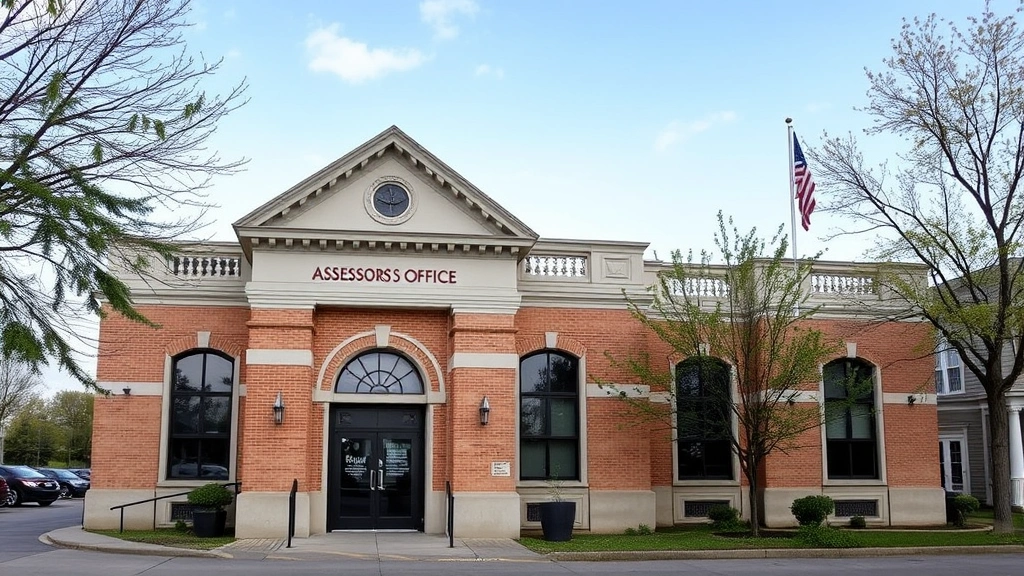
This is where real savings happen. If your property’s assessed value is incorrect, you have the right to appeal. The Smithtown assessor’s office uses comparable sales, property condition, and market data to determine assessments. But assessors aren’t perfect—they sometimes overvalue properties or miss recent market shifts.
Here’s the process: First, obtain your property’s assessment card from the town. Compare it to similar homes in your neighborhood that sold recently. If your assessed value seems high, file a formal grievance during the grievance period (typically January 15 – March 15). You’ll need documentation: comparable sales data, property condition photos, or a professional appraisal.
Many residents skip this step thinking it’s too complicated. I’ve seen successful appeals reduce assessments by 10-15%, translating to $600-$1,200 in annual tax savings. That’s not trivial. For more on this process, check out our guide on Town of Huntington taxes, which uses the same Suffolk County assessment system.
Homeowner Exemptions Available
New York offers several exemptions that directly reduce your assessed value (not just your bill—your actual assessment). This is powerful because it compounds year after year.

Basic STAR Exemption: If you own and occupy your home as your primary residence, you automatically qualify for STAR (School Tax Relief). This exemption reduces your school tax portion. The benefit varies by income but averages $200-$400 annually for most Smithtown homeowners.
Enhanced STAR (for seniors): If you’re 65+ and meet income requirements (roughly $91,000 for single filers), enhanced STAR provides much larger savings—sometimes $800-$1,200 yearly.
Disabled Persons Exemption: If you’re certified disabled by the Veterans Administration or Social Security, you may qualify for additional exemptions reducing your assessed value by 10-50%.
The key: You must apply. These exemptions don’t happen automatically. Contact the Smithtown Assessor’s office or your town clerk’s office to request applications.
Senior Tax Relief Programs
If you’re 65 or older in Smithtown, several programs exist specifically for you. Beyond Enhanced STAR, New York offers tax freeze programs that cap your taxes at a certain level once you qualify.

The Senior Citizen Homeowners’ Property Tax Exemption allows eligible seniors to freeze their property taxes at their current level. Once approved, your taxes don’t increase, even if your property value climbs. This is massive for retirees on fixed incomes. You must be 65+, own your home, and meet income limits (approximately $91,000 for single filers).
Additionally, some seniors qualify for SCRIE (Senior Citizen Rent Increase Exemption) if they rent—though this is less common in Smithtown’s owner-occupied market. The application process requires proof of age, income documentation, and ownership verification.
Smart Saving Strategies
Beyond formal exemptions and appeals, here are practical strategies Smithtown residents use:
Energy Efficiency: Some municipalities offer tax credits for home improvements like solar panels or high-efficiency heating systems. While Smithtown’s direct credits are limited, New York State offers property tax incentives for renewable energy installations that reduce your overall tax burden.
Charitable Conservation Easements: If you own significant land, donating a conservation easement can reduce your assessed value substantially. This is complex and requires professional guidance, but it’s legitimate and powerful for larger properties.
Timing Home Improvements: Avoid major renovations right before reassessment years. A new roof or addition can trigger assessment increases. Plan improvements strategically or phase them across multiple years to minimize assessment jumps.
Document Everything: Keep records of property damage, needed repairs, or neighborhood issues that might affect value (flooding, nearby commercial development). These become ammunition if you appeal your assessment.
Monitor Market Trends: Smithtown’s real estate market fluctuates. If your neighborhood experiences a market dip, that’s your window to appeal. Assessors lag behind market reality by 1-2 years, so a smart appeal uses current comparable sales data.
Frequently Asked Questions
When is the Smithtown tax grievance period?
The grievance period typically runs from January 15 through March 15 annually. Mark your calendar. Missing this deadline means waiting another year to appeal. The exact dates are posted on the Smithtown Town Assessor’s website, so check there for your specific year.
Can I deduct property taxes on my federal return?
Yes, but with limitations. The SALT (State and Local Tax) deduction caps at $10,000 for married couples filing jointly ($5,000 for single filers) as of 2024. If your Smithtown property taxes plus state income taxes exceed $10,000, you’re losing deductions. This makes reducing your property tax bill even more valuable since it doesn’t help your federal return anyway.

What if I disagree with the assessor’s decision?
You can appeal to the Board of Assessment Review within 30 days of receiving their decision. This is a more formal process requiring written arguments and supporting documentation. Many residents hire property tax attorneys or appraisers for this stage—it’s worth the investment if the assessment reduction is substantial.
Do renters pay Smithtown taxes?
Renters don’t directly pay property taxes—their landlords do. However, property taxes are often factored into rent prices. Renters should understand that Smithtown’s high property taxes may contribute to higher rental costs compared to neighboring areas.
Are there tax breaks for veterans in Smithtown?
Yes. Disabled veterans may qualify for exemptions reducing their assessed value significantly. You’ll need VA documentation of your disability rating. Contact the Smithtown Assessor’s office with your DD Form 214 and VA disability paperwork.
How often are properties reassessed in Smithtown?
Smithtown uses a rolling reassessment system, meaning properties are reassessed periodically rather than all at once. Your property might be reassessed every 6-8 years. When your reassessment occurs, your assessed value can change dramatically—which is why staying vigilant matters.
Can I protest my assessment online?
Smithtown requires formal grievance filings, typically submitted in person or by mail to the Assessor’s office during the grievance period. Some documentation can be submitted electronically, but the formal grievance form must follow town procedures. Check the town website for the current process—it may have moved online recently.
Final Thoughts on Smithtown Taxes
Town of Smithtown taxes are high—there’s no getting around that. But understanding your bill, knowing your rights, and taking action can meaningfully reduce what you owe. Whether it’s filing an assessment appeal, applying for senior exemptions, or timing home improvements strategically, you have more control than you think.
Start with the basics: Get your assessment card, compare it to recent sales in your neighborhood, and file a grievance if warranted. Then explore exemptions you might qualify for. Finally, stay informed about changes to town budgets and school district spending—your vote and voice matter.
The residents who pay the least property tax aren’t necessarily the wealthiest—they’re the ones who understand the system and use it. Be that resident. Your wallet will thank you. For additional context on similar tax situations in other areas, explore our guides on Johnston County tax and land taxes in Ohio to see how Smithtown compares.


