

The Vance County tax office handles property tax assessments, collections, and related services for residents in this North Carolina county. Whether you’re a homeowner, business owner, or new resident, understanding how to work with the Vance County tax office can save you time, money, and stress when managing your tax obligations.
Table of Contents
Office Location & Hours
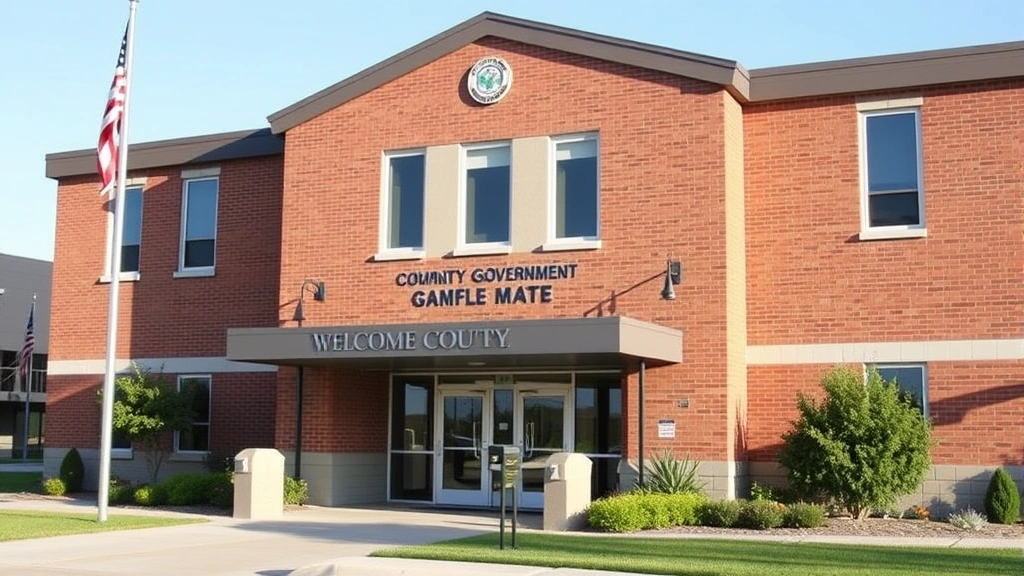
Finding the Vance County tax office is your first step toward managing property tax payments and inquiries. The office is typically located in the county courthouse complex in Henderson, North Carolina, which serves as the administrative hub for all county services. Most tax offices operate during standard business hours, typically Monday through Friday from 8:30 a.m. to 5:00 p.m., though it’s wise to call ahead and confirm current hours before making the trip.
The physical location matters less these days since many residents handle their tax affairs remotely. However, visiting in person can be helpful if you need to discuss complex tax situations, review property records, or handle payments that require documentation. Staff members at the Vance County tax office are generally knowledgeable about local property valuations and can answer questions about your specific assessment.
Property Tax Basics in Vance County
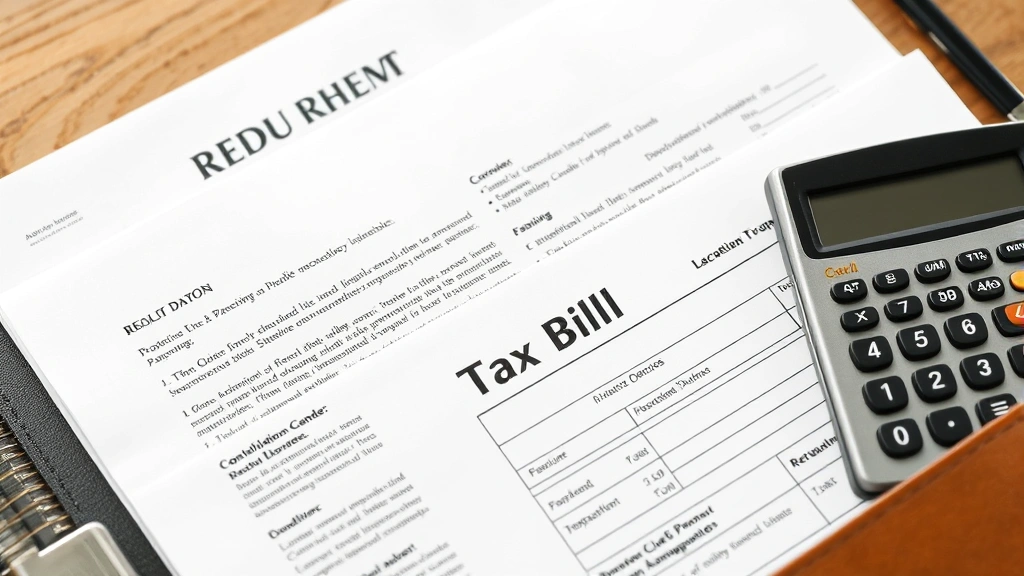
Property taxes in Vance County work similarly to other North Carolina counties, but rates and assessment methods can vary. Your property tax bill is calculated by multiplying your home’s assessed value by the local tax rate. Unlike some states, North Carolina assesses property at 100% of market value, which means you can’t negotiate a lower assessed value just because you think your home is worth less than the county estimates.
Most homeowners receive their property tax bills annually. The tax year in North Carolina runs from July 1 to June 30, and bills are typically mailed in September. Property taxes are due by January 6 of the following year, though you can pay earlier without penalty. Understanding this timeline helps you budget appropriately and avoid late fees.
If you own property in multiple counties or states, remember that each jurisdiction has its own assessment and collection process. For comparison, residents dealing with property tax in PG County Maryland or other jurisdictions should note that North Carolina’s approach differs in assessment frequency and appeal procedures.
Payment Methods Available
The Vance County tax office accepts several payment methods to accommodate different preferences and situations. You can typically pay by:
- In-person at the office: Cash, check, or card payments during business hours
- By mail: Send a check or money order to the tax office address with your account number on the payment
- Online: Many North Carolina counties offer online payment portals where you can pay with a debit or credit card (though processing fees may apply)
- Phone: Some offices accept phone payments, though this usually requires a credit or debit card
- Automatic payments: Set up recurring payments if you prefer consistent, on-time payments without manual intervention
When paying by mail or online, always include your property account number or parcel identification number so the payment gets credited correctly. Mistakes in payment routing can delay credit posting and potentially trigger late notices. If you’re unsure whether a payment has been received, contact the office directly or check the online portal if available.
Online Services & Tools
Modern tax offices increasingly offer digital services that make managing your obligations easier. The Vance County tax office may provide an online portal where you can:
- View your current tax bill and payment history
- Search property records and assessed values
- Make online payments (with or without fees)
- Download tax receipts and payment confirmations
- Set up payment reminders or automatic payments
- Access information about exemptions and appeals
These digital tools are especially valuable if you prefer handling finances remotely or need quick access to your account information. Many county websites also provide downloadable forms for exemptions, appeals, and other services, eliminating the need for an office visit in many cases.
Check the Vance County website or call the tax office to learn which online services are currently available. Some features may be limited compared to larger urban counties, so having a backup plan for in-person visits is prudent if you need extensive services.
Understanding Assessment Process
Your property’s assessed value forms the foundation of your tax bill, so understanding how assessments work is crucial. In Vance County, the tax assessor’s office evaluates properties periodically, typically every four to eight years, though some counties reassess more frequently. During reassessment, the assessor reviews comparable sales, property improvements, and market conditions to estimate your home’s current market value.
The assessment process isn’t arbitrary—assessors use standardized methods, comparable property analysis, and income approaches (for rental properties) to arrive at fair market values. However, assessments can be wrong due to outdated information, missed renovations, or data entry errors. If you believe your assessment is inaccurate, you have the right to appeal.

Similar to how St. Tammany Tax Assessor handles valuations in Louisiana, Vance County assessors maintain detailed property records. Understanding your assessment helps you identify whether your tax bill is reasonable compared to similar properties in your neighborhood.
Handling Delinquent Taxes
Missing a property tax payment deadline has serious consequences that escalate quickly. If your payment is late, the Vance County tax office will typically:
- Add penalties and interest: Late payments accrue interest (usually 2% per month) and penalties. These charges compound monthly, making your debt grow rapidly.
- Send notices: You’ll receive written notices demanding payment within a specified timeframe, usually 30-60 days.
- Initiate foreclosure proceedings: If you don’t respond to notices, the county may file a tax lien against your property and eventually foreclose to recover the unpaid taxes.
- Report to credit bureaus: Delinquent property taxes may appear on your credit report, damaging your credit score.
If you’re struggling to pay property taxes, contact the Vance County tax office immediately. Some counties offer payment plans, hardship deferrals, or other accommodations for taxpayers facing temporary financial difficulties. The key is communicating early rather than ignoring notices.
Tax Exemptions & Relief Options
North Carolina offers several property tax exemptions and relief programs that may reduce your tax burden:
- Homestead exemption: Primary residences may qualify for a $25,000 exemption on assessed value, significantly reducing your tax bill.
- Senior citizen exemptions: Residents age 65 and older may qualify for additional exemptions or deferrals.
- Disability exemptions: Disabled individuals and veterans may qualify for exemptions.
- Agricultural exemptions: Working farms and forestland may qualify for preferential tax treatment.
- Historic property exemptions: Properties on the National Register of Historic Places may qualify for exemptions.
Claiming exemptions typically requires filing applications with the Vance County tax office, usually by a specific deadline (often March 1 in North Carolina). Missing the deadline may mean waiting until the next tax year to claim the exemption. Review eligibility requirements carefully—some exemptions require you to occupy the property, while others apply to specific property types.
Filing Appeals & Disputes
If you disagree with your property’s assessed value, you have the right to appeal. The process typically involves:

- Gather documentation: Collect evidence supporting your position, such as comparable property sales, recent appraisals, property condition photos, or repair estimates.
- File a formal appeal: Submit an appeal form to the Vance County tax office by the deadline (usually between February 1 and March 1 in North Carolina).
- Attend a hearing: Present your case to the Board of Equalization, which reviews assessment disputes.
- Accept or appeal further: If unsatisfied with the board’s decision, you may appeal to the North Carolina courts, though this is expensive and reserved for significant disputes.
Many successful appeals involve showing that the assessor used incorrect comparable sales, missed significant property damage, or made data entry errors. Bringing documentation and remaining professional during hearings improves your chances of success. The appeals process, while sometimes intimidating, is designed to ensure fair assessments across the county.
For comparison, understanding how Levy County Tax Collector handles disputes in Florida shows that most counties have similar appeal procedures, though specific deadlines and processes vary by jurisdiction.
Special Situations & Considerations
Certain situations require special attention when dealing with the Vance County tax office:
New property owners: If you recently purchased property, ensure the deed is recorded and the tax office has updated ownership records. Tax bills should reflect your name. If bills still arrive in the previous owner’s name, contact the office immediately to prevent payment confusion.
Property improvements: Major renovations or additions may trigger reassessment. The assessor may increase your assessed value after inspecting improvements. If you believe the increase is excessive, file an appeal with documentation of actual improvement costs.
Multiple properties: Managing taxes on multiple properties requires careful tracking. Some people use spreadsheets or property management software to organize bills and due dates. Missing a payment on one property while managing several is easy but costly.
Rental properties: If you own rental property in Vance County, your tax situation differs from primary residences. Rental income may affect your overall tax liability, and you won’t qualify for homestead exemptions. Consider consulting a tax professional about deductions and reporting requirements.
Understanding how different counties handle special situations helps you avoid mistakes. For instance, learning about Acadia Parish Tax Assessor procedures in Louisiana reveals that each jurisdiction has unique rules for property improvements and reassessment triggers.
When to Seek Professional Help
While many property tax matters are straightforward, some situations warrant professional guidance. Consider consulting a tax professional, real estate attorney, or property tax consultant if you:
- Face foreclosure due to unpaid taxes
- Own multiple properties across different counties or states
- Have complex assessment disputes with significant dollar amounts at stake
- Inherit property with unclear tax status
- Own commercial or investment property
- Qualify for exemptions but aren’t sure how to apply
Professional help costs money upfront but often saves more through successful appeals or negotiated payment plans. A tax professional familiar with Vance County procedures can navigate appeals more effectively than first-time filers.
Frequently Asked Questions
When is the property tax deadline in Vance County?
Property taxes in North Carolina are due by January 6 each year. Payments received after this date incur penalties and interest. However, you can pay anytime throughout the year without penalty if you pay before the deadline.
How often does Vance County reassess properties?
North Carolina typically reassesses properties every four to eight years, though the exact schedule varies by county. You can contact the tax office to learn when your property was last assessed and when the next reassessment is scheduled.
Can I appeal my property assessment?
Yes, you have the right to appeal your property’s assessed value if you believe it’s inaccurate. Appeals must typically be filed between February 1 and March 1. Gather supporting documentation like comparable sales or recent appraisals before filing.
What happens if I don’t pay my property taxes?
Unpaid property taxes accumulate interest and penalties, eventually leading to a tax lien on your property. If taxes remain unpaid, the county may foreclose on your home to recover the debt. Contact the tax office immediately if you’re unable to pay.
How do I claim the homestead exemption?
The homestead exemption requires filing an application with the Vance County tax office, usually by March 1. You’ll need to prove the property is your primary residence. Once approved, the exemption applies to your assessed value, reducing your annual tax bill.
Can I pay property taxes online?
Many North Carolina counties offer online payment options through their websites. Check the Vance County tax office website or call to learn if online payments are available and whether processing fees apply.
What exemptions are available besides homestead?
Vance County residents may qualify for senior citizen exemptions, disability exemptions, agricultural exemptions, and historic property exemptions, among others. Each has specific eligibility requirements and application deadlines. Contact the tax office for details about programs you might qualify for.
Conclusion
Managing your property tax obligations through the Vance County tax office doesn’t have to be complicated or stressful. Understanding key concepts—from payment deadlines and assessment procedures to exemptions and appeal rights—empowers you to take control of your tax situation. Start by locating your property account, confirming your assessed value is accurate, and exploring exemptions you might qualify for. If you’re struggling with payments, reach out to the tax office early rather than ignoring notices. Most tax offices, including Vance County’s, want to work with residents to resolve issues. By staying informed and proactive, you’ll minimize surprises and maximize your financial security as a Vance County property owner.
For additional tax guidance, consult resources like the IRS website for federal tax matters and the North Carolina Department of Revenue for state-specific rules. If your situation involves complex financial planning, consider speaking with a CPA or financial advisor familiar with your county’s specific procedures.


