

Finding Winnebago tax records WI doesn’t have to feel like navigating a bureaucratic maze. Whether you’re a homeowner verifying your property assessment, a real estate investor due diligence checking, or someone settling an estate, accessing Winnebago County tax records in Wisconsin is more straightforward than you might think. This guide walks you through exactly where to look, what you’ll find, and how to use that information to make smarter financial decisions.
Table of Contents
Understanding Winnebago County Records
Winnebago County, located in east-central Wisconsin, maintains comprehensive public records that include property tax information, assessments, and ownership details. These records are maintained by the Winnebago County Assessor’s Office and are accessible to the public under Wisconsin’s open records law.
Tax records in Wisconsin serve as the backbone for property taxation. Unlike some states, Wisconsin publishes property assessment data openly, which means you can look up almost any property’s assessed value, tax amount, and ownership information. This transparency exists for good reason—it holds local governments accountable and gives property owners the ability to verify accuracy.
The records themselves contain valuable information: the assessed value of your land and improvements, your tax classification (residential, agricultural, commercial), any exemptions you might qualify for, and the actual tax bill amount. Understanding what each piece means helps you spot errors and plan your finances more effectively.
How to Access Tax Records Online
The easiest way to access Winnebago tax records WI is through the county’s online property search system. The Winnebago County Assessor’s Office maintains a searchable database that’s available 24/7 from your computer or phone. You’ll typically find this through the official county website under the Assessor’s Department.
To search online, you’ll need either:
- Your property’s address (most common method)
- The parcel number (more specific, faster results)
- The owner’s name (works if you’re researching someone else’s property)
The search is free and requires no registration. Simply enter your information, and the system pulls up the property record within seconds. You’ll see assessed values, tax amounts, and sometimes even property photos or sketches showing the land layout.
If you prefer in-person research, the Winnebago County Assessor’s Office located in Oshkosh maintains physical files. Staff can help you navigate records and answer questions about what you’re seeing. During peak tax season (spring), expect longer wait times.
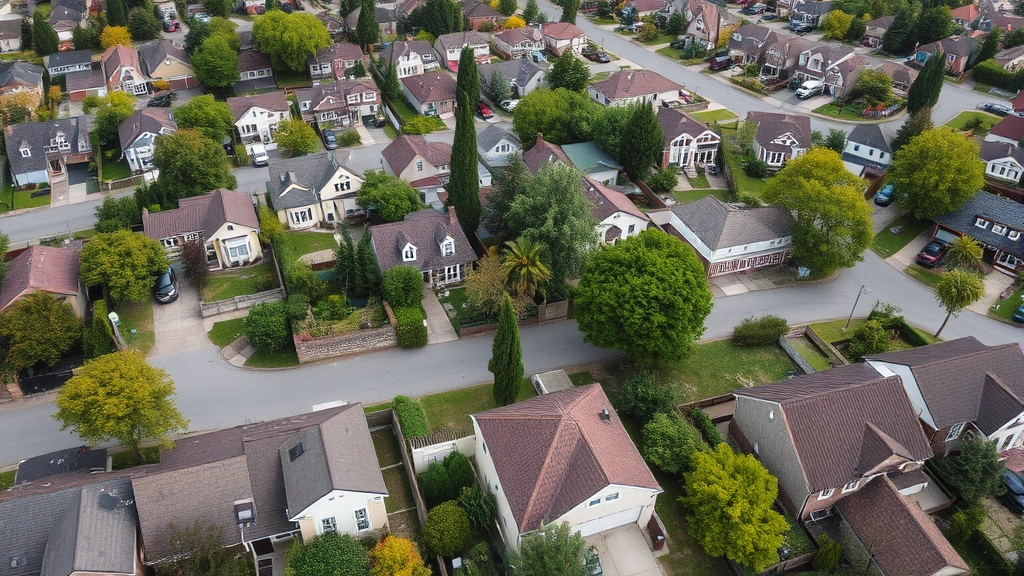
The Assessor’s Office Role
The Winnebago County Assessor isn’t your adversary—though it might feel that way when your property value jumps. This office’s job is to assess all properties fairly and consistently, ensuring the tax burden is distributed equitably across the county.
Assessors use several methods to determine value: comparable sales analysis (what similar properties sold for recently), cost approach (replacement cost minus depreciation), and income approach (for rental properties). They inspect properties periodically, especially after new construction or major renovations. This is why your assessed value can change year to year.
The Assessor’s Office also maintains exemption programs. If you’re a senior, disabled veteran, or qualify for agricultural exemptions, the assessor’s team can guide you through applications. These exemptions can significantly reduce your tax burden, so it’s worth exploring if you might qualify.
One often-overlooked resource: the assessor’s office staff can explain how your property was valued and what factors influenced the number. A quick phone call or office visit can clarify confusing assessment decisions and sometimes reveal errors that warrant an appeal.
Searching Your Property Details
Let’s walk through an actual search. Go to the Winnebago County website and locate the property search tool (usually under “Assessor” or “Property Information”). Enter your street address—it doesn’t need to be perfectly formatted. The system is forgiving with spelling variations.
Once you’ve found your property, you’ll see a record page displaying:
- Parcel Number: A unique identifier for your property
- Owner Information: Current owner name(s) and mailing address
- Property Details: Square footage, lot size, year built, number of bedrooms/bathrooms
- Assessed Value: Land value and building value separately
- Tax Amount: The actual dollars owed annually
- Property Class: Residential, commercial, agricultural, etc.
Pay special attention to the property details section. If information is incorrect—wrong square footage, missing rooms, or inaccurate lot size—that’s grounds for an assessment appeal. Assessors use these details to calculate value, so errors directly impact your tax bill.
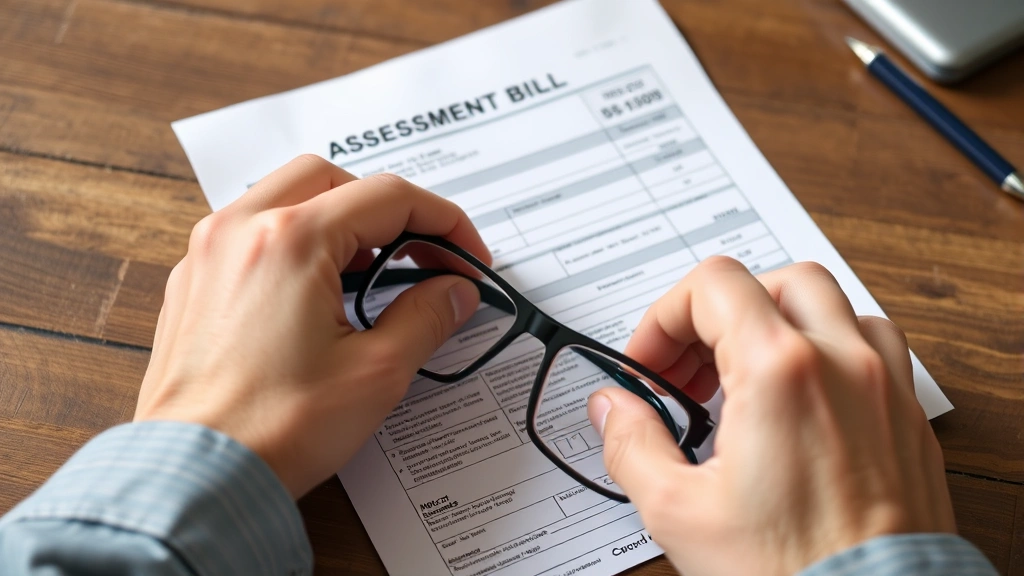
Many online systems also show assessment history. You can see how your property’s value has changed over the past 5-10 years, which helps you understand trends and spot unusual jumps that might warrant investigation.
Reading Assessment Values
Wisconsin uses assessed value, not market value, for property taxation. This is crucial to understand. Your assessed value is typically lower than what your home would sell for—usually 30-50% of market value, though this varies by property type and location.
Here’s why this matters: your property tax bill is calculated as assessed value × tax rate. If your assessed value is $150,000 and the tax rate is 1.2%, you’d owe $1,800 annually. A $50,000 overassessment could cost you $600 extra per year—money worth fighting for.
Wisconsin law requires assessments to be uniform and equitable. This means your property should be assessed at the same percentage of market value as similar properties in your area. If you suspect your assessment is too high compared to comparable properties, that’s your strongest appeal argument.
The assessed value also includes separate land and building components. This breakdown matters if you’re considering improvements or if you own commercial property where the land-to-building ratio affects taxation differently.
Challenging Your Assessment
If you believe your Winnebago tax records show an inaccurate assessment, Wisconsin provides a formal appeal process. This isn’t complicated, but timing matters—you typically have 30 days from when the assessment notice is mailed.
First, request an informal review with the Assessor’s Office. Bring comparable sales data for similar properties in your neighborhood. Show evidence of property damage, deferred maintenance, or functional obsolescence that should reduce value. Many assessments get adjusted at this stage without formal proceedings.

If the informal review doesn’t resolve the issue, you can file a formal appeal with the Winnebago County Board of Review. This board hears assessment disputes and can adjust values. You’ll present your case—often with photos, recent appraisals, or comparable sales—and the board decides.
The final appeal option is the Wisconsin Tax Appeals Commission, though few cases reach this level. Having documentation and comparable properties from your area makes the strongest case. Consider consulting a property tax consultant or appraiser if your property’s value is significantly high—their expertise often pays for itself through successful appeals.
Finding Related Tax Documents
Winnebago tax records connect to other important documents. Your property tax bill, sent annually, shows the breakdown of your tax payment—how much goes to schools, county operations, library services, and other local functions. Understanding this breakdown explains why Wisconsin property taxes are higher than some states (quality schools and services come at a cost).
If you’re researching property history, deed records show ownership transfers. These are maintained by the Winnebago County Register of Deeds and are searchable separately. Combining deed records with tax records gives you a complete ownership timeline.
For commercial properties or those with special circumstances, you might find exemption records, special assessment notices, or agricultural use documentation. The assessor’s office can direct you to these if relevant.
Related to your broader tax situation, understanding how property taxes interact with your income taxes matters. Property tax payments are deductible on federal returns (up to $10,000 under current rules), which is why keeping records of your actual tax bills is important for tax preparation.
When to Seek Professional Guidance
Most homeowners can handle basic tax record searches independently. But certain situations warrant professional help. If you’re buying investment property and need to verify tax liability, a real estate attorney or tax professional adds value. If you’re inheriting property and need to understand tax implications, a CPA or estate attorney should be involved.

Property tax consultants specialize in assessment appeals and often work on contingency—they take a percentage of the tax savings they achieve. For high-value properties where overassessment costs thousands annually, this investment pays off.
If you’re comparing Winnebago County property taxes to other Wisconsin counties or states, resources like the Waukesha County Tax Records guide provide context. You might also explore how real estate tax compares to property tax to ensure you’re using consistent terminology with professionals.
For broader property tax planning, understanding tools like a property tax estimator (even though that’s Michigan-focused, the methodology applies) helps you project future costs as property values change.
Frequently Asked Questions
How often are Winnebago County assessments updated?
Assessments are completed annually, with notices typically mailed in spring. However, reassessments of individual properties happen on cycles—usually every 3-5 years depending on county workload. Properties with significant changes (new construction, major renovations) are assessed more frequently.
Can I look up someone else’s property tax information?
Yes. Winnebago tax records are public records, and you can search any property by address or owner name. This is useful when researching neighborhoods before buying, verifying property details in legal disputes, or general research. The information is intentionally public to promote government transparency.
What’s the difference between assessed value and market value?
Assessed value is the county assessor’s estimate of property value for tax purposes—typically 30-50% of actual market value. Market value is what a property would sell for in an open market. Your tax bill is based on assessed value, not market value, which is why they differ significantly.
How do I find my parcel number?
Your parcel number appears on your property tax bill and assessment notice. You can also find it by searching your address on the Winnebago County Assessor’s website. The parcel number is useful for deed searches and official property references.

Can I appeal my assessment if I just bought the property?
Yes, but timing is important. If the assessment was completed before you purchased, you can appeal based on the purchase price if it’s significantly lower than the assessed value. However, if you purchased at a price equal to or above the assessed value, the assessor may argue the assessment is accurate. Consult the assessor’s office about your specific situation.
What exemptions might I qualify for in Winnebago County?
Common exemptions include homestead exemptions for primary residences, disabled veteran exemptions, senior citizen exemptions, and agricultural use exemptions. Eligibility varies by income, age, and property use. Contact the Winnebago County Assessor’s Office to learn which exemptions apply to your situation.
Taking Action With Your Winnebago Tax Records
Accessing and understanding Winnebago tax records WI is a practical skill that pays dividends. Whether you’re verifying your assessment is fair, researching a property before purchase, or settling an estate, the information is available and accessible. The Winnebago County Assessor’s Office maintains these records professionally, and staff can answer questions about what you find.
Start with a simple online search of your property. Review the details for accuracy and compare your assessed value to similar properties in your area. If something looks off, don’t hesitate to request an informal review. The appeal process exists precisely because assessments sometimes contain errors or reflect outdated information.
Remember that property taxes fund essential services—schools, roads, emergency services—that benefit your community. While nobody enjoys paying taxes, understanding how your assessment was determined and ensuring it’s fair is both your right and responsibility as a property owner. The records are there for you to use.


