

Adams County Colorado property tax is one of the most important financial obligations for homeowners in this rapidly growing Denver metro area. Whether you’re a first-time buyer, a longtime resident, or an investor, understanding how your property taxes work—and what you might owe—can save you thousands of dollars and help you plan your budget more effectively.
Table of Contents
How Property Values Are Assessed
The Adams County Assessor’s Office determines your property’s assessed value every two years. This isn’t necessarily what you paid for your home or what it’s worth on the open market—it’s the value used to calculate your tax obligation. Colorado law requires that assessed values equal 6.45% of actual value for residential properties. This is significantly lower than many states, which is one reason Colorado property taxes remain relatively moderate.
Assessors use three main approaches: the sales comparison method (looking at similar homes sold recently), the cost approach (what it would cost to rebuild), and the income approach (for rental properties). The county sends you a notice of valuation, and you have the right to challenge it if you believe it’s inaccurate. Many homeowners don’t realize they can dispute their assessment—it’s one of the easiest ways to potentially lower your bill.
Understanding Adams County Tax Rates
Your actual tax rate depends on which school district, municipality, and special taxing districts your property falls within. Adams County itself has a base mill levy, but your total rate combines multiple entities. For 2024, residential property tax rates in Adams County typically range from 0.5% to 0.7% of assessed value, though this varies by location. A property assessed at $400,000 might generate an annual tax bill between $2,000 and $2,800, depending on your specific address.
Unlike some states, Colorado has a constitutional tax limit (TABOR) that caps how much tax revenue can grow annually. This affects school funding and municipal services, so it’s important to understand that your taxes are constrained by state law. When comparing to Sedgwick County real estate taxes or other regions, remember that Colorado’s structure is unique.
How Your Tax Bill Is Calculated
The formula is straightforward: Assessed Value × Mill Levy Rate = Annual Property Tax. Let’s walk through an example. If your home’s actual market value is $500,000, the assessed value would be approximately $32,250 (6.45% of $500,000). If your combined mill levy is 55 mills (0.055), your annual tax would be roughly $1,774.

Your mill levy combines rates from multiple sources: Adams County government, your school district, city/town services, water districts, and special improvement districts. You’ll see this breakdown on your tax bill. Understanding each component helps you see where your money goes and which entities you might contact about specific concerns. Some districts offer tax relief programs, so knowing the breakdown is valuable.
Homestead Exemption Benefits
Colorado’s homestead exemption is a significant benefit for owner-occupied residences. If your home is your primary residence, you may qualify for a $15,000 exemption on your assessed value. This means that $15,000 is subtracted from your assessed valuation before the mill levy is applied, reducing your tax bill by roughly $825 annually (depending on your mill levy).
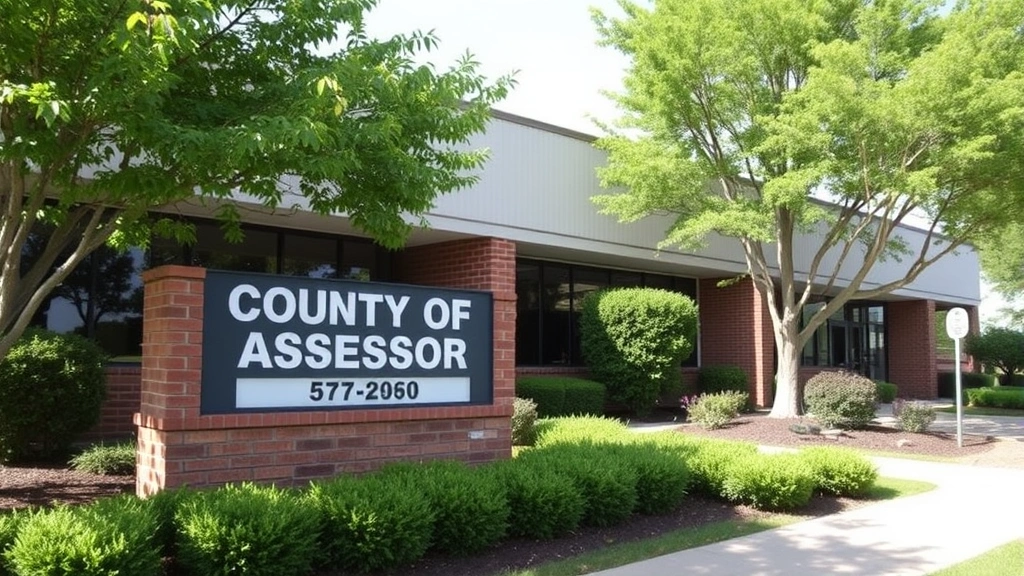
To claim the homestead exemption, you must have owned the property for at least 12 months and it must be your primary residence. You file a simple form with the Adams County Assessor’s Office—many homeowners miss this benefit simply because they don’t know to apply. If you recently purchased a home in Adams County, check whether you’re already receiving this exemption; if not, apply immediately to recover back taxes.
Senior & Disabled Property Tax Relief
Colorado offers additional relief for seniors (age 65+) and people with disabilities. The Senior/Disabled Property Tax Deferral program allows eligible homeowners to defer property taxes, paying them back when the property is sold or transferred. This is a lifesaver for fixed-income retirees who own their homes outright but struggle with annual tax bills.
There’s also a Senior/Disabled Exemption that provides up to a $200,000 reduction in assessed value for those who qualify. Combined with the standard homestead exemption, this can dramatically lower your tax obligation. Application deadlines vary, so contact the Adams County Assessor’s Office before June 15 of the year you want relief to take effect. These programs are underutilized—don’t leave money on the table.

Payment Deadlines & Penalties
Adams County property taxes are due in two installments: the first half is typically due by April 10, and the second half by June 15. If you have a mortgage, your lender likely pays taxes from your escrow account, so you won’t handle this directly. But if you own your home free and clear, missing these deadlines triggers penalties and interest charges that compound quickly.
Late payments incur a 5% penalty plus interest at 8% annually. If you can’t pay in full, contact the Adams County Treasurer’s Office immediately—they sometimes offer payment plans for hardship situations. Penalties are waived only in rare circumstances, so treat these deadlines seriously. Set calendar reminders or enroll in automatic payment plans to avoid costly mistakes.
Appealing Your Assessment
If you believe your assessed value is too high, you have the right to appeal. The process begins with filing a written objection with the Adams County Assessor’s Office, typically between January 1 and March 15 each year. You’ll need evidence: recent appraisals, comparable sales data, property condition documentation, or proof of market changes.
The Assessor will review your objection and may adjust your valuation. If you disagree with their decision, you can appeal to the Adams County Board of Equalization. This board meets in spring to hear appeals. Many successful appeals involve homeowners showing that comparable properties sold for less or that their home has significant deferred maintenance. Professional appraisals strengthen your case, though they cost $300-500. If your potential tax savings exceed that cost, an appeal is worth pursuing.
Adams County vs. Other Colorado Counties
Adams County’s tax rates are fairly typical for the Front Range. When comparing to Wayne County property taxes or other jurisdictions, remember that Colorado’s 6.45% assessment ratio is uniform statewide—the difference comes from mill levies, which vary by school district and municipal services. Some rural counties have lower mill levies, while dense urban areas often have higher ones.

Adams County sits between Denver (which has higher rates due to city services) and rural eastern Colorado (which has lower rates). If you’re considering relocating within Colorado for tax reasons, the difference between counties is typically modest—usually $500-1,000 annually on a $400,000 home. School district quality and local services often matter more than minor tax differences.
Smart Tax Planning Strategies
Beyond claiming exemptions, strategic homeowners use several tactics to reduce Adams County property tax burden. First, ensure you’re receiving all available exemptions—homestead, senior, disabled, agricultural (if applicable), or veteran exemptions. Second, consider timing major renovations or improvements; substantial additions increase assessed value, so plan accordingly.
Third, if you’re a landlord with rental property in Adams County, work with a tax professional familiar with Colorado’s unique rules. You might deduct mortgage interest, maintenance, depreciation, and other expenses. Tools like a property tax calculator help you model scenarios. Finally, stay informed about ballot measures that affect tax rates—Colorado voters regularly decide on school funding and special district levies that impact your bill.
Frequently Asked Questions
What’s the difference between assessed value and market value?
Assessed value is 6.45% of market value in Colorado. Your market value is what your home would sell for; assessed value is what the county uses to calculate taxes. A $500,000 home has an assessed value of approximately $32,250. This lower assessment ratio is why Colorado property taxes are moderate compared to many states.
Can I appeal my assessment every year?
Yes, you can appeal annually during the objection period (usually January-March). However, the Assessor won’t reconsider your case if values haven’t changed materially. If your home hasn’t sold recently and comparable sales show similar values, a successful appeal is unlikely. Focus appeals on years when market conditions shift or you have new evidence.
Does my homestead exemption apply automatically?
No. You must file a form with the Adams County Assessor’s Office to claim the homestead exemption. Many homeowners miss this and lose the benefit. If you own your primary residence in Adams County, apply immediately—you may be able to recover back taxes from previous years.
What happens if I don’t pay my property taxes?
Unpaid taxes accumulate penalties (5%) and interest (8% annually). After several years of non-payment, the county can foreclose on your property and sell it at auction to recover the debt. This is rare, but it’s a serious consequence—never ignore property tax bills, even if you’re in financial hardship. Contact the Treasurer’s Office to discuss options.
Are property taxes deductible on my federal return?
Yes, but with a significant limitation. The SALT (State and Local Tax) deduction caps at $10,000 annually. If your property taxes plus state income taxes exceed $10,000, you can only deduct $10,000 total. Many Colorado homeowners with valuable properties hit this cap, so consult a tax professional about whether itemizing makes sense for you.
How do special taxing districts affect my bill?
Special districts (water, fire, school improvement, etc.) add mill levies on top of the base county and school district rates. Your tax bill shows each entity’s contribution. If you want to reduce a specific district’s levy, you can attend board meetings and vote in district elections. Understanding these components helps you advocate for the services you value.
Can I defer my property taxes?
Yes, if you’re a senior (65+) or disabled homeowner. Colorado’s Senior/Disabled Property Tax Deferral program lets you postpone payment until your property sells or you pass away. The deferred amount becomes a lien on your property, but it provides breathing room for fixed-income households.

Final Thoughts on Adams County Property Taxes
Adams County Colorado property tax doesn’t have to be mysterious or overwhelming. By understanding how assessments work, claiming all available exemptions, and staying aware of payment deadlines, you can manage this obligation effectively. The homestead exemption alone saves most owner-occupants roughly $825 annually—money that’s yours if you claim it.
If you’re new to the county, your first step is verifying that you’re receiving the homestead exemption. Your second step is reviewing your assessed value and considering an appeal if it seems high relative to comparable sales. For seniors or disabled homeowners, explore deferral and exemption programs immediately.
Finally, remember that property taxes fund schools, roads, fire departments, and other services you rely on. While nobody loves writing that check, understanding where your money goes makes the obligation feel less arbitrary. If you have questions specific to your property, the Adams County Assessor’s Office staff are generally helpful—don’t hesitate to reach out. For complex situations involving rental property, appeals, or federal tax implications, work with a local CPA or tax advisor who understands Colorado’s unique rules. Your investment in professional guidance often pays for itself through tax savings and peace of mind.
For context on how Adams County compares to other regions, explore resources like Ventura County property tax or Broward property tax guides. If you’re managing an estate or have complex financial planning needs, an estate tax calculator can help you understand the bigger picture.


