

The Catoosa County GA tax assessor office is your go-to resource for understanding property valuations, tax assessments, and how your real estate taxes are calculated in northwest Georgia. Whether you’re a homeowner, investor, or business owner, knowing how to work with the tax assessor can save you money and help you appeal unfair valuations.
Table of Contents
What Does the Tax Assessor Do?
The tax assessor’s office is essentially the gatekeeper of property taxation. These professionals are responsible for determining the fair market value of all real property within Catoosa County. Think of them as the neutral party who ensures everyone pays their fair share based on what their property is actually worth.
Here’s what they handle day-to-day:
- Inspecting and evaluating residential, commercial, and industrial properties
- Maintaining property records and ownership information
- Calculating assessed values used to determine your property tax bill
- Processing homestead exemption applications
- Managing appeals and reassessments
- Keeping the property tax roll current and accurate
Nobody enjoys the idea of their property being valued for tax purposes, but the assessor’s job is to be fair and consistent. If they overvalue your home, you’re paying more than you should. If they undervalue it compared to similar properties, that’s unfair to your neighbors.
Catoosa County Basics
Catoosa County sits in the northwest corner of Georgia, near Chattanooga, Tennessee. It’s a growing area with a mix of residential neighborhoods, agricultural land, and industrial properties. The county seat is Ringgold, and the area has seen steady development over the past decade.
The Catoosa County tax assessor’s office maintains records for thousands of properties across the county. They’re part of the larger property tax system that funds local schools, roads, and government services. Understanding how this office operates is crucial if you own property here.
The county’s tax base has been expanding with new residential developments and commercial growth. This means the assessor’s office is constantly updating valuations to reflect market changes. If you’ve owned property in Catoosa County for several years, you’ve likely seen your assessed value fluctuate.
How Property Valuation Works
The valuation process isn’t random or arbitrary—it’s based on specific methods and comparable sales data. The tax assessor uses several approaches to determine what your property is worth:
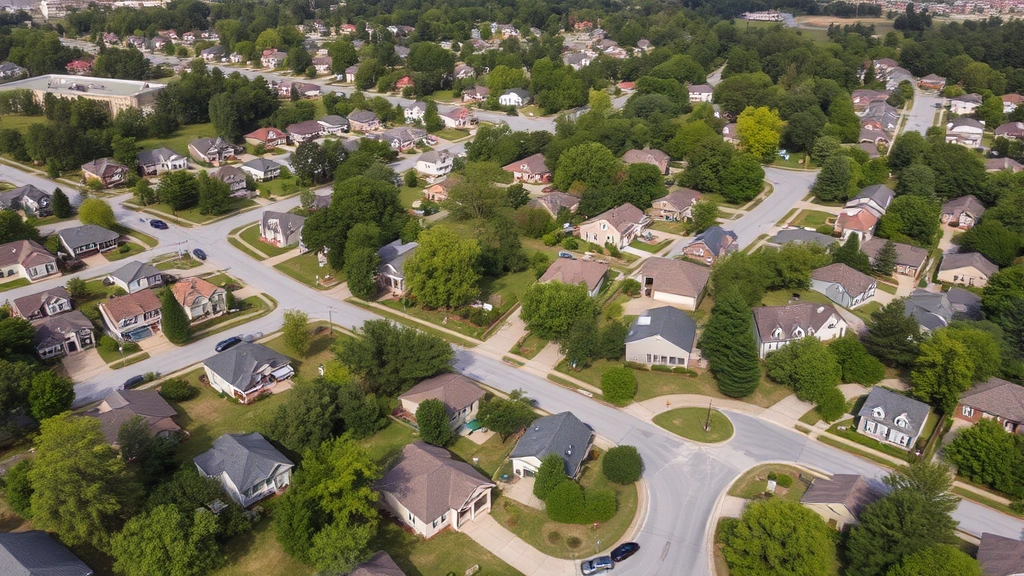
Sales Comparison Approach: This is the most common method for residential properties. Assessors look at recent sales of similar properties in your area to estimate your home’s value. If three comparable homes on your street sold for $350,000 to $375,000, your home will likely be assessed somewhere in that range.
Cost Approach: For newer properties or those with few comparable sales, assessors calculate the replacement cost of the building plus the land value. They subtract depreciation to arrive at a current value.
Income Approach: For rental properties and commercial real estate, assessors look at the income the property generates. A rental house that brings in $2,000 monthly will be valued differently than an owner-occupied home of the same size.
Georgia law requires assessments to be at 40% of fair market value. This is important—your assessed value isn’t the same as your market value. If your home is worth $300,000, the assessed value should be around $120,000. This 40% ratio is called the assessment ratio.
The assessor’s staff conducts physical inspections of properties, noting square footage, condition, improvements, and special features. They also track building permits and deed recordings to catch new construction or major renovations.
Accessing Your Property Records
You have the right to see what the tax assessor has on file about your property. This is public information, and it’s one of your best tools for understanding your assessment and spotting errors.
To access Catoosa County property records:
- Online: Visit the Catoosa County Tax Assessor’s website or the county’s property appraisal database. Most Georgia counties now offer online access to parcel maps, property details, and assessed values.
- In Person: Visit the tax assessor’s office in Ringgold during business hours. Staff can pull your file and explain the details of your assessment.
- By Phone: Call the assessor’s office with your parcel number or address. They can provide basic information over the phone.
When you pull your property record, look for:
- Parcel number and legal description
- Land value and building value breakdown
- Square footage of the house
- Number of bedrooms and bathrooms
- Year built and condition rating
- Special features (pool, garage, fireplace)
- Recent assessment history
Errors in these details are surprisingly common. If the assessor’s records show your 2,000 sq ft home as 2,500 sq ft, or list a bedroom that doesn’t exist, that’s inflating your assessment. Catching these mistakes can lead to a successful appeal.
Appealing Your Assessment
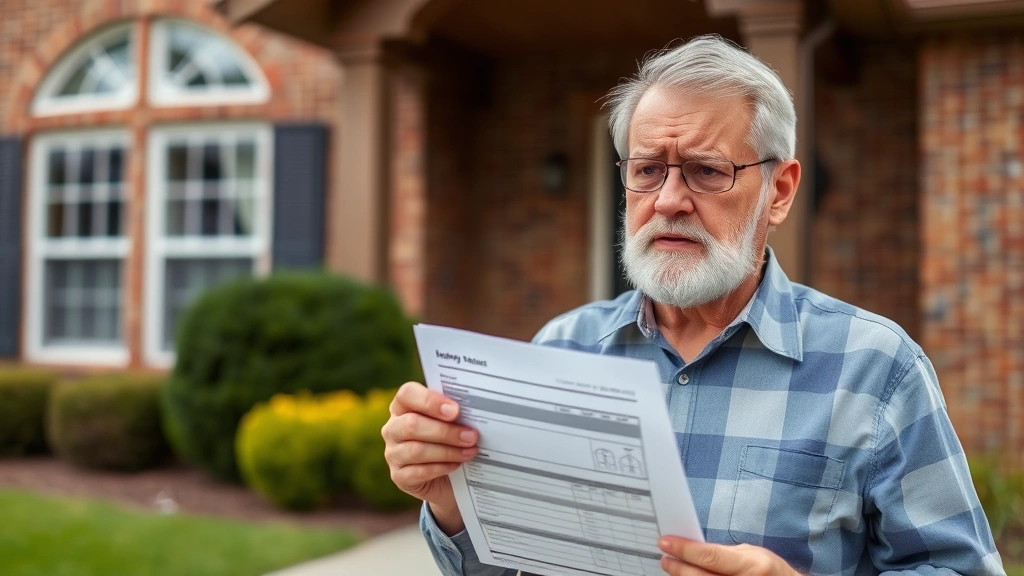
If you believe your property has been overvalued, you have the right to appeal. This is one of the most important powers you have as a property owner. Many people don’t appeal simply because they don’t know they can.
Georgia law provides a two-step appeal process:
Step 1: Board of Equalization (Usually March-April annually)
This is your first stop. You file a notice of appeal with the Catoosa County Board of Equalization, typically by a specific deadline each year. You’ll present your case—either in person or in writing—explaining why you believe your assessment is too high. Bring evidence like:
- Recent appraisals
- Comparable sales data from similar homes
- Photos showing property condition issues
- Documentation of needed repairs or renovations
- Professional appraisals from a licensed appraiser
Step 2: Superior Court Appeal (If you disagree with the Board’s decision)
If the Board of Equalization doesn’t rule in your favor, you can appeal to Catoosa County Superior Court within 30 days. This requires more formal legal proceedings and often benefits from professional representation.
The key to a successful appeal is documentation. Don’t just say your house is worth less—show why with hard evidence. If comparable homes in your neighborhood sold for less than your assessed value, that’s powerful evidence. If your home needs significant repairs, get estimates from contractors.
Many homeowners successfully reduce their assessments by 5-15% through the appeal process. It’s worth the effort if you believe your valuation is unfair.
Homestead Exemptions Explained
Georgia offers homestead exemptions that can significantly reduce your property tax burden. If you own and occupy your home as your primary residence, you likely qualify.
The primary homestead exemption exempts $25,000 of your home’s assessed value from school tax. This means if your home is assessed at $120,000, only $95,000 is subject to school taxes. For someone in a 15% school tax bracket, that’s $3,750 in annual savings.

Senior citizens (65 and older) can claim additional exemptions. If your income is below certain limits, you might qualify for an expanded exemption that covers all school taxes and some county taxes.
To claim homestead exemption:
- File an application with the Catoosa County tax assessor
- Provide proof of ownership and residency
- Meet age and income requirements if claiming senior exemptions
- File before the deadline (usually February or March)
This is one exemption you absolutely should not miss. It’s free money—literally a reduction in what you owe. If you’ve owned your home for years and never applied for homestead exemption, contact the assessor immediately. You may be able to claim back years of refunds.
Understanding Tax Rates
Your property tax bill comes from multiplying your assessed value by the applicable tax rate. In Georgia, tax rates are set by individual municipalities and school districts, not the state.
Catoosa County property taxes typically include:
- County tax: Funds county government and services
- School tax: Funds the Catoosa County School District
- City/municipal tax: If your property is within city limits (Ringgold, Tunnel Hill, etc.)
For example, if your assessed value is $120,000 and the combined tax rate is 1.2%, your annual property tax would be $1,440. Rates vary slightly by location within the county.
You can find current tax rates by contacting the tax assessor or checking the county website. Rates can change annually as local budgets are approved, so it’s worth checking if you’re doing financial planning.
Understanding the breakdown of your tax bill helps you see where your money goes. If you’re unhappy with property tax levels, attending county commission or school board meetings gives you a voice in the budgeting process.

Avoiding Common Mistakes
Here are the biggest errors homeowners make when dealing with property taxes and assessments:
Mistake #1: Not Applying for Homestead Exemption
This is the most expensive mistake. Missing the deadline or not knowing you qualify costs thousands over the years.
Mistake #2: Ignoring Assessment Notices
When you receive your assessment notice, don’t just file it away. Review it carefully. If something seems wrong, act on it immediately. The appeal deadline passes quickly.
Mistake #3: Making Major Improvements Without Informing the Assessor
Actually, scratch that—don’t inform them. If you add a room, pool, or significant renovation, the assessor will eventually find out (through building permits or physical inspection), and your assessment will increase. But you can’t appeal after the fact. The timing matters.
Mistake #4: Using Online Estimates as Appeal Evidence
Zillow and Redfin estimates are not acceptable evidence in an appeal. You need actual sales data, professional appraisals, or certified assessments. Online estimates are often wildly inaccurate.
Mistake #5: Not Comparing Your Assessment to Similar Properties
If your neighbor’s identical home is assessed $15,000 lower, that’s a red flag. The assessor should be treating similar properties similarly. This discrepancy is strong appeal evidence.
Mistake #6: Missing Exemptions You Qualify For
Beyond homestead exemptions, there are exemptions for veterans, disabled persons, and agricultural land. If you qualify, you need to apply.
Frequently Asked Questions
How often does the Catoosa County tax assessor revalue properties?
Georgia law requires assessments to be updated at least every four years. However, many counties, including Catoosa, do annual assessments to keep values current with market changes. You’ll receive a notice if your assessment changes significantly.

Can I see comparable sales data used in my assessment?
Yes. When you appeal or request information, you can ask to see the comparable properties the assessor used to value your home. This helps you understand their methodology and challenge it if the comparables aren’t truly similar to your property.
What happens if I disagree with the Board of Equalization’s decision?
You have 30 days to file an appeal with Catoosa County Superior Court. This is a formal legal proceeding. Many people hire a property tax attorney or appraiser to represent them at this level. The cost is usually worth it if your property value is significantly disputed.
Do rental properties get assessed differently than owner-occupied homes?
Yes. Rental properties are typically valued using the income approach, while owner-occupied homes use the sales comparison approach. This means a rental property might be valued higher than an owner-occupied home of the same size and condition, because it generates income.
How do I find the Catoosa County tax assessor’s office contact information?
Contact information is available through the Catoosa County government website or by calling county administration. The assessor’s office is typically located in Ringgold, the county seat. You can also find property information through the county’s online portal.
What’s the difference between assessed value and market value?
Market value is what your home would sell for today. Assessed value is what the tax assessor determines it’s worth for tax purposes. In Georgia, assessed value should be 40% of fair market value. So a $300,000 home should have an assessed value around $120,000.
Can I request a reassessment if property values in my area have declined?
Yes. If the real estate market in your neighborhood has declined and comparable homes are selling for less, you can appeal your assessment. You’ll need recent sales data showing the decline to support your case.
Are there any differences between real estate tax and property tax?
In Georgia, these terms are used interchangeably. Both refer to the annual tax you pay on real property based on assessed value. The tax funds local schools, county government, and municipal services.
Final Thoughts
Working with the Catoosa County GA tax assessor doesn’t have to be intimidating. Understanding how assessments work, knowing your rights, and staying informed about your property’s valuation puts you in control of your tax situation. Whether you’re reviewing your assessment, appealing an unfair valuation, or claiming exemptions you’re entitled to, the key is taking action.
Start by accessing your property records online or visiting the assessor’s office. Review the details for accuracy. If you believe your assessment is too high, gather evidence and file an appeal. And if you haven’t claimed your homestead exemption, do it immediately—that’s money back in your pocket every single year.
Property taxes are one of the largest expenses homeowners face. Taking time to understand how the Catoosa County tax assessor determines your bill is time well spent. You’ve earned the right to a fair assessment, and you have the tools to ensure you get one. For related information on Georgia property taxation, check out our guides on GA car ad valorem tax and other Georgia county tax assessors.


