

The city of Bristol tax collector office handles one of the most important financial responsibilities for property owners in Bristol, Connecticut. Whether you’re a longtime homeowner or new to the area, understanding how to work with your local tax collector can save you money, prevent penalties, and keep your property in good standing. This guide walks you through everything you need to know about paying taxes, deadlines, and services available through Bristol’s tax collector office.
Table of Contents
What Does Your Tax Collector Do?
Your local tax collector is essentially the financial gatekeeper for municipal services. The city of Bristol tax collector’s office collects property taxes, motor vehicle taxes, and other municipal fees that fund schools, roads, emergency services, and community programs. Think of them as the bridge between your tax obligations and the services you rely on daily.
Beyond just collecting payments, the tax collector maintains detailed records of all tax accounts, issues tax bills, processes payments, and handles inquiries about your account. They’re also responsible for enforcing tax collection laws, which means they can place liens on properties or pursue legal action if taxes go unpaid for extended periods. It’s not a role designed to be punitive—it’s about ensuring the municipality has the revenue needed to operate.
The office also handles exemptions, abatements, and appeals if you believe your assessment is incorrect. If you’ve experienced a significant change in your property’s value or circumstances, the tax collector’s office can direct you to the proper channels for relief.
Payment Methods Available
Bristol offers multiple ways to pay your taxes, making it convenient whether you prefer traditional methods or digital solutions. Here’s what’s typically available:
Online Payment: Most municipalities, including Bristol, allow you to pay through their official website using a credit card, debit card, or bank transfer. Online payments are fast, secure, and provide immediate confirmation.
In-Person Payments: You can visit the tax collector’s office during business hours to pay with cash, check, or card. This method works well if you prefer face-to-face interaction or have questions about your account.
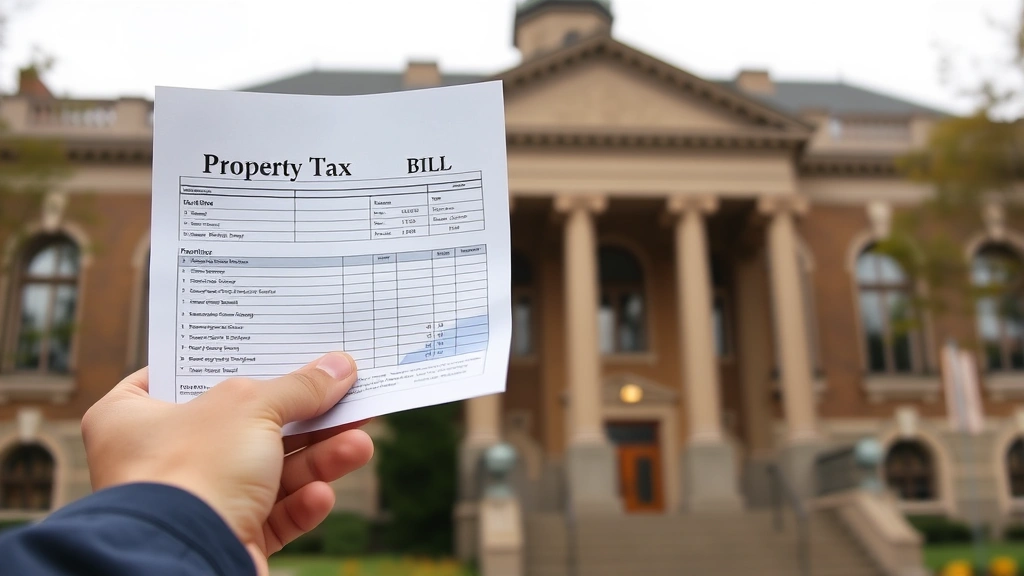
Mail Payments: Sending a check through the postal service remains a reliable option. Always include your tax account number and bill stub to ensure your payment is credited correctly. Mail payments typically take 7-10 business days to process, so plan accordingly to avoid late fees.
Automatic Payments: Many tax collectors offer automatic payment arrangements where funds are withdrawn directly from your bank account on the due date. This eliminates the risk of forgetting a deadline.
Similar to how residents in Torrington and Norwich manage their tax obligations, Bristol residents benefit from these flexible payment options.
Property Tax Deadlines
Connecticut property tax deadlines are typically split into two installments per year, though Bristol may have its own specific schedule. Generally, property owners can expect bills in July and December, with payments due around the end of August and January. However, these dates can vary, so checking your bill or the tax collector’s website is essential.
Missing a deadline isn’t just an inconvenience—it triggers interest charges and potential penalties. Connecticut law allows the tax collector to add interest starting the day after the due date. The interest rate is usually around 1.5% per month, which compounds quickly on larger balances.
Understanding your municipality’s specific deadlines is crucial. If you live in Bristol but own property elsewhere, like in Hamden, you’ll need to track multiple payment schedules. Keeping a calendar or setting phone reminders helps prevent accidental late payments.

Late Payments and Penalties
Nobody wants to think about penalties, but understanding them helps you avoid costly mistakes. In Connecticut, late property tax payments typically accrue interest at 1.5% per month (18% annually). This means a $5,000 tax bill unpaid for three months could accumulate $225 in interest charges alone.
Beyond interest, the city of Bristol tax collector can place a lien on your property if taxes remain unpaid. A tax lien is a legal claim against your home that affects your credit score and makes it difficult to sell, refinance, or borrow against the property. It’s a serious matter that can take years to resolve.
If you’re facing financial hardship, don’t ignore your tax bill. Contact the tax collector’s office immediately. Many municipalities offer payment plans, temporary deferrals, or hardship programs. Being proactive shows good faith and gives you options before penalties escalate.
Finding Your Account Information
Your tax account number is your key to managing your taxes efficiently. It appears on your property tax bill and is used by the tax collector to track all payments and balances associated with your property.
If you’ve lost your bill or need your account number, contact the tax collector’s office directly. You’ll typically need to provide your property address or parcel number. Most offices can retrieve this information within minutes.
Your account information also shows your assessed property value, mill rate (the tax rate applied to your assessed value), and payment history. Reviewing this information annually helps you understand why your taxes might increase or decrease year to year. Property assessments can shift due to market changes, home improvements, or municipal reassessment cycles.

Online Services and Tools
Modern tax collector offices provide online portals where you can check your balance, view payment history, and sometimes make payments directly. These tools are invaluable for staying organized and catching errors before they become problems.
Through the Bristol tax collector’s online system, you can:
- Check your current tax balance and payment history
- View copies of your tax bills
- Make online payments with a credit or debit card
- Set up automatic payment arrangements
- Submit questions or requests electronically
- Download tax documents for financial or legal purposes
Having 24/7 access to your account means you’re never dependent on office hours to get information. You can verify a payment was received, check if a bill has been issued, or review your account status at any time.
Motor Vehicle Tax Information
Connecticut residents often forget that motor vehicles are also subject to local property taxes. The city of Bristol tax collector handles vehicle tax bills, which are typically issued annually based on your vehicle’s assessed value.
Vehicle tax bills usually arrive in the fall and are due by the end of the year. The amount depends on the vehicle’s age, type, and market value. Unlike income tax, these are local taxes that fund municipal services directly.
If you’ve sold a vehicle or moved out of state, notify the tax collector’s office to avoid receiving bills for a vehicle you no longer own. Similarly, if you’ve recently moved to Bristol, expect to receive a vehicle tax bill if your vehicle is registered to a Bristol address.
Setting Up Payment Plans
If you can’t pay your full tax bill by the due date, don’t panic. The city of Bristol tax collector may offer payment plans that spread your obligation across multiple months. This option is particularly helpful if you’re facing a temporary cash flow issue.
To request a payment plan, contact the tax collector’s office before the due date. They’ll review your situation and may offer installment arrangements. Plans typically require you to pay interest on the unpaid balance, but it’s usually less punitive than the interest that accrues on delinquent accounts.
Payment plans show the tax collector that you’re taking your obligation seriously. This proactive approach can also help if you later need to appeal your assessment or request other relief. Demonstrating responsibility strengthens your credibility with the office.
Getting in Touch
The Bristol tax collector’s office maintains regular business hours, typically Monday through Friday during standard business hours. You can reach them by phone, email, or in person at the municipal building.
When you contact the office, have your tax account number or property address ready. This speeds up the process and ensures the staff can quickly access your information. If you’re calling with a question about a specific bill or payment, having that bill in front of you is helpful.
If you need specialized assistance—such as information about exemptions, assessment appeals, or tax advocate services—the tax collector can direct you to the right department or provide referrals to qualified professionals.
Frequently Asked Questions
What is the difference between assessed value and market value?
Your property’s assessed value is determined by the town assessor and is used to calculate your tax bill. Market value is what your home would sell for on the open market. Assessed values are typically lower than market values and are updated periodically through reassessment cycles. If you believe your assessed value is incorrect, you can file an appeal with the assessor’s office.
Can I get a property tax exemption?
Connecticut offers various exemptions for seniors, veterans, disabled persons, and certain religious organizations. The city of Bristol tax collector’s office can provide information about eligibility and the application process. Exemptions can significantly reduce your tax burden if you qualify.
What happens if I don’t pay my property taxes?
Unpaid property taxes accrue interest, penalties, and eventually result in a tax lien being placed on your property. If taxes remain unpaid for an extended period, the municipality may foreclose on the property. This is a serious matter that should be addressed immediately by contacting the tax collector.
How do I know if my payment was received?
Check your online account through the tax collector’s portal, or call the office to confirm payment receipt. Keep receipts for in-person or mailed payments. Online payments typically provide immediate confirmation.
Can I appeal my property tax assessment?
Yes. If you believe your assessment is incorrect, you can file an appeal with the town assessor. The deadline is usually within a specific timeframe after receiving your bill. The tax collector’s office can provide information about the appeal process and deadlines.
Are there payment options if I’m experiencing hardship?
Many municipalities offer hardship programs, payment plans, or temporary deferrals. Contact the tax collector’s office to discuss your situation. Being upfront about financial difficulties often opens more options than ignoring the bill.
Moving Forward With Confidence
Managing property taxes through the city of Bristol tax collector doesn’t have to be stressful. By understanding your deadlines, payment options, and account information, you can stay in control of this important financial obligation. The tax collector’s office exists to serve your community and collect the revenue needed for essential services.
Set reminders for tax deadlines, keep copies of your bills and payment receipts, and don’t hesitate to reach out with questions. Tax collectors are used to answering the same questions repeatedly—it’s part of their job. Staying organized and proactive prevents penalties, protects your property, and ensures you’re contributing your fair share to Bristol’s community services.
Whether you’re a new homeowner or a longtime Bristol resident, the resources and flexibility available through your tax collector’s office make managing taxes manageable. Take advantage of online tools, set up automatic payments if possible, and reach out if you need help. Your future self will thank you for staying on top of this responsibility today.


