
The Contra Costa County tax collector plays a crucial role in managing property taxes, vehicle registration fees, and other essential tax obligations for residents and businesses throughout the county. Whether you’re a homeowner, business owner, or simply looking to understand your tax responsibilities, knowing how to work with the tax collector’s office can save you time, money, and headaches down the road.
Table of Contents
What Does the Tax Collector Do?
Think of the Contra Costa County tax collector as the financial backbone of local government operations. This elected official (or their appointed office staff) is responsible for collecting, processing, and accounting for property taxes, vehicle license fees, and other assessments that fund schools, fire departments, libraries, and community services you rely on daily.
The tax collector’s office doesn’t determine how much you owe—that’s the job of the county assessor. Instead, they handle the billing, collection, and enforcement side of things. They’re essentially the middleman between taxpayers and the county budget.
According to the official Contra Costa County website, the tax collector manages millions of dollars annually while maintaining accurate records and ensuring compliance with state and federal tax laws.
Payment Methods Available
The good news? You’ve got options when it comes to paying your taxes. The Contra Costa County tax collector accepts payments through multiple channels, recognizing that one-size-fits-all doesn’t work for everyone.
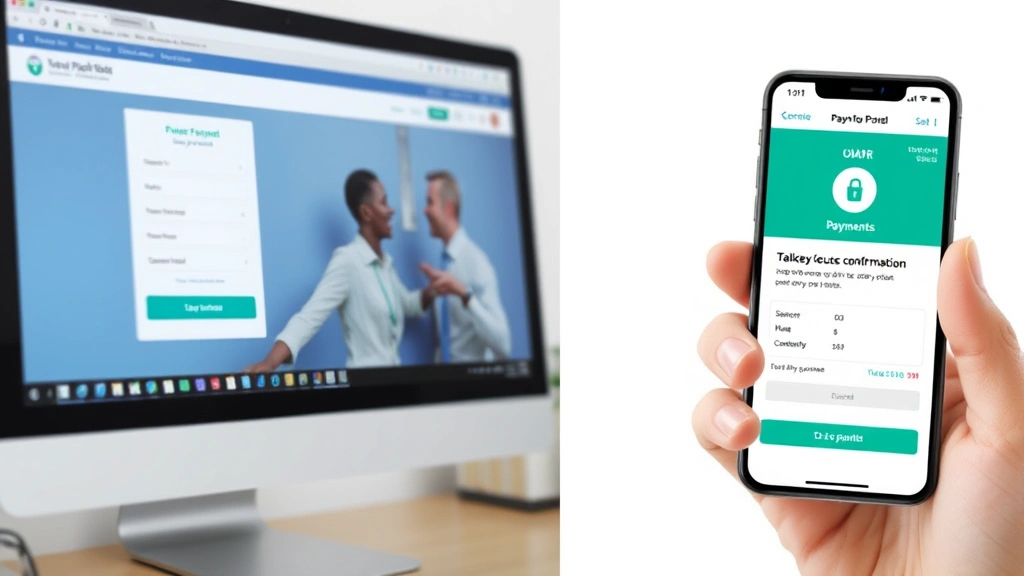
Online Payment: The easiest method for most people. You can pay directly through the county’s secure portal using a bank account or credit card. Online payments typically process within 24 hours, and you’ll receive instant confirmation.
Mail: Still prefer the traditional route? You can mail your payment to the tax collector’s office. Just make sure to include your property account number or vehicle information to ensure proper posting.
In-Person: Walk into any of the county’s payment locations and pay with cash, check, or card. This works great if you need to ask questions or clarify something about your bill.
Phone Payment: Call the office and pay over the phone using a debit or credit card. It’s convenient and takes just a few minutes.
Automatic Bank Drafts: Set up recurring payments to avoid late fees. Many people use this method for peace of mind—your payment goes out automatically on the due date.
Property Tax Basics in Contra Costa
Property taxes fund essential services, but they can also be confusing. Here’s what you need to know about how they work in Contra Costa County.
California’s Proposition 13 limits property tax rates to 1% of assessed value, which is actually one of the lowest rates in the nation. However, your actual bill includes assessments for schools, local services, and special districts, which can add up.
Your property tax bill is based on the assessed value of your home, not the market value (though assessments do increase when properties sell). The county assessor determines this value, while the tax collector handles the billing and collection.
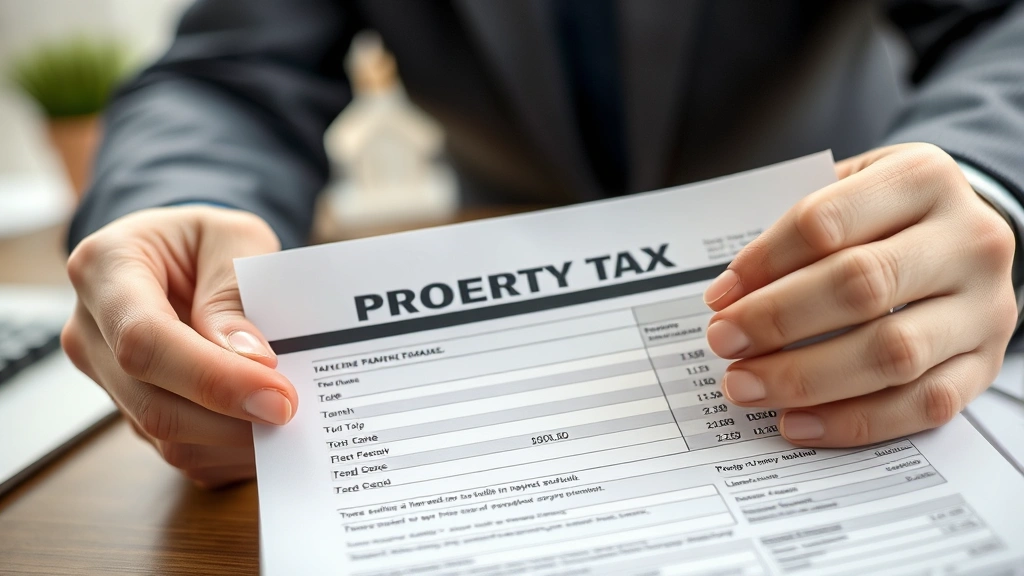
Most property owners in California pay taxes twice yearly—typically in November/December and February/March. Missing these deadlines can result in penalties and interest charges that compound quickly. If you’re struggling with property taxes, don’t ignore the bills; contact the tax collector’s office to discuss payment plans or hardship options.
Similar to how the Alameda County sales tax operates in neighboring regions, Contra Costa’s tax system is interconnected with state and local revenue streams.
Vehicle Registration & Fees
Your vehicle registration isn’t just a DMV matter—the tax collector’s office plays a role in collecting vehicle license fees and registration-related assessments. These fees vary based on your vehicle’s value and type.
When you register a vehicle in Contra Costa County, you’ll owe registration fees that go directly to the tax collector. These fees support local transportation infrastructure and services. The amount you pay depends on factors like:
- Vehicle type (car, truck, motorcycle, RV)
- Vehicle age and depreciated value
- Any applicable local assessments
- Special district fees
The tax collector’s office coordinates with the DMV to ensure these fees are collected properly. If you’re moving to Contra Costa or registering a new vehicle, budget for these fees—they’re non-negotiable but manageable when you plan ahead.
Online Services & Resources
The Contra Costa County tax collector has modernized significantly, offering robust online services that make managing your taxes easier than ever.
You can check your account balance, view payment history, set up automatic payments, and print tax bills online. The county’s website also provides resources about:
- Exemptions you might qualify for (senior, disabled, veteran, agricultural)
- Installment payment plans for those with financial hardship
- Property tax appeals and assessment challenges
- Lien information and foreclosure details
The online portal is user-friendly and secure. You’ll need your property account number or vehicle information to access it. If you don’t have your account number, the office staff can help you find it quickly.
Many residents also appreciate the ability to view county tax assessor information through integrated county systems, which helps you understand how your property value was determined.
Important Payment Deadlines
Mark these dates on your calendar—missing them can cost you money in penalties and interest.
First Installment: Due November 1st; becomes delinquent December 10th. A 10% penalty applies if you miss the December 10th deadline.
Second Installment: Due February 1st; becomes delinquent April 10th. Again, a 10% penalty applies for late payment.
These deadlines are firm. The tax collector’s office doesn’t have discretion to waive them, though they can work with you on payment arrangements if you’re facing genuine hardship.
Pro tip: Pay early. There’s no advantage to waiting until the last minute, and paying early protects you from unexpected issues (mail delays, system glitches, life chaos) that might cause you to miss the deadline.
If you know you’ll struggle to pay, contact the office before the deadline. They can discuss installment plans or other options. Waiting until after the deadline significantly limits your options.
How to Contact the Office
When you need to reach the Contra Costa County tax collector, you have several options:
Phone: Call during business hours (typically 8 AM to 5 PM, Monday through Friday). Have your account number or property information ready.
In-Person: Visit the main office in Martinez or any of the regional payment locations throughout the county. This is ideal if you have complex questions or need to discuss payment arrangements.
Mail: Send correspondence to the tax collector’s office address listed on your tax bill. Include your account number and a clear description of your question or issue.
Email: Check the county website for email contact options. Email responses may take a few business days.
Online Portal: Many routine inquiries can be handled through the secure online system without needing to contact staff directly.
The staff at the Contra Costa County tax collector’s office are generally helpful and professional. They understand that taxes are stressful, and they’re there to help you navigate the system. Don’t hesitate to ask questions—that’s literally their job.
Resolving Common Tax Issues
Here are some problems residents frequently encounter and how to address them:
Receiving Bills for Property You Don’t Own: This happens more often than you’d think, especially after property sales. Contact the assessor’s office (not the tax collector) to correct the ownership record. The tax collector will then send bills to the correct owner.
Disputing Your Assessment: If you believe your property is over-assessed, you can file a formal appeal. The deadline is usually 30 days from when you receive your bill. The assessor’s office handles these appeals, not the tax collector.
Payment Posted Late: If you paid on time but the tax collector shows it as late, request documentation of your payment. If you mailed a check, the postmark date matters. If you paid online, you should have a confirmation number.
Lost or Damaged Bill: You can request a duplicate through the online portal or by calling the office. Don’t ignore bills just because you lost the original—you’re still responsible for paying.
Property Tax Exemptions: Seniors, disabled persons, veterans, and owners of agricultural land may qualify for exemptions or reductions. Contact the assessor’s office to apply. The tax collector will adjust your bill once approved.
Frequently Asked Questions
What happens if I don’t pay my property taxes?
Unpaid property taxes result in penalties, interest, and eventually a tax lien on your property. If taxes remain unpaid for several years, the county can foreclose and sell your property to recover the debt. The process takes time, but it’s serious—don’t ignore unpaid taxes.
Can I pay my taxes in installments?
Yes, if you’re experiencing financial hardship. Contact the tax collector’s office to discuss payment plans. They’re generally flexible if you communicate before missing a deadline.
Do I need to pay property taxes if I’m renting?
No, the property owner (your landlord) pays property taxes. However, you may pay other taxes like sales tax and income tax, which are separate from property taxes.
How do I know if my property assessment is correct?
Review your assessment notice, which shows how the assessor calculated your property’s value. If you disagree, you can file an appeal. The assessor’s office provides information about comparable properties and assessment methodology.
Can I deduct my property taxes on my federal income tax return?
Yes, if you itemize deductions. The SALT (State and Local Taxes) deduction is capped at $10,000 per year as of 2023. Consult a tax professional about whether itemizing makes sense for your situation.
What if I move out of Contra Costa County?
Notify the assessor’s office of your move. You’re responsible for property taxes until the property is sold or transferred. The new owner becomes responsible for future taxes.
Final Thoughts
The Contra Costa County tax collector’s office isn’t your enemy—they’re a resource. Yes, paying taxes stings, but that money funds schools, emergency services, and infrastructure that benefit everyone. Understanding how the system works and staying on top of deadlines prevents costly penalties and stress.
If you’re confused about your bill, struggling to pay, or have questions about exemptions, reach out. The office staff deal with these issues daily and can usually point you toward solutions. Whether you’re dealing with property taxes or vehicle fees, taking action early is always better than waiting until problems compound.
For reference on how other California counties manage similar services, check out resources like the Kern Tax Collector office, which operates under similar state regulations. You can also learn about tax collection practices in other regions like the City of Norwich Tax Collector or Town of Stratford Tax Collector to understand different approaches to tax administration.
Stay organized, pay on time, and don’t hesitate to ask questions. That’s the formula for a smooth relationship with your local tax collector’s office.


