

Crow Wing County property tax is a critical expense for homeowners and property investors in central Minnesota, and understanding how it works can save you thousands of dollars. Whether you’re buying your first home in Brainerd, refinancing an existing property, or managing investment real estate, knowing the ins and outs of local tax rates, assessment procedures, and available exemptions is essential to your financial planning.
As a CPA who’s helped countless clients navigate property tax obligations across Minnesota, I can tell you that most people overpay simply because they don’t understand the system. This guide walks you through everything you need to know about Crow Wing County property taxes in 2024.
Table of Contents
Understanding Property Tax Basics
Property taxes in Minnesota fund essential local services: schools, roads, emergency services, and county administration. Unlike income tax, which goes to federal and state governments, property tax stays local. In Crow Wing County, the county assessor determines your property’s market value, and the county auditor applies the tax rate to calculate what you owe.
Here’s the simple formula: Assessed Value × Tax Rate = Property Tax Owed
The tricky part? Minnesota law requires properties to be assessed at market value—what a willing buyer would pay a willing seller. This means your tax bill can jump significantly when the market heats up, even if you haven’t made improvements to your home. Many homeowners get blindsided by this reality, especially in growing areas like Brainerd where property values have appreciated steadily.
One thing that surprises people: your property tax bill includes more than just county taxes. It’s a stack of levies from the county, school district, city (if applicable), and special districts. Understanding this breakdown helps you see where your money actually goes.
Crow Wing County Tax Rates 2024
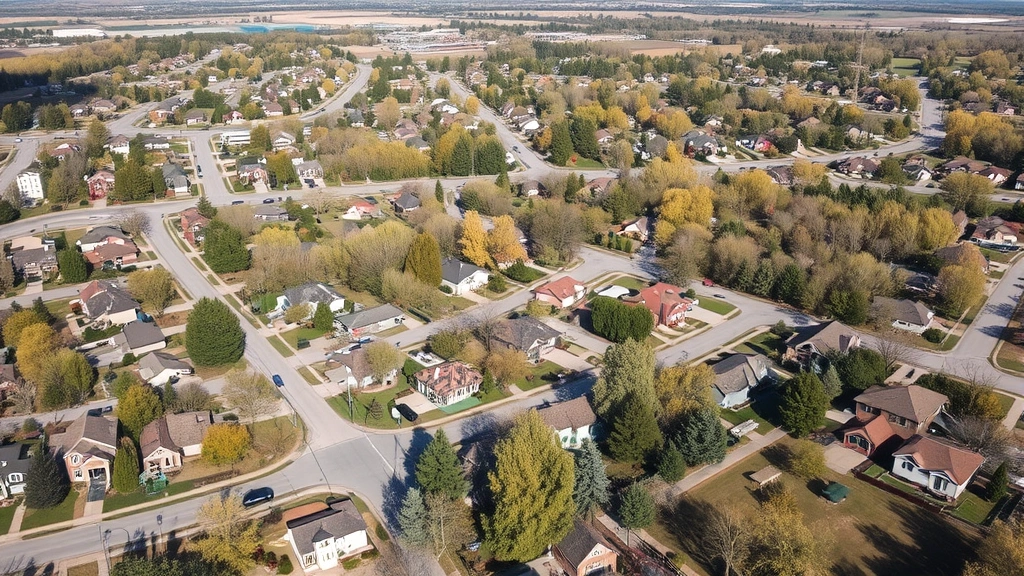
Crow Wing County’s effective property tax rate for 2024 sits around 1.0–1.2% of assessed value for residential homesteads, though this varies based on your specific location within the county. Brainerd city residents pay different rates than rural unincorporated areas. Baxter, Pequot Lakes, and other incorporated municipalities each have their own school districts and city levies, which directly affect your total bill.
To find your exact rate, you’ll need to know your property’s tax class. Minnesota uses different classes: homestead residential (owner-occupied homes), non-homestead residential (rental properties), commercial, agricultural, and others. Homestead properties get preferential treatment—lower assessment ratios and exemptions—which is why it matters whether your property qualifies.
The county assessor’s office publishes a tax rate notice each year, typically in December. This notice shows the combined levy from all taxing authorities affecting your parcel. If you haven’t received yours, contact the Crow Wing County Assessor directly or check their online property search tool.
For comparison, if you’re looking at property taxes in neighboring counties, check out our guides on Winnebago property taxes and Henry County property tax to see how Crow Wing stacks up regionally.
How Property Assessment Works
Every three years, Minnesota requires a complete revaluation of all properties. Crow Wing County assessors physically inspect properties, review recent sales data, and estimate market value. In between those triennial inspections, assessors update values based on market trends and property changes you’ve reported.
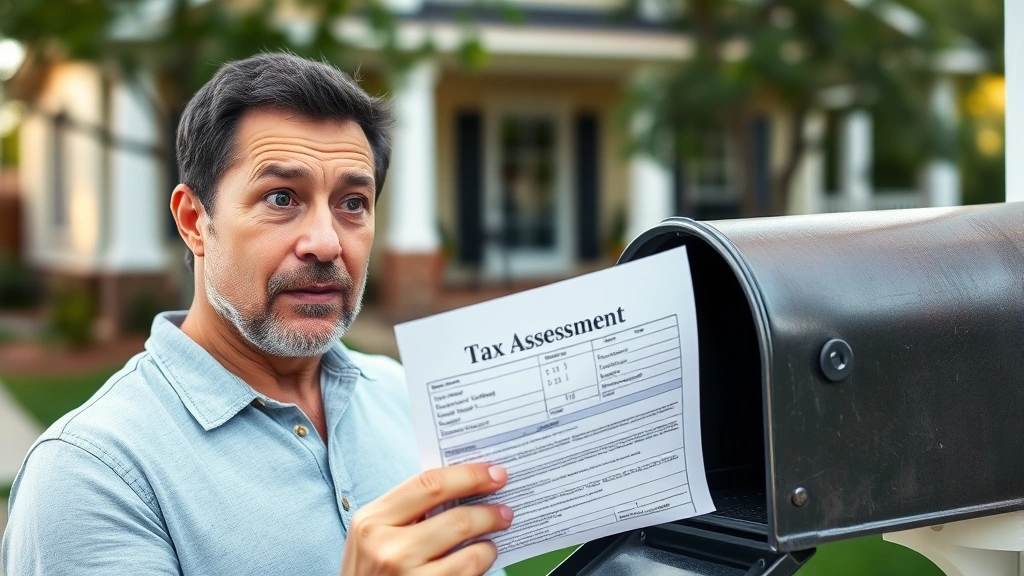
The assessment process starts when the county assessor values your property, then sends you a notice of value. This is your chance to object. Many people ignore this notice thinking it’s just informational—that’s a mistake. If you disagree with the assessed value, you have a limited window (typically 30 days) to file a formal objection, called an appeal to the county assessor.
Here’s what assessors consider: square footage, condition, age, location, recent comparable sales, and improvements you’ve made. They don’t always get it right. I’ve seen properties assessed 15–20% above actual market value, especially when comparable sales data is thin or the assessor hasn’t physically visited recently.
If you’re buying property, the purchase price doesn’t automatically become the assessed value—that’s another misconception. The assessor independently determines value, though recent arm’s-length sales are heavily weighted in that determination.
Homestead Exemption Benefits
Minnesota’s homestead exemption is one of the best tax breaks available to owner-occupants. If you own and live in your home as your primary residence, you can claim homestead status, which lowers your assessment ratio and caps tax increases.
Here’s how it works: homestead residential properties are assessed at 1.0% of market value (the lowest rate in Minnesota), while non-homestead residential properties are assessed at 1.25%. That might sound small, but on a $300,000 home, it’s the difference between a $3,000 and $3,750 assessment—saving you roughly $100+ annually in taxes depending on your local levy.
Beyond the lower assessment ratio, Minnesota caps homestead property tax increases at 2% per year, even if your home’s market value skyrockets. This is huge in appreciating markets. Without this cap, homeowners in hot real estate markets would see runaway tax bills. The cap resets when you sell or stop using the property as your primary residence.
To claim homestead status, file Form HF (Homestead Property Tax Refund Claim) with the county assessor by December 15 of the assessment year. If you’ve just bought a home, do this immediately. If you’ve owned for years but never filed, you may be able to claim back refunds for up to four years.
Agricultural & Business Exemptions
Own a farm or rural property in Crow Wing County? Agricultural land gets different treatment. If your property qualifies as agricultural (generally 10+ acres used for farming), it’s assessed at 0.85% of market value—even lower than homestead. Plus, you’re eligible for the agricultural exemption, which can reduce your tax bill significantly.
The catch: the land must be actively farmed. The county assessor will verify this. If you’re holding land speculatively or using it for something other than farming, you won’t qualify. And if you convert agricultural land to residential or commercial use, you’ll lose the exemption and face a rollback penalty (back taxes plus interest).
Business property is assessed at 1.25% of market value. If you operate a business from your home but maintain homestead status, you’re fine. But if you have a separate commercial building, that’s assessed at the higher business rate. Some business property qualifies for special exemptions—talk to a tax professional about your specific situation.
For more on specialized property tax situations, see our article on Cass County personal property tax, which covers similar exemptions in a neighboring county.
Payment Schedule & Deadlines
Property taxes in Minnesota are due in two installments: the first half is due May 15, and the second half is due November 15. If you have a mortgage, your lender typically pays taxes from an escrow account, so you won’t write separate checks—but you’re still paying through your monthly mortgage payment.
If you pay directly (no mortgage), the county auditor sends you a bill. Miss a payment, and you’ll owe a 1% penalty immediately, plus interest at 8% annually. After two years of non-payment, the county can foreclose on your property and sell it at tax forfeiture sale. This isn’t a threat—it happens regularly.
Here’s a pro tip: if your financial situation changes (job loss, medical emergency), contact the county auditor about a payment plan. They have authority to work with you rather than immediately enforce penalties. It’s worth asking.

Some people set up automatic payments through their bank or the county’s online system. This removes the risk of forgetting and incurring penalties. The county auditor’s office also offers a homestead property tax refund (Form HF) for those with lower incomes, which can offset some of your bill.
Appealing Your Assessment
Not happy with your assessed value? You have rights. The first step is filing an appeal to the county assessor within 30 days of receiving your notice of value. This is informal and free. Bring comparable sales data showing your home is worth less than the assessment, photos showing condition issues, or documentation of property defects.
If the assessor denies your appeal, you can escalate to the County Board of Review (usually meets in June/July). This is more formal but still accessible to homeowners without a lawyer. Bring your evidence, be prepared to speak briefly, and let the numbers do the talking.
If you lose at the Board of Review, your final option is the Minnesota Tax Court. This requires hiring an attorney and is expensive, so most people stop at the Board of Review level. However, if your assessment is egregiously wrong—say, $150,000 overvalued—it might be worth pursuing.
Timing matters. You must appeal within the calendar year of the assessment. Miss the deadline, and you’re locked in for that year. Mark your calendar when you receive the notice of value and act immediately if you disagree.
Tax Reduction Strategies
Beyond exemptions and appeals, here are legitimate ways to reduce your Crow Wing County property tax bill:
1. Verify Your Homestead Status – Surprisingly, many homeowners forget to file or let their status lapse after moving. Check with the assessor’s office to confirm you’re coded as homestead. If not, file immediately and claim back refunds.
2. Document Property Defects – If your roof is failing, foundation is cracking, or systems are failing, the assessor should account for this in the value. Get a professional inspection and submit it with your appeal.

3. Challenge Comparable Sales Used – Assessors rely on comps. If they’re using sales from different neighborhoods or properties unlike yours, challenge that methodology. Bring your own comps showing lower values.
4. Monitor Market Conditions – In declining markets, appeal aggressively. In stable markets, appeals are harder to win but still possible if your home is genuinely overvalued.
5. Explore Tax Credits – Beyond homestead exemptions, Minnesota offers the homestead property tax refund for lower-income households. Don’t assume you don’t qualify—the income limits are higher than many people think.
6. Consider Long-Term Planning – If you’re buying investment property, structure it strategically. A multi-unit rental property might qualify for different treatment than single-family rentals. Consult a tax advisor before buying.
For more on property tax fundamentals, check our article on whether real estate tax is the same as property tax—it clarifies terminology that confuses many people.
Frequently Asked Questions
What’s the difference between assessed value and market value?
Assessed value is what the county assessor estimates your home is worth for tax purposes. Market value is what it would actually sell for. Minnesota law requires assessments at market value, but assessments often lag behind actual market conditions, especially in fast-moving markets. If your home sold for $350,000 but is assessed at $300,000, you’re getting a break—for now. When the next triennial assessment happens, that gap will likely close.
Can I appeal my assessment every year?
Yes, you can appeal every year if you want, though winning back-to-back appeals is difficult. The assessor will point out that values haven’t changed materially. However, in declining markets, annual appeals make sense. In stable or appreciating markets, appeal only if you have compelling new evidence (recent appraisal, major defects, comparable sales showing overvaluation).
What happens if I don’t pay my property taxes?
You’ll incur a 1% penalty immediately, plus 8% annual interest. After two years of non-payment, the county can foreclose and sell your property at tax forfeiture sale. The buyer gets the deed, and you lose your home. This is serious—contact the auditor if you’re struggling to pay.

Does homestead status protect me from all tax increases?
No. Homestead status caps annual increases at 2% of the prior year’s value. However, if levies increase (the county, school, or city raises its tax rate), you’ll pay more even with the homestead cap. The cap applies to value-based increases, not levy-based increases. It’s an important distinction.
How do I know if my property qualifies as agricultural?
Generally, you need 10+ acres actively used for farming (crops, livestock, orchards, etc.). Passive land ownership or speculation doesn’t count. The assessor will verify usage. If you’re unsure, contact the Crow Wing County Assessor and ask them to evaluate your property.
Can I deduct property taxes on my federal income tax return?
Yes, but with limits. The SALT (State and Local Tax) deduction caps at $10,000 annually. If your property taxes plus state income taxes exceed $10,000, you can only deduct $10,000 total. This means high-tax-state residents often can’t deduct their full property tax bill. Work with a tax professional to optimize this.
What if the county assessor made an error on my property record?
Contact the assessor immediately. Common errors include wrong square footage, wrong number of bedrooms/bathrooms, or incorrect property characteristics. These are easy fixes and can significantly lower your assessment. The assessor wants accurate records—help them correct mistakes.
Is there a homestead property tax refund I can claim?
Yes. Minnesota’s homestead property tax refund (Form HF) provides a refund for homeowners with household incomes below certain thresholds (around $90,000+ depending on year). You must file the form by December 15 to claim it. If you’ve never filed, you can claim back refunds for up to four years.
Conclusion
Crow Wing County property tax doesn’t have to be a mystery. You now understand how assessments work, what rates apply, and—most importantly—how to reduce your bill through exemptions, appeals, and strategic planning. The key is taking action: verify your homestead status, review your assessment, and appeal if you disagree. Thousands of dollars over your home’s ownership could be at stake.
If your situation is complex—investment property, business use, or significant assessment concerns—don’t hesitate to consult a local tax professional or real estate attorney. The cost of professional advice often pays for itself through tax savings. And remember, the county assessor’s office is a resource, not an adversary. They want accurate assessments and are often willing to work with you if you approach them professionally and bring solid evidence.
For broader context on property taxes across Minnesota, explore our guides on property tax estimators and regional comparisons to understand where Crow Wing stands in the state’s tax landscape.


