

Georgetown County tax is a critical financial responsibility for residents and property owners in this South Carolina coastal community. Whether you’re dealing with property taxes, income taxes, or understanding how your local tax dollars are spent, getting the details right can save you hundreds—or thousands—of dollars annually. As someone who’s helped countless clients navigate their tax obligations, I can tell you that most people overpay simply because they don’t understand what they’re actually paying for or what deductions they’re missing.
Table of Contents
Property Tax Basics in Georgetown
Let’s start with the fundamentals. Georgetown County property taxes fund essential services—schools, roads, emergency services, and local infrastructure. Your property tax bill is calculated by multiplying your property’s assessed value by the millage rate set by county council. For 2024, Georgetown County’s millage rate hovers around 4.5% of assessed value, though this can vary slightly by district within the county.
The reality is that property taxes in Georgetown County are relatively moderate compared to national averages, but that doesn’t mean you should ignore optimization strategies. Many property owners in the county miss out on legitimate tax breaks simply because they don’t know they exist. I’ve seen clients reduce their annual tax burden by 15-20% just by understanding what they qualify for.
When comparing your situation to neighboring areas, you might want to review how Columbia County property tax structures compare, or check out Dillon County taxes for regional context. Understanding the broader landscape helps you know whether your bill is in the right ballpark.
How Property Assessment Works
The Georgetown County Assessor’s office conducts property valuations every few years. This assessment determines your fair market value, which directly impacts your tax bill. Here’s where most people get confused: your assessed value is typically lower than fair market value because South Carolina uses a 4% assessment ratio for most properties.
What does that mean in practical terms? If your home is worth $300,000, the assessed value used for tax purposes is only $12,000 (4% of $300,000). Your tax bill is then calculated on that $12,000 figure. Understanding this distinction is crucial because it shows why even small errors in assessment can compound into significant overpayments.
The Assessor’s office uses comparable sales, income approaches, and cost approaches to determine value. If you believe your property was overvalued, you have the right to challenge it. I recommend getting a professional appraisal if your assessed value seems out of line with recent sales of similar properties in your neighborhood. This document becomes your strongest evidence in an appeal.

South Carolina Income Tax Considerations
While property tax gets most of the attention, South Carolina income tax also impacts Georgetown County residents. The state has a progressive income tax system ranging from 0% to 7% depending on your income bracket. For 2024, South Carolina offers some tax-friendly provisions that many residents overlook.
If you’re retired, South Carolina excludes military pensions, federal employee pensions, and certain other retirement income from state taxation. Additionally, if you’re over 65, you get an extra standard deduction. These provisions can make a meaningful difference in your overall tax picture. I’ve had clients realize they owe nothing in state income tax once we factored in all available deductions and exclusions.
The key is understanding that Georgetown County residents file South Carolina state returns, which operate independently from property tax assessments. Don’t assume your local property tax burden tells you anything about your state income tax liability. They’re separate ecosystems that require separate planning.
Homestead Exemption Benefits
This is where real money gets saved. South Carolina’s homestead exemption reduces the assessed value of your primary residence by $50,000. That’s not a small number—on a 4.5% millage rate, a $50,000 reduction saves you about $2,250 annually in property taxes. Over 20 years, that’s $45,000 in your pocket instead of the county’s.
To qualify, you must own the property as your primary residence and be a South Carolina resident. The application is straightforward, but you must file it with the Georgetown County Assessor’s office. Many new homeowners don’t realize they need to apply—it doesn’t happen automatically. If you’ve lived in your home for years without filing, you can often get back-year exemptions applied, which means a refund check.
The homestead exemption is one of the few “free” tax breaks available. There’s no income limit, no complicated calculations, just a simple form. If you haven’t claimed this yet, make it your first action item. Contact the Georgetown County Assessor’s office directly or visit their website to download the application.
Filing a Tax Appeal
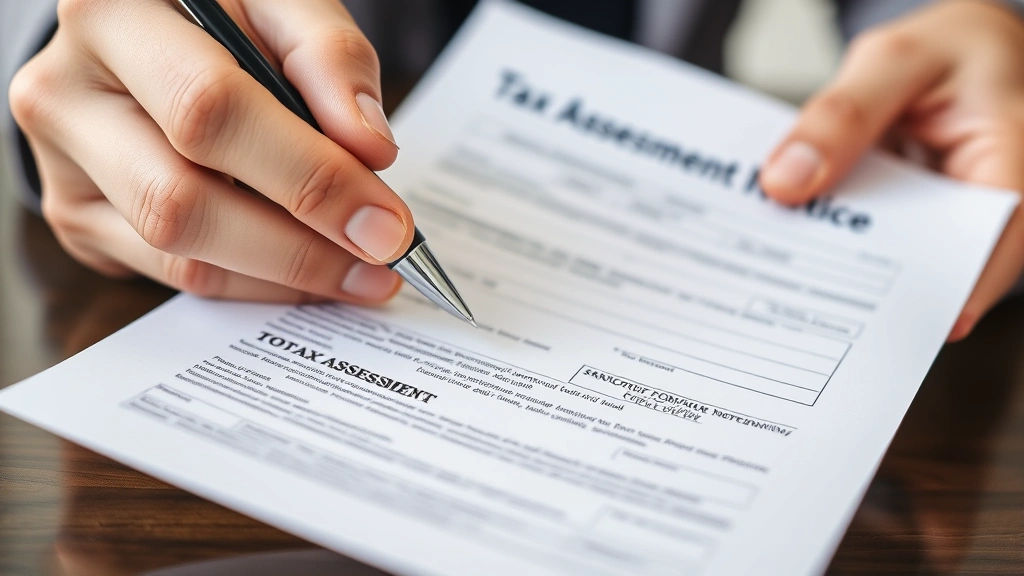
Disagree with your assessment? You have rights. South Carolina gives property owners a formal appeal process, and it’s more accessible than most people think. The first step is filing a written protest with the Georgetown County Assessor within a specific timeframe (usually 30 days of receiving your assessment notice).
Here’s what I tell clients: bring documentation. Comparable sales data, professional appraisals, photos of property condition issues, and evidence of recent repairs or renovations all strengthen your case. The Assessor’s office reviews thousands of properties—yours won’t stand out without solid evidence. If you’re appealing based on condition (roof damage, structural issues, etc.), get those items documented with photos and repair estimates.
If the Assessor denies your protest, you can appeal to the Board of Equalization. This is where having professional help becomes valuable. The Board hears dozens of cases, and presentation matters. A clear, organized appeal with supporting documentation carries significantly more weight than emotional arguments about “unfair” assessments.
Business Tax Obligations
If you operate a business in Georgetown County, you’re navigating additional tax layers. The county requires business licenses, and depending on your business type, you may owe local business taxes separate from property taxes. Sole proprietors, partnerships, S-corps, and C-corps all have different obligations.
Many small business owners miss deductions because they don’t understand what qualifies. Home office deductions, vehicle expenses, equipment depreciation, and professional services all reduce taxable income. The challenge is proper documentation—the IRS expects receipts, mileage logs, and detailed records. If you’re operating without a formal bookkeeping system, you’re likely leaving money on the table.
Consider consulting with a tax professional who understands Georgetown County’s specific requirements. The cost of one consultation often pays for itself through identified deductions and proper business structure optimization. Whether you should operate as an S-corp versus sole proprietor, for example, can save thousands annually in self-employment taxes.

Senior Property Tax Relief Programs
South Carolina recognizes that fixed-income seniors shouldn’t bear escalating property tax burdens. If you’re 65 or older and meet income requirements (typically under $32,000 annually for single filers), you may qualify for property tax deferral or exemption programs. These programs are genuinely valuable but dramatically underutilized because seniors often don’t know they exist.
The Deferral Program allows qualifying seniors to defer property taxes until the property is sold or transferred. You’re not forgiven the taxes—they become a lien on the property—but you get immediate cash flow relief. For someone on a fixed pension, this breathing room matters tremendously. The application process is straightforward, and the county actively helps applicants navigate it.
Additionally, South Carolina offers a $50,000 exemption for disabled veterans. If you’re a veteran with a service-connected disability rating from the VA, you may qualify for significant tax relief. The percentage exemption depends on your disability rating, but even a 10% rating can save hundreds annually.
Important Payment Deadlines
Missing a property tax payment deadline creates immediate problems. Georgetown County property taxes are typically due by December 31st, though the county offers a grace period. However, penalties and interest accrue quickly—we’re talking 3% penalty plus 1% monthly interest. Over a year, that’s 15% additional cost on top of your original bill.
If you’re struggling to pay, contact the Tax Collector’s office immediately. Many counties, including Georgetown, offer payment plans for taxpayers facing temporary hardship. These plans prevent the cascade of penalties and interest that can turn a manageable debt into a serious financial problem. Don’t ignore the bill hoping it goes away—it won’t, and it only gets worse.
I recommend setting up automatic payments if your bank offers them, or paying early to avoid any risk of missing the deadline. Some people pay quarterly (dividing the annual bill by four) to smooth out the cash flow impact. Whatever system works for your budget, the key is consistency and timeliness.

Frequently Asked Questions
How do I find my Georgetown County property tax bill?
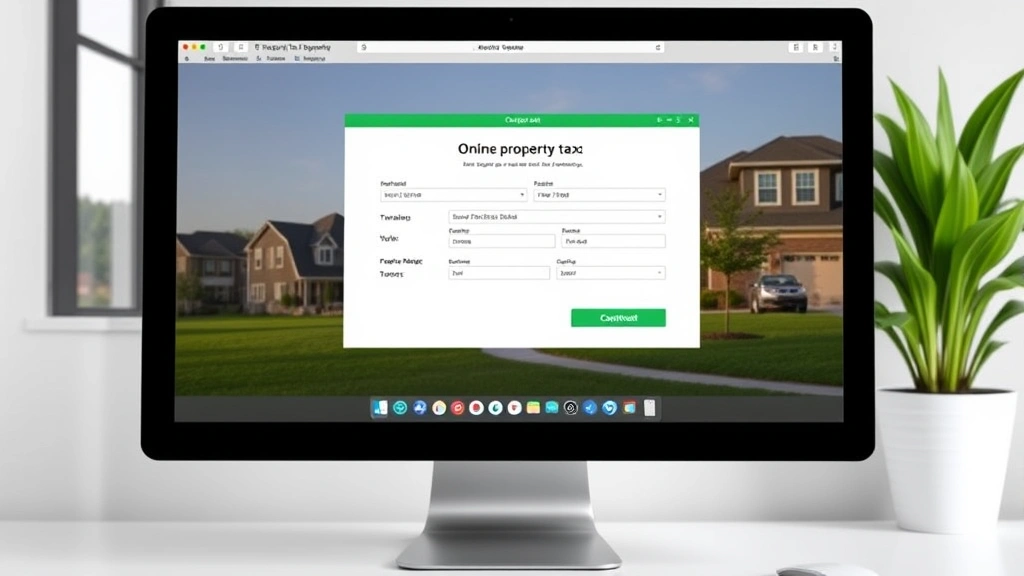
Visit the Georgetown County Tax Collector’s website or call their office directly. You can look up your bill by property address or parcel number. Many counties now offer online portals where you can view and pay bills electronically. If you’re not sure of your parcel number, the Assessor’s office can help you locate it.
Can I deduct Georgetown County property taxes on my federal return?
Yes, but with limitations. The federal SALT (State and Local Tax) deduction is capped at $10,000 annually. This includes property taxes, state income taxes, and sales taxes combined. If your Georgetown County property taxes plus South Carolina income taxes exceed $10,000, you can only deduct $10,000 total on your federal return. Many high-income earners hit this cap, which is why strategic tax planning matters.
What if I disagree with my property assessment?
File a written protest with the Georgetown County Assessor within 30 days of receiving your assessment notice. Include supporting documentation like comparable sales data or a professional appraisal. If the Assessor denies your protest, appeal to the Board of Equalization. The entire process is designed to be accessible to property owners without attorneys, though professional help strengthens your case.
Do I qualify for the homestead exemption?
If you own your primary residence in South Carolina and are a state resident, you qualify. There’s no income limit or other restrictions. Simply file the application with the Georgetown County Assessor’s office. If you’ve owned your home for years without applying, back-year exemptions are often available, which means a refund.
Are there tax breaks for seniors in Georgetown County?
Yes. If you’re 65 or older with income under $32,000 (single filers), you may qualify for property tax deferral or exemption programs. Additionally, disabled veterans receive exemptions based on their VA disability rating. Contact the Georgetown County Tax Assessor’s office for specific income limits and application procedures for current year programs.
What happens if I can’t pay my property taxes?
Contact the Tax Collector’s office immediately. Payment plans are often available for taxpayers facing hardship. Ignoring the bill allows penalties and interest to compound, turning a manageable debt into a serious problem. The county would rather work with you than pursue collection action.
How is my property tax bill calculated?
Your bill equals your assessed value multiplied by the millage rate. In Georgetown County, most properties use a 4% assessment ratio (meaning assessed value is 4% of fair market value) and a millage rate around 4.5%. So a $300,000 home has an assessed value of $12,000, taxed at 4.5%, resulting in approximately $540 annually. The homestead exemption reduces this further by exempting $50,000 in assessed value.
Taking Action on Your Georgetown County Tax
Understanding Georgetown County tax obligations is the first step toward optimization. The second step is action. Whether that means applying for the homestead exemption, filing a property tax appeal, or consulting with a tax professional about business deductions, the key is moving forward intentionally rather than passively accepting what you’re billed.
I’ve seen too many people leave thousands of dollars on the table simply because they didn’t know what they didn’t know. The resources exist—the Assessor’s office, the Tax Collector, the Board of Equalization—they’re all there to help. Use them. Your tax bill is one of the largest expenses you’ll face as a property owner. It deserves the same careful attention you’d give to any major financial decision.
For additional context on how other South Carolina counties structure their taxes, check out Oswego County property tax or Athens Clarke County tax assessor information. You might also explore inheritance tax Georgia if you’re planning for the future, or city taxes Savannah GA if you’re comparing coastal communities.
The bottom line: Georgetown County tax doesn’t have to be a black box. With the right information and proactive planning, you can ensure you’re paying exactly what you owe—no more, no less.


