

Finding the right Hamden CT tax collector office and understanding how to pay your property taxes doesn’t have to feel like navigating a maze. Whether you’re a longtime homeowner or new to Connecticut, knowing where to go, what to bring, and when deadlines hit can save you money, stress, and potential penalties. Let’s walk through everything you need to know about managing your tax obligations in Hamden.
Table of Contents
Hamden Tax Collector Office Basics
The Hamden tax collector’s office is your official point of contact for all property tax matters in this central Connecticut town. Located in the Town of Hamden, the tax collector handles assessments, collections, and payment processing for residential and commercial properties. Unlike some municipalities that combine roles, Hamden maintains a dedicated office focused specifically on tax collection and related services.
The office operates during standard business hours, typically Monday through Friday, 8:30 a.m. to 4:30 p.m., though hours can vary seasonally. If you’re planning a visit, it’s smart to call ahead—(203) 287-2710—to confirm current hours and avoid unnecessary trips. The staff can answer questions about your bill, explain assessment details, and guide you through payment options.
Hamden’s tax collector works closely with the town assessor’s office, which determines property values and tax assessments. If you disagree with your assessment, the collector can direct you to the proper appeals process. This separation of duties helps ensure transparency and fair treatment for all taxpayers.
How to Pay Your Property Taxes
Nobody likes writing big checks, but Hamden makes it easier by offering multiple payment methods. You can pay in person at the tax collector’s office, by mail, online, or through automatic bank drafts. Each method has pros and cons depending on your preference and timing.
In-person payments are processed immediately, giving you a receipt on the spot. Bring your tax bill and a check or money order—the office typically doesn’t accept credit cards for in-person payments due to processing fees. If you’re paying by check, make it out to “Town of Hamden.”
Mail payments are still common among homeowners who prefer the traditional approach. Send your check with the payment stub from your tax bill to the address provided on your notice. Allow 7–10 business days for processing, and always keep a copy for your records.
For those looking at similar tax situations in neighboring areas, you might also explore resources like the Warwick Tax Assessor office for comparative information on New England tax structures.
Online & Digital Payment Options
Most Connecticut municipalities, including Hamden, now offer online tax payment portals. Check the official Town of Hamden website for links to their payment system. Online payments typically process within 1–2 business days and provide instant confirmation.
Some taxpayers set up automatic monthly or quarterly payments through their bank’s bill-pay feature. This removes the burden of remembering due dates and ensures consistent, on-time payments. Just verify the correct mailing address with the tax collector first to avoid delays.
Credit card payments through third-party processors are sometimes available but usually come with a convenience fee (typically 2–3% of the payment). For a $3,000 tax bill, that’s an extra $60–$90 out of pocket. Weigh whether the convenience justifies the cost.
Payment Deadlines & Schedule
Connecticut property taxes are typically billed twice per year—usually in July and January. Hamden follows the state’s standard schedule, with payments due approximately 30 days after the bill is mailed. Missing a deadline can trigger penalties and interest, so mark your calendar the moment your bill arrives.
The exact due dates vary by year, so don’t assume last year’s schedule applies. Always check your tax bill for the specific deadline. If the due date falls on a weekend or holiday, it typically rolls to the next business day.

Connecticut allows a 10-day grace period in some cases, but don’t count on it—penalties can accrue immediately after the official due date. Interest typically runs at 1.5% per month on unpaid balances, compounding monthly. That means a $5,000 bill left unpaid for six months could rack up $450 in interest alone.
Documents You’ll Need
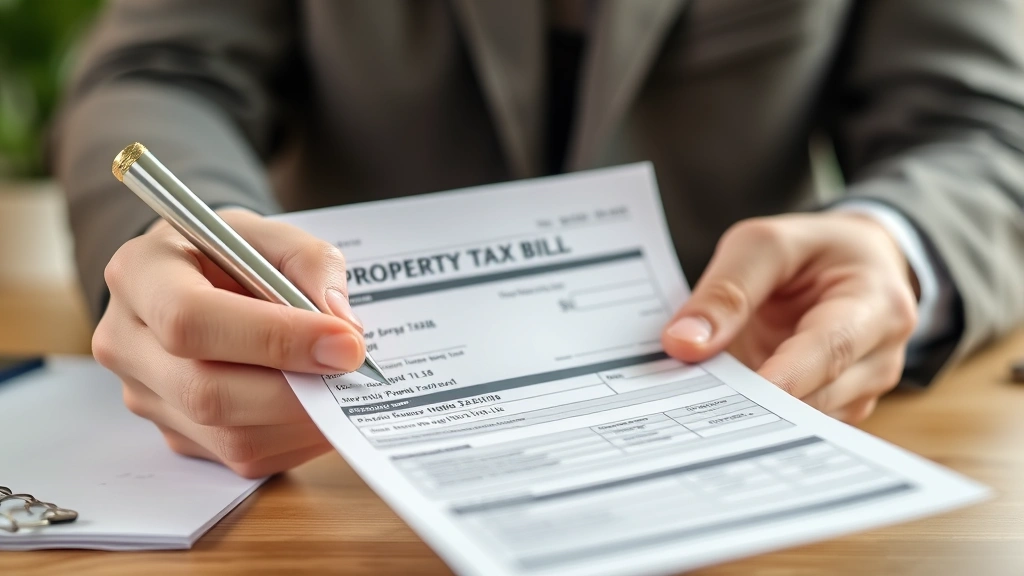
When you contact the Hamden tax collector or visit in person, have your property tax bill handy. The bill contains your account number, property address, assessed value, and the exact amount due. If you’ve lost your bill, the office can look up your account using your address or property identification number.
If you’re paying on behalf of a deceased homeowner’s estate or as a trustee, bring legal documentation proving your authority. The tax collector takes these matters seriously and won’t process payments from unauthorized parties.
Homeowners applying for tax relief programs (discussed below) will need proof of residency, income documentation, and possibly a recent property appraisal. Gather these before your visit to speed up the application process.
Late Payments & Penalty Avoidance
Connecticut’s tax laws are strict about punctuality. A payment arriving even one day late triggers a 1.5% monthly interest charge, and some jurisdictions add a flat penalty fee. Over a year, that compounds to roughly 18% in interest and penalties—far more painful than simply paying on time.
If you’re facing hardship and can’t pay in full, contact the tax collector immediately. Some municipalities offer payment plans for taxpayers in genuine distress. Waiting until a lien is filed makes the situation much worse.

Tax liens can be placed against your property if you fall significantly behind. This clouds your title, makes refinancing impossible, and can eventually lead to a tax sale. The state has specific procedures, but prevention is far easier than fighting a lien after the fact.
Property Tax Relief Programs
Connecticut offers several relief programs for qualifying homeowners, and Hamden administers them locally. The most common is the homestead property tax credit, which reduces taxes for owner-occupied homes. Eligibility depends on age, income, and property value.
Elderly and disabled homeowners may qualify for additional relief through Connecticut’s Property Tax Assistance Program. Veterans can sometimes access exemptions or credits. The Hamden tax collector’s office can provide applications and explain eligibility requirements.
Some homeowners benefit from understanding broader tax concepts. For instance, learning about sales tax implications helps you understand Connecticut’s overall tax environment and plan household budgets more effectively.
Common Mistakes to Avoid
Mistake #1: Ignoring assessment notices. If you receive a notice that your property assessment changed significantly, don’t assume it’s correct. You have the right to appeal within a specific timeframe (usually 45 days). File a complaint with the assessor if you believe the valuation is too high.
Mistake #2: Assuming your mortgage company pays taxes. If you have an escrow account with your lender, they typically pay property taxes on your behalf. However, verify this in writing. Some homeowners discover too late that their lender didn’t pay, leaving them responsible for back taxes and penalties.
Mistake #3: Mixing up the tax collector with the assessor. The assessor determines your property’s value; the tax collector collects payments. If you want to challenge your assessment, contact the assessor’s office, not the collector.
Mistake #4: Paying late because “the bill didn’t arrive.” It’s your responsibility to know when your taxes are due, regardless of whether you receive the bill. Set a calendar reminder, and if a bill doesn’t arrive by the expected date, contact the office proactively.
Mistake #5: Not keeping payment records. Always save receipts, canceled checks, or online payment confirmations. If there’s ever a dispute about whether you paid, documentation is your proof.
Hamden vs. Nearby Tax Jurisdictions
Connecticut’s tax rates and procedures vary by town. If you’re comparing Hamden to neighboring areas, you might research how other municipalities handle collections. For example, Fairfax VA property tax systems operate quite differently from Connecticut’s, which can be instructive when understanding what makes Hamden’s approach standard for the state.
Some towns offer more digital options or longer grace periods. Hamden generally aligns with Connecticut state standards, but it’s worth understanding your specific town’s policies. If you move between states, tax collection practices can differ dramatically.
Resources & Support Services
Beyond the tax collector’s office, several resources can help. The Connecticut Department of Revenue Services provides statewide tax information and publications. The town’s website often hosts FAQs and downloadable forms. For serious tax issues, consider consulting a CPA or tax attorney—their fees often pay for themselves by identifying relief options you’d otherwise miss.

If you’re dealing with tax resolution issues more broadly, resources like the Tax Resolution Center provide guidance on managing complex situations. Additionally, exploring how other municipalities handle similar issues—such as the Lee County Tax Collector in Lehigh Acres—can offer perspective on best practices.
Frequently Asked Questions
What is Hamden’s current property tax rate?
Connecticut property tax rates vary by municipality and are set annually by the town. Hamden’s rate is established during the budget process each fiscal year. Check the town’s website or contact the tax collector for the current rate. Rates typically range from 18 to 25 mills per $1,000 of assessed value across Connecticut towns, but Hamden’s specific rate should be verified directly.
Can I appeal my property assessment?
Yes. If you believe your assessment is incorrect, file a complaint with the Hamden assessor’s office within 45 days of receiving your notice of assessment. You’ll need to provide evidence—comparable sales data, recent appraisals, or photos showing property condition. The assessor will review and may adjust the value. If you disagree with the result, you can appeal to the Connecticut Board of Assessment Appeals.
What happens if I don’t pay my taxes?
Unpaid property taxes accrue interest at 1.5% per month. After 30 days, the town may file a tax lien against your property. If taxes remain unpaid for an extended period (typically 2–3 years), the property can be sold at a tax sale. This is a serious matter—address unpaid taxes immediately.
Can I pay my taxes in installments?
Connecticut law requires taxes to be paid by the due date. However, if you’re facing genuine hardship, contact the tax collector to discuss options. Some municipalities work with taxpayers on payment plans, though this isn’t guaranteed. Requesting a plan before missing a payment is far more effective than waiting until penalties accrue.
Do I need to pay taxes if I’m in probate or foreclosure?
Yes. Property taxes remain due regardless of the property’s legal status. If a property is in foreclosure, the lender typically pays taxes to protect their interest. In probate, the estate is responsible. Contact the tax collector to clarify who should pay and to prevent liens from being filed.
How can I verify my payment was received?
If you paid in person, you received a receipt. For mailed payments, wait 10–14 business days, then contact the office to confirm. Online payments usually provide instant confirmation. Keep all documentation—if there’s ever a dispute, your proof of payment is essential.
Final Thoughts
Managing property taxes through the Hamden CT tax collector doesn’t have to be stressful. By understanding deadlines, knowing your payment options, and staying organized, you can handle this responsibility smoothly. The key is proactivity: pay on time, keep records, and reach out to the office if you have questions or face hardship.
Remember, the tax collector’s staff are there to help—they want you to pay successfully and on time, just as much as you do. Whether you’re paying online, by mail, or in person, take action before deadlines pass. A few minutes of attention now prevents months of headaches later. And if you ever need broader tax guidance, resources like the PaycheckAdvisor Blog offer additional insights into managing your overall tax situation.


