

Hotel occupancy tax Italy is a municipal levy that hospitality businesses and property owners must understand to stay compliant with local regulations. Whether you’re running a boutique hotel in Rome, managing vacation rentals in Tuscany, or operating a bed-and-breakfast in Venice, this tax affects your bottom line and requires careful attention to filing deadlines and rate calculations.
Table of Contents
- What Is Hotel Occupancy Tax?
- Regional Rate Variations Across Italy
- Who Must Collect the Tax?
- How to Calculate Your Tax Liability
- Reporting Deadlines and Filing
- Exemptions and Rate Reductions
- Penalties for Non-Compliance
- Technology Solutions for Management
- International Visitor Considerations
- Frequently Asked Questions
What Is Hotel Occupancy Tax?
Hotel occupancy tax in Italy, known locally as “tassa di soggiorno,” is a per-night charge imposed on guests staying in accommodation facilities. This tax is fundamentally different from value-added tax (VAT) and operates as a municipal revenue source rather than a national one. The tax applies to overnight stays and is collected by the accommodation provider on behalf of the local municipality.
Think of it as a local tourism fee—cities use these revenues to fund infrastructure, cultural attractions, and tourism promotion. As a hospitality business owner, you’re essentially acting as a tax collector for your municipality. The tax isn’t your revenue; you’re holding it temporarily before remitting it to local authorities. This distinction matters for accounting purposes and cash flow management.
Regional Rate Variations Across Italy
One of the trickiest aspects of hotel occupancy tax Italy compliance is that rates vary significantly by municipality. Unlike national taxes with uniform rates, this tax is decentralized, meaning each city council sets its own rates within legal parameters. Rome, for example, charges different rates than Florence, and both differ from smaller Umbrian towns.
Most municipalities cap rates between €1 and €5 per night per guest, though some major tourist destinations charge higher amounts. Venice famously implemented one of Italy’s highest occupancy taxes. The variation also depends on accommodation type—five-star hotels might face different rates than agriturismos or vacation rentals. Before opening any hospitality business or acquiring a property, research your specific municipality’s current rates and any planned increases. These rates change periodically, so annual compliance audits are essential.
Who Must Collect the Tax?
The responsibility to collect and remit hotel occupancy tax falls on anyone providing overnight accommodation for payment. This includes:

- Traditional hotels and resorts
- Bed-and-breakfast establishments
- Vacation rental properties (including Airbnb and similar platforms)
- Agriturismos (farm stays)
- Hostels and dormitory accommodations
- Holiday apartments and villas
- Campgrounds and glamping sites
Even if you’re renting out a single room in your home on a short-term basis, you’re likely required to collect and remit this tax. The key trigger is “payment for overnight accommodation.” Some municipalities have exempted certain categories—for instance, properties rented for more than 30 consecutive days might be exempt, or family-run establishments under a certain size threshold. Always verify your municipality’s specific rules before assuming exemption.
How to Calculate Your Tax Liability
Calculating your tax obligation is straightforward in theory but requires accurate record-keeping in practice. The basic formula is:
Tax Liability = Number of Guest Nights × Applicable Rate per Night
A “guest night” equals one person staying one night. If a couple stays three nights, that’s two guest nights per night, totaling six guest nights. If your municipality charges €3 per guest night, your tax on that booking would be €18.
The complexity emerges when municipalities apply different rates based on:
- Season: Higher rates during peak tourism months
- Accommodation type: Star ratings or facility classifications
- Guest category: Children under 10 or 14 might be exempt; business travelers might face different rates
- Length of stay: Extended stays sometimes qualify for reduced rates
Maintain detailed booking records showing guest names, arrival/departure dates, number of people per room, and room classification. This documentation becomes critical during municipal audits. Many hospitality management systems now include occupancy tax calculation modules, reducing manual errors.
Reporting Deadlines and Filing
Filing deadlines vary by municipality, but most require monthly or quarterly submissions. Some larger cities demand monthly reporting with payment due within 10-15 days of month-end. Smaller municipalities might allow quarterly filings. Certain regions have adopted simplified annual reporting for small operators.
You’ll typically file through your municipality’s designated portal or directly with the municipal tax office. Required documentation usually includes:
- Guest registrations (anagrafe degli ospiti)
- Tax calculation summaries
- Payment proof
- Occupancy records by date and guest count
Missing deadlines triggers penalties and interest charges. Some municipalities impose daily penalties for late filing, making timely submission crucial. If you operate across multiple municipalities—perhaps managing properties in different cities—you’ll need separate filing systems for each location. This is where professional accounting support becomes invaluable.
Exemptions and Rate Reductions
Not all overnight stays are taxable. Common exemptions include:

- Children: Many municipalities exempt children under 10 or 14 years old
- Disabled guests: Some regions offer exemptions for guests with disabilities and their caregivers
- Long-term rentals: Stays exceeding 30 consecutive days often qualify for exemption
- Diplomatic personnel: International representatives may have exemptions under bilateral agreements
- Residents: Local residents staying in their municipality are typically exempt
Some municipalities offer reduced rates rather than full exemptions for specific categories like students, seniors, or off-season visitors. Understanding your jurisdiction’s exemption rules prevents overcharging guests and creates compliance issues. Document exemptions carefully—you may need to provide evidence (age documentation, disability certification, residency proof) during audits.
Penalties for Non-Compliance
The Italian tax authority treats occupancy tax violations seriously. Penalties for non-compliance include:
- Underpayment penalties: 30-100% of unpaid taxes, depending on severity
- Late filing penalties: €25-€500 per filing period, depending on municipality
- Interest charges: Typically 4% annually on unpaid amounts
- Administrative sanctions: Potential business license suspension for repeat violations
- Criminal liability: Deliberate evasion can result in criminal charges
Audits happen regularly in tourist-heavy areas. Municipal authorities cross-reference your reported occupancy with booking platform data (Booking.com, Airbnb, etc.), utility usage, and guest registration records. Discrepancies trigger investigations. The best compliance strategy is accurate, timely reporting—it’s far cheaper than fighting penalties.
Technology Solutions for Management
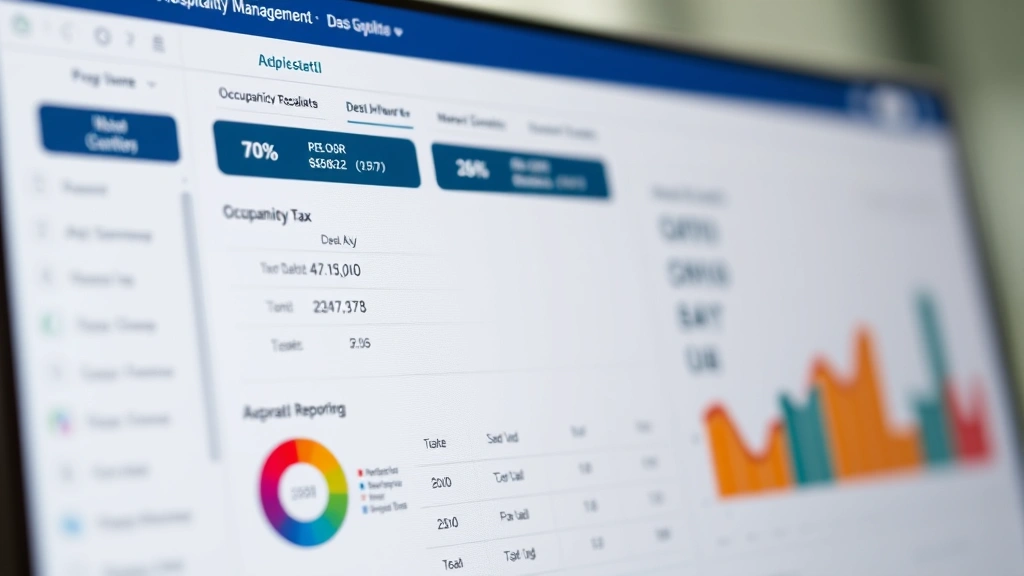
Modern hospitality management software has made occupancy tax compliance significantly easier. Property management systems (PMS) like Booking.com, Airbnb, and specialized platforms like Hostaway or Guesty now include automated tax calculation features. These systems:
- Automatically calculate applicable rates based on guest type and stay length
- Generate compliance reports for municipal filing
- Track exemptions and special circumstances
- Create audit trails documenting every guest night
- Integrate with accounting software for seamless financial reporting
If you’re using multiple booking platforms, consider a channel manager that consolidates data across all sources. This prevents double-booking, ensures consistent tax calculations, and simplifies reporting. Some municipalities now accept digital submissions directly from certified PMS platforms, further streamlining compliance.

International Visitor Considerations
Italy’s hotel occupancy tax applies equally to domestic and international visitors—there’s no exemption based on citizenship. However, international guests often have questions about whether this tax is recoverable or deductible in their home countries. The answer is typically no—occupancy taxes are generally non-deductible personal expenses.
For business travelers, some companies reimburse occupancy taxes as part of travel expenses, treating them similarly to hotel room taxes. As an accommodation provider, clearly communicate the occupancy tax as a separate line item on invoices and confirmations. Transparency prevents guest disputes and supports your compliance documentation. EU visitors should understand this is distinct from VAT, which they may recover under certain conditions (though this is complex and rarely applies to accommodation).
If you’re marketing internationally, include occupancy tax information in your booking terms and pricing displays. Platforms like US Foreign Tax Bill resources can help international guests understand foreign tax obligations, though occupancy tax specifics require municipality-level research.
Frequently Asked Questions
Do I need to charge occupancy tax on group bookings?
Yes. Each person in the group represents a separate guest night. A booking for 10 people staying 2 nights equals 20 guest nights, taxable at your municipality’s rate. Some municipalities offer group discounts or reduced rates for large bookings, so verify your local rules.
What happens if a guest cancels—do I still owe tax?
Generally, no. Tax is owed only for nights actually stayed. If a guest books five nights but cancels after two, you report and pay tax only on the two nights completed. Keep cancellation documentation to support your reporting.

Can I include occupancy tax in the quoted room rate?
Yes, you can include it in your total price, but you must clearly disclose it as a separate line item in confirmations and invoices. Transparency is both legally required and good customer service—hidden fees create disputes and negative reviews.
How do I handle occupancy tax for same-day check-in and check-out?
Same-day stays count as one guest night. A guest arriving and departing the same day still owes full occupancy tax. Some municipalities have special rules for hourly rentals; verify your local regulations.
What records must I keep for audits?
Maintain guest registration records (names, ID numbers, arrival/departure dates), room assignments, tax calculations, and payment receipts for at least 5 years. Digital copies are acceptable if your municipality accepts them. Organized records dramatically reduce audit friction.
Do online booking platforms handle occupancy tax automatically?
Most major platforms (Airbnb, Booking.com) now calculate and remit occupancy tax for participating hosts in major Italian cities. However, you’re ultimately responsible for compliance. Verify that your platform is remitting correctly and filing on your behalf. Don’t assume complete automation—review your account settings and municipality requirements.
Building Your Compliance Strategy
Successful hotel occupancy tax Italy compliance requires three elements: accurate calculation, timely filing, and meticulous record-keeping. Start by identifying your municipality’s specific rates, exemptions, and filing procedures. Contact your local municipio (town hall) or visit their website for definitive guidance—rates and rules change, and you need current information.
Implement a system that captures all required data at booking and check-in. Whether you use sophisticated PMS software or a simple spreadsheet, consistency matters more than complexity. Train your staff on exemption rules—accidentally charging tax to exempt guests creates refund obligations and compliance complications.
Consider engaging a commercialista (Italian business accountant) familiar with hospitality tax requirements. The cost of professional guidance is minimal compared to penalty exposure, especially if you operate multiple properties or across different municipalities. They’ll ensure you’re taking advantage of all available exemptions and deductions while staying audit-proof.
Finally, treat occupancy tax as a business obligation, not an optional add-on. Timely, accurate reporting protects your business reputation, prevents costly penalties, and demonstrates professionalism to guests and authorities alike.


