

Learning how to avoid property tax reassessment in California can save you thousands of dollars over time. Property tax reassessments happen when your home’s assessed value increases, triggering higher annual tax bills. While you can’t completely dodge reassessment forever, there are legitimate strategies to delay it, minimize its impact, or protect your property from unnecessary revaluation. As a tax professional, I’ve helped countless California homeowners understand their options and take control of their tax situation.
Table of Contents
Understanding Property Tax Reassessment
Property tax reassessment in California occurs when the county assessor updates your home’s assessed value for taxation purposes. Unlike many states, California’s Proposition 13 (passed in 1978) caps annual increases at 2% unless there’s a “change in ownership” or new construction. However, reassessments still happen, and understanding the triggers is your first line of defense.
The county assessor can reassess your property when you sell it, when you make significant improvements, or when they conduct a routine revaluation. The emotional weight of seeing your property taxes jump can be frustrating—nobody wants an unexpected bill that eats into their budget. That’s why knowing the rules matters so much.
Proposition 13 Protection Explained
Proposition 13 is your best friend in California real estate. This constitutional amendment limits property tax increases to 2% annually unless there’s a change in ownership. Once you buy a home, your assessed value stays relatively stable—a huge advantage compared to other states.
However, Proposition 13 has exceptions. A “change in ownership” triggers a full reassessment at current market value. This is critical: if you buy a house for $500,000 and the market jumps to $700,000 in five years, you’re still paying taxes on the $500,000 value (plus 2% annual increases). But the moment you sell or transfer ownership, the new owner gets reassessed at market value.
The key here is understanding what counts as a “change in ownership.” Transfers between spouses, parent-to-child transfers, and certain trust transfers may qualify for exclusions under Proposition 19 (updated in 2021). If you’re planning to pass your home to heirs, consulting with an estate attorney about proper structuring can save your family significant money.

Avoid Major Home Improvements
This is where many homeowners accidentally trigger reassessment. Major renovations—kitchen remodels, adding rooms, new roof systems, or major structural work—can trigger a reassessment of your property. The county assessor monitors building permits and construction activity.
I’m not suggesting you live in a deteriorating home. Rather, be strategic about what you fix. Minor repairs and maintenance don’t trigger reassessment. Painting, fixing plumbing, replacing fixtures, or routine maintenance won’t raise red flags. But a $100,000 kitchen renovation will likely get the assessor’s attention.
If you must do major work, consider:
- Spacing out large projects over multiple years to stay under assessment thresholds
- Doing some work without permits (only for truly minor cosmetic work—never structural)
- Consulting your county assessor’s office about what triggers reassessment before you start
- Weighing the long-term tax cost against the improvement’s resale value
Claim Available Exemptions
California offers several tax exemptions that reduce your assessed value, even without avoiding reassessment entirely. The homeowner’s exemption reduces your home’s assessed value by $7,000 (as of recent years), which means you pay taxes on a lower base. Many homeowners don’t claim this—it’s automatic in some counties but requires application in others.
Other exemptions include:

- Senior citizen exemptions: Additional relief for those 65+
- Disabled person exemptions: Reduced assessments for qualifying disabilities
- Veteran exemptions: Available in some counties for military service members
- Agricultural exemptions: If your property qualifies as farmland
Check with your county assessor’s office—many people leave money on the table by not applying. Visit the California Board of Equalization website for county-specific information.
Leverage Inheritance Rules
This is where Proposition 19 changes matter. Under the old Proposition 13, parents could pass property to children with no reassessment (with some limitations). Proposition 19 (effective 2021) changed this significantly, but there are still planning opportunities.
If you’re inheriting property or planning to pass it to heirs, the timing and structure matter enormously. A parent-to-child transfer may still qualify for the exemption on the first $1 million of value (with limitations). Understanding the rules around capital gains tax on inherited property and reassessment is crucial for estate planning.
Work with an estate planning attorney to structure transfers properly. The difference between a direct transfer and one through a trust, or between spouses versus children, can mean tens of thousands in tax savings.
Challenge Unfair Assessments
If you believe your property’s assessed value is too high, you have the right to appeal. This is one of the most underutilized tools available to homeowners. The assessment appeal process is your chance to argue that the county assessor got it wrong.
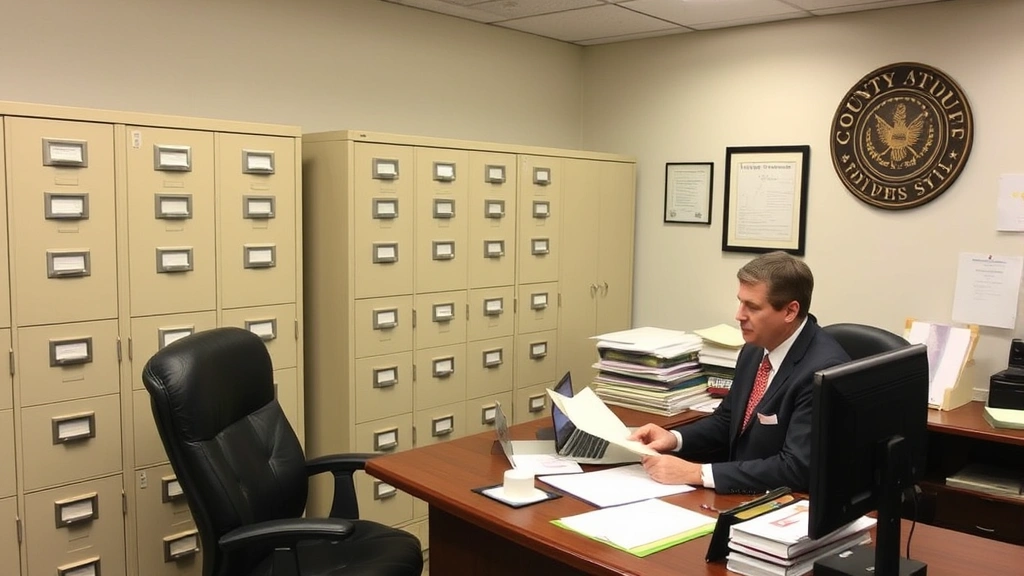
Here’s how it works:
- Request the assessment: Get a copy of your property’s assessment from the county assessor
- Gather evidence: Collect comparable sales, property condition reports, and documentation of any issues (foundation problems, outdated systems, etc.)
- File a Proposition 8 appeal: This is the formal challenge process, usually with a deadline 30 days after receiving your notice of assessment
- Present your case: You can represent yourself or hire an assessment appeal specialist
- Attend the hearing: The assessment appeals board will review your evidence
Many homeowners win these appeals, especially if market conditions have shifted or if their property has physical issues the assessor overlooked. The filing fee is minimal, and if you win, you could save hundreds per year.
Document Property Maintenance
Keep detailed records of all maintenance and repairs. If your property goes to appeal, showing deferred maintenance, aging systems, or needed repairs strengthens your case for a lower assessment. Photos of an old roof, outdated HVAC system, or worn flooring can justify a lower valuation.
This isn’t about being dishonest—it’s about making sure the assessor has complete information. A property with a 20-year-old roof and original plumbing from 1985 shouldn’t be valued the same as one with new systems. Document:
- Age of major systems (roof, HVAC, plumbing, electrical)
- Any needed repairs or replacements
- Property condition issues
- Comparable homes that sold at lower prices
Plan Your Property Sales
If you’re buying property in California, timing matters. Purchases during market downturns can lock in lower assessed values for years. Conversely, if you’re selling, understand that the new owner will face reassessment at the sale price.

For sellers, this is mostly out of your control. But for buyers, being strategic about timing—buying when the market is soft or waiting for a correction—can mean your property is assessed at a lower value, saving you money through the Proposition 13 protection.
Also understand the implications for your California property tax due dates and payment schedule after purchase. New owners often face supplemental assessments in their first year.
Frequently Asked Questions
Can I completely avoid property tax reassessment in California?
No. Reassessment is inevitable when you buy property or make major improvements. However, Proposition 13 limits annual increases to 2% after initial assessment, which is the real protection. Focus on delaying reassessment and minimizing its impact rather than avoiding it entirely.
Does painting my house trigger reassessment?
No. Cosmetic work like painting, new fixtures, or minor repairs doesn’t trigger reassessment. Only major improvements (typically those requiring building permits) trigger the county assessor’s attention.
What happens if I don’t claim the homeowner’s exemption?
You’ll pay taxes on a higher assessed value. The homeowner’s exemption (usually $7,000) reduces your taxable value. If you haven’t claimed it, contact your county assessor immediately—you may be able to get back taxes.

Can I appeal my property tax assessment if I just bought the home?
Yes. If you believe the reassessment at purchase was too high, you can file a Proposition 8 appeal. You have 30 days from receiving your notice of assessment. Gather comparable sales data and file your appeal with your county’s assessment appeals board.
Does transferring property to my child avoid reassessment?
Under Proposition 19 (effective 2021), parent-to-child transfers are limited. Only the first $1 million of assessed value is excluded from reassessment (with additional restrictions). Amounts above that are reassessed. Consult an estate attorney for your specific situation.
What’s the difference between assessed value and market value?
Market value is what your home would sell for today. Assessed value is what the county uses for tax purposes. In California, thanks to Proposition 13, your assessed value stays close to your purchase price (plus 2% annually) until there’s a change in ownership, even if your market value skyrockets.
Final Thoughts
Learning how to avoid property tax reassessment in California requires understanding Proposition 13, knowing what triggers reassessment, and taking action when you can. While you can’t escape reassessment forever, you can delay it, minimize its impact, and appeal unfair assessments.
Start by claiming any exemptions you qualify for—it’s free money you’re probably leaving on the table. Be strategic about home improvements, weighing the tax cost against the benefit. If you inherit property or plan to pass it to heirs, work with an estate attorney to structure transfers properly. And if you receive an assessment notice, don’t just accept it—review it carefully and appeal if it seems high.
For specific guidance on Sacramento property tax or your specific county’s rules, contact your local assessor’s office or work with a tax professional. The effort you put in now can save you thousands over the years you own your home. Real estate taxes are one of the few areas where homeowners have genuine leverage—use it.


