

Is real estate taxes the same as property taxes? The short answer: yes, they’re essentially the same thing, but the terminology matters depending on where you live and what you own. As a CPA who’s helped countless homeowners decode their tax bills, I can tell you this confusion trips up more people than you’d think. Let’s clear it up once and for all.
Table of Contents
Core Definitions & Terminology
When you hear “property taxes” and “real estate taxes,” you’re hearing the same concept described with different regional preferences. Property taxes are the annual levies that local governments impose on real property—land and the structures built on it. Real estate taxes are simply another name for the same thing.
The IRS and most state tax authorities use “property tax” as the umbrella term. But in casual conversation, you’ll hear both terms used interchangeably. Some states prefer one over the other in official documents. Florida, for instance, tends to use “property tax,” while some northeastern states might say “real estate tax.” The bottom line: they’re synonymous.
Think of it like calling a soda “pop” or “coke” depending on your region. Same product, different label. The important thing is understanding what you’re paying and why.
Real Estate vs. Property Taxes Explained
Here’s where it gets slightly more nuanced. “Real estate” technically refers to land and permanent structures (your house, garage, etc.). “Property” can include both real estate AND personal property like vehicles, boats, or equipment. However, when we talk about “property taxes” in the homeowner context, we’re almost always referring to real estate property taxes.
Some states do tax personal property separately. Louisiana, for example, has a “personal property tax” on items like vehicles and business equipment. But for your primary residence, you’re dealing with real estate/property taxes—the terms are interchangeable.
This distinction matters if you own rental properties or business real estate. The tax treatment might differ slightly, but the foundational concept remains the same: you’re paying an annual tax based on the assessed value of your property.
What Actually Gets Taxed
Your property tax bill isn’t based on what you paid for your house. It’s based on the assessed value determined by your local assessor’s office. This is crucial to understand because many homeowners assume their taxes are tied to purchase price. They’re not.
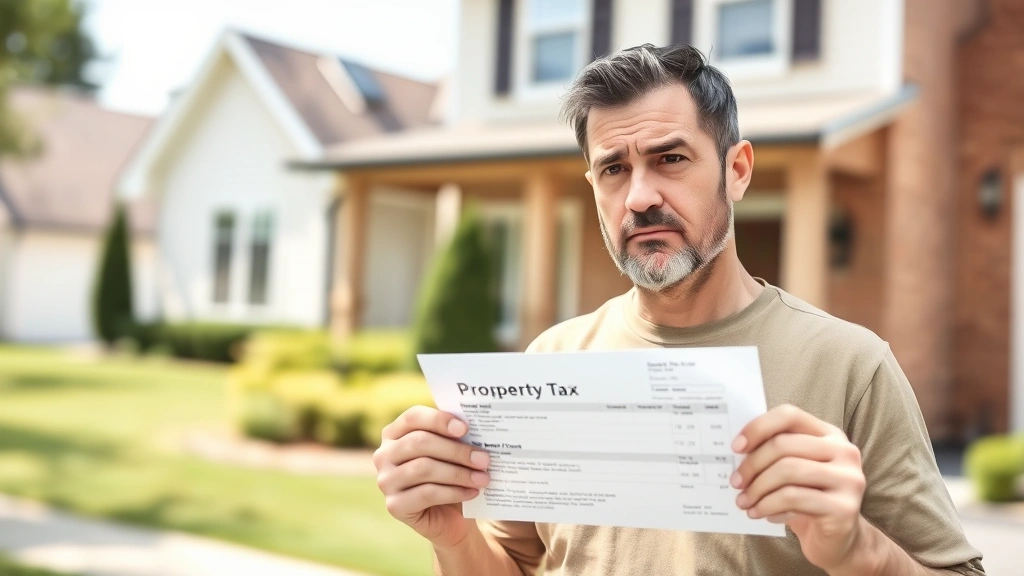
The assessor looks at comparable sales in your area, the condition of your property, square footage, lot size, and improvements you’ve made. They assign a value, and that value gets multiplied by the local tax rate (called the “millage rate”) to calculate your bill.
In most states, your home’s assessed value is lower than its actual market value. This is by design—assessors use a percentage of market value, typically 80-100% depending on the state. Check your local assessor’s website to see what percentage applies where you live.
What’s included in the taxable property? Everything: the land, the house, permanent fixtures (built-in appliances, pools, decks). What’s excluded? Personal property like furniture, cars, and movable items. Some states offer exemptions for homestead properties, agricultural land, or properties owned by seniors or veterans. Maryland homeowners tax credit programs are one example of how states reduce the burden.
How Taxes Are Calculated
The math is straightforward once you understand the formula: Assessed Value × Millage Rate = Annual Tax Bill.
Let’s say your home is assessed at $300,000 and your local millage rate is 10 mills (0.01). You’d owe $3,000 annually. If your rate is 15 mills, you’d owe $4,500. The millage rate varies dramatically by location—it’s set by county commissioners and school boards based on their budget needs.
Here’s what trips people up: millage rates can change year to year. If your county needs more revenue, rates increase. If your home is reassessed and the value goes up, your taxes go up. Many homeowners get shocked by increases without realizing their assessed value changed.
Some states cap how much assessed values can increase annually. Florida property tax reform includes the “Save Our Homes” amendment, which limits assessment increases to 3% per year (with exceptions). Other states have no caps, so you could see significant jumps.
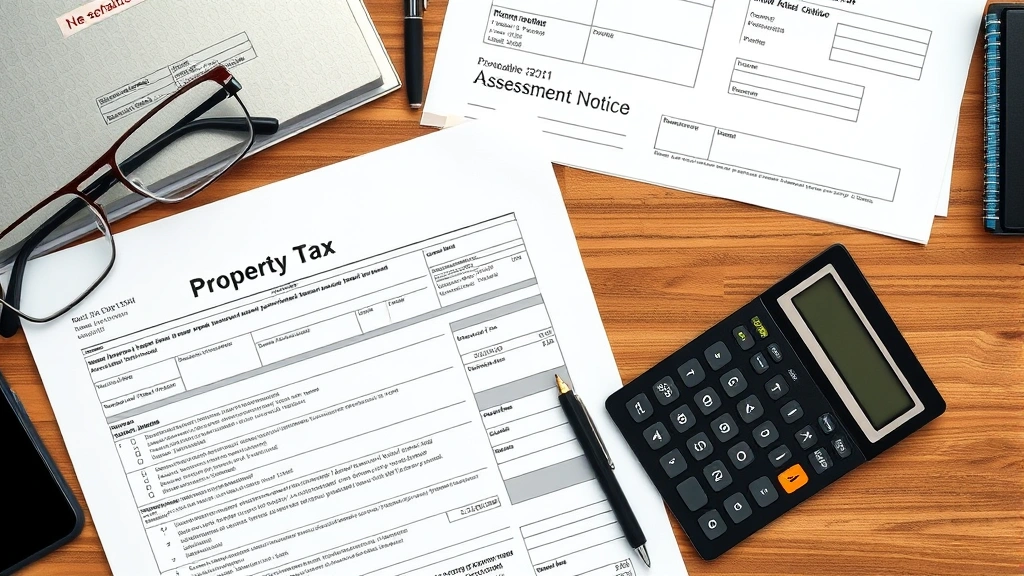
The calculation also includes special assessments. If your county improves roads, adds drainage, or builds infrastructure, they might add a special assessment to your bill. This is separate from your base property tax.
State-by-State Variations Matter
This is where things get interesting. Property tax rates vary wildly across the country. New Jersey has the highest effective property tax rate (around 2.49% of home value), while Hawaii has the lowest (around 0.28%). Your state of residence dramatically impacts your annual tax burden.
Some states offer substantial exemptions. Florida no property tax exemptions include the homestead exemption, which exempts up to $50,000 of assessed value from taxation for primary residences. That’s significant savings. New Jersey property tax relief programs are more complex but offer senior and disabled homeowner exemptions.
If you’re considering relocating, property tax differences should factor into your decision. A $400,000 home in New Jersey might generate $10,000+ in annual taxes, while the same home in Florida might generate $4,000-5,000. Over a decade, that’s a meaningful difference.
Check your state’s assessor association website or the Lincoln Institute of Land Policy for detailed state-by-state comparisons. Levy County Florida property tax rates and Shelby County TN property tax rates illustrate how even within states, county rates vary significantly.
Deductions & Credits Available
Here’s something that saves homeowners real money: property tax deductions on your federal income tax return. If you itemize deductions (rather than taking the standard deduction), you can deduct up to $10,000 in state and local taxes combined—including property taxes. This is called the SALT deduction.
The $10,000 cap was introduced in the 2017 Tax Cuts and Jobs Act and is set to expire after 2025 (though Congress may extend it). For homeowners in high-tax states, this cap is frustrating, but it’s still valuable. If you pay $8,000 in property taxes and $2,000 in state income tax, you can deduct all $10,000.

Beyond federal deductions, many states offer local credits and exemptions. Homestead exemptions reduce your assessed value. Senior exemptions (usually 65+) can cut your tax bill significantly. Veteran exemptions exist in many states. Disabled homeowner exemptions are common. Agricultural exemptions apply if you own farmland.
Some states offer property tax deferrals for seniors with limited income. You don’t pay the tax during your lifetime; the state collects it from your estate after you pass. This is a lifeline for retirees on fixed incomes.
Don’t assume you’re ineligible. Apply for every exemption your state offers. The worst they’ll say is no, and many people leave money on the table by not asking.
Payment Deadlines & Procedures
Property taxes are due on a schedule set by your county or municipality. In some areas, you pay twice a year. In others, it’s quarterly. Some places allow monthly payments. Missing a deadline can result in penalties, interest, and even a tax lien on your property.
If you have a mortgage, your lender likely collects property taxes through an escrow account. Your monthly mortgage payment includes a portion for property taxes and insurance. Your lender pays the bill on your behalf. This protects the lender’s interest in the property.
If you own your home outright, you pay directly to your county tax collector. Set up a reminder system—use your calendar, autopay, or a property management app. Some counties offer discounts for early payment (usually 2-4%), so paying ahead of the deadline can save money.
If you’re behind on property taxes, contact your tax collector’s office immediately. Many counties offer payment plans. Waiting until a lien is filed makes things exponentially harder. Liens can damage your credit and eventually lead to foreclosure.
Challenging Your Assessment
If you believe your property is overassessed, you have the right to appeal. This is one of the most underused tools in a homeowner’s arsenal. If your assessed value is higher than similar homes in your area, you have grounds for an appeal.
The process varies by state and county. Most have a “Value Adjustment Board” or “Assessment Review Board” that hears appeals. You typically have 30-60 days from when you receive your assessment notice to file an appeal (check your local rules).
To build your case, gather comparable sales data. Use websites like Zillow, Redfin, or your county assessor’s public records to find similar homes that sold recently. If those homes are assessed lower than yours, you have evidence of overassessment. You can also hire an independent appraiser, though this costs money and should only be done if the potential savings justify the expense.
Many appeals are successful simply because homeowners present data showing similar properties are assessed lower. County assessor offices make mistakes. They’re working with limited staff and thousands of properties. A polite, data-driven appeal often results in a reduced assessment.
Frequently Asked Questions
Are property taxes and real estate taxes literally the same thing?
Yes. They’re identical concepts with different names. Some regions prefer “property tax,” others say “real estate tax.” The tax obligation, calculation, and payment process are the same regardless of terminology.
Can property taxes increase every year?
Yes, in most states. Your taxes can increase if the millage rate increases (more money needed by the county) or if your assessed value increases. Some states cap annual assessment increases; others don’t. Check your state’s rules.
What happens if I don’t pay my property taxes?
Penalties and interest accrue. Eventually, a tax lien is placed on your property. If taxes remain unpaid, the county can foreclose and sell your home to recover the debt. This is serious—don’t ignore property tax bills.
Can I deduct property taxes on my federal return?
If you itemize deductions, yes. You can deduct up to $10,000 in combined state and local taxes (including property taxes) on your federal return. This deduction is set to expire after 2025 unless Congress extends it.
How do I know if my property is fairly assessed?
Compare your assessed value to similar homes in your area that sold recently. Check your county assessor’s website for public records. If your assessment is significantly higher than comparable properties, file an appeal.
Do all states have property taxes?
No. A few states have no property tax on primary residences (though this is rare and usually comes with trade-offs like higher sales or income taxes). Most states do tax real property. Research your specific state’s rules.
Final Thoughts
Is real estate taxes the same as property taxes? Absolutely—they’re the same obligation with different names. Understanding how they work, what gets taxed, and where you can find relief puts you in control of a significant portion of your financial life.
The key takeaways: know your assessed value, understand your local millage rate, apply for every exemption you qualify for, challenge assessments if they seem unfair, and don’t miss payment deadlines. Property taxes aren’t going away, but knowledge and proactive management can reduce your burden.
If you’re unsure about any aspect of your property tax situation, contact your county assessor’s office or a local tax professional. Most initial consultations are free, and the savings often justify the cost of professional guidance. Your home is likely your biggest asset—managing its tax implications wisely is just smart financial stewardship.


