

If you own property in Kandiyohi County property tax territory, you know that property taxes can feel like an unwelcome annual guest. Whether you’re a longtime resident of Willmar or new to southwestern Minnesota, understanding how your property tax bill is calculated—and what you can actually do about it—can save you real money. As a CPA who’s helped countless homeowners review their tax situations, I can tell you that most people leave money on the table simply because they don’t know the rules. Let’s fix that.
Table of Contents
- How Kandiyohi Calculates Property Tax
- Understanding the Assessment Process
- Current Tax Rates & Breakdown
- Homestead Exemptions & Credits
- Agricultural Property Considerations
- How to Appeal Your Assessment
- Strategies to Reduce Your Bill
- How Kandiyohi Compares to Nearby Counties
- Frequently Asked Questions
How Kandiyohi Calculates Property Tax
Kandiyohi County property tax works like most Minnesota counties, but the details matter. Your property tax bill is determined by multiplying your property’s assessed value by the applicable tax rate. Sounds simple, right? The catch is that “assessed value” isn’t the same as market value, and the tax rate varies depending on property classification.
The county assessor’s office determines assessed values, which are typically a percentage of market value. For residential properties in Kandiyohi, this percentage is set by state law and adjusted annually. The assessor uses comparable sales data, property characteristics, and market trends to establish these values. If you think your assessment is too high, you have options—but we’ll get to that.
Your final tax bill also includes levies from multiple taxing authorities: the county itself, your school district, city or township, and any special districts (like watershed management). Each entity sets its own tax rate, and they all stack up on your bill. This is why understanding the breakdown matters—sometimes you can’t change the county portion, but you might influence school or local levies through public engagement.
Understanding the Assessment Process
The Kandiyohi County assessor’s office conducts regular property assessments to determine fair market value. Every three years, the state requires a complete revaluation cycle. Between those cycles, assessments are updated annually to reflect market changes. This sounds bureaucratic, but it’s actually designed to keep things fair—in theory.
Assessors look at several factors: property size (square footage), lot size, age of structures, condition, improvements, and recent comparable sales. They also consider location within the county—a house in Willmar might be valued differently than an identical house in a rural township. For agricultural land, they use soil productivity ratings and current farm income benchmarks rather than speculative development value.
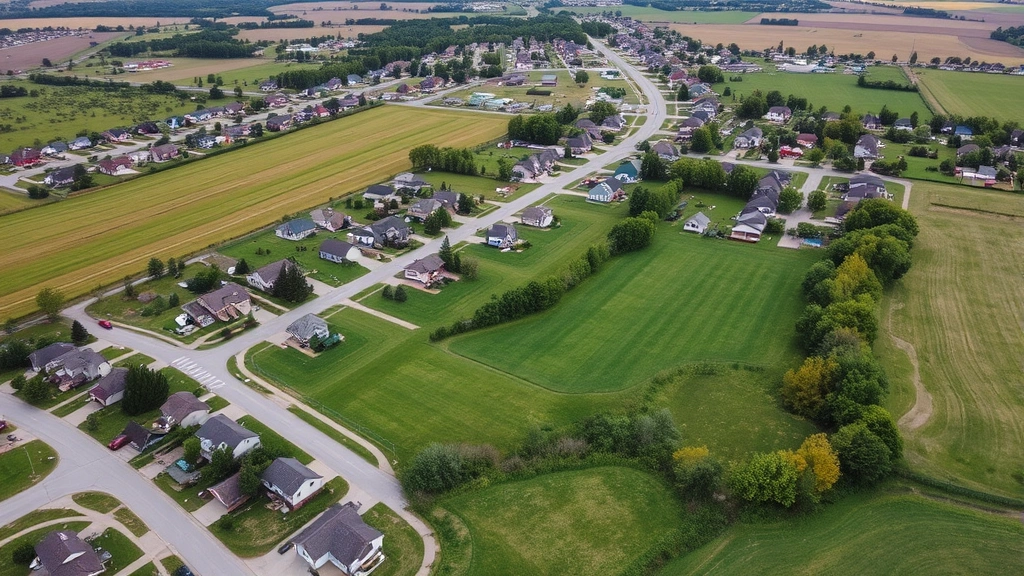
Here’s what frustrates many homeowners: the assessment process isn’t always transparent. You might not understand why your neighbor’s similar house was assessed differently. That’s exactly why the appeal process exists. The county is required to notify you of your assessment, and you have the right to challenge it if you believe it’s inaccurate.
Current Tax Rates & Breakdown
Kandiyohi County property tax rates fluctuate annually based on local government budgets and state adjustments. As of recent years, the county’s tax rate sits around 0.85% to 0.95% of assessed value for residential properties, though this varies. School district rates typically range from 1.0% to 1.3%, and city/township rates add another 0.5% to 1.0%.
Your total effective tax rate—what you actually pay—is the sum of all these rates applied to your home’s assessed value. If your home is assessed at $200,000 and your combined rate is 3.5%, you’re paying $7,000 annually. A 5% assessment increase would add $350 to your bill, which is why staying on top of assessments matters.
The good news? Minnesota has some of the most transparent tax systems in the country. You can access the county’s assessment data online through the Kandiyohi County Assessor’s website. Pull your property record, check the assessed value, and compare it to similar properties. If something looks off, document it—that’s your first step toward an appeal.
Homestead Exemptions & Credits
Minnesota offers homestead property tax relief, and Kandiyohi County residents can benefit significantly. The homestead exemption reduces the taxable value of your primary residence. To qualify, you must own the property and live in it as your principal residence on January 2 of the tax year. It’s not automatic—you have to apply through the county assessor’s office.
The homestead exemption can reduce your property’s assessed value by up to 15% in some cases, though the exact benefit depends on state law and your specific situation. For someone with a $200,000 home, this could mean saving $1,000+ annually. If you’ve owned your home for years and never applied, you might be owed back refunds—contact the assessor immediately.
Beyond homestead exemptions, Minnesota also offers the property tax refund (“renter’s credit” equivalent for homeowners) if your income is below certain thresholds. You claim this on your state tax return. Additionally, seniors and disabled homeowners may qualify for additional relief programs. Don’t assume you don’t qualify—run the numbers or talk to a tax professional.
Agricultural Property Considerations
If you own agricultural land in Kandiyohi County, your property tax situation differs significantly from residential. Agricultural land is assessed based on soil productivity and farm income potential, not speculative development value. This typically results in lower assessments than comparable acreage zoned for development.
To maintain agricultural classification, you must meet specific criteria: the land must be used for farming, meet minimum acreage requirements, and generate minimum income. If you sell development rights or convert the land to non-agricultural use, you’ll lose the classification and face a dramatic assessment jump. This is important if you’re considering selling or subdividing family farm property.
Agricultural property owners should work with the assessor to ensure proper classification and stay informed about changes to agricultural assessment formulas. The state adjusts these annually based on commodity prices and farm profitability data. If your farm income has declined significantly, you might qualify for an assessment reduction—but you need to document it and request it formally.
How to Appeal Your Assessment
Think your Kandiyohi County property tax assessment is too high? You have a legal right to appeal it, and you don’t need a lawyer. The process starts with contacting the county assessor’s office to request a reassessment. Bring documentation: recent appraisals, comparable sales data, photos of property condition, or evidence of needed repairs.
If the assessor doesn’t adjust the value, you can file a formal appeal with the County Board of Review. This board meets annually (typically in June) to hear appeals. You’ll present your case—either in person or in writing—explaining why you believe the assessment is inaccurate. Bring evidence: comparable sales from the past 6-12 months, professional appraisals, or documentation of property defects.
If you’re still unhappy, you can appeal to the Minnesota Tax Court, though this is more expensive and should only be considered for significant discrepancies. Many people find success at the county level simply by showing up prepared with solid comparables. The board wants to get assessments right; they’re not trying to squeeze you. Show them the data, and you might be surprised at the results.
Strategies to Reduce Your Bill
Beyond appeals, there are legitimate strategies to reduce your Kandiyohi County property tax burden. First, ensure you’re claiming all available exemptions and credits. Many homeowners miss the homestead exemption or don’t realize they qualify for senior relief programs.
Second, consider property improvements strategically. While adding a new deck might increase your home’s value, it also increases your assessed value. If you’re considering major renovations, understand the tax implications. Sometimes it makes sense to spread improvements across multiple years to avoid a big assessment jump.

Third, stay engaged with local government. School district and city/township budgets directly affect your tax rate. Attending public meetings, asking questions about spending, and voting in local elections gives you a voice. If the school board is proposing a referendum that will increase levies, you deserve to understand what you’re paying for.
Fourth, explore tax-deductible charitable contributions. If you donate land easements to conservation organizations, you might reduce your property’s assessed value while supporting causes you care about. This is complex and requires professional guidance, but it can be powerful for larger properties.
How Kandiyohi Compares to Nearby Counties
How does Kandiyohi County stack up against neighboring counties? Effective tax rates vary across Minnesota, and understanding regional differences can inform your decisions about where to live or invest. Cass County property taxes in northern Minnesota tend to be lower than Kandiyohi’s, partly due to lower property values and different service costs. However, rural counties often have higher tax rates on agricultural land to fund roads and services across large areas.
If you’re comparing Kandiyohi to Adams County property tax or Warren County property tax structures, you’ll notice regional patterns. Urban and suburban counties near the Twin Cities (like Miami-Dade County property tax in Florida, which serves as a comparison point for high-tax areas) have higher absolute tax bills due to higher property values, even if rates are similar.
For context on different assessment philosophies, Georgia’s ad valorem tax system uses a different methodology than Minnesota, though both aim for fair assessment. Meanwhile, Pennsylvania’s real estate tax rebate program shows how states structure property tax relief differently. Minnesota’s approach—transparent assessments with clear appeal rights and homestead exemptions—is considered relatively fair and accessible.

Frequently Asked Questions
What’s the difference between assessed value and market value in Kandiyohi County?
Assessed value is what the county assessor determines for tax purposes, while market value is what your home would sell for. State law sets the relationship between these—for residential property, assessed value is typically a percentage of market value, adjusted annually. They’re not the same, and that’s intentional. Assessed value is used consistently across all properties; market value fluctuates based on individual buyer interest.
Can I appeal my Kandiyohi County property tax assessment myself?
Absolutely. You don’t need a professional to appeal. Contact the assessor’s office, request a reassessment, and present your evidence. If that doesn’t work, file a formal appeal with the County Board of Review. Bring comparable sales data, appraisals, or documentation of property defects. Many people succeed without hiring representation.
How often are properties reassessed in Kandiyohi County?
Minnesota requires a complete revaluation cycle every three years. Between cycles, assessments are updated annually to reflect market changes. You’ll receive a notice whenever your assessment changes. If you don’t receive one, contact the assessor’s office—you might be missing a deadline to appeal.
Am I eligible for homestead exemption in Kandiyohi County?
You qualify if you own the property and live in it as your primary residence on January 2 of the tax year. You must apply through the assessor’s office—it’s not automatic. If you’ve owned your home for years and never applied, contact the assessor immediately. You might be owed refunds for previous years.
What happens if I disagree with the Board of Review’s decision?
You can appeal to the Minnesota Tax Court, though this is more expensive and should only be considered for significant discrepancies. Before going that route, consult with a tax professional to evaluate whether your case is strong enough to justify the legal costs.
Do agricultural properties pay different taxes in Kandiyohi County?
Yes. Agricultural land is assessed based on soil productivity and farm income, not development potential. This usually results in lower assessments. To maintain agricultural classification, you must meet specific criteria regarding use, acreage, and income. Converting land to non-agricultural use triggers a reassessment at much higher values.
How can I reduce my Kandiyohi County property tax bill?
Claim all available exemptions (homestead, senior relief, disabled homeowner). Appeal if your assessment seems high. Stay informed about local government budgets. Consider property improvements strategically to avoid triggering large assessment increases. For significant properties, explore conservation easements or other tax-advantaged options with professional guidance.
Final Thoughts on Kandiyohi County Property Tax
Your Kandiyohi County property tax bill isn’t inevitable or unchangeable. It’s the result of an assessment process that, while bureaucratic, is transparent and appealable. You have rights, and you have options. Start by understanding your assessment, comparing it to similar properties, and ensuring you’re claiming every exemption you qualify for. If something looks wrong, appeal it. If your local government is spending recklessly, show up to meetings and make your voice heard. Property taxes are how we fund schools, roads, and services—but that doesn’t mean you should overpay. Be informed, be proactive, and don’t leave money on the table.


