

The Marin Tax Collector office handles property tax assessments and collections for Marin County, California, and understanding how to work with them can save you time, stress, and potentially money. Whether you’re a homeowner, business owner, or investor, knowing your payment options and deadlines is essential to avoiding penalties and keeping your property in good standing.
Table of Contents
- What is the Marin Tax Collector?
- Property Tax Basics in Marin
- Payment Options Available
- Online Payment System
- Paying by Mail
- In-Person Payment Options
- Important Payment Deadlines
- Late Payments: Penalties & Interest
- Property Tax Lookup & Assessment
- Appealing Your Assessment
- Frequently Asked Questions
- Final Thoughts
What is the Marin Tax Collector?
The Marin Tax Collector is the county office responsible for collecting property taxes, issuing tax bills, and maintaining tax records for all properties in Marin County. This office is your direct point of contact for all property tax matters—from understanding your bill to making payments and resolving disputes. Think of them as the keeper of one of your biggest annual financial obligations.
The Tax Collector’s office doesn’t determine what you owe (that’s the Assessor’s job), but they’re the ones who send you the bill and ensure payments are collected. If you’ve ever felt confused by a property tax bill, you’re not alone—this office exists partly to help property owners navigate the process.
Property Tax Basics in Marin
Before diving into payment methods, let’s talk about what you’re actually paying. Property taxes in California are based on Proposition 13, which limits tax rates to 1% of assessed value. In Marin County, your property tax bill includes this base rate plus any voter-approved bonds or special assessments.
Your assessed value typically increases by a maximum of 2% per year, even if your home’s market value skyrockets. This is one reason California property taxes are relatively stable compared to other states. However, if you purchase a property, it gets reassessed at market value—which can mean a significant tax increase.
Understanding the difference between real estate tax and property tax helps clarify what you’re paying for. Both terms are often used interchangeably in California, referring to the same annual obligation on real property.
Payment Options Available
The Marin Tax Collector offers multiple ways to pay your property taxes, recognizing that one size doesn’t fit all. You can pay online, by mail, in person, or through automatic payment plans. Each method has its advantages depending on your preferences and circumstances.

If you want convenience and instant confirmation, online payment is your best bet. Prefer the traditional approach? Mail and in-person options are still available. The key is choosing what works for your schedule and comfort level.
Online Payment System
The Marin Tax Collector’s online payment portal is the fastest and most convenient option for most people. You can access it through the official Marin County website, where you’ll need your property tax bill or account number to get started.
Online payments typically process within 24-48 hours, and you’ll receive immediate confirmation. You can pay with a credit card or debit card, though be aware that credit card payments may incur a small processing fee (usually 2-3%). Electronic bank transfers often have lower or no fees.
The beauty of online payment is you can do it at midnight on a Sunday if you want—no waiting for business hours. You’ll also get an email receipt, which is helpful for your records and makes tracking payments effortless.
Paying by Mail
Some folks still prefer writing a check and dropping it in the mail. If that’s you, make sure to send your payment at least 10-14 days before the deadline to account for mail delivery time. Nothing’s worse than thinking you paid on time only to discover your check arrived late.
Always include your property tax bill or account number with your payment. Mail your check to the Marin Tax Collector’s office address listed on your bill. Keep a copy of the check number and mailing date for your records—this protects you if there’s ever a question about whether your payment was received.

Pro tip: Use certified mail if you’re cutting it close to the deadline. The small extra cost is worth the peace of mind and proof of delivery.
In-Person Payment Options
If you prefer handing over your payment directly, the Marin Tax Collector’s office accepts in-person payments during business hours. You can bring a check, money order, or cash. Some offices accept card payments in person as well, though fees may apply.
The advantage of paying in person is immediate confirmation and the chance to ask questions about your bill or account. If you have concerns about your assessment or need clarification on what you’re paying for, the staff can often help or point you in the right direction.
Office locations and hours are available on the Marin County website. If you’re making a special trip, call ahead to confirm hours, especially around holidays when offices may have modified schedules.
Important Payment Deadlines
California property taxes are due in two installments each fiscal year. The first installment is typically due November 1st and becomes delinquent on December 10th. The second installment is due February 1st and becomes delinquent on April 10th.
Mark these dates on your calendar. If you pay online, account for processing time. If you mail your check, send it well before the deadline. The Tax Collector’s office doesn’t care about your excuse if the payment arrives late—penalties and interest start accruing immediately.
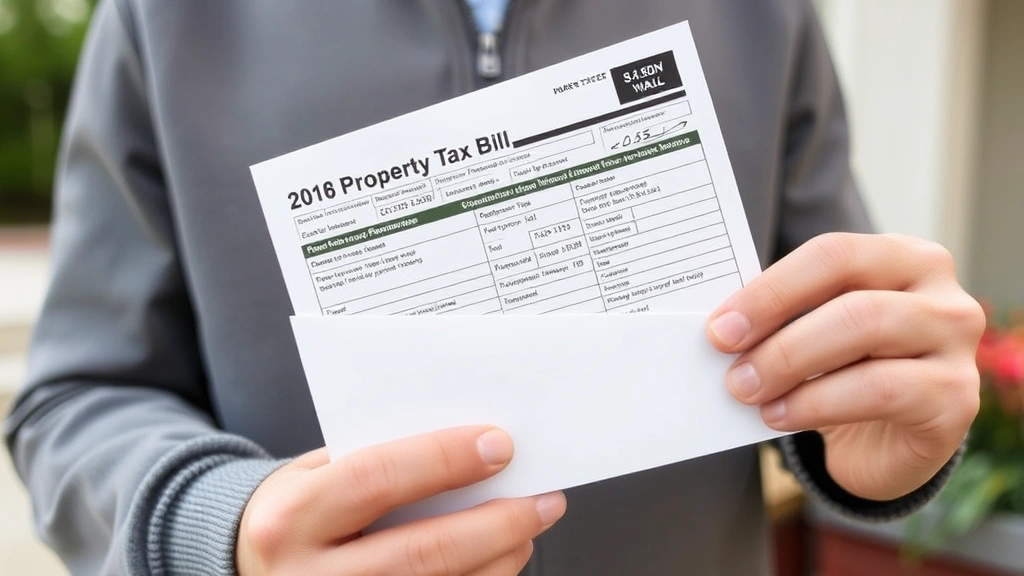
Some property owners set up automatic payments to avoid the stress of remembering deadlines altogether. This is especially smart if you have multiple properties or tend to forget bill payment dates.
Late Payments: Penalties & Interest
Miss a deadline, and the consequences add up fast. California imposes a 10% penalty on the first installment if it’s paid after the delinquent date. If you’re really late (more than a few months), additional penalties and interest charges can nearly double what you originally owed.
Interest accrues at 1.5% per month on unpaid taxes. Over a year, that’s 18% in interest alone—on top of penalties. This is why paying on time matters so much. A $5,000 tax bill can become $5,500 or more if you’re just a few months late.
If you’re struggling to pay, contact the Tax Collector’s office immediately. Some jurisdictions offer payment plans or hardship programs. It’s much better to communicate proactively than to ignore the problem and watch penalties mount.
Property Tax Lookup & Assessment
Want to know what your property is assessed at or check your tax bill before the official notice arrives? The Marin Tax Collector’s office provides online lookup tools. You can search by property address or parcel number to view your assessed value and estimated taxes.
This is helpful for budgeting, especially if you’re a new homeowner or recently purchased property. You can also use this information to understand whether your assessment seems reasonable compared to similar properties in your area.

If you’re researching properties you might buy, a property tax lookup gives you insight into the true cost of ownership. Many buyers are shocked to discover property taxes after making an offer, so knowing this upfront is smart financial planning.
Appealing Your Assessment
Disagree with your assessed value? You have the right to appeal. The Marin County Assessor’s office (separate from the Tax Collector) handles assessments, but the Tax Collector’s office can point you toward the appeals process.
You typically have 30 days from when you receive your assessment notice to file an appeal. You’ll need to provide evidence that your property is overvalued—comparable sales, repair costs, or other documentation showing the assessment is incorrect.
The appeals process can be technical, and many property owners hire an assessment appeals specialist or attorney to represent them. If your property is worth significantly less than the assessed value, the cost of representation might be worth it.
Frequently Asked Questions
What if I can’t pay my property taxes in full?
Contact the Marin Tax Collector’s office immediately. Some counties offer payment plans or installment agreements. You may also qualify for a property tax postponement program if you’re over 65, disabled, or blind. Don’t ignore the debt—it only gets worse with penalties and interest.
Can I pay property taxes with a credit card?
Yes, through the online payment system, though you’ll typically pay a processing fee (2-3%). Some people find it worthwhile if they’re earning credit card rewards, but do the math first. Paying a 3% fee to earn 1% cash back doesn’t make financial sense.
What happens if I pay too much?
If you overpay your property taxes, the Tax Collector’s office will issue a refund or credit it to your next bill. Make sure to keep documentation of overpayments so you can follow up if a refund doesn’t arrive.
How do I know if my property tax payment was received?
If you pay online, you’ll get immediate confirmation. If you mail a check, keep the cancelled check or get a receipt from the post office. You can also contact the Tax Collector’s office to confirm payment was received and posted to your account.
Are there exemptions or reductions available?
Yes. Homeowners may qualify for a homeowner’s exemption, which reduces assessed value by $7,000 (in California). Senior citizens, disabled persons, and veterans may qualify for additional exemptions. Check with the Assessor’s office about your eligibility.
What’s the difference between the Tax Collector and the Assessor?
The Assessor determines your property’s value and sends that information to the Tax Collector. The Tax Collector then bills you based on that assessed value and collects the payment. The Assessor handles disputes about value; the Tax Collector handles payment collection.
Final Thoughts
Working with the Marin Tax Collector doesn’t have to be stressful. Understanding your payment options, deadlines, and obligations puts you in control. Whether you choose to pay online for convenience, by mail for tradition, or in person for peace of mind, the key is paying on time and staying organized.
If you have questions about your bill or need guidance on the appeals process, reach out to the office directly—that’s what they’re there for. And if you’re managing property taxes across multiple jurisdictions, you might find it helpful to research how other tax collectors operate. For example, understanding how the Norwich CT Tax Collector handles payments or how the City of Norwalk Tax Collector operates can provide useful comparisons.
Property taxes are one of the largest expenses homeowners face, but they’re also predictable and manageable when you stay informed. Keep your payment records organized, mark your calendar with deadlines, and consider automatic payments if you want to eliminate the worry altogether. Your future self will thank you for the organization.


