

If you’re self-employed, a freelancer, or earn income without regular withholding in Massachusetts, massachusetts estimated tax payments are likely part of your financial reality. Unlike traditional employees who have taxes withheld from each paycheck, you’re responsible for sending the Massachusetts Department of Revenue (DOR) quarterly payments throughout the year. Skip this step, and you’ll face penalties, interest, and a nasty surprise come tax season. Let’s break down exactly what you need to know.
Table of Contents
Who Needs to Pay Estimated Taxes
Massachusetts requires estimated tax payments if you expect to owe $400 or more in state income tax for the year. This typically includes:
- Self-employed individuals – freelancers, consultants, and business owners
- Gig workers – rideshare drivers, delivery contractors, and platform workers
- Rental property owners – those with passive income from real estate
- Investment income earners – dividends, capital gains, and interest above certain thresholds
- Artists and creatives – writers, musicians, photographers with irregular income
If you’re a W-2 employee with a side hustle, you might need to file estimated taxes on that extra income. The key question: will your total tax liability exceed what’s being withheld from your primary job? If yes, estimated payments are your friend—not your enemy.
Quarterly Due Dates for 2024
Massachusetts follows the federal quarterly schedule, but the state has its own payment system. Here are the 2024 due dates:
- Q1 (January 1 – March 31): Due April 15, 2024
- Q2 (April 1 – May 31): Due June 17, 2024
- Q3 (June 1 – August 31): Due September 16, 2024
- Q4 (September 1 – December 31): Due January 15, 2025
Pro tip: Mark these dates in your calendar now. The Massachusetts DOR doesn’t send reminders, and missing a deadline costs you money in penalties and interest. If a due date falls on a weekend or holiday, it rolls to the next business day.
How to Calculate Your Payments
Calculating your estimated tax payment involves three steps:
Step 1: Estimate Your Gross Income
Project your total income for the year from all sources. If you’re self-employed, use last year’s income as a baseline, then adjust for expected changes. Be realistic—underestimating creates problems later.
Step 2: Calculate Your Tax Liability
Massachusetts has a flat 5% income tax rate (though certain income types may vary). You’ll also need to account for the Mass Excise Tax if applicable, and factor in any deductions. Your AGI (Adjusted Gross Income) determines your actual tax burden.
Step 3: Divide by Four
Take your estimated total tax liability and divide by four. That’s your quarterly payment amount. However, you don’t have to pay equal amounts each quarter—you can adjust based on actual income received.
Example: If you estimate $40,000 in Massachusetts taxable income, your state tax would be approximately $2,000 (at 5%). Divide by four: $500 per quarter.
Payment Methods Available
Massachusetts offers several convenient ways to submit estimated tax payments:
Online Payment Portal (DOR Website)
The Massachusetts Department of Revenue’s online system is the fastest method. You’ll need your Social Security Number or Federal Employer ID Number. Payments typically process within 24 hours, though it’s wise to submit a few days before the deadline to avoid processing delays.
Electronic Federal Tax Payment System (EFTPS)
You can enroll in EFTPS at eftps.gov to pay both federal and state estimated taxes. It’s free and secure.

Credit or Debit Card
Third-party processors allow card payments, but they charge a convenience fee (typically 1.75–2.5%). Only use this if you’re earning credit card rewards that offset the fee.
Mail Check
The old-fashioned way still works. Make checks payable to “Massachusetts Department of Revenue” and mail to the address listed on the payment voucher. Allow 10–14 days for processing.
Safe Harbor Rules Explained
Here’s where Massachusetts estimated tax payments get interesting: safe harbor rules protect you from penalties under certain conditions.
The 90% Rule
If you pay at least 90% of your 2024 tax liability through estimated payments and withholding, you won’t owe penalties for underpayment—even if you owe more when you file your return.
The 100% Rule
If you paid 100% of your 2023 tax liability (or 110% if your 2023 AGI exceeded $150,000), you’re safe from penalties. This is especially useful if your income is lumpy or unpredictable.
Why This Matters
Safe harbor rules give you breathing room. If your income varies month to month, you can estimate conservatively and adjust in later quarters. The penalty is calculated on the underpayment amount, so even small adjustments help.

Penalties and Interest Charges
Underpaying estimated taxes triggers two separate costs:
Underpayment Penalty
Massachusetts charges interest on underpaid estimated taxes. The rate adjusts quarterly and is tied to the federal rate plus 3%. For 2024, expect roughly 8–9% annually on the shortfall. The penalty accrues from the due date until you pay.
Interest on Late Payments
If you miss a due date entirely, interest compounds daily. A $500 payment due April 15 that arrives May 15 costs you roughly $35 in interest alone.
Real-World Example
Suppose you owe $2,000 in state taxes but only paid $1,500 in estimated payments. You underpaid by $500. At an 8% annual rate, that’s $40 in penalties and interest by year-end. It’s not catastrophic, but it adds up—especially across multiple quarters.
How to Avoid Penalties
Use the safe harbor rules, pay consistently, and adjust your estimates if your income changes. If you realize mid-year that you’ll underpay, increase your Q3 and Q4 payments to catch up.
Special Situations and Adjustments
Seasonal Income
If you earn most of your income in certain months (e.g., holiday retail, tax preparation), you can use the annualized installment method. This lets you pay more in high-income quarters and less in slow quarters, reducing penalties.
Business Deductions
Self-employed individuals should factor in Schedule C deductions when calculating estimated taxes. If you’re a contractor filing a 1099, deductions for supplies, equipment, and home office reduce your taxable income significantly.
Changes in Circumstances
Lost a major client? Got a promotion? Inherited money? Recalculate your estimated taxes immediately. You can adjust your payment amounts—no need to wait until the next quarter.
Moving to or From Massachusetts
If you moved mid-year, you might owe estimated taxes for only part of the year. File a part-year resident return and adjust your payments accordingly.
Record Keeping and Documentation
Keep detailed records of every estimated tax payment you make:
- Payment confirmation numbers – Save these from online payments
- Check copies – If mailing, photocopy the check and envelope
- Bank statements – Show when funds left your account
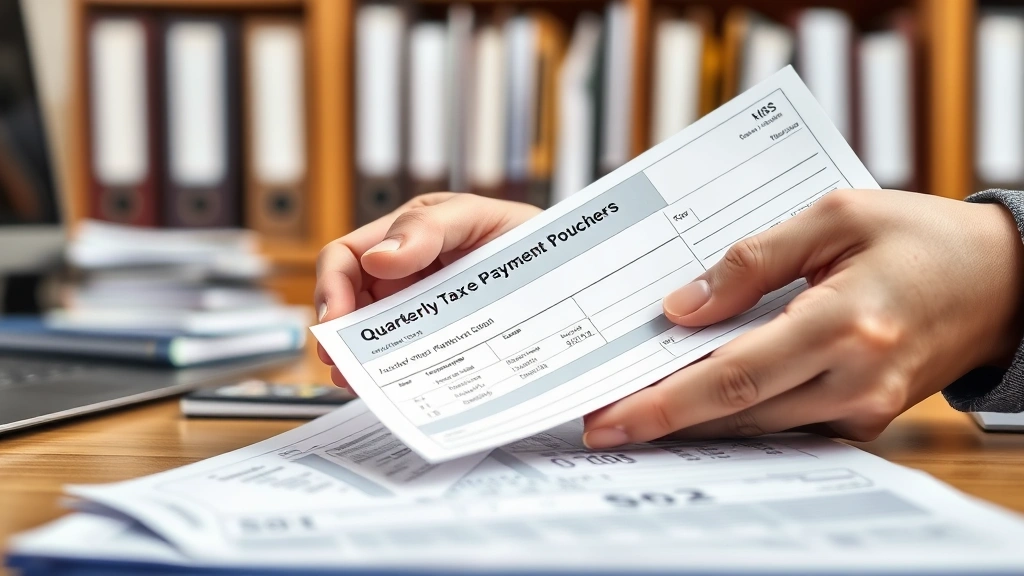
- Payment vouchers – Keep the official DOR forms
When you file your 2024 Massachusetts return, you’ll need to report all estimated payments. If the DOR doesn’t have a record of your payment, your documentation proves you paid on time. This matters especially if your tax return was rejected or if you face an audit. The Appellate Tax Board requires solid proof of payment history.
Frequently Asked Questions
Do I need to file a separate form to make estimated tax payments?
No. You submit payments directly to the Massachusetts DOR using their online portal, EFTPS, or by mail. When you file your annual return, you’ll report the payments you made. Form 1-ES is the federal estimated tax form; Massachusetts uses its own online system.
Can I pay estimated taxes monthly instead of quarterly?
Technically, yes—there’s no rule against it. However, the state only recognizes quarterly due dates for penalty purposes. If you pay monthly, you’re simply overpaying early, which is fine. Just ensure you’ve paid at least the quarterly amount by each due date.
What happens if I overpay my estimated taxes?
Overpayments are credited toward your next year’s estimated taxes or refunded when you file your return. There’s no penalty for overpaying—in fact, it’s often safer than underpaying.
Are estimated tax payments deductible on my federal return?
No. Estimated tax payments are not deductible. However, if you’re self-employed, your self-employment tax is partially deductible, and your Schedule C deductions reduce your overall taxable income.
What if I can’t afford a quarterly payment?
Pay what you can. Partial payments are better than nothing and reduce your penalty. Contact the Massachusetts DOR about payment plans if you’re facing hardship. They offer installment agreements for those who can’t pay in full.
How do I know if I need to file a Massachusetts return?
If you have Massachusetts source income and your gross income exceeds the filing threshold (typically around $15,000 for single filers), you must file. The DOR website has a filing requirement tool to check your specific situation.
Key Takeaways
Massachusetts estimated tax payments aren’t optional if you’re self-employed or have income without withholding. Here’s what you need to do:
- Mark the four quarterly due dates (April 15, June 17, September 16, January 15) in your calendar now
- Calculate conservatively using the 90% or 100% safe harbor rule to avoid penalties
- Pay online or via EFTPS for fastest, most reliable processing
- Keep meticulous records of every payment for your tax file
- Adjust mid-year if your income changes significantly
The reality is this: estimated tax payments feel like a burden until you realize the alternative. Missing payments costs you penalties, interest, and stress. Staying on top of them costs you 30 minutes per quarter and a bit of cash flow discipline. The choice is obvious. Start now, stay consistent, and you’ll sleep better come tax season.


