

The orange county property tax rate is one of the most important financial considerations for homeowners and real estate investors in Southern California. Understanding how much you’ll pay in property taxes—and why—can save you thousands of dollars and help you make smarter decisions about buying, selling, or holding onto property in Orange County.
Table of Contents
Current Orange County Tax Rates
Orange County’s property tax rate hovers around 0.76% of assessed home value, which is notably lower than the California state average of 0.81%. However, this baseline rate doesn’t tell the whole story. Your actual tax bill includes assessments from multiple jurisdictions—the county, your city, school districts, and special assessment districts—which can push your effective rate higher.
For a $800,000 home in Orange County (a modest figure in today’s market), you’re looking at roughly $6,080 in annual property taxes. That’s significantly less than what homeowners pay in states like New Jersey or Illinois, but it’s still a substantial obligation that deserves attention.
How Property Taxes Are Calculated
Property taxes in Orange County follow a straightforward formula: Assessed Value × Tax Rate = Annual Tax Bill. The tricky part is understanding what “assessed value” really means in California.
Under Proposition 13 (more on that in a moment), your home’s assessed value doesn’t automatically jump to its current market value. Instead, it’s based on the purchase price and increases by a maximum of 2% per year, regardless of how much your home actually appreciates. This is why a neighbor’s identical house might have a wildly different tax bill—they could have bought 10 years ago at a lower price.
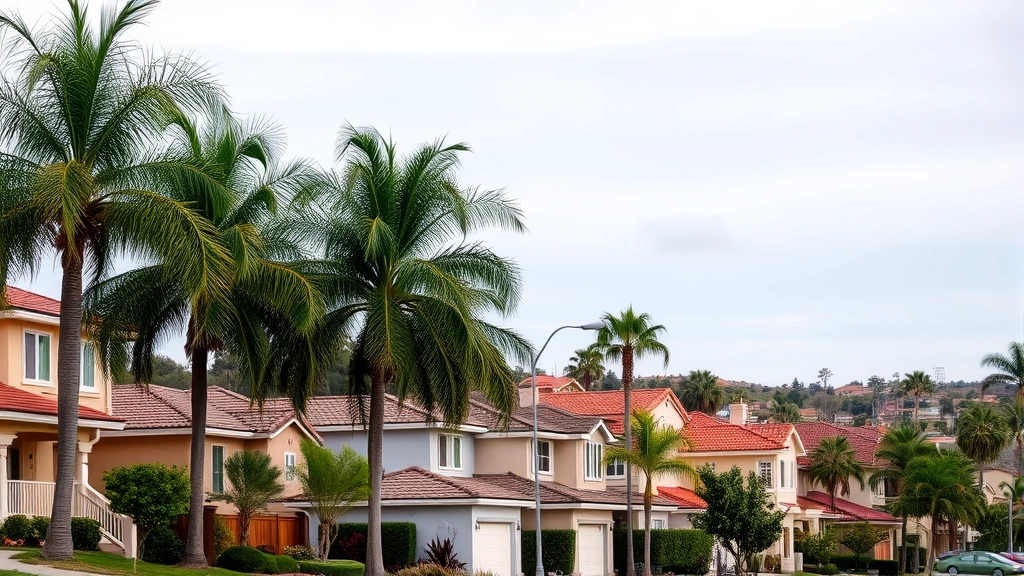
The tax rate itself is set by combining rates from multiple entities: Orange County (about 0.21%), your city government, school districts, and any special districts providing services like flood control or mosquito abatement. This layered approach means your final rate varies depending on your exact location.
Proposition 13’s Long Shadow
Passed in 1978, Proposition 13 fundamentally changed California property taxes and continues to shape the orange county property tax rate structure today. The measure capped the tax rate at 1% and limited annual increases in assessed value to 2%, even if your property value skyrockets.
For long-time homeowners, this is fantastic. Someone who bought a house in Orange County in 1990 for $300,000 might see it assessed at around $400,000 today, while identical homes sell for $1.2 million. Their tax bill reflects the lower assessed value—a massive windfall compared to new buyers.
But here’s the catch: when you sell and buy a new property, the county reassesses it at current market value. This creates what many call the “Prop 13 penalty”—your taxes jump dramatically when you purchase. It’s one reason why some people hold properties for decades, even when they’d prefer to move.

The Assessment Process
The Orange County Assessor’s Office is responsible for determining your home’s assessed value. They conduct regular inspections, analyze comparable sales, and adjust values accordingly. You have the right to appeal if you believe your assessment is inaccurate.
The assessment happens on January 1st each year, and your bill reflects the value as of that date. If you purchase property mid-year, you’ll receive a supplemental bill for the remainder of the fiscal year (July 1 – June 30 in California). This is why closing timing matters—buying in July versus December can affect your first-year tax obligations.
Appeals must be filed within 60 days of receiving your assessment notice. Many homeowners successfully challenge assessments by providing comparable sales data or evidence of property defects. If you believe your home was over-assessed, it’s worth the effort—even a small reduction compounds over years of ownership.
Payment Schedule & Deadlines
Orange County property taxes are typically paid in two installments. The first is due November 1st (for the July-October period), and the second is due February 1st (for the November-June period). If you miss the deadline, penalties and interest accrue quickly—typically 10% of the unpaid amount plus interest.
Most homeowners pay through their mortgage lender, who collects property taxes as part of the monthly PITI (Principal, Interest, Taxes, Insurance) payment. Your lender holds these funds in an escrow account and pays the county on your behalf. This is actually a smart arrangement because it prevents accidental late payments.
If you own your home outright or have an unusual mortgage arrangement, you’ll pay directly to the Orange County Tax Collector. You can pay online, by mail, or in person. Check the California property tax due dates article for specific deadlines and payment methods.
Exemptions & Deductions Available
Not every property owner pays the full assessed value rate. Orange County offers several exemptions and reductions:
Homeowner’s Exemption: Reduces the assessed value by $7,000 for owner-occupied homes. This is automatic in most cases but requires filing if you didn’t claim it when you purchased. It’s worth roughly $70-80 annually in tax savings.

Senior/Disabled Exemptions: Homeowners over 65 or with disabilities may qualify for larger reductions. Prop 60 and Prop 90 allow seniors to transfer their lower Prop 13 assessment to a new home under certain conditions.
Agricultural Exemptions: If you own farmland in Orange County (increasingly rare given development), you may qualify for significantly lower assessments.
Property Tax Deduction on Federal Returns: You can deduct up to $10,000 in state and local property taxes (SALT deduction) on your federal income tax return. This provides indirect relief, though the cap limits benefits for high-value properties.
These exemptions don’t reduce your orange county property tax rate itself, but they lower your assessed value, which has the same effect on your final bill.

Comparing Orange County to Other Areas
How does Orange County stack up? Let’s put it in perspective. If you’re considering relocating or comparing investment properties, here’s what you need to know:
Versus Ventura County: Ventura property tax rates are nearly identical to Orange County, around 0.76-0.77%. Both counties benefit from Proposition 13’s protections.
Versus San Francisco: San Francisco property tax rates are similar in percentage terms, but the assessed values are often higher due to fewer long-term homeowners grandfathered under Prop 13.
Versus Out-of-State: New Jersey averages 0.85%, Texas 0.73%, and New York 1.65%. California’s rates are middle-of-the-road nationally, but the combination of high home prices and Prop 13’s quirks creates unique dynamics in Orange County.

Strategies to Reduce Your Tax Burden
While you can’t escape property taxes entirely, smart homeowners use several strategies to minimize them:
Appeal Your Assessment: If comparable homes are assessed lower, file an appeal. The Orange County Assessor’s Office processes hundreds annually, and many succeed. Bring documentation of recent sales of similar properties.
Claim All Available Exemptions: Don’t leave money on the table. Verify you’re receiving the homeowner’s exemption and any other reductions you qualify for.
Consider Prop 60/90 Transfers: If you’re over 55 and buying a replacement home of equal or lesser value, you can transfer your lower Prop 13 assessment. This is a powerful tool for downsizers.
Leverage the SALT Deduction: Itemize deductions on your federal return to claim up to $10,000 in property taxes. This is especially valuable if you have other state and local taxes.
Monitor Supplemental Bills: After purchasing property, you’ll receive a supplemental bill. Review it carefully—errors happen, and you can appeal if the assessment seems inflated.
Plan Your Timing: Closing dates matter. If possible, close later in the fiscal year to reduce your first supplemental bill.
Frequently Asked Questions
What is the exact orange county property tax rate for 2024?
Orange County’s base rate is approximately 0.76% of assessed value. However, your effective rate varies by city and special district. Most homeowners pay between 0.75% and 0.85% when all local assessments are included. Contact the Orange County Assessor’s Office for your specific rate based on your address.

Do I have to pay property taxes if I own my home outright?
Yes. Property taxes are assessed on the property itself, not on your mortgage status. Owning your home free and clear doesn’t exempt you from taxes—you’ll simply pay the county directly rather than through an escrow account.
Can I deduct Orange County property taxes on my federal return?
Yes, up to $10,000 per year. This SALT (State and Local Tax) deduction includes property taxes, income taxes, and sales taxes combined. If your property taxes exceed $10,000, you can only deduct the first $10,000 on your federal return.
What happens if I don’t pay my property taxes?
Late payments incur a 10% penalty plus interest. If taxes remain unpaid for several years, the county may initiate foreclosure proceedings. This is serious—don’t ignore tax bills, even if you’re disputing the amount. Pay on time and appeal separately if needed.
How often is my home reassessed?
Your home is reassessed annually on January 1st. However, under Prop 13, the assessed value only increases by a maximum of 2% per year unless the property changes ownership or major improvements are made. A full market-value reassessment only occurs when you sell.
Can I transfer my lower Prop 13 assessment to a new home?
Yes, if you’re 55 or older (or disabled or severely injured). Prop 60 allows you to transfer your assessment to a replacement home of equal or lesser value in California. Prop 90 extends this to some counties outside your original county. You have two years to complete the transfer.
Are there property tax breaks for seniors in Orange County?
Yes. Senior homeowners may qualify for larger exemptions and can use Prop 60/90 to transfer their lower assessments. Additionally, seniors can defer property taxes through the Senior Deferral Program if they meet income and age requirements. Contact the Orange County Assessor for details.
How do I appeal my property tax assessment?
File a formal appeal with the Orange County Assessment Appeals Board within 60 days of receiving your assessment notice. Bring comparable sales data, evidence of property defects, or professional appraisals showing lower value. Many appeals succeed, especially if you can demonstrate that similar nearby homes are assessed lower.
Final Thoughts on Orange County Property Taxes
The orange county property tax rate is a critical factor in your homeownership costs, but it’s not immutable. By understanding how assessments work, claiming available exemptions, and appealing when appropriate, you can manage this obligation effectively.
Orange County’s rates are reasonable by California standards, and Proposition 13 provides long-term stability for established homeowners. New buyers face a sharper initial hit, but it’s worth remembering that your assessed value will only increase 2% annually, protecting you from dramatic jumps down the road.
Whether you’re a current owner looking to reduce your burden or a potential buyer evaluating the total cost of ownership, take time to understand your specific situation. Property taxes compound over decades—getting them right matters for your financial health.


