

If you’re self-employed, a freelancer, or earning income that isn’t subject to withholding, you need to pay California estimated taxes quarterly to avoid penalties and interest charges. California’s Franchise Tax Board (FTB) requires taxpayers with significant non-withheld income to submit estimated tax payments four times per year. Missing these deadlines or underpaying can result in costly penalties, even if you end up with a refund when you file your annual return.
Table of Contents
Who Must Pay Estimated Taxes
Not everyone needs to worry about quarterly payments. California requires estimated tax payments if you expect to owe $500 or more in state income tax after accounting for withholding and credits. This typically applies to:
- Self-employed individuals and business owners (sole proprietors, LLCs, S-corps)
- Freelancers and contractors receiving 1099 income
- Investors with significant dividend, interest, or rental income
- Retirees taking distributions from retirement accounts
- Gig economy workers (rideshare, delivery, content creation)
- Artists, writers, and consultants with irregular income
If you have a W-2 job and your employer withholds taxes properly, you typically won’t need to pay estimated taxes separately. However, if you have side income or multiple income streams, the calculation becomes more complex. The key is determining whether your expected tax liability exceeds $500 after factoring in all withholding.
Calculation Basics and Methods
California offers two primary methods to calculate your estimated tax liability: the current year method and the prior year method. Understanding which method works best for your situation can save you money and headaches.
Current Year Method: You estimate your 2024 tax liability based on your expected 2024 income and subtract any federal or state tax already withheld. This method is most accurate if your income is relatively stable or if you expect significant changes from the previous year. You’ll divide your estimated annual tax by four to determine each quarterly payment.
Prior Year Method: You base your quarterly payments on your 2023 tax liability. If you owed $2,000 in California state income tax last year, you’d pay approximately $500 each quarter in 2024 (assuming similar income). This method is simpler but can result in underpayment if your income increases significantly.
A third approach involves annualized income installments, which is useful if your income fluctuates seasonally. Instead of dividing your annual estimate by four, you calculate tax based on actual income earned through each quarter. This prevents overpayment during slow months and underpayment during busy periods.
Most taxpayers find the prior year method easiest because it’s predictable and requires minimal calculation. However, if you experienced a major income shift, the current year method offers better accuracy. Consider consulting a tax professional if your situation involves significant changes.
Quarterly Payment Deadlines
California’s estimated tax quarters don’t align perfectly with calendar quarters, which trips up many taxpayers. Here are the 2024 payment dates:
- Q1 (Jan 1 – Mar 31): Due April 15, 2024
- Q2 (Apr 1 – May 31): Due June 17, 2024
- Q3 (Jun 1 – Aug 31): Due September 16, 2024
- Q4 (Sep 1 – Dec 31): Due January 15, 2025
These dates matter because the FTB assesses penalties and interest starting the day after the deadline passes. If you miss a deadline by even one day, you’re technically late—though the penalty amount depends on how much you underpaid. The fourth quarter deadline extends into January because it aligns with the annual tax return filing deadline.
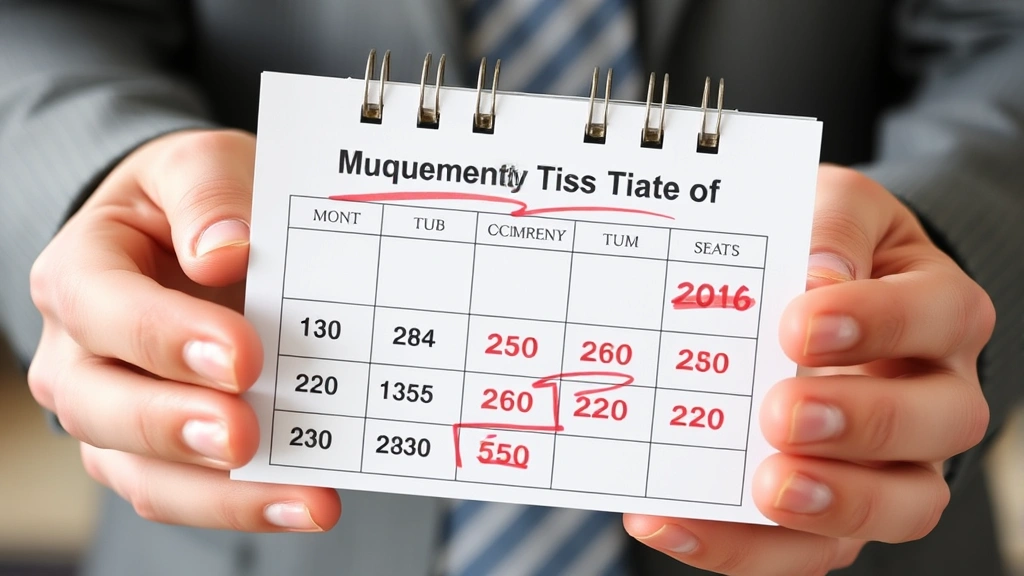
If a deadline falls on a weekend or holiday, the FTB typically extends it to the next business day. However, don’t assume this applies to your situation—mark the official dates on your calendar and set reminders a week in advance.
How to Submit Payments
California offers several convenient ways to pay estimated taxes, and choosing the right method ensures your payment posts correctly and on time.
Online Payment (Fastest & Easiest): The California Department of Tax and Fee Administration (CDTFA) and Franchise Tax Board offer online payment through their official websites. You can pay with a debit card, credit card, or electronic bank transfer. Credit card payments incur a processing fee (typically 2-2.5%), while bank transfers are usually free. This method provides instant confirmation and is the most secure option.
Phone Payment: Call the FTB’s payment line to submit your estimated tax payment over the phone. You’ll need your Social Security Number, California ID number, and bank account information. This method is convenient but doesn’t provide written confirmation, so request a confirmation number and save it.
Mail Payment: You can mail a check or money order to the FTB. Include Form 540-ES (California Estimated Tax for Individuals) with your payment. Mail payments are risky because they depend on postal delivery times. If you choose this method, mail your check at least 10 days before the deadline to ensure it arrives on time. The FTB won’t accept late payments, even if the delay was the postal service’s fault.
Electronic Funds Withdrawal (EFW): If you file your California tax return electronically, you can set up EFW to automatically deduct your estimated tax payments from your bank account on the due dates. This prevents missed deadlines and removes the temptation to spend money you’ve set aside for taxes.
Safe Harbor Rules Explained
California’s safe harbor rules protect you from underpayment penalties if you meet specific payment thresholds. Understanding these rules is crucial because they determine whether you’ll face penalties even if you ultimately owe more tax when you file your return.
The 100% Rule: If you pay 100% of your 2023 tax liability through estimated tax payments, you’re safe from penalties regardless of how much you owe in 2024. This is why the prior year method is so popular—it automatically satisfies the safe harbor. For example, if you owed $4,000 in 2023 and pay $1,000 each quarter in 2024, you won’t face penalties even if your 2024 liability reaches $6,000.
The 90% Rule: Alternatively, you can pay 90% of your 2024 tax liability and avoid penalties. This method requires accurate income projection but works well if you expect significantly lower income than the previous year. If you miscalculate and pay less than 90%, you’ll owe penalties on the shortfall.

Important Exception for High-Income Earners: If your 2023 adjusted gross income exceeded $150,000 ($75,000 if married filing separately), California requires you to pay 110% of your prior year’s tax liability instead of 100%. This higher threshold prevents high-income taxpayers from using prior-year income to avoid taxes on substantial income increases.
The safe harbor rules exist because the IRS and California recognize that income fluctuates unpredictably. If you’re genuinely uncertain about your annual income, paying based on your prior year’s liability provides a safety net against penalty assessment.
Capital Gains and Special Income
California’s treatment of capital gains affects estimated tax planning significantly, especially if you’re expecting investment income. If you’re considering large asset sales or stock transactions, you should review our guide on CA Capital Gains Tax to understand how these gains impact your quarterly obligations.
Capital gains—whether short-term or long-term—are subject to California state income tax at your ordinary income tax rates. This differs from federal taxation, where long-term capital gains receive preferential rates. If you’re planning to sell appreciated assets in 2024, estimate the gain and add it to your income projection for estimated tax purposes.
Real estate sales deserve special attention. If you’re selling investment property or a second home, the gain (sale price minus adjusted basis) becomes taxable income. Additionally, California’s Mansion Tax California imposes an additional 1% transfer tax on residential property sales exceeding $1 million. While this isn’t technically income tax, it affects your overall tax liability and cash flow planning.
Rental income from properties also requires estimated tax payments. Even if you don’t receive monthly rental payments (perhaps you collect annually), you must still pay estimated taxes quarterly based on your expected annual rental income. Depreciation deductions reduce your taxable rental income but don’t eliminate estimated tax obligations.
Dividend and interest income should be included in your income projection as well. If you receive significant investment income, factor it into your current year method calculation. The prior year method automatically accounts for this if your investment portfolio remained relatively stable.
Penalties for Underpayment
California’s penalty structure incentivizes timely, adequate estimated tax payments. The penalties are real and can accumulate quickly if you significantly underpay or miss multiple quarters.
Underpayment Penalty: If you fail to pay enough estimated tax, the FTB assesses an underpayment penalty on the shortfall. The penalty rate is 5% per year, compounded monthly. For example, if you underpay by $1,000 from July through December, you’d owe approximately $25-30 in penalties. While this might seem modest, underpayment penalties on larger shortfalls can reach hundreds or thousands of dollars.
Late Payment Penalty: Missing a quarterly deadline entirely triggers a separate late payment penalty, even if you eventually pay the correct amount. This penalty is 5% of the unpaid tax for each month (or fraction thereof) the payment is late. If you miss the April 15 deadline and don’t pay until June, you’re looking at a 10% penalty on that quarter’s payment.
Interest Charges: Beyond penalties, the FTB charges interest on all unpaid taxes from the original due date until you pay. The interest rate adjusts quarterly based on the federal rate plus 5%. Currently, this rate hovers around 8-9% annually. Interest compounds daily and cannot be waived, even if the FTB determines that penalties were assessed unfairly.
Avoiding Penalties: The easiest way to avoid these charges is to either meet the 100% safe harbor (pay 100% of prior year’s tax) or accurately estimate your current year liability and pay 90% of it. If you’re uncertain, err on the side of overpaying. Any excess estimated tax you pay becomes a credit toward your April tax return, resulting in a refund or reduced balance due.
Making Adjustments Mid-Year
Life happens. Business income surges unexpectedly, you experience a major loss, or you receive an inheritance. California allows you to adjust your estimated tax payments mid-year if your income changes significantly.
Increasing Payments: If your income is higher than expected, increase your remaining quarterly payments. Calculate your revised annual income estimate and determine what you should have paid through the current quarter. Adjust your next payment accordingly. For example, if you expected $50,000 in self-employment income but now project $75,000, increase your Q3 and Q4 payments to catch up.
Decreasing Payments: Conversely, if your income drops (perhaps your business had a slow quarter or you experienced unexpected expenses), you can reduce subsequent payments. File an amended Form 540-ES with the FTB explaining the change. While you can’t recover overpaid amounts from previous quarters, you can prevent overpaying in future quarters.
Major Life Changes: Significant events like marriage, divorce, inheritance, or substantial investment gains warrant a mid-year adjustment. Don’t wait until tax season to address these changes. The sooner you adjust, the less interest and penalties you’ll accumulate if you were underpaying.
Documentation: Keep records of why you adjusted your estimates. If the FTB questions your estimated tax calculation, you’ll want documentation showing that you made a good-faith effort to estimate accurately based on information available at the time.
Common Mistakes to Avoid
After years of helping clients navigate California taxes, I’ve seen the same mistakes repeatedly. Learning from others’ errors can save you significant money and stress.

Mistake #1: Forgetting About Estimated Taxes Entirely Many freelancers and self-employed individuals focus on federal estimated taxes and overlook California’s requirement. California’s penalties are just as real as federal penalties. Don’t assume that paying federal estimated taxes satisfies your California obligation—they’re separate systems with separate deadlines.
Mistake #2: Using Calendar Quarters Instead of California Quarters California’s quarters don’t align with calendar quarters. Paying on March 31 instead of April 15 doesn’t satisfy the Q1 requirement. Mark the actual FTB deadlines on your calendar and set reminders at least one week in advance.
Mistake #3: Underestimating Self-Employment Income Self-employed individuals often underestimate income to be conservative, then face underpayment penalties when actual income exceeds estimates. If you’re uncertain, project income on the higher side. Overpaying results in a refund; underpaying results in penalties and interest.
Mistake #4: Ignoring the 110% Rule for High Earners High-income earners sometimes pay 100% of prior year taxes and assume they’re protected, forgetting that California requires 110% for those with AGI exceeding $150,000. This oversight creates surprise underpayment penalties.
Mistake #5: Mailing Checks Without Tracking If you mail estimated tax payments, use certified mail with tracking. Regular mail occasionally gets lost, and the FTB won’t credit a payment they never received. Even if the post office loses your check, you’re liable for penalties and interest.
Mistake #6: Paying Only Federal Estimated Taxes Federal and California estimated taxes are completely separate. Paying $1,000 to the IRS doesn’t count toward your California obligation. You must pay both separately on their respective deadlines.
Frequently Asked Questions
Do I need to pay California estimated taxes if I have a W-2 job with side income?
It depends on the total tax liability. If your W-2 employer withholds enough tax to cover both your W-2 income and side income, you won’t need estimated tax payments. However, if your side income creates an additional tax liability exceeding $500, you’ll need to pay estimated taxes on that side income. Use Form 540-ES to calculate whether you’re in safe harbor.
What happens if I miss a quarterly deadline?
Missing a deadline triggers a late payment penalty (5% per month) plus interest on the unpaid amount. The good news: you can still pay the late quarter and minimize future penalties by paying remaining quarters on time. The FTB won’t forgive the late penalty, but you prevent it from compounding in subsequent quarters.
Can I deduct estimated tax payments on my federal return?
State estimated tax payments aren’t separately deductible. However, if you itemize deductions, you can deduct up to $10,000 in total state income taxes (including estimated taxes, withholding, and final tax liability) through the SALT deduction limitation. This deduction is claimed on Schedule A of your federal return.

How do I know if I’m in safe harbor?
You’re in safe harbor if you pay 100% of your prior year’s California tax liability through estimated payments (or 110% if your prior year AGI exceeded $150,000), OR if you pay 90% of your current year’s estimated liability. Use the FTB’s Form 540-ES worksheet to calculate whether you meet one of these thresholds.
Can I adjust my estimated taxes if my income changes?
Yes, absolutely. If your income changes significantly mid-year, recalculate your estimated tax and adjust your remaining quarterly payments accordingly. File an amended Form 540-ES if needed. This prevents overpaying or underpaying in subsequent quarters.
What’s the difference between estimated taxes and my final tax return?
Estimated taxes are quarterly advance payments toward your annual tax liability. Your final tax return (due April 15, 2025) reconciles your actual 2024 income, deductions, and credits with your estimated tax payments. If you overpaid through estimated taxes, you receive a refund; if you underpaid, you owe the balance plus interest and penalties.
Do I need to pay estimated taxes if I’m retired?
It depends on your income sources. If you’re receiving distributions from traditional IRAs, 401(k)s, or other retirement accounts, those are subject to California income tax. If your expected tax liability exceeds $500, you’ll need to pay estimated taxes. However, if your only income is Social Security, you won’t need estimated tax payments (Social Security isn’t subject to California state income tax).
Can I pay estimated taxes annually instead of quarterly?
No, California requires quarterly payments. However, if your income is extremely irregular (perhaps you receive a large payment once per year), you can use the annualized income installment method to align your estimated tax payments with when you actually receive income. This prevents overpaying in slow months.
For more information on California’s unique tax situation, explore our guides on Sales Tax in Santa Ana, CA and Concord, CA Sales Tax to understand California’s broader tax environment. You can also visit Link and Learn Taxes for additional resources.
Bottom Line
Paying California estimated taxes isn’t complicated once you understand the system, but the consequences of getting it wrong are real. Whether you use the prior year method (simplest) or current year method (most accurate), the key is making timely quarterly payments and adjusting when your income changes significantly.
Start by determining whether you need to pay estimated taxes at all—if your expected tax liability exceeds $500, you’re required to participate. Then choose your calculation method, mark your calendar with the correct FTB deadlines, and set up automatic payments if possible. This removes the guesswork and ensures you’re never late.
If your situation involves significant income changes, capital gains, or complex deductions, consider consulting a California tax professional. The cost of professional guidance is often far less than the penalties and interest you’d pay from miscalculating on your own. Your future self will thank you when April 2025 arrives and you’re not scrambling to pay a surprise tax bill.


