

Understanding Pennsylvania automobile sales tax is crucial whether you’re buying your first car or trading in your current vehicle. In Pennsylvania, the sales tax rate on vehicles is 6%, one of the lower rates in the nation, but there are nuances, exemptions, and registration requirements that can significantly impact what you actually pay at the dealership.
Table of Contents
Pennsylvania Sales Tax Rate
Pennsylvania’s statewide sales tax rate is 6%, and this applies uniformly to vehicle purchases across the entire state. Unlike some states that allow counties or municipalities to add local sales taxes on top of the state rate, Pennsylvania maintains a flat 6% rate with no local additions for car sales. This is actually favorable compared to neighboring states—for reference, car sales tax in North Carolina varies by county, and many states charge 7% or higher.
The 6% rate applies to the purchase price of the vehicle minus any applicable deductions (like trade-in value). So if you’re buying a $25,000 car in Pennsylvania, you’re looking at $1,500 in sales tax before any credits or adjustments.
How Tax Is Calculated
The calculation is straightforward: take the selling price of the vehicle, subtract your trade-in allowance (if applicable), and multiply the remainder by 0.06. Let me walk you through a real example.
Say you’re purchasing a vehicle priced at $30,000 and trading in your old car valued at $8,000. Your taxable amount is $30,000 minus $8,000 = $22,000. Multiply $22,000 by 0.06, and you owe $1,320 in sales tax. The dealership will add this to your final bill along with registration and title fees.
One critical point: the sales tax is calculated on the actual selling price, not the manufacturer’s suggested retail price (MSRP). If you negotiate the dealer down to $28,000 from an MSRP of $32,000, your tax basis is that $28,000 negotiated price. This is why haggling matters—every thousand dollars you save reduces your tax burden by $60.
Trade-In Credit Impact
Pennsylvania offers a significant advantage for buyers with trade-ins: the sales tax is calculated only on the net amount after subtracting the trade-in value. This is called the “net sale price” method, and it’s one of the most consumer-friendly approaches in the country.

Here’s why this matters: if you trade in a vehicle worth $10,000 toward a $35,000 purchase, you’re not paying 6% tax on the full $35,000. You’re paying it only on the $25,000 difference. That saves you $600 in taxes right there. This is a substantial benefit that many buyers overlook when comparing their total cost of ownership.
Keep in mind that the trade-in value must be agreed upon by both you and the dealership. If you believe your vehicle is worth more than what’s being offered, you have the right to negotiate. Getting an independent appraisal from a service like Kelley Blue Book or NADA Guides can strengthen your negotiating position.
Registration and Title Fees
Beyond sales tax, Pennsylvania charges separate fees for vehicle registration and title transfer. These are not taxes, but they’re mandatory costs you’ll encounter at the dealership.

Registration fees in Pennsylvania depend on the vehicle’s weight and age. For a new vehicle under 3,500 pounds, you’re looking at approximately $36 for the first registration. Heavier vehicles cost more. If you’re registering a used vehicle, the fee structure changes slightly.
The title transfer fee is currently $16.50 for a standard transfer. If you’re financing the vehicle and the lender will hold the title, there’s an additional lien fee of $6. These fees go to the Pennsylvania Department of Transportation (PennDOT) and are non-negotiable.
When you add it all together—sales tax plus registration plus title fees—you could be looking at an additional 7-8% on top of your vehicle’s purchase price in total costs. This is why understanding the full breakdown before you sign is essential.

Exemptions and Special Cases
Not every vehicle purchase in Pennsylvania is subject to the full 6% sales tax. There are specific exemptions worth knowing about.
Farm Equipment: If you’re purchasing a vehicle exclusively for agricultural use, you may qualify for a sales tax exemption. This requires proper documentation and registration as a farm vehicle.
Government and Non-Profit Purchases: Federal, state, and local government agencies, as well as qualified non-profit organizations, are typically exempt from sales tax on vehicle purchases. These entities must provide proof of their status.

Resale Certificates: Businesses that purchase vehicles for resale (like car dealers and rental companies) can use resale certificates to avoid paying sales tax, since the tax will be collected when the vehicle is sold to the end consumer.
If you believe you qualify for an exemption, contact PennDOT or the Pennsylvania Department of Revenue before making your purchase. Attempting to claim an exemption you don’t qualify for can result in penalties and back taxes.
Out-of-State Vehicle Purchases
What if you buy a car in another state and bring it to Pennsylvania? This is where things get interesting, and honestly, where many people make costly mistakes.
Pennsylvania has a use tax that mirrors its sales tax rate. If you purchase a vehicle in a state with a lower sales tax (or no sales tax) and register it in Pennsylvania, you owe Pennsylvania’s 6% use tax on the purchase price. The state collects this when you title and register the vehicle in Pennsylvania.
For example, if you buy a car in Delaware (which has no sales tax) for $30,000 and then move to Pennsylvania, you’ll owe $1,800 in use tax when you register it here. The dealership or PennDOT will collect this at registration time.
There’s one exception: if you paid sales tax in another state at a rate equal to or higher than Pennsylvania’s 6%, you typically don’t owe additional use tax. You’ll need to provide proof of the out-of-state sales tax paid. This is why keeping your purchase documents is critical.
Private Party Vehicle Sales
Buying from a private party (not a dealer) doesn’t exempt you from sales tax. Many people mistakenly believe private sales are tax-free, but Pennsylvania requires sales tax on all vehicle purchases, regardless of whether they’re from a dealer or an individual.
When you purchase from a private party, you’ll pay the sales tax when you title and register the vehicle with PennDOT. You’ll need to provide a bill of sale showing the agreed-upon purchase price. The tax is calculated on that price, minus any trade-in value if applicable.
One advantage of private sales: you have more room to negotiate the price, which directly reduces your tax obligation. If you negotiate a lower price, your tax bill is lower too. This is another reason why haggling matters, whether you’re at a dealership or buying from an individual.
When and How to Pay
The timing of when you pay sales tax depends on where you’re buying.
Dealership Purchases: You pay sales tax at the dealership when you sign the paperwork. It’s typically rolled into your total amount due, whether you’re financing or paying cash. The dealership collects the tax and remits it to Pennsylvania.
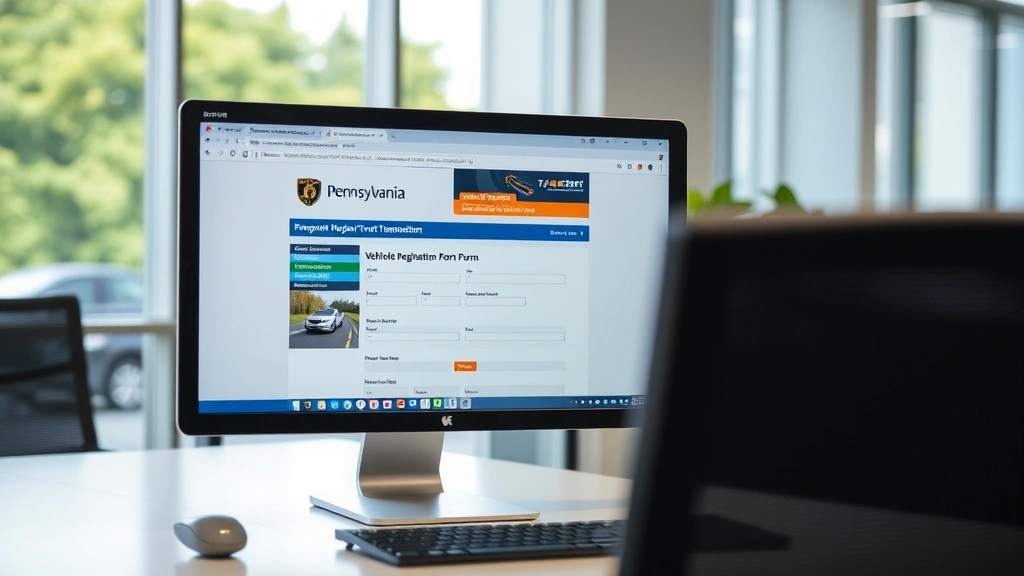
Private Party Purchases: You pay the sales tax directly to PennDOT when you apply for the title and registration. Bring your bill of sale and proof of the agreed-upon price.
Out-of-State Purchases: If you’re registering an out-of-state vehicle in Pennsylvania, you pay the use tax when you register it here.
You can pay by cash, check, or credit card at most locations. If you’re buying from a dealership, they’ll handle the payment process for you. If you’re registering privately, you’ll interact directly with PennDOT.
Compare this to other states’ approaches—Georgia’s ad valorem tax, for instance, is based on the vehicle’s value rather than the sales price, creating a different cost structure altogether.
Frequently Asked Questions
Can I avoid Pennsylvania automobile sales tax by registering my vehicle in another state?
No. If you live in Pennsylvania and register your vehicle here, you owe Pennsylvania’s sales or use tax regardless of where you purchased it or what state you initially registered it in. Attempting to dodge this by registering elsewhere while living in Pennsylvania is tax evasion and can result in serious penalties.
Is sales tax included in the advertised price at Pennsylvania dealerships?
No. Dealerships advertise the vehicle price before tax, title, and fees. Your final bill will be higher once these are added. Always ask for a complete breakdown before signing anything.
What if I’m buying a vehicle as a gift for someone else?
Sales tax is still owed. The tax is based on the purchase price, not on the relationship between buyer and recipient. If you’re gifting a vehicle, the recipient may owe use tax when they register it if they live in a different state.
Do I pay sales tax on vehicle warranties or add-ons?
Extended warranties and service contracts are typically subject to sales tax in Pennsylvania. Gap insurance and other add-ons may also be taxed. Ask your dealer for clarification on what’s included in the taxable amount.
Can I deduct vehicle sales tax on my federal income taxes?
Not directly. However, if you itemize deductions on your federal return, you can deduct either state income tax or state and local sales taxes (SALT), but not both. Since Pennsylvania’s income tax rate (3.07%) is relatively low, most taxpayers benefit more from deducting sales tax. Consult a CPA to determine what’s best for your situation. For more on understanding tax calculations, see our guide on how to find average tax rate.
What happens if I don’t pay the sales tax owed?
PennDOT won’t issue your title and registration without proof that sales tax has been paid. If you owe use tax on a vehicle purchased out of state, Pennsylvania will eventually track you down and collect it, plus penalties and interest. It’s not worth the risk.
Are electric vehicles taxed differently in Pennsylvania?
No. Electric vehicles are subject to the same 6% sales tax as gasoline vehicles. However, Pennsylvania offers some incentives for EV purchases at the federal level (federal tax credits), but these are separate from state sales tax.
Bottom Line
Pennsylvania’s 6% automobile sales tax is competitive nationally, and the state’s trade-in credit system is genuinely favorable to consumers. The key to minimizing your tax burden is understanding how the calculation works, negotiating the best purchase price possible, and ensuring you have proper documentation for any exemptions or credits you claim.
Whether you’re buying from a dealership or a private party, in-state or out-of-state, the rules remain consistent: you’ll owe 6% sales tax (or use tax) on the net purchase price after trade-in allowances. Factor this into your budget, get everything in writing, and don’t hesitate to ask your dealer or PennDOT for clarification on any fees or charges.
For comparison, check out what other states charge—like the sales tax in Los Angeles, which is significantly higher. Pennsylvania’s rate is reasonable, but every dollar saved through smart negotiating and understanding the tax rules is money in your pocket.


