

A Pennsylvania property tax refund can put money back in your pocket, but only if you know how to claim it. Whether you’ve overpaid your taxes, qualify for a homestead exemption, or are eligible for senior relief programs, understanding your options is crucial to recovering what’s rightfully yours.
Table of Contents
Who Qualifies for Refunds
Not everyone automatically gets a Pennsylvania property tax refund, and that’s where confusion sets in. The state offers several pathways to relief, each with specific eligibility requirements. Your income level, age, disability status, and property type all play a role in determining whether you qualify.
Pennsylvania’s property tax system is administered at the county level, which means rules can vary depending on where you live. Some counties are more generous with exemptions than others. The key is understanding which programs apply to your situation and taking action before deadlines pass.
If you’ve been paying property taxes without realizing you qualified for relief, you may be entitled to back refunds. This is especially true for seniors and disabled property owners who didn’t file for exemptions when they first became eligible.
Homestead Property Tax Exemption
Pennsylvania’s Homestead Property Tax Exemption is one of the most valuable relief programs available. If you own and occupy your primary residence, you may qualify for a significant reduction in your assessed property value, which directly lowers your tax bill.
The homestead exemption works by reducing your property’s assessed value by up to $35,000 (this amount can vary and may be adjusted). This means if your home is assessed at $150,000, it could be reduced to $115,000 for tax purposes. On a typical mill rate, this could save you $300–$600 annually or more, depending on your county.
To qualify, you must:
- Own the property as your primary residence
- Have lived in the home for at least one year
- Not rent out any portion of the property
- File your application with your county assessor’s office before the deadline
The application process is straightforward but time-sensitive. Many counties have annual filing windows, typically in spring. Missing the deadline means waiting another year for your exemption to take effect. If you’ve owned your home for years without filing, contact your county assessor immediately—you may be entitled to back refunds covering several years.
Senior Citizen Tax Relief Programs
Pennsylvania recognizes that fixed incomes make property taxes particularly burdensome for seniors. The state offers two main programs: the Property Tax/Rent Rebate Program and county-specific senior exemptions.

The Property Tax/Rent Rebate Program is administered by the Department of Revenue. You’re eligible if you’re 65 or older (or widowed at any age with a dependent), earn less than $35,000 annually, and own or rent your primary residence. The rebate can range from $250 to $1,000 depending on your income and property taxes paid.
Many counties also offer additional senior exemptions that reduce assessed property values specifically for residents 65 and older. These work similarly to the homestead exemption but have income caps. Some counties exempt seniors entirely from school property taxes if income falls below certain thresholds.
Here’s what catches many seniors off guard: you must apply for these benefits. They don’t automatically kick in when you turn 65. If you’re a senior and haven’t applied, you’re likely leaving hundreds or thousands of dollars on the table. Contact your county assessor’s office and the Pennsylvania Department of Revenue to explore all available options.
Disability and Veterans Benefits
Pennsylvania extends property tax relief to disabled individuals and veterans, recognizing their service and circumstances. Disabled property owners may qualify for exemptions similar to senior programs, with income limits varying by county.
Veterans, particularly those with service-connected disabilities rated by the VA, often qualify for substantial exemptions. A 100% disabled veteran may receive a complete exemption from school property taxes in many counties. Lower disability ratings typically result in partial exemptions.
To claim these benefits, you’ll need documentation from the VA or a physician confirming your disability status. The process requires working with your county assessor and potentially the state Department of Revenue. Many veterans don’t realize these benefits exist or assume they’ve already been applied to their accounts.
If you’re a disabled veteran, contact the Veterans Affairs office in your county and your assessor’s office. Back refunds may be available if you were eligible but didn’t file previously.
How to Claim Your Refund
The process for claiming a Pennsylvania property tax refund depends on which program you’re pursuing. Let’s break down the most common scenarios:
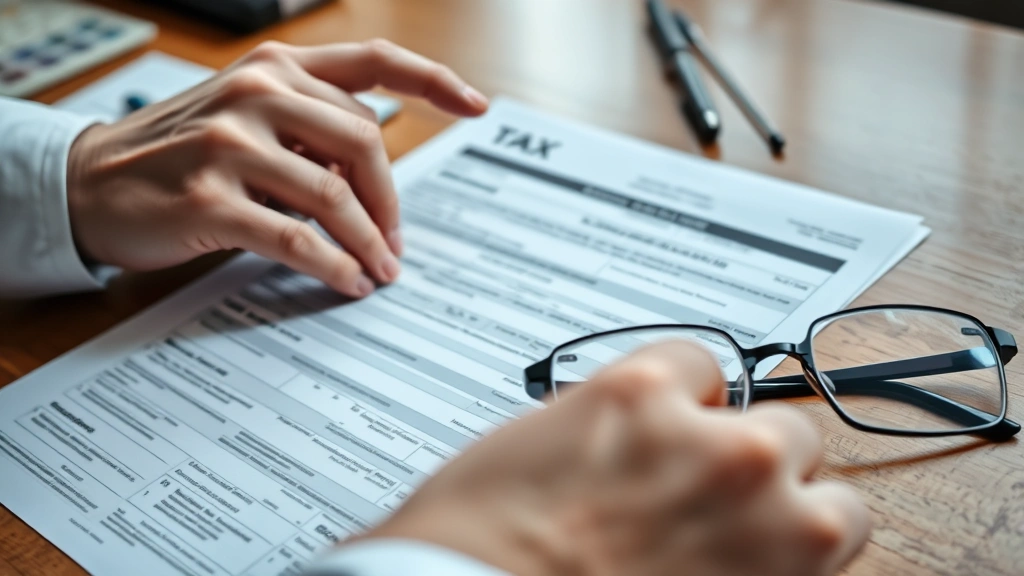
For Homestead Exemptions: Contact your county assessor’s office directly. They’ll provide an application form (often available online). You’ll need proof of ownership and occupancy. Submit before your county’s deadline, typically in April or May. Processing takes several months, and the exemption applies to the next tax year.
For Senior Rebates: File with the Pennsylvania Department of Revenue using Form PA-1000. You’ll need your previous year’s tax return, proof of income, and documentation of property taxes paid or rent paid. The deadline is typically December 31st. Rebates are issued in the following year.
For Assessment Appeals: If you believe your property is overassessed, file an appeal with your county board of assessment appeals. This must happen within a specific window, usually 30 days of receiving your assessment notice. You may need a professional appraisal to support your claim.
The most common mistake is waiting too long. Deadlines are strict, and missing them costs you a full year of benefits. Mark your calendar and set reminders. If you’re unsure which program applies, call your county assessor’s office—they’re surprisingly helpful and can guide you through the process.
Refund Processing Timeline
Understanding timelines prevents frustration. Property tax refunds don’t happen overnight, and knowing what to expect helps you plan your finances accordingly.
Homestead Exemptions: If you apply in spring, the exemption typically takes effect January 1st of the following year. You’ll see the reduced tax bill the next fiscal year. If you’re owed back refunds from previous years, those are processed separately and can take 6–12 months after approval.
Senior Rebate Program: Applications filed by December 31st are processed the following year. Checks are typically mailed between June and August. If you’re applying for the first time, expect processing to take 4–6 months after submission.
Assessment Appeals: If you file an appeal, the hearing process can take 2–6 months. If you win, refunds are calculated based on the new assessment and issued within 30–60 days of the decision.

During the waiting period, keep copies of everything you submitted. If you don’t receive your refund within the expected timeframe, follow up with the issuing agency. Government processing delays happen, but persistence usually gets results.
Mistakes to Avoid
After years of helping people navigate Pennsylvania’s tax system, I’ve seen the same mistakes repeatedly. Learning from others’ errors can save you significant money and headache.
Missing Deadlines: This is the biggest culprit. County assessors have strict filing windows, often just a few weeks in spring. Mark your calendar in January and apply early. Don’t assume you’ll remember in April.
Not Filing for Back Years: If you just discovered you qualified for an exemption, don’t assume it’s too late. Many counties allow back claims for 3–5 years. Contact your assessor immediately to ask about retroactive relief.
Underreporting Income: On senior rebate applications, some people accidentally exclude certain income sources. This disqualifies them or reduces their benefit. Use your complete tax return and list all income, including Social Security, pensions, and investment income.
Ignoring Assessment Notices: When you receive your property assessment notice, review it carefully. If the assessed value seems high compared to similar homes, you have a limited window to appeal. Ignoring the notice means accepting the assessment by default.
Assuming Automatic Application: Exemptions and rebates are never automatic. You must apply. Don’t assume that turning 65 or becoming disabled automatically triggers relief. File the paperwork yourself.
Property Tax Assessment Appeals
If you believe your property is assessed too high, you have the right to appeal. This is separate from claiming exemptions and can result in significant refunds if successful.

Start by comparing your assessed value to similar properties in your neighborhood. County assessor websites often provide public records showing assessed values. If yours is notably higher, you have grounds for appeal.
Next, gather evidence. Get a recent appraisal, comparable sales data, or photographs documenting any property defects. If your home has structural issues, outdated systems, or is in poor condition, this supports a lower assessment.
File your appeal with the county board of assessment appeals within 30 days of receiving your assessment notice. Most counties accept appeals during a specific window, typically in spring. You’ll attend a hearing where you present your evidence.
If you win, the assessment is reduced, and you receive a refund for overpaid taxes dating back to the original assessment. This can amount to thousands of dollars if the assessment was significantly inflated.
Many people skip this step because they think it’s complicated or expensive. In reality, most appeals are straightforward, and you don’t need an attorney for basic cases. If your property is worth $300,000 but assessed at $400,000, the effort is absolutely worth it.
Frequently Asked Questions
Can I get a Pennsylvania property tax refund if I just moved to the state?
Not immediately. Most exemptions require you to have owned and occupied your home for at least one year. However, you can apply for the homestead exemption as soon as you meet the residency requirement. Check with your county assessor about the specific timeline.
What’s the difference between a homestead exemption and a senior exemption?
A homestead exemption is available to any owner-occupant regardless of age and reduces assessed value by a fixed amount. Senior exemptions are specifically for residents 65+ and often provide greater relief but have income limits. You may qualify for both, in which case you’d apply for whichever provides the most benefit.
Do I need to reapply for exemptions every year?
For homestead exemptions, no. Once approved, it continues year to year unless you move or change the property’s use. For senior rebates, yes—you must file annually by the December 31st deadline. Some counties require periodic renewal of senior exemptions.
How much can I save with a Pennsylvania property tax refund?
Savings vary widely depending on your county’s mill rate and which program you qualify for. Homestead exemptions typically save $300–$800 annually. Senior rebates range from $250–$1,000. Assessment appeal victories can save thousands if your property was significantly overassessed.
What happens if I disagree with the assessment appeal result?
You can appeal the board’s decision to court. This is more complex and may require legal representation, so consider it only if the stakes justify the cost. Most assessment appeals are final at the board level.
Can renters get Pennsylvania property tax refunds?
Not directly. However, renters 65+ with limited income may qualify for the Rent Rebate portion of Pennsylvania’s Property Tax/Rent Rebate Program. This provides similar relief to the property tax rebate but applies to rent paid.
Where do I find my county assessor’s office?
Search online for “[Your County] Assessor’s Office” or visit your county’s official website. Most counties list contact information, office hours, and application deadlines online. Call ahead if you’re unsure about requirements.
Take Action Today
A Pennsylvania property tax refund won’t come to you automatically. Whether you’re eligible for a homestead exemption, senior relief, or an assessment appeal, the responsibility to file falls on you. The good news? The process is straightforward once you understand your options.
Start by contacting your county assessor’s office. Ask specifically about homestead exemptions, senior programs, and assessment appeals. If you’re 65 or older, also reach out to the Pennsylvania Department of Revenue about the Property Tax/Rent Rebate Program. If you own a home and haven’t applied for a homestead exemption, do it this week—you could be leaving hundreds of dollars annually on the table.
For those dealing with local income tax PA issues alongside property tax concerns, understand that these are separate systems. However, if you live in Philadelphia, you’re subject to both property taxes and the Philadelphia PA wage tax, so managing both is important for your overall tax picture.
If you’re planning your estate, also be aware of PA inheritance tax rates, as property considerations intersect with estate planning. And if you’re comparing states, understanding how Pennsylvania’s system works versus neighboring states—like the Maryland tax refund delay issues or New York State interest on back property taxes—can inform your financial decisions.
Don’t leave money on the table. Your county assessor’s office has processed thousands of applications and can walk you through yours. The effort takes a few hours, but the financial benefit lasts for years.


