

Understanding property tax South Carolina vehicle requirements is essential for any car owner in the Palmetto State, and it’s one of those financial obligations that many people overlook until they get a bill in the mail. Whether you’re a longtime resident or new to South Carolina, vehicle property taxes work differently here than in many other states, and knowing the rules can save you hundreds of dollars annually.
Table of Contents
- South Carolina Vehicle Tax Basics
- How South Carolina Calculates Vehicle Taxes
- Registration and Titling Requirements
- Tax Exemptions and Deductions Available
- County-Specific Tax Differences
- Payment Deadlines and Penalties
- Ways to Reduce Your Vehicle Taxes
- Common Mistakes Vehicle Owners Make
- Frequently Asked Questions
South Carolina Vehicle Tax Basics
South Carolina doesn’t call it a “property tax” on vehicles like some states do. Instead, the state charges what’s called a “property tax” through the county assessor’s office, but it’s applied to the assessed value of your vehicle. This is different from sales tax, which you pay at the time of purchase. Think of it as an annual tax on the privilege of owning a motor vehicle in the state.
The South Carolina Department of Motor Vehicles works in conjunction with county assessors to determine your vehicle’s assessed value. Your county assessor’s office is responsible for calculating the tax based on that value. Unlike income tax, which is straightforward, vehicle property taxes can vary significantly depending on where you live in the state. If you own a vehicle in Richland County, for example, your tax calculation might differ from someone in Charleston County. We’ve covered car taxes in Richland County in detail if you need specific information for that area.
The tax rate itself is set by your county and typically ranges from 10.5 mills to 15 mills per $1,000 of assessed value. A “mill” is simply one-tenth of one percent. So if your county’s rate is 12.5 mills and your vehicle is assessed at $20,000, you’d owe $250 in annual property tax.
How South Carolina Calculates Vehicle Taxes
The calculation process starts with determining your vehicle’s fair market value. South Carolina uses the National Automobile Dealers Association (NADA) guide as the baseline for valuation. The county assessor looks up your vehicle’s year, make, model, and condition to establish a base value. From there, adjustments are made for mileage, condition, and any significant damage or modifications.
Once the assessed value is established, it’s multiplied by the applicable tax rate in your county. Here’s a practical example: let’s say you own a 2020 Honda Civic assessed at $18,500, and your county’s tax rate is 13 mills per $1,000. The calculation would be: ($18,500 ÷ $1,000) × 13 = $240.50 in annual property tax.
The tricky part is that assessed values can change from year to year. As your vehicle ages, its assessed value typically decreases, which means your tax bill should go down. However, if you make significant upgrades or modifications to your vehicle, the assessed value might increase, bumping up your tax obligation. This is why it’s worth reviewing your assessment notice each year to ensure accuracy. If you believe your vehicle is overvalued, most counties allow you to appeal the assessment.
Registration and Titling Requirements
Before you can legally drive your vehicle in South Carolina, you need to register it and obtain a title. The registration process is handled by your county’s Register of Deeds office, not the DMV. Yes, this catches a lot of people off guard. The DMV handles licenses and permits, but vehicle registration and titling are county-level functions.
When you register your vehicle, you’ll need to provide proof of ownership (the title), proof of insurance, and your vehicle identification number (VIN). The Register of Deeds will verify the information and issue you registration plates and a registration certificate. This is also when your property tax obligation is officially recorded.
If you’re moving to South Carolina from another state, you have 45 days to register your vehicle in the state. During this grace period, you can still drive with your out-of-state plates and registration. However, once the 45 days are up, you must have South Carolina plates and registration, and you’ll owe property tax from the date you became a resident. This is an important deadline that many people miss, and it can result in penalties and late fees.
Tax Exemptions and Deductions Available
South Carolina does offer some exemptions and special considerations for certain vehicle owners. One of the most common is the exemption for disabled veterans. If you’re a veteran with a service-connected disability rated by the VA, you may qualify for a partial or full exemption from vehicle property tax, depending on your disability rating.
Additionally, some vehicles used for specific purposes may qualify for exemptions. For example, vehicles used exclusively for agricultural purposes or certain commercial uses might qualify for different tax treatment. Churches and nonprofit organizations may also receive exemptions for vehicles used in their operations.
Another consideration is the trade-in credit. If you’re purchasing a new vehicle and trading in an old one, South Carolina allows you to deduct the trade-in value from the purchase price before calculating sales tax. This isn’t technically a property tax deduction, but it reduces your overall tax burden on the new purchase. We’ve covered similar concepts in our guide on whether real estate tax and property tax are the same, which provides helpful context on how property taxes work across different asset types.
Electric and hybrid vehicles currently don’t receive special tax breaks in South Carolina, though this could change as state incentive programs evolve. It’s worth checking with your county assessor about any new programs that might benefit your specific vehicle type.
County-Specific Tax Differences
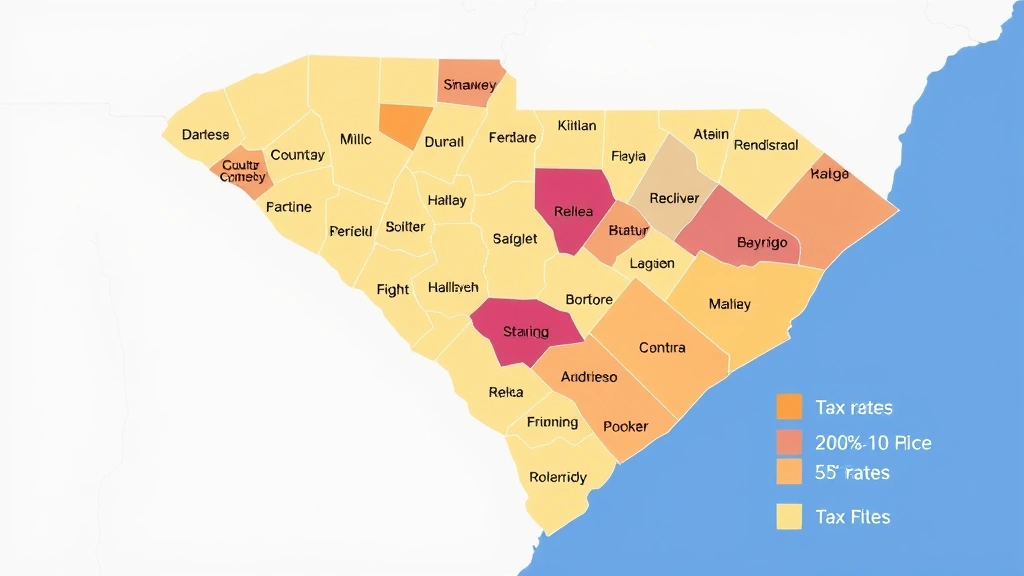
This is where things get really important: your county matters. South Carolina has 46 counties, and each one sets its own property tax rate for vehicles. This means your neighbor across the county line might pay significantly more or less than you do for the exact same vehicle.
For instance, some counties charge closer to 10.5 mills per $1,000 of assessed value, while others go as high as 15 mills. On a $20,000 vehicle, that difference could mean paying $210 annually versus $300 annually. Over a decade, that’s nearly $1,000 in difference.
The county where you register your vehicle is typically the county where you live or where the vehicle is principally garaged. If you own property in multiple counties or have a complex situation, it’s worth consulting with your county assessor’s office to ensure you’re registering in the right place.
If you’re considering relocating within South Carolina, the vehicle tax rate in your destination county is one factor worth researching. Some people who move to lower-tax counties actually see their overall tax burden decrease, even if property taxes on real estate are higher. We’ve created detailed guides for specific regions, including Richland County car taxes, to help you understand your local obligations.
Payment Deadlines and Penalties
Vehicle property tax bills in South Carolina are typically due by a specific date set by your county, usually sometime between January and March. The exact deadline varies by county, so check with your county assessor’s office or look for your tax bill, which will clearly state when payment is due.

If you miss the deadline, South Carolina assesses penalties and interest. The penalty for late payment is typically 10% of the unpaid tax, plus interest that accrues daily. If you’re really late, the county can place a lien on your vehicle, which could prevent you from selling or trading it in until the debt is resolved.
Here’s something many people don’t realize: if you finance your vehicle, your lender has a security interest in it. If you don’t pay your property tax, the lender could actually pay it on your behalf and add the cost to your loan balance. This means you’d end up paying interest on the tax amount, which is doubly expensive.
The best strategy is to mark your payment deadline on your calendar immediately when you receive your bill. Some counties offer online payment options, automatic payment plans, or payment by mail. Choose whatever method works best for you, but make sure you pay before the deadline.
Ways to Reduce Your Vehicle Taxes
While you can’t eliminate vehicle property tax in South Carolina (unless you qualify for an exemption), there are legitimate ways to reduce your burden. The first is to ensure your vehicle’s assessed value is accurate. Review your assessment notice carefully. If you believe the value is too high, file an appeal with your county assessor’s office. You’ll typically need to provide evidence of the vehicle’s actual market value, such as recent repair estimates, comparable vehicle listings, or professional appraisals.
Another strategy is to consider the vehicle you purchase. Vehicles that hold their value well will have higher property tax bills over time, but vehicles that depreciate quickly will see lower tax bills as they age. If you’re buying a used vehicle, understanding its depreciation trajectory can help you make a more tax-efficient purchase.
Some people also consider registering their vehicle in a lower-tax county if they have a legitimate reason to do so (like owning property there or garaing the vehicle there). However, you can’t simply choose a county arbitrarily—the vehicle must be principally garaged or located in that county. The state has cracked down on people trying to game the system, so be honest about where your vehicle actually is.
Keeping detailed maintenance records and documenting any damage or issues with your vehicle can also help if you need to appeal your assessment. If your vehicle has significant mechanical problems, accident damage, or high mileage, these factors should be reflected in a lower assessed value.
Common Mistakes Vehicle Owners Make
One of the biggest mistakes we see is people not registering their vehicles promptly when they move to South Carolina. The 45-day grace period sounds generous, but it passes quickly. If you miss it, you could face penalties and owe back taxes with interest. Don’t assume you can drive on out-of-state plates indefinitely.
Another common error is not appealing an assessment that seems too high. Many vehicle owners simply accept their assessment without question. But county assessors are human, and mistakes happen. If your vehicle is assessed at a value that seems unreasonably high compared to similar vehicles, file an appeal. Most counties make this process relatively straightforward.
People also sometimes fail to update their registration if they move within South Carolina. If you move to a different county, you need to re-register your vehicle in the new county. Your old county registration becomes invalid, and driving with it could result in a traffic citation.
Additionally, some owners don’t realize that modifications to their vehicles can affect their assessed value. If you add expensive upgrades, the assessor might increase the value accordingly. Conversely, if your vehicle has been in an accident and repaired, documenting that repair (even if it was done well) can help justify a lower assessment.
Finally, people often overlook the difference between vehicle property tax and sales tax. You pay sales tax when you purchase the vehicle, but property tax is an ongoing annual obligation. Both apply in South Carolina, and it’s important to budget for both.

Frequently Asked Questions
Do I pay both sales tax and property tax on vehicles in South Carolina?
Yes. South Carolina charges both a sales tax (currently 6% to 8.5% depending on county) at the time of purchase and an annual property tax on the assessed value of your vehicle. The sales tax is a one-time charge, while property tax recurs every year. This is why understanding both is crucial for budgeting.
Can I deduct vehicle property taxes on my federal income tax return?
Unfortunately, no. As of 2017, the Tax Cuts and Jobs Act eliminated the deduction for state and local property taxes on vehicles. You can deduct up to $10,000 in total state and local taxes (SALT), which might include real estate property taxes, but vehicle property taxes don’t qualify separately. If you’re self-employed and use your vehicle for business, you might be able to deduct vehicle-related expenses under different rules, but the property tax itself isn’t deductible.
What happens if I don’t pay my vehicle property tax?
If you don’t pay by the deadline, your county will assess a 10% penalty plus daily interest. If you continue not paying, the county can place a lien on your vehicle, which prevents you from selling or trading it. Your lender (if you financed the vehicle) might also pay the tax on your behalf and add it to your loan with interest charges. It’s far better to pay on time or set up a payment plan if you’re having difficulty.
How do I appeal my vehicle’s assessed value?
Contact your county assessor’s office and request an appeal form. You’ll need to provide evidence that the assessed value is incorrect, such as recent repair estimates showing damage, comparable vehicle listings showing lower market values, or a professional appraisal. The deadline to appeal is typically 30 days from the date of your assessment notice, so act quickly.
Is there a way to avoid vehicle property tax in South Carolina?
The only legitimate ways to avoid vehicle property tax are to qualify for an exemption (disabled veterans, certain nonprofit organizations, agricultural vehicles) or to not own a vehicle in the state. You cannot legally register and drive a vehicle in South Carolina without paying property tax unless you fall into an exemption category.
Do electric vehicles get special tax treatment in South Carolina?
Currently, South Carolina does not offer special property tax breaks for electric or hybrid vehicles. However, incentive programs change periodically, so it’s worth checking with your county assessor’s office or the South Carolina Department of Revenue for any new programs that might apply to your vehicle type.
How is my vehicle’s assessed value determined?
Your county assessor uses the NADA guide to establish a base value for your vehicle based on its year, make, model, and condition. Adjustments are made for mileage, condition, damage, and modifications. If you disagree with the assessment, you can appeal it with documentation supporting a different value.
Conclusion
Understanding property tax South Carolina vehicle requirements is fundamental to responsible vehicle ownership in the state. While the tax system might seem complex at first, breaking it down into components—how values are assessed, how rates are calculated, what deadlines apply, and what exemptions exist—makes it manageable. The key is to stay informed about your specific county’s rules, pay your bills on time, and appeal assessments that seem inaccurate. By taking these steps, you’ll ensure compliance with South Carolina law and potentially save money in the process. If you’re new to the state or moving to a different county, contact your local county assessor’s office early to understand your obligations. And remember: vehicle property tax is just one piece of the vehicle ownership puzzle. Make sure you’re also budgeting for sales tax, insurance, maintenance, and fuel. For comparative context on how other states handle vehicle taxes, you might find our guides on Alabama vehicle sales tax, Illinois vehicle sales tax, and Arizona auto sales tax helpful. Understanding the broader tax landscape helps you make informed decisions about vehicle ownership and relocation.
For official information, always consult the South Carolina Department of Motor Vehicles, your county’s assessor office, or the South Carolina Department of Revenue. These resources provide the most current and accurate information about vehicle property taxes in your specific county.


