

If you’re doing business in Anaheim or just trying to understand what you’ll actually pay at checkout, sales tax Anaheim matters more than you might think. Whether you’re a business owner calculating tax obligations or a consumer wondering why your $100 purchase costs $108.25, we’ve got the breakdown you need. Let’s cut through the confusion and get you the real numbers.
Table of Contents
Current Sales Tax Rate
The current sales tax rate in Anaheim is 8.25%. This is the combined rate you’ll see on your receipt when you make a purchase in Orange County. Now, that 8.25% isn’t just one tax—it’s actually a combination of state, county, and local taxes all stacked together. Understanding where that money goes is the first step to managing it smartly, whether you’re a consumer or business owner.
This rate has been consistent in recent years, though California has a history of adjusting sales taxes. If you’re planning a major purchase or setting up a business, knowing this exact rate helps you budget accurately. A $1,000 purchase in Anaheim will cost you $1,082.50—that extra $82.50 catches a lot of people off guard if they’re not paying attention.
How Sales Tax Is Calculated
Sales tax calculation sounds simple: multiply your purchase price by the tax rate. But the devil’s in the details. The tax applies to the pre-tax price of goods and services, not on top of other taxes. So if you buy a $100 item in Anaheim, you multiply $100 by 0.0825 to get $8.25 in tax, making your total $108.25.
However, some purchases are tax-exempt (we’ll cover that in detail later), and some items have special tax treatment. For businesses, the calculation gets more complex because you need to track what’s taxable versus non-taxable, then remit the correct amount to California’s Department of Tax and Fee Administration (CDTFA). This is where many small business owners trip up—they calculate tax on items that shouldn’t be taxed, or they forget to account for exemptions.
If you’re selling online to Anaheim customers, you need to charge sales tax on those transactions too, even if your business is located elsewhere. The rules changed significantly after the Supreme Court’s South Dakota v. Wayfair decision, making remote sellers responsible for collecting sales tax in states where they have economic nexus.
State & Local Tax Breakdown
That 8.25% rate breaks down into several components. California’s state sales tax is 7.25%, which is the baseline across the entire state. On top of that, Anaheim and Orange County add their own local taxes. This is why sales tax Anaheim can vary slightly from neighboring cities—each jurisdiction may have different local rates.
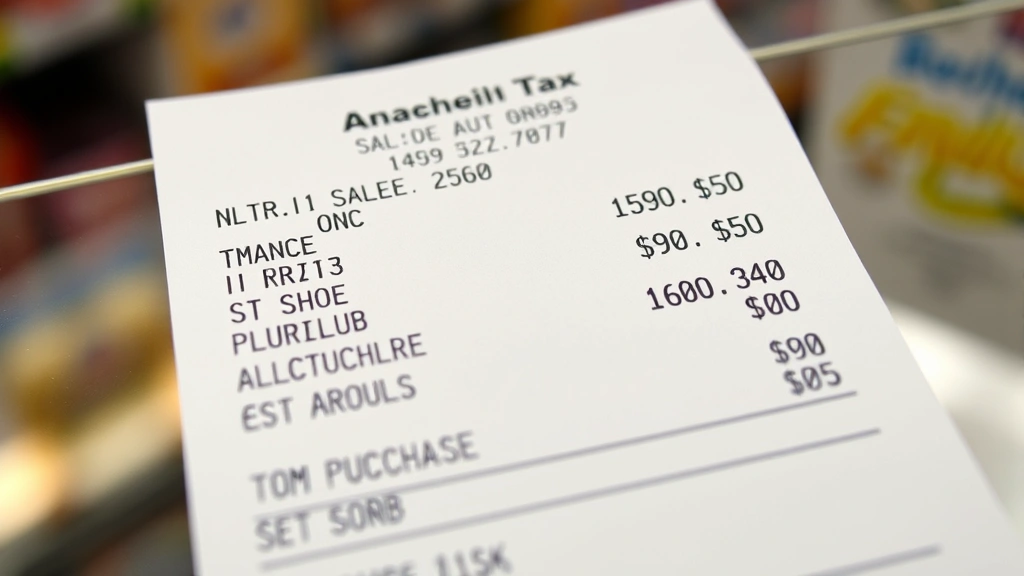
The breakdown typically looks like this: California state contributes 7.25%, and the local portion (Orange County and city of Anaheim) adds up to 1%. This local portion funds county services, city infrastructure, and public programs. When you pay sales tax in Anaheim, you’re contributing to local schools, roads, and emergency services.
Understanding this breakdown matters if you’re comparing Anaheim to other California cities. For instance, sales tax in Pasadena differs because Pasadena is in Los Angeles County, which has different local tax rates. This is why savvy shoppers sometimes notice price differences between nearby cities.
What’s Actually Taxed
Not everything you buy is subject to sales tax in Anaheim. Understanding what is and isn’t taxed can save you money and help you stay compliant if you’re a business owner. Generally, tangible personal property—things you can touch—is taxable. That includes clothing, electronics, furniture, and most retail goods.
However, groceries (unprepared food) are exempt from sales tax in California. So your bag of apples, bread, and milk won’t be taxed. But prepared food—like a sandwich from a deli counter or a hot rotisserie chicken—is taxable. Restaurant meals are definitely taxed. This distinction confuses people constantly, especially when they’re shopping at places like Costco or Whole Foods where items can be both taxable and non-taxable.
Services are generally not subject to sales tax in California, with some exceptions. A haircut? Not taxed. A plumber’s labor? Not taxed. But if you’re buying a tangible good as part of that service (like a haircut product or plumbing supplies), that good portion may be taxed. Digital products and software subscriptions have their own complicated rules that have evolved over time.
Business Tax Obligations
If you’re running a business in Anaheim, you have specific obligations around sales tax collection and remittance. First, you need a seller’s permit from the California Department of Tax and Fee Administration. This permit allows you to legally collect sales tax from customers and remit it to the state.

Your obligation is to collect the correct amount of sales tax from customers, then file returns and remit that money to California on a regular schedule. Most businesses file and pay monthly, though some larger businesses may have different schedules. The CDTFA website has detailed information about filing requirements, but the basic rule is: collect it, track it, report it, and send it in on time.
Failing to collect or remit sales tax properly can result in penalties, interest, and audits. The state takes this seriously because sales tax is a major revenue source. If you’re operating without a seller’s permit or underreporting sales, you’re creating a liability that will catch up with you. Many business owners discover this the hard way when they get audited.
Tax Exemptions & Savings
Several categories of purchases and customers are exempt from sales tax in Anaheim. Understanding these exemptions can legitimately save you money if you qualify. Nonprofit organizations, government entities, and certain other organizations can make tax-exempt purchases if they have proper documentation.
Resellers—people who buy goods to resell them—don’t pay sales tax on their purchases if they have a valid reseller certificate. This prevents double taxation. If you’re a retailer buying inventory, you shouldn’t pay sales tax on that inventory. Instead, you collect tax from your customers when you sell those goods.
Some specific items and services are exempt for policy reasons. Manufacturing equipment used in production, certain agricultural items, and specific medical devices may be exempt. If your business relies on potentially exempt items, it’s worth consulting with a tax professional or the CDTFA directly to confirm your status. Getting this wrong can be expensive.
Filing Deadlines & Requirements
California businesses must file sales tax returns on a regular schedule. Most businesses file monthly, with returns due by the 20th of the following month. Some larger businesses may file quarterly or annually, depending on their sales volume. The CDTFA will notify you of your specific filing frequency when you get your seller’s permit.
Missing a deadline comes with penalties. Even if you don’t have any sales in a month, you typically still need to file a return showing zero sales. This keeps you in compliance and prevents the CDTFA from assuming you’re not reporting properly. Many small business owners underestimate the importance of consistent, timely filing.
You’ll need to keep detailed records of all sales and tax collected. This means maintaining receipts, invoices, and transaction records. If you’re audited, these records are your proof that you collected and remitted the correct amount. Digital record-keeping systems make this much easier than it used to be, and honestly, they’re worth the investment for any business.
Comparing California Cities
Anaheim’s 8.25% rate is fairly typical for Orange County, but California cities vary. Los Angeles, for example, has different rates depending on the specific location within the city. Pasadena’s sales tax rate differs from Anaheim’s because it’s in a different county with different local taxes.
This variation happens because cities and counties can add local sales taxes on top of the state rate. Some areas have added taxes for specific purposes—transportation improvements, school funding, or public safety. When you’re comparing the cost of living between California cities, sales tax differences do add up over time.
If you’re a business operating in multiple California cities, you need to charge the correct rate in each location. This is where point-of-sale systems become essential. They help you track which rate applies to each transaction based on the customer’s location. Getting the rate wrong consistently can create a compliance nightmare.
Common Mistakes to Avoid
One major mistake business owners make is assuming all similar items are taxed the same way. Clothing is generally taxable, but some clothing items have special rules. Food is generally not taxed, but prepared food is. These nuances trip up even experienced business owners.

Another common error is not updating your tax rate knowledge. Tax rates change, local ordinances evolve, and what was exempt five years ago might not be exempt today. Staying current with California tax law is an ongoing obligation, not a one-time learning experience.
Personal use of business inventory is another area where mistakes happen. If you take products from your inventory for personal use without paying sales tax, that’s technically a taxable transaction. The CDTFA can assess tax on that use. Similarly, giving away products can have tax implications depending on the circumstances.
Finally, mixing personal and business finances makes sales tax tracking nearly impossible. Separate bank accounts, clear invoicing systems, and organized record-keeping aren’t just good accounting practice—they’re essential for staying compliant with sales tax obligations.
Frequently Asked Questions
What is the exact sales tax rate in Anaheim right now?
The current sales tax rate in Anaheim is 8.25%. This is the combined rate of California’s state sales tax (7.25%) plus local Orange County and Anaheim taxes (1%). This rate applies to taxable purchases made in Anaheim.
Do I need to pay sales tax on online purchases from Anaheim?
Yes, if you’re buying from a retailer with sales tax nexus in California, they should charge you California sales tax, including the Anaheim rate if you’re having it shipped to an Anaheim address. Remote sellers must collect sales tax on orders to California addresses. Some smaller sellers may not yet be compliant, but the obligation exists.
Are groceries taxed in Anaheim?
Unprepared groceries like raw fruits, vegetables, bread, and dairy are not taxed in Anaheim or anywhere in California. However, prepared foods, hot foods, and items from deli counters are taxable. This distinction is important when shopping and when filing taxes if you own a food business.

How often do I file sales tax returns in Anaheim?
Most businesses file monthly, with returns due by the 20th of the following month. Some larger businesses may file quarterly or annually. Your specific filing frequency is determined by the California Department of Tax and Fee Administration based on your sales volume and business type.
Can I get a refund if I paid sales tax by mistake?
If you paid sales tax on an exempt item, you may be able to get a refund from the retailer. For businesses, if you paid sales tax on inventory when you should have used a reseller certificate, you can file a claim with the CDTFA. The process requires documentation and typically has time limits, so act quickly if you think you’ve overpaid.
What’s the difference between Anaheim’s rate and other California cities?
Anaheim’s 8.25% rate is based on Orange County’s local taxes plus California’s state rate. Other cities in different counties may have higher or lower rates. For example, Pasadena’s sales tax is different because Pasadena is in Los Angeles County. Rates can vary by as much as 1-2% depending on the city and county.
Do I need a seller’s permit to sell in Anaheim?
Yes, if you’re selling tangible personal property or taxable services in Anaheim, you need a seller’s permit from the California Department of Tax and Fee Administration. Operating without one is illegal and can result in significant penalties and back taxes owed.
Bottom Line on Sales Tax Anaheim
Understanding sales tax Anaheim doesn’t have to be complicated. The rate is 8.25%, it applies to most tangible goods and some services, and if you’re a business owner, you have clear obligations to collect, track, and remit it properly. For consumers, knowing what’s taxed and what isn’t can help you budget more accurately and avoid surprises at checkout.
If you’re running a business in Anaheim, treat sales tax compliance seriously. Get your seller’s permit, understand your filing obligations, keep meticulous records, and stay updated on any rate changes. If you’re unsure about specific items or situations, the California Department of Tax and Fee Administration and local tax professionals can provide guidance.
The key takeaway? Sales tax isn’t just an afterthought—it’s a real obligation for businesses and a real cost for consumers. Being informed puts you in control of your finances, whether you’re shopping, running a business, or planning your budget.


