

Understanding sales tax in Santa Clara County is essential whether you’re a resident, business owner, or frequent shopper in this Bay Area hub. With a combined state and local sales tax rate that affects everything from groceries to vehicles, knowing the rules can save you money and keep you compliant. Let me break down what you need to know.
Table of Contents
Current Tax Rates 2024
As of 2024, the combined sales tax rate in Santa Clara County sits at 9.375%. This is higher than California’s state base rate of 7.25%, meaning Santa Clara County residents and businesses pay additional local taxes. The rate breaks down as follows: the California state rate (7.25%), Santa Clara County local tax (1.0625%), and various district taxes that bring the total to 9.375%.
This rate applies to most retail purchases within unincorporated Santa Clara County. However, individual cities within the county—like San Jose, Sunnyvale, and Cupertino—may have slightly different rates due to their own local ordinances. Always verify the specific rate for your city, as it can vary by 0.125% or more.
State and Local Tax Breakdown
California’s sales tax structure is layered, which confuses many people. Here’s how it works: the state collects 7.25%, but counties and cities add their own portions. In Santa Clara County, you’re looking at approximately 2.125% in local taxes on top of the state rate.
These local taxes fund specific services—some go to transit (like VTA), others to county services, and some to city-specific projects. When you buy something, you’re essentially funding multiple government entities. This is why sales tax in Huntington Beach differs from Santa Clara County; different jurisdictions have different needs and funding mechanisms.
The breakdown matters because if you’re a business owner, you need to collect the correct rate for each location. Collecting too little means you’re liable for the difference. Collecting too much creates refund obligations.
What’s Actually Taxed
Not everything you buy is subject to sales tax in Santa Clara County. Understanding what is and isn’t taxed helps you budget accurately and avoid surprises at checkout.
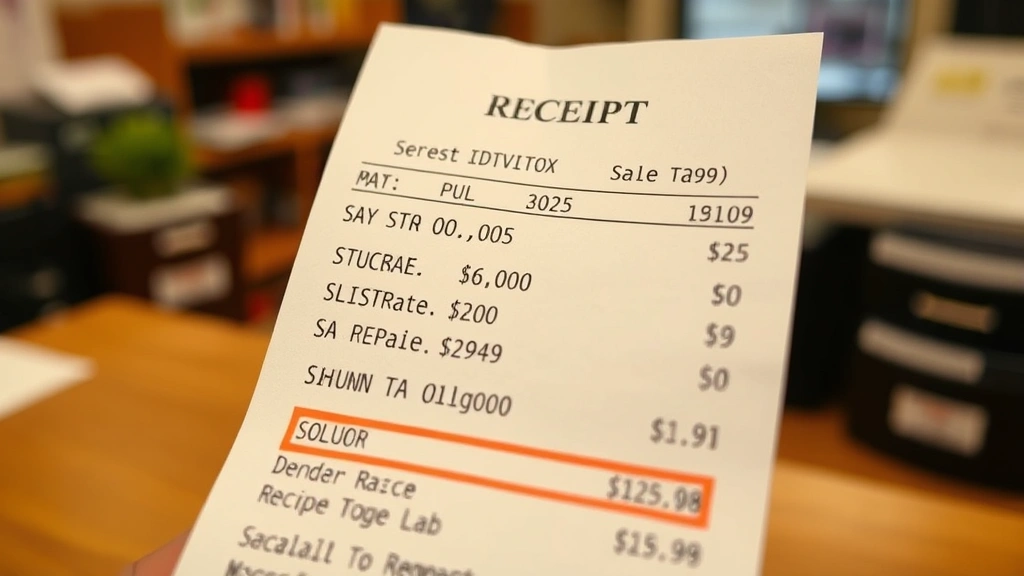
Taxable items include:
- Clothing and accessories
- Electronics and gadgets
- Furniture and home goods
- Most groceries (with exceptions)
- Prepared food and restaurant meals
- Gasoline and fuel
- Vehicles and vehicle parts
Generally not taxed:
- Prescription medications
- Most unprepared groceries (raw foods)
- Medical devices (with documentation)
- Some services (haircuts, repairs, labor)
The grocery exemption is nuanced. Raw, unprepared foods like vegetables, meat, and dairy are exempt, but prepared foods—including deli items, baked goods, and anything heated for consumption—are taxed. This distinction catches many people off guard when they buy a rotisserie chicken versus raw chicken breasts.
Common Exemptions Explained
California law provides several exemptions that reduce your sales tax burden. The most important one for residents is the grocery exemption. If you’re buying food for home preparation, you typically won’t pay sales tax. This applies to fruits, vegetables, meat, dairy, bread, and similar staples.
Prescription medications are exempt statewide, but over-the-counter drugs are taxable. This distinction is crucial if you’re managing a household budget. A bottle of prescription insulin isn’t taxed, but aspirin and vitamins are.
Businesses have additional exemptions. If you’re purchasing items for resale, you can use a resale certificate to avoid paying sales tax at wholesale. Manufacturing equipment may qualify for exemptions under specific conditions. Medical equipment used by healthcare providers can be exempt if properly documented.

Disability-related items sometimes qualify for exemptions too. Wheelchairs, hearing aids, and similar devices may be exempt depending on the specific product and how it’s used. You’ll need documentation from a healthcare provider to claim these exemptions.
Vehicle Sales Tax Rules
Buying a car in Santa Clara County involves sales tax considerations that differ from other purchases. The tax applies to the purchase price of the vehicle, and you’ll pay it when you register the vehicle with the DMV, not at the dealership.
The rate is the same 9.375% combined rate, but it’s calculated on the full purchase price. If you buy a $30,000 vehicle, you’re looking at approximately $2,812.50 in sales tax. This is a significant amount, which is why understanding how vehicle sales tax works across states matters if you’re relocating or buying out of state.
Trade-ins provide a tax break. If you trade in your old vehicle, you only pay sales tax on the difference between the new car’s price and the trade-in value. This can save you hundreds of dollars. For example, if you’re buying a $30,000 car and trading in a $10,000 vehicle, you pay tax on $20,000, not $30,000.
Electric vehicles (EVs) in California get special treatment. While they’re not exempt from sales tax, some EV purchases may qualify for federal tax credits that reduce your overall tax burden. Additionally, some local programs offer rebates that further offset costs. Check with local Santa Clara County resources for current EV incentive programs.
Business Obligations
If you operate a business in Santa Clara County, sales tax becomes a regular operational responsibility. You must register for a seller’s permit with the California Department of Tax and Fee Administration (CDTFA) before collecting sales tax.
Once registered, you’re required to collect the appropriate sales tax rate from customers. You must keep detailed records of all sales, exemptions claimed, and tax collected. These records are crucial during audits. The CDTFA takes sales tax collection seriously, and businesses that fail to collect or remit properly face penalties and interest.
Filing frequency depends on your sales volume. Most businesses file monthly, but high-volume sellers may file more frequently. You’ll need to report total sales, taxable sales, tax collected, and any adjustments. The CDTFA provides forms and online filing options to make this easier.
Nexus rules matter too. If you sell online and have customers in Santa Clara County, you likely have sales tax obligations even if you don’t have a physical location there. This is especially true for marketplace sellers on platforms like Amazon or eBay. Understanding your nexus obligations prevents costly compliance issues.
Filing and Compliance
Staying compliant with sales tax requirements in Santa Clara County involves understanding filing deadlines and procedures. Monthly filers typically submit returns by the 25th of the following month. Quarterly and annual filers have different deadlines, so confirm your filing frequency when you register.
You’ll file through the CDTFA’s online system using your seller’s permit number. The process requires reporting gross sales, deductions (like exemptions), and calculating tax owed. If you’ve collected more than you owe, you can request a refund or credit it toward future payments.
Keeping meticulous records is non-negotiable. Document every transaction, exemption certificate, and tax payment. If you’re audited—and businesses are regularly audited—these records are your defense. Missing documentation can result in the CDTFA assessing taxes based on estimates, which often results in higher bills than if you’d simply paid what you owed.

Penalties for non-compliance range from 10% to 25% of the unpaid tax, plus interest calculated from the original due date. A small bookkeeping mistake can become expensive quickly. Many business owners use accounting software or hire professionals to handle sales tax compliance, which is often cheaper than the cost of fixing errors.
Where to Get Help
The California Department of Tax and Fee Administration (CDTFA) is your primary resource. Their website provides forms, publications, and a customer service line. They also offer webinars and training sessions for new sellers.
For Santa Clara County-specific information, contact the county tax collector’s office, which handles property tax but can direct you to sales tax resources. Individual city tax departments also provide guidance for their specific rates and local ordinances.
Professional help is available through CPAs, enrolled agents, and tax professionals who specialize in California sales tax. If you’re running a business, especially one with multiple locations or complex transactions, professional guidance often pays for itself through proper compliance and optimization.
Online resources like the CDTFA’s FAQ section, California’s official government website, and reputable tax sites provide free information. Visit CDTFA.ca.gov for official publications and forms. For broader context on California taxes, the Franchise Tax Board website covers income tax matters that often intersect with sales tax for business owners.
Frequently Asked Questions
What’s the exact sales tax rate in my Santa Clara County city?
The combined rate is 9.375% in unincorporated Santa Clara County, but individual cities vary slightly. San Jose is 9.375%, Sunnyvale is 9.375%, and Cupertino is 9.375%, but some smaller cities may differ. Check the CDTFA website or your city’s tax department for your specific location. Even a 0.125% difference matters on large purchases.

Do I pay sales tax on online purchases from Santa Clara County sellers?
Yes. If the seller has nexus in California (including Santa Clara County), they must collect sales tax on orders shipped to any California address, including Santa Clara County. This applies even if the seller doesn’t have a physical store there. Most major online retailers already collect this tax automatically.
Can I get a sales tax refund if I overpaid?
If you’re a consumer who overpaid sales tax on a single purchase, you’d need to contact the retailer for a refund or correction. If you’re a business that collected excess tax, you can request a refund or credit when filing your return. Keep receipts and documentation to support any refund claim.
Are services like haircuts and car repairs taxed?
Most personal services in California are not subject to sales tax. Haircuts, massages, and labor-only repairs typically aren’t taxed. However, if you’re buying products (like hair products or replacement parts) along with the service, those items are taxed. The distinction between labor and materials matters.
How do I handle sales tax if I have locations in multiple counties?
Each location must collect the sales tax rate for that specific county and city. If you have a store in Santa Clara County and another in Monterey County, you’re collecting different rates at each location. Your accounting system needs to track sales by location to file correctly. This is why multi-location businesses often use specialized software or hire professionals.
What happens if I don’t collect sales tax as a business?
The CDTFA can assess back taxes, penalties of 10-25%, and interest dating back to when the tax should have been collected. For example, if you didn’t collect sales tax for a year on $100,000 in sales, you could owe $9,375 in tax plus penalties and interest—potentially $12,000 or more. It’s far better to register and comply from the start.


