

Understanding St Clair property tax doesn’t have to feel like decoding a foreign language. Whether you’re a longtime homeowner or just bought your first property in St Clair County, your property tax bill is likely one of your biggest annual expenses. The good news? There are legitimate ways to reduce what you owe, and we’re going to walk you through them like a friend who actually understands the system.
Table of Contents
- How St Clair Property Tax Is Calculated
- The Assessment Process Explained
- Homestead Exemptions Available
- Challenging Your Assessment
- Current Tax Rates Breakdown
- Payment Options & Deadlines
- Senior & Veteran Benefits
- How St Clair Compares
- Proven Strategies to Lower Taxes
- Frequently Asked Questions
- Final Thoughts
How St Clair Property Tax Is Calculated
Your St Clair property tax bill isn’t just some random number pulled from thin air. It’s calculated using a straightforward formula that combines your home’s assessed value with the local tax rate. Here’s the reality: your property tax = assessed value × tax rate (expressed as a millage rate).
The assessed value is determined by the St Clair County Assessor’s office, which estimates what your property would sell for on the open market. This isn’t the price you paid—it’s what assessors believe it’s worth today. Most counties reassess properties every 1-3 years, which means your tax bill can fluctuate based on market conditions.
The millage rate is set by local government bodies (county commission, school board, municipalities) and represents the tax per $1,000 of assessed value. If your home is assessed at $250,000 and the millage rate is 15 mills, you’d owe $3,750 annually in property taxes before any exemptions or credits apply.
The Assessment Process Explained
Understanding how assessors evaluate your property is crucial because assessment errors are one of the biggest reasons people overpay. The St Clair County Assessor’s office uses several methods to determine property values:
Sales Comparison Approach: Assessors look at recent sales of comparable properties in your area. If similar homes sold for $300,000, your home gets valued similarly (adjusted for differences like condition, lot size, or updates).
Cost Approach: They calculate what it would cost to rebuild your home from scratch, then subtract depreciation. This method works well for newer construction.
Income Approach: For rental properties or commercial real estate, assessors estimate value based on potential rental income.
The assessment process typically happens once every few years, but you have the right to request a review if you believe the assessment is inaccurate. Many people don’t realize they can challenge their assessment—and that’s money left on the table.

Homestead Exemptions Available
If you own your primary residence in St Clair County, you may qualify for a homestead exemption. This is one of the easiest ways to reduce your property tax burden because it lowers your assessed value rather than just offering a discount.
A homestead exemption typically reduces your assessed value by a fixed amount or percentage. Some states offer exemptions ranging from $25,000 to $50,000 off your assessed value, which translates to real savings year after year. For example, a $40,000 exemption at a 15-mill rate saves you $600 annually—$6,000 over a decade.
To claim a homestead exemption, you’ll need to file an application with the St Clair County Assessor’s office. You’ll typically need proof of ownership (deed), proof of residency, and identification. The application process is usually straightforward and free. Don’t assume you’re automatically eligible—you must apply. Many homeowners miss out simply because they didn’t know to file the paperwork.
Keep in mind that homestead exemptions are usually only available if the property is your primary residence. If you own investment property or a vacation home in St Clair County, you won’t qualify.
Challenging Your Assessment
Here’s where most people give up too easily: challenging an assessment seems intimidating, but it’s actually one of your strongest tools for reducing property taxes. If you believe your assessed value is too high, you have the right to protest it.
Start by reviewing your assessment notice carefully. Look for obvious errors like incorrect square footage, wrong number of bedrooms/bathrooms, or misclassified property type. These mistakes happen more often than you’d think. Request a copy of the assessment record from the St Clair County Assessor’s office and compare it to your actual property specifications.
Next, gather evidence to support your case. This might include:
- Recent appraisals from a licensed appraiser
- Photos documenting property condition or needed repairs
- Comparable sales data for similar homes in your area (available through public records)
- Documentation of structural issues or deferred maintenance
- Market analysis showing declining property values in your neighborhood
Most counties have a formal protest process with specific deadlines—usually 30-45 days after you receive your assessment notice. Missing the deadline means you lose your right to challenge that year’s assessment. Contact the St Clair County Assessor’s office to learn your local deadline and procedure.
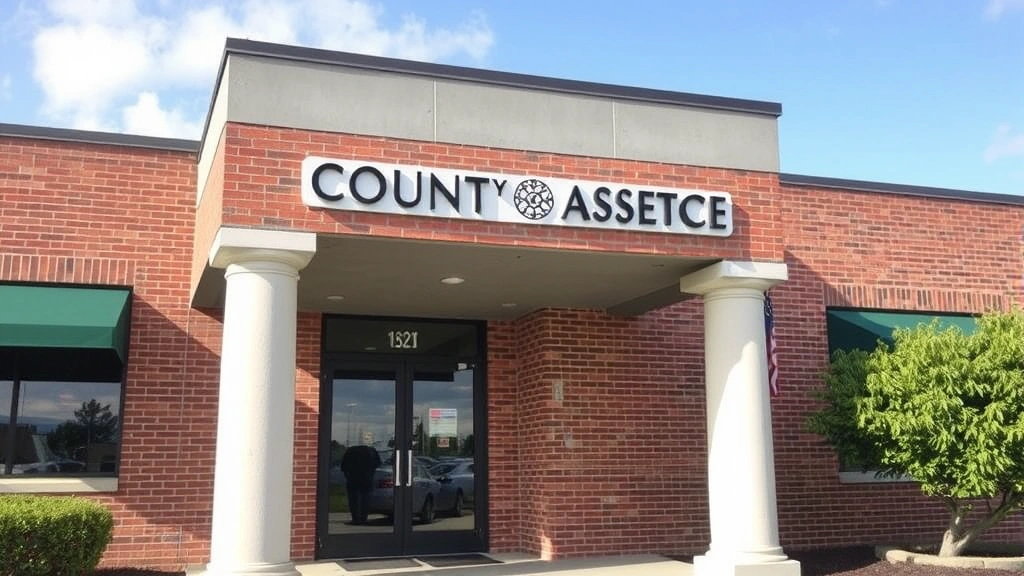
You can often present your case informally to an assessor first. Many assessments are adjusted without needing to go before a formal board. If the assessor won’t budge, you can appeal to the county’s board of review or assessment appeals board. Some people hire a property tax consultant or attorney for this step, which costs money but can result in significant savings if your assessment is substantially reduced.
Current Tax Rates Breakdown
St Clair County property tax rates vary depending on your specific location within the county. Your bill includes taxes for multiple entities: the county government, school district, municipality (if applicable), and special districts like fire protection or library services.
The total millage rate in St Clair County typically ranges from 12-18 mills, though this varies by jurisdiction. To find your exact rate, check your property tax bill or contact the St Clair County Assessor’s office. Your bill should itemize how much goes to each entity.
Understanding this breakdown matters because it shows you where your money goes. If you’re concerned about rising school taxes, you might attend school board meetings to voice your concerns. If county services are the issue, that’s a conversation for county commission meetings. Being an informed taxpayer gives you a voice in the process.
Payment Options & Deadlines
St Clair County property taxes are typically due in two installments: one in summer and one in winter. Missing payment deadlines results in penalties and interest, which compound quickly. A missed payment that incurs 10% penalty plus 12% annual interest suddenly becomes much more expensive than the original bill.
Most counties offer multiple payment methods: mail-in check, online payment through the county website, automatic bank draft, or in-person payment at the assessor’s office. Online payment is usually the most convenient and gives you a confirmation receipt immediately.
If you’re struggling to pay your property taxes, contact the St Clair County Tax Assessor’s office immediately. Some counties offer payment plans or hardship deferrals for seniors and low-income homeowners. Waiting until after the deadline passes severely limits your options.
Senior & Veteran Benefits
If you’re a senior citizen or military veteran, St Clair County may offer additional property tax relief beyond the standard homestead exemption. These programs recognize the financial constraints many seniors face on fixed incomes and honor veterans’ service.

Senior Tax Relief: Many counties offer additional exemptions or deferrals for homeowners age 65 or older. Some states freeze assessed values for seniors, meaning your tax bill won’t increase even if your home’s market value rises. Others offer percentage-based exemptions (like 10-20% off assessed value). Income limits may apply.
Veteran Benefits: Disabled veterans may qualify for substantial exemptions—sometimes $50,000 or more off assessed value depending on disability rating. Non-disabled veterans sometimes receive smaller exemptions. You’ll need to provide documentation of your military service and disability rating (from the VA) to qualify.
These benefits don’t happen automatically. You must apply with the assessor’s office and provide proof of age or military service. If you qualify but haven’t applied, you might be able to claim back taxes for previous years—contact your assessor to learn about retroactive claims.
How St Clair Compares
Wondering if you’re paying more than neighbors in surrounding counties? St Clair’s effective property tax rate (total taxes paid as a percentage of home value) is useful for comparison. If St Clair’s effective rate is 1.2% and a neighboring county’s is 0.9%, that’s a significant difference on a $300,000 home ($3,600 vs. $2,700 annually).
For context, you might compare St Clair to Douglas County property taxes, Osceola County property tax, or Butler County property tax rates if you’re in neighboring areas. Understanding regional variations helps you understand whether your bill is typical or inflated.
That said, comparing rates alone doesn’t tell the whole story. A county with lower property taxes might have higher sales taxes, income taxes, or user fees. And services vary—some counties fund better schools, roads, or emergency services. The cheapest taxes aren’t always the best deal if you’re sacrificing services your family needs.
Proven Strategies to Lower Taxes
Beyond the basics, here are legitimate strategies that actually work:
1. Document Property Defects: If your home has deferred maintenance, structural issues, or needed repairs, document everything with photos and get contractor estimates. These reduce assessed value because they lower what a buyer would pay. Don’t fix problems just before assessment—let the assessor see them.

2. Appeal During Market Downturns: If your neighborhood’s property values have declined, that’s your strongest argument for a lower assessment. Pull recent sales data showing lower prices than your assessment assumes.
3. Hire a Property Tax Professional: For homes valued over $400,000, hiring a property tax consultant or attorney often pays for itself through reduced assessments. They know local assessment patterns and can spot errors you’d miss.
4. Split Parcel if Applicable: If you own multiple parcels, sometimes splitting them results in lower overall assessments due to how assessors value land versus improvements.
5. Explore Agricultural Exemptions: If you have significant acreage used for farming or forestry, you might qualify for agricultural exemptions that dramatically lower taxes on that land.
6. Investigate Special Districts: Some special district taxes are optional or can be removed. Research whether you’re paying for services you don’t use or want.
For more information on challenging assessments in your state, see our guide on property tax protest procedures and property tax lookup tools. You might also review real estate taxes in similar counties for comparison.
Frequently Asked Questions
What’s the deadline to appeal my St Clair property tax assessment?
Most counties have a 30-45 day window after you receive your assessment notice. Check your notice for the specific deadline, as missing it means you forfeit your right to appeal that year. Contact the St Clair County Assessor’s office if you’re unsure of your deadline.
Can I get a property tax exemption for my rental property?
Generally, no. Homestead exemptions are for primary residences only. Rental properties are assessed at full value. However, you can still challenge the assessment if you believe it’s too high, and you can deduct property taxes as a business expense on your income taxes.
How often does St Clair County reassess properties?
Most counties reassess every 1-3 years, though some do annual assessments. Check with the assessor’s office for St Clair’s specific cycle. Even if you’re not officially reassessed, your tax bill can change if millage rates increase.
What happens if I don’t pay my property taxes on time?
You’ll incur penalties (typically 10%) and interest (usually 12% annually). Eventually, if taxes go unpaid long enough, the county can foreclose on your home and sell it to recover the debt. Don’t ignore property tax bills—contact the assessor immediately if you’re struggling to pay.
Can I deduct property taxes on my federal income taxes?
Yes, but with limits. As of 2024, you can deduct up to $10,000 in combined state and local taxes (SALT), including property taxes, on your federal return if you itemize deductions. This limit applies regardless of how much you actually paid.
How do I apply for a senior property tax exemption?
Contact the St Clair County Assessor’s office and request an application for senior exemptions. You’ll typically need to prove your age (driver’s license, birth certificate) and that the property is your primary residence. Applications are usually free and can be submitted by mail or in person.
Final Thoughts
Your St Clair property tax bill doesn’t have to be a fixed expense you simply accept. By understanding how assessments work, knowing what exemptions you qualify for, and being willing to challenge inflated assessments, you can reduce what you owe—sometimes significantly.
Start by reviewing your assessment notice for obvious errors. If you qualify for homestead exemptions or senior/veteran benefits, apply immediately. If your assessment seems high compared to recent sales in your area, gather evidence and file an appeal. These steps take a few hours but can save you hundreds or thousands of dollars annually.
Remember: the assessor’s job is to estimate your property’s value, not to give you a break. It’s your job to make sure that estimate is accurate. Being proactive about your property taxes is one of the smartest financial moves you can make as a homeowner.


