

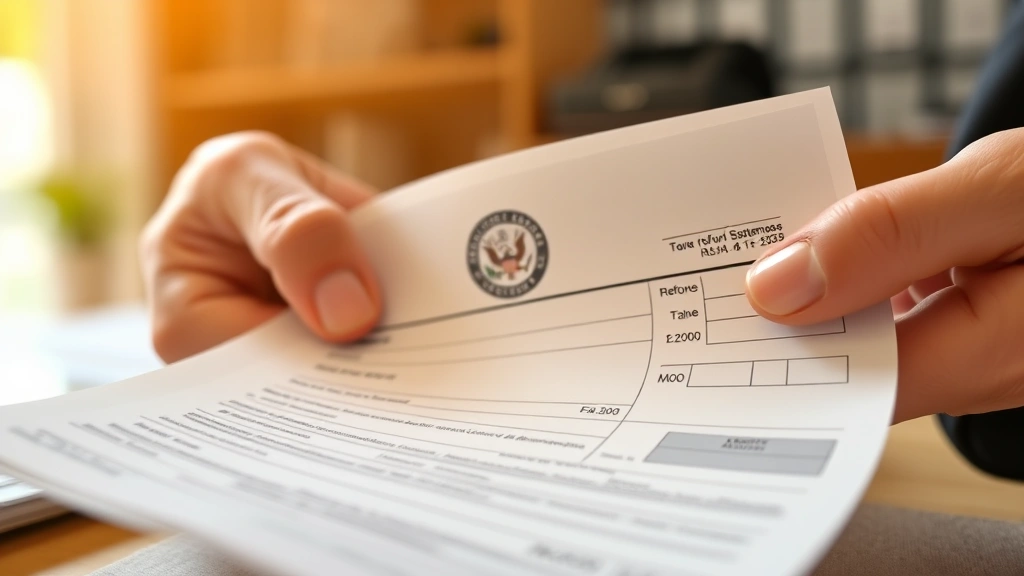
A state and local tax refund summary is your official record of how much money you’re getting back from your state and local governments after filing taxes. Whether you overpaid throughout the year or claimed credits you qualified for, understanding your refund summary is critical to managing your finances effectively and knowing exactly when that money hits your account.
Table of Contents
What Is a State and Local Tax Refund?
Your state and local tax refund summary documents the total amount your state and local government owes you after processing your tax return. This refund represents either overpaid taxes withheld from your paychecks or earned tax credits that reduce what you owe. Unlike federal refunds, which are handled by the IRS, state refunds vary significantly depending on where you live and work.
Each state has its own tax authority—whether that’s a Department of Revenue, Tax Commission, or similar agency. Your refund summary from that agency shows the exact breakdown of your refund, including withholding amounts, credits applied, and any adjustments made during processing.
Why You Get State Tax Refunds
You receive a state tax refund for the same reason you might get a federal refund: you paid more in taxes than you actually owed. This happens through two main mechanisms.
Withholding overpayment occurs when your employer withholds too much from your paycheck based on your W-4 form. If you claimed too few allowances or didn’t update your withholding after a major life change, you’re essentially giving the government an interest-free loan all year.
Tax credits are the second driver of refunds. State-level credits—like the Earned Income Tax Credit (EITC), child tax credits, or education credits—directly reduce your tax liability. If your credits exceed what you owe, many states issue you a refund for the difference.
Some states also offer refunds for specific situations: property tax relief, sales tax paid on major purchases, or credits for taxes paid to other states. Understanding which credits apply to you is key to maximizing your refund.
Checking Your Refund Status Online
Most states now offer online refund tracking tools similar to the IRS’s system. Here’s how to find yours:
- Visit your state’s Department of Revenue or Tax Commission website
- Look for “Check Refund Status” or “Where’s My Refund?” tools
- Enter your Social Security Number, filing status, and refund amount
- The system will show estimated processing dates and payment method
If you filed electronically, you’ll typically see status updates within 24-48 hours. Paper returns take longer—usually 4-6 weeks before the system recognizes them.
For specific state examples, California’s income tax refund status can be tracked through the Franchise Tax Board portal, while Rhode Island state tax refund tracking is handled through their Division of Taxation website.
State-Specific Refund Processes
Each state handles refunds differently, and timing varies wildly. Some states process refunds in 2-3 weeks; others take 8-12 weeks or longer. Your state’s tax code, staffing levels, and filing volume all affect speed.
States without income tax (like Florida, Texas, and Wyoming) obviously don’t issue income tax refunds, but they may have sales tax refunds or other state-specific credits. States with complex tax codes like California and New York often have longer processing times because their systems handle more variables.
If you have income from multiple states—say you worked in Ohio and live in another state—you might need to file in both places. Ohio RITA tax refunds follow Ohio’s timeline, even if you also filed federally. Multi-state filers should track each state’s refund separately.
For those with income from specific states, Virginia state sales tax rate information and sales tax in Connecticut details matter if you’re claiming sales tax deductions or credits in those states.
Refund Timeline and Processing
The typical state refund timeline breaks down like this:

E-filed returns: Most states begin processing within 24-48 hours of acceptance. If your return is accepted without errors, you’ll see a refund status update within 1-2 weeks. The actual payment usually arrives 3-5 weeks after filing.
Paper returns: These take 4-6 weeks just to be scanned and entered into the system. Processing then adds another 2-4 weeks. Total time: 6-10 weeks from mailing.
Returns with issues: If the state finds a discrepancy—mismatched income, missing documentation, or conflicting information—processing stops. The state will mail you a notice explaining what’s needed. This can add 2-8 weeks to your timeline.
If you used a tax service like Republic Bank tax refund status tracking (common for those who get refund advances), your timeline might differ slightly depending on the bank’s processing.
Direct Deposit vs. Check Payment
How you receive your refund dramatically affects timing. Direct deposit is always faster—typically 3-5 business days once the state releases the funds. You’ll need to provide your bank account and routing number on your return.
Check payments take longer. After the state processes your return, they print and mail the check, which adds 5-10 business days depending on your location and mail delivery speed. If you move before receiving a mailed check, you may need to contact the state to update your address.
Some people worry about security with direct deposit, but state tax authorities use the same encryption and verification that banks use. Your refund is protected by federal law either way.

If you’re expecting a large refund, direct deposit gives you faster access to your money. If you’re concerned about the account you provided, you can update it on most state websites even after filing.
Common Reasons for Refund Delays
Your state and local tax refund summary might show a delayed status for several reasons:
Income verification issues: The state cross-checks your reported income against W-2s and 1099s from employers and financial institutions. Mismatches trigger manual review, which adds 2-4 weeks.
Missing or incorrect documentation: If you claimed education credits, child care credits, or other benefits requiring supporting documents, missing paperwork stops processing. The state will send a notice requesting what’s needed.
Identity verification: States now require identity verification for many returns, especially those claiming certain credits. This might mean a phone call or uploading documents through a secure portal.
Offset for debts: If you owe back child support, student loans, or other government debts, your refund gets intercepted and applied to those obligations. The state will notify you separately.
System errors: Occasionally, state systems have glitches or backlogs. If your status hasn’t updated in 4+ weeks and you e-filed, contact the state’s tax office directly.

Maximizing Your State Tax Refunds
Rather than viewing a large refund as a win, think of it as an opportunity to adjust your withholding. A huge refund means you overpaid all year—money you could have used instead.
That said, some state credits are worth claiming even if they result in a refund. The Earned Income Tax Credit (EITC) is available in most states and can be worth thousands if you qualify. Many people don’t claim it because they don’t know about it.
Education credits, child tax credits, and dependent care credits also frequently generate refunds. Review your state’s tax agency website annually to see which credits you qualify for—eligibility changes as your income and family situation changes.
If you work in multiple states, coordinate your withholding carefully. You can’t avoid state taxes by living in one state and working in another; you’ll owe tax to the state where you work. Filing in both states and claiming a credit for taxes paid to the other state helps prevent double taxation.
Frequently Asked Questions
How long does it take to get a state tax refund?
E-filed returns typically result in refunds within 3-5 weeks. Paper returns take 6-10 weeks. Some states are faster or slower depending on staffing and filing volume. Check your state’s website for current processing times.
Can I track my state refund online?
Yes, virtually every state with an income tax offers online tracking. Visit your state’s Department of Revenue website and look for “Check Refund Status” or similar tools. You’ll need your Social Security Number and refund amount.
What if my state refund doesn’t arrive on time?
First, verify the status online. If it shows as processed and the expected arrival date has passed, contact your state’s tax office. Provide your filing date, refund amount, and payment method. They can investigate delays or resend lost checks.

Do I need to report my state refund on federal taxes?
If you itemized deductions in the prior year and deducted state and local taxes, you must report any refund you receive as income on your federal return. If you took the standard deduction, you don’t report it.
Can my state refund be garnished or offset?
Yes. If you owe back child support, student loans, or other government debts, your refund can be intercepted. The state will notify you separately if this happens. You can appeal the offset in some cases.
What’s the difference between state and local tax refunds?
State refunds come from your state income tax return. Local tax refunds come from city or county income taxes (not all states have these). Some cities like New York and Philadelphia have local income taxes. Both are tracked separately in your summary.
Should I get a refund advance?
Refund advances (sometimes called refund anticipation loans) let you get your money faster, but you pay fees and interest. It’s rarely worth it. Direct deposit to your bank account is free and only takes a few days longer.
Summary
Your state and local tax refund summary is more than just a number—it’s a detailed record of your tax situation at the state level. Understanding what it shows, why you’re getting a refund, and how long it takes helps you plan your finances better.
The key takeaway: check your refund status online regularly, adjust your withholding if you’re consistently getting large refunds, and claim every credit you qualify for. States offer valuable credits that many people miss simply because they don’t know about them.
If your refund is delayed, don’t panic immediately. Give it the full processing time before contacting the state. When you do reach out, have your filing information ready—filing date, refund amount, and Social Security Number. Most states have responsive customer service lines, especially during tax season.
For more specific information about your state’s process, visit your state’s Department of Revenue website directly. The IRS website at irs.gov also has links to every state tax authority. If you need personalized advice about maximizing your refund or understanding your state’s credits, consult a CPA or tax professional—the fee often pays for itself in credits you discover.


