

A Suffolk County tax map is your property owner’s best friend when it comes to understanding and potentially reducing what you owe in property taxes. Whether you’re in New York or Massachusetts, these maps show parcel boundaries, assessed values, and zoning information that directly impact your tax bill. Let’s walk through how to use them effectively and save real money.
Table of Contents
What Is a Tax Map?
A tax map is an official government document that displays real property parcels within a county or municipality. Think of it as a detailed blueprint showing where your land ends and your neighbor’s begins. These maps include parcel numbers, dimensions, acreage, and links to assessment records.
Suffolk County tax maps serve a critical function: they’re the foundation for property tax assessments. When your local assessor determines your home’s value, they’re working from these maps. If the map shows incorrect information—say, an extra half-acre you don’t actually own—your taxes could be inflated.
The maps are public records, meaning you have a legal right to access them. This transparency is your leverage point for challenging unfair assessments.
Finding Your Suffolk County Maps
Locating your Suffolk County tax map depends on which state you’re in. If you’re dealing with property tax issues in neighboring counties, the process is similar.
For Suffolk County, New York: Visit the County Assessor’s office website or the Department of Finance. Most counties now offer online GIS (Geographic Information System) viewers where you can search by address or parcel number. You’ll get instant access to your property’s map, dimensions, and assessed value.
For Suffolk County, Massachusetts: Contact your town’s assessor directly. Massachusetts towns maintain their own mapping systems, though many now have online portals.
Pro tip: Call ahead and ask if they have a digital viewer. If not, you can request copies in person or by mail. There’s usually a small fee ($5–$25), but it’s worth every penny if it helps you challenge an inflated assessment.
Reading Parcel Data Correctly
Once you have your tax map in hand, here’s what to look for:
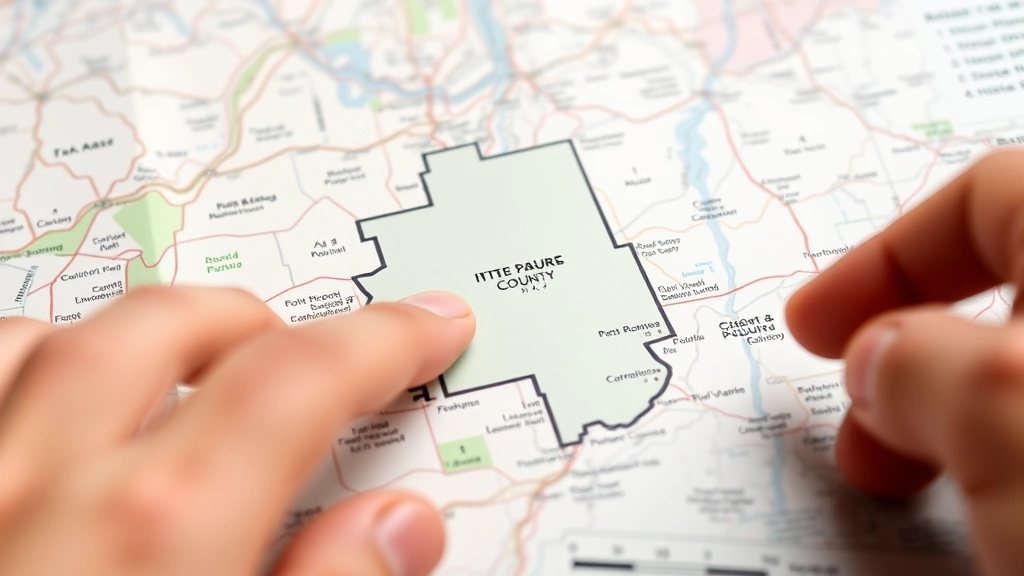
Parcel Number: This unique identifier connects your property to all assessment records. Write it down—you’ll need it for appeals and public record requests.
Lot Size: The map shows acreage or square footage. If your property is listed as 0.75 acres but you know it’s only 0.5 acres, that’s a red flag. Larger parcels get higher assessments.
Building Footprint: The map outlines where structures sit on the land. If your garage was demolished years ago but still appears on the map, the assessor might be factoring it into your value.
Easements and Rights-of-Way: These legal claims on your property (utility lines, access roads) can affect usable land and therefore value. Make sure they’re accurately reflected.
Zoning Designation: Listed right on the map, this tells you what the land can legally be used for. Residential, commercial, agricultural—it matters for valuation.
Understanding Assessment Values
The assessed value shown on your tax map is where most disputes start. This is the value the assessor believes your property is worth, and it’s multiplied by the tax rate to get your bill.
Here’s the reality nobody talks about: assessors are human, and they make mistakes. They might use outdated sales comparables, miss recent property improvements, or fail to account for physical defects like foundation issues or flooding risk.
Your tax map assessment should reflect your property’s true market value. If comparable homes in your area sold for $350,000 but yours is assessed at $420,000, you have grounds for an appeal. This is where having the tax map becomes invaluable—you can pull maps for similar properties and build a case.

Many property owners find that simply requesting a reassessment review, armed with your tax map data, results in lower assessments without needing a formal appeal.
Using Maps to Appeal Taxes
If your Suffolk County tax map reveals discrepancies, you have the right to file an assessment appeal. Here’s the process:
Step 1: Document the Error Use your tax map to identify what’s wrong. Is the square footage overstated? Are you being taxed for land you don’t own? Take photos and measurements if needed.
Step 2: Gather Comparable Data Pull tax maps for 3–5 similar properties in your area. Compare their assessed values, lot sizes, and building characteristics. This creates a compelling argument that your assessment is out of line.
Step 3: File Your Appeal Most counties have a Board of Assessment Review or Assessment Appeals Board. Deadlines vary—typically 30–45 days from when you receive your assessment notice. Missing the deadline means you lose your right to appeal for that year.
Step 4: Present Your Case Bring your documentation, photos, and comparable property data. Many boards allow informal presentations; you don’t need a lawyer, though having one can help if the stakes are high.
Successfully appealing your assessment could reduce your annual tax bill by hundreds or even thousands of dollars. That’s real money in your pocket every single year.
Zoning and Property Restrictions
Your Suffolk County tax map includes zoning information that affects not just taxes but your property’s future value and what you can do with it.
If your property is zoned residential, you can’t build a commercial structure without a variance. If it’s in a flood zone, your insurance costs skyrocket and lenders become hesitant. If there’s a conservation easement on the land, your development rights are permanently limited—which actually lowers your assessed value (a good thing for taxes).
Many property owners don’t realize their tax assessment should be lower because of zoning restrictions. If your map shows limitations that aren’t reflected in your assessed value, that’s another appeal opportunity.
Understanding these restrictions also helps if you’re considering buying property in Suffolk County. A cheap parcel might be cheap for a reason—check the map first.
Comparing Similar Properties
One of the most powerful uses of Suffolk County tax maps is building a comp analysis. Real estate professionals do this all the time; you can too.
Find 3–5 properties similar to yours in the same neighborhood. Pull their tax maps and compare:
- Lot size (yours should be similar)
- Building square footage (within 10% is good)
- Age and condition (if available on the map)
- Assessed values (this is the key comparison)
If your home is assessed at $400,000 but three nearly identical homes nearby are assessed at $350,000, you have a strong appeal case. Assessors are supposed to treat similar properties similarly. When they don’t, it’s often due to data errors or outdated information on your tax map.
This comparable property analysis is your strongest weapon in an appeal. Bring it to your Board of Assessment Review meeting, and watch how seriously they take your case.
Digital Tools and Resources
Technology has made accessing Suffolk County tax map information easier than ever. Here are the best resources:

County Assessor’s Website: Most Suffolk County assessors now offer online GIS viewers. You can search your address, view your map, and see your assessment instantly. No phone calls needed.
Third-Party Sites: Websites like Zillow, Redfin, and Tax Assessor offer aggregated property data including maps and assessments. These are free and surprisingly accurate, though always verify with official county records.
State Resources: Both New York and Massachusetts have state-level property tax resources. Check your state’s Department of Taxation website for additional tools and appeal information.
FOIA Requests: If you need detailed assessment methodology or comparables the assessor won’t provide voluntarily, file a Freedom of Information Act request. It takes longer but gets results.
The key is not to rely on a single source. Cross-reference your tax map data with multiple resources to build an airtight case if you decide to appeal.
Frequently Asked Questions
How often are Suffolk County tax maps updated?
Most counties update tax maps annually after reassessment cycles. However, changes like new construction or lot splits might not appear for 12–18 months. Always check when your map was last updated.
Can I request a tax map correction?
Yes. If your map contains factual errors—wrong lot size, missing structures, incorrect boundaries—contact your assessor’s office with documentation (survey, deed, photos). Corrections are usually free and can significantly lower your assessment.
What if my tax map shows a property line dispute?
Tax maps are based on recorded deeds, but they’re not legally binding for boundary disputes. If you believe your property line is wrong, you may need a professional survey. However, if the map error is causing your assessment to be inflated, you can still appeal based on that error.

Do I need a lawyer to appeal my assessment?
No. Most assessment appeals can be handled by homeowners presenting their own evidence. However, if the amount in dispute is large ($50,000+ in assessed value) or your case is complex, a property tax attorney or appraiser might be worth the investment.
How much can I save by appealing?
It depends on your assessment error and local tax rates. A successful appeal that lowers your assessed value by $50,000 could save $1,500–$2,500 per year in taxes, depending on your tax rate. Over a decade, that’s $15,000–$25,000 in your pocket.
Are tax maps public information?
Absolutely. Tax maps are public records. You have a legal right to access them, and most counties now provide free online access. If yours doesn’t, request copies in person or by mail.
Final Thoughts
Your Suffolk County tax map is more than just a bureaucratic document—it’s a tool that can directly reduce your property taxes. Whether you’re in New York or Massachusetts, taking time to review your map, understand your assessment, and compare your property to similar ones nearby is time well spent.
Most property owners never look at their tax maps, which means most overpayments go unchallenged. You’re already ahead by reading this. The next step is simple: pull your map, check it for errors, and if something looks wrong, file an appeal. The money you save is yours to keep.
If you’re dealing with property taxes in other counties, similar principles apply. Check out resources like Duval County Tax Collector information or York County property tax rates to see how your situation compares regionally. Understanding the broader property tax landscape helps you make smarter decisions about your own finances.


