

Understanding VB property tax doesn’t have to feel like deciphering ancient hieroglyphics. Whether you’re a homeowner in Virginia Beach or considering a move to this vibrant coastal city, property taxes are one of those unavoidable expenses that deserve your attention. The good news? There are concrete steps you can take to reduce your bill and keep more money in your pocket. Let me walk you through everything you need to know.
Table of Contents
How VB Calculates Property Tax
Virginia Beach determines your property tax by multiplying your home’s assessed value by the local tax rate. It sounds simple, but there’s more happening behind the scenes than most people realize. The city’s assessor evaluates thousands of properties annually using comparable sales data, property characteristics, and market conditions. Your tax bill = Assessed Value × Tax Rate. For VB property tax purposes, the assessed value isn’t necessarily what you paid for your home or what it’s worth today—it’s what the assessor determines based on their methodology.
The process happens whether you like it or not, which is why understanding it matters. Many homeowners pay more than they should simply because they don’t know how to engage with the system. Unlike Henrico property tax calculations which follow similar Virginia guidelines, Virginia Beach has its own assessment cycles and appeal windows.
Current Tax Rates & Percentages
As of my last update, Virginia Beach’s property tax rate hovers around $0.84 per $100 of assessed value for residential properties, though this can fluctuate based on city budget needs and state law changes. Commercial properties face different rates, typically higher. These rates might seem modest until you do the math on a $400,000 home—that’s roughly $3,360 annually before any exemptions or adjustments.
Rates change periodically, so checking the official Virginia Beach Assessor’s website annually is non-negotiable. Your property tax bill represents a significant portion of your housing costs, sometimes rivaling mortgage interest and homeowners insurance combined. For comparison, Tazewell County property tax operates under the same state framework but with different local rates.
Understanding the Assessment Process
Here’s where things get real: the assessor’s office conducts physical inspections and desk reviews to establish your property’s value. They’re looking at square footage, lot size, condition, improvements, and comparable properties that recently sold. They’re not trying to be unfair—they’re applying a systematic approach to thousands of properties. But systems aren’t perfect, and that’s exactly why you have recourse.
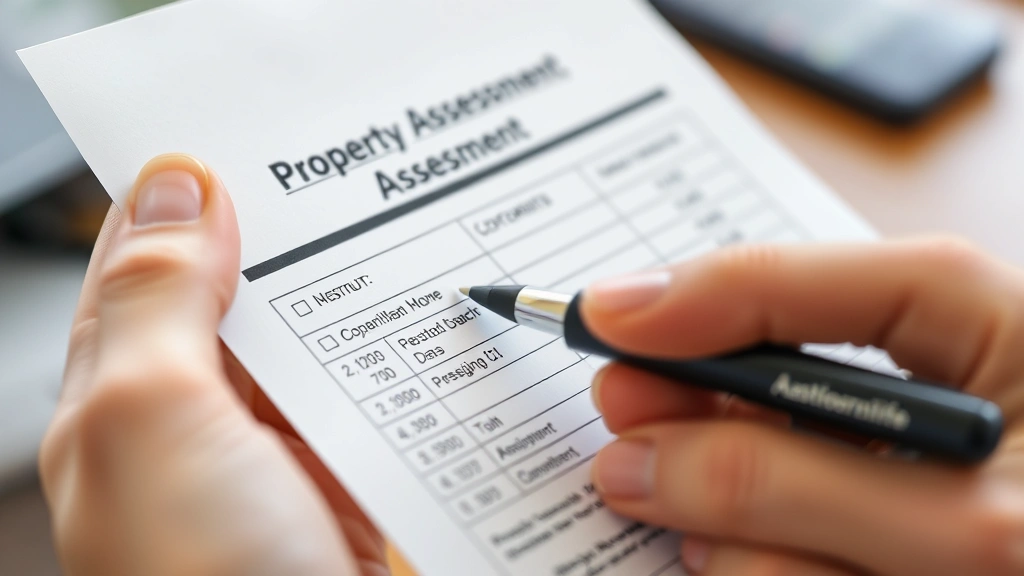
The assessment happens on a four-year cycle in Virginia Beach, meaning your property gets formally reassessed roughly every four years. In between, the assessor may adjust values based on appeals or market shifts. If your home was assessed during a market peak and values have since declined, you’re overpaying—and you should do something about it.
Exemptions You Might Qualify For
Virginia offers several property tax exemptions that can dramatically reduce your VB property tax bill. These aren’t automatic—you must apply and prove eligibility. Here are the main ones:
- Homestead Exemption: Reduces assessed value by up to $25,000 for primary residences owned by seniors (65+), disabled persons, or surviving spouses. This is huge if you qualify.
- Agricultural/Horticultural Use: If your property qualifies as a working farm or orchard, you may get significant relief.
- Historic Property: Homes designated as historically significant may qualify for exemptions.
- Solar/Renewable Energy: Installing solar panels can reduce your assessed value.
- Disabled Veterans: 100% exemption available for certain disabled veterans.
The NJ property tax relief for seniors program shows how other states structure similar benefits—Virginia’s approach is comparable but with state-specific rules.
How to Appeal Your Assessment
This is the most actionable step most homeowners never take. If you believe your assessment is too high, you can file a Petition for Reassessment. Virginia Beach has specific deadlines—typically within 30 days of receiving your assessment notice. Missing this window means waiting until the next reassessment cycle.
Your appeal should include:
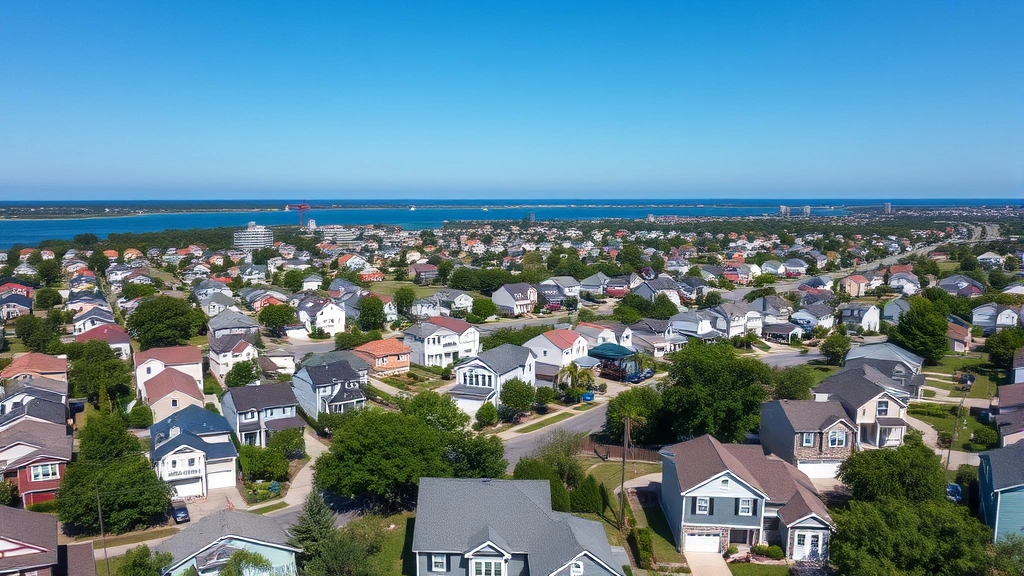
- Recent comparable property sales in your neighborhood
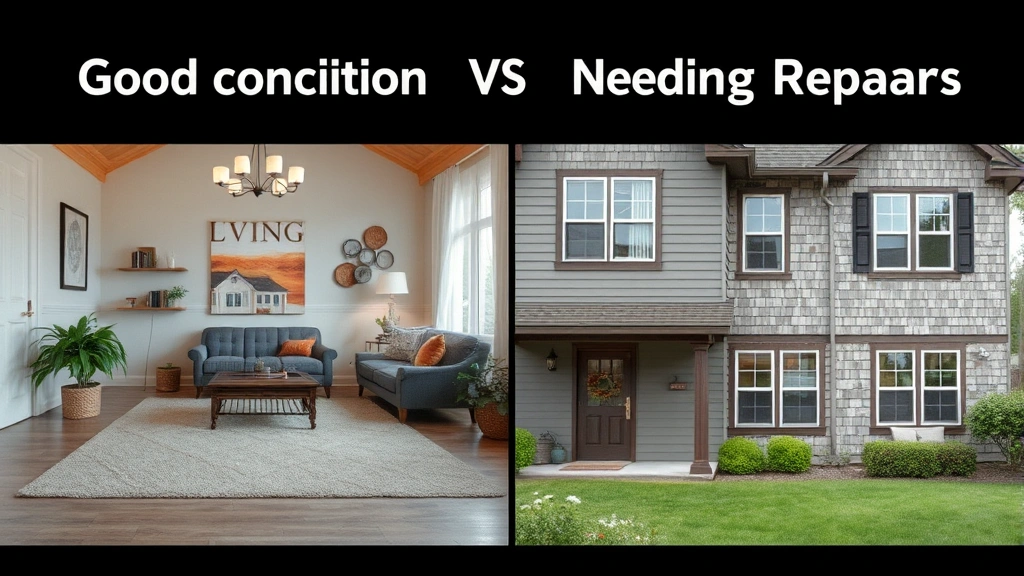
- Documentation of property defects or needed repairs
- Professional appraisals if you’ve had one done
- Photos showing condition issues
- Evidence of assessment errors (wrong square footage, incorrect features)
Many successful appeals stem from simple errors: the assessor recorded your garage as finished when it’s unfinished, or counted an extra bedroom that doesn’t exist. Others succeed because the comparable sales used were genuinely non-comparable. You don’t need a lawyer, though some people hire one for appeals involving significant value differences.
Senior & Veteran Relief Programs
If you’re 65 or older, disabled, or a surviving spouse of a veteran, Virginia has your back. The Homestead Exemption is game-changing—reducing your assessed value by $25,000 means roughly $210 less in annual property taxes (at current rates). For someone on a fixed income, that’s meaningful money.
Veterans with service-connected disabilities rated at 100% receive a full exemption on their primary residence. Even partial disability ratings may qualify for partial exemptions. You’ll need to apply through the Virginia Beach Assessor with proof of your status and disability rating from the VA.
Programs like property tax rebate PA demonstrate how other states structure veteran benefits—Virginia’s approach is similarly generous for those who served.
Strategies to Lower Your Bill
Beyond exemptions and appeals, here’s your action plan:

1. Monitor Your Assessment Regularly Don’t wait for the reassessment cycle. Check your assessed value annually on the assessor’s website. If it jumps significantly without obvious justification, that’s your signal to investigate.
2. Document Property Condition Issues Keep records of needed repairs, roof age, HVAC condition, foundation concerns, and interior wear. These legitimately reduce market value and should reduce your assessment.
3. Challenge Comparable Sales If the assessor used comps that aren’t truly comparable (different neighborhood, different condition, different amenities), document why and submit this with your appeal.
4. Invest in Energy Efficiency Solar panels, energy-efficient windows, and other upgrades may qualify for exemptions or at least add real value that justifies your property’s assessment.
5. Attend Assessment Review Board Hearings If your initial appeal is denied, you can appeal to the Assessment Review Board. Showing up in person with documentation matters.

Looking at Santa Barbara County property tax structures shows how California’s Prop 13 creates different dynamics—Virginia’s system is more fluid, which means your actions genuinely matter.
Payment Options & Deadlines
Virginia Beach property taxes are typically due in two installments: June 5 and December 5. Mark these dates on your calendar. Late payments incur penalties and interest, so set up automatic payments if you tend to forget deadlines.
Payment methods include:
- Online through the city website
- Automatic bank draft
- Check by mail
- Phone payment (with fees)
- In-person at the Assessor’s office
If you’re struggling to pay, contact the Assessor’s office about payment plans. It’s better to communicate proactively than let penalties accumulate. Some people also explore whether refinancing their mortgage or adjusting escrow accounts makes sense given their property tax obligations.
Frequently Asked Questions
What’s the difference between assessed value and market value?
Market value is what your home would sell for today. Assessed value is what the assessor determines for tax purposes—it’s often lower but can lag behind market changes. This gap is actually why you should appeal if your assessment seems outdated relative to current market conditions.
Can I appeal my assessment more than once?
You can appeal during each reassessment cycle. If you appeal and lose, you must wait for the next cycle (roughly four years) to appeal again, unless circumstances change materially (like significant property damage).
Do homestead exemptions stack with other exemptions?
Generally, no. You typically get one primary exemption. However, some exemptions are complementary—consult the Assessor’s office about your specific situation.
What happens if I disagree with the Assessment Review Board’s decision?
You can appeal to Virginia tax court, though this requires legal representation and significant documentation. Most people don’t pursue this route unless the assessment error is substantial.
How does new construction affect my property tax?
New construction or major improvements trigger reassessment. However, you can’t avoid this by not reporting work—the assessor will find out through permit records. The bright side: improvements add genuine value, so they’re worth the tax increase.
Are property taxes deductible on my federal return?
Yes, up to $10,000 annually under the SALT (State and Local Tax) deduction cap. This applies to property taxes, income taxes, and sales taxes combined. Keep detailed records.
Final Thoughts on VB Property Tax
Your property tax bill isn’t set in stone. While you can’t eliminate it entirely, understanding how VB calculates property tax and knowing your options for exemptions, appeals, and relief programs puts you in control. Start by reviewing your current assessment, checking whether you qualify for any exemptions, and marking your calendar for payment deadlines. If your assessment seems high, gather documentation and file an appeal—thousands of homeowners successfully reduce their bills this way annually.
The system is designed to be fair, but it’s also designed to work for people who engage with it. Don’t be passive about something that impacts your finances every single year. Take action, ask questions, and keep more of your hard-earned money where it belongs—in your pocket.


