

Understanding what is Virginia sales tax is crucial whether you’re a resident making everyday purchases, a business owner collecting taxes, or someone relocating to the Old Dominion. Virginia’s sales tax system might seem straightforward on the surface, but it has layers that can significantly impact your wallet. Let’s break down everything you need to know about Virginia’s sales tax in 2024.
Table of Contents
Virginia Sales Tax Basics
Virginia imposes a state sales tax on most retail purchases of tangible personal property and certain services. The state’s base sales tax rate is 5.3%, which is one of the lower rates in the country. However, this is just the beginning of the story. Many localities add their own sales tax on top of the state rate, which means your actual tax burden depends heavily on where you’re shopping.
The Virginia Department of Taxation administers the sales tax system, and it’s their job to ensure businesses collect and remit taxes properly. If you’re buying something in Virginia, you’re likely paying sales tax unless the item falls into a specific exemption category. Think of it this way: the sales tax you see at checkout is essentially a transaction tax that funds state and local services.
What makes Virginia’s system interesting is how it balances state and local needs. The state collects the base tax, but localities can add additional percentages to fund schools, infrastructure, and public services. This means two people buying identical items in different Virginia cities might pay different total tax amounts.
Current Tax Rates Explained
The Virginia state sales tax rate of 5.3% applies uniformly across the state. However, when you factor in local taxes, your effective rate can range from 5.3% to 6.35% depending on your locality. Some of Virginia’s major cities have the following combined rates:
- Alexandria: 6.0% combined (state 5.3% + local 0.7%)
- Arlington County: 6.0% combined
- Fairfax County: 5.975% combined
- Richmond: 6.0% combined
- Virginia Beach: 5.3% combined (state only, no local addition)
It’s worth noting that Virginia Beach, despite being the state’s largest city, doesn’t impose a local sales tax, so residents there benefit from the lower 5.3% rate. Meanwhile, localities like Alexandria and Arlington have added local taxes to fund their specific community needs.
The rates can feel like small differences, but on larger purchases—say a $500 item—the difference between 5.3% and 6.35% amounts to roughly $5. On a car purchase, that difference multiplies significantly. This is why understanding your specific locality’s rate matters.
What Is Taxable in Virginia
Virginia’s sales tax applies to the sale of tangible personal property and certain services. Tangible personal property means physical items you can touch and hold—clothing, electronics, furniture, appliances, and most goods you’d find in a retail store. Services subject to tax include things like dry cleaning, repair services, and certain professional services.
When you purchase a vehicle in Virginia, sales tax applies to the purchase price. This is a significant consideration for anyone buying a car. Sales tax on a car in VA can add thousands to your final cost, so it’s worth calculating before you sign the paperwork. If you’re moving to Virginia from another state, understanding how your new state handles vehicle tax is essential.
Restaurant meals are also taxable at the full sales tax rate. If you’re dining out in Virginia, the tax applies to your food and beverages. Digital downloads, streaming services, and other digital products are generally not subject to Virginia sales tax, though this is an area where tax law continues to evolve nationally.
Common Tax Exemptions
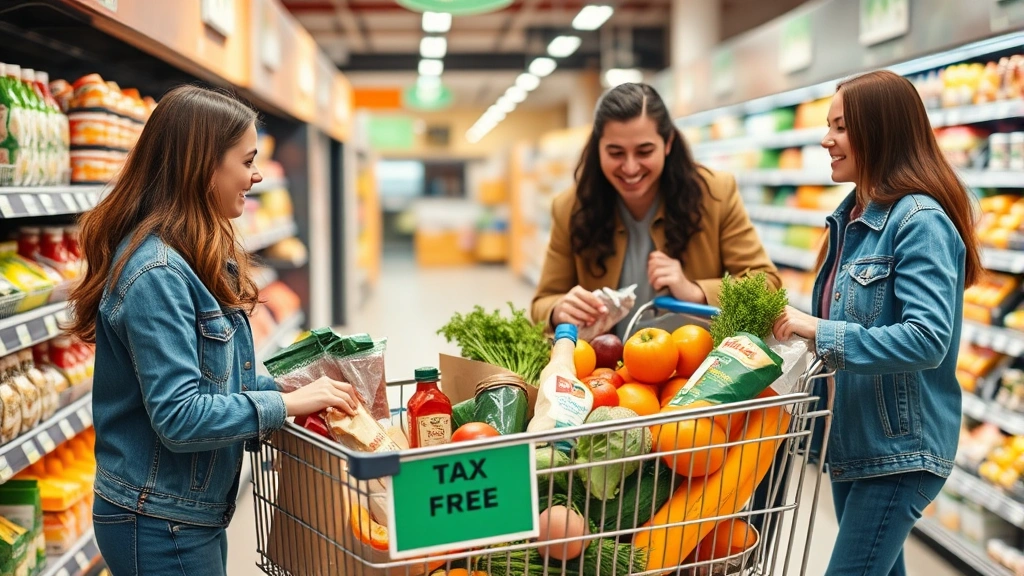
Virginia provides several important exemptions from sales tax. Understanding these can help you save money and avoid overpaying. The most significant exemption is for unprepared food—groceries purchased for home consumption are not subject to sales tax. This means your weekly grocery bill is tax-free, which is a meaningful benefit for families managing tight budgets.
Prescription medications and certain medical devices are exempt from sales tax in Virginia. This exemption recognizes that healthcare items are necessities, not luxuries. If you’re purchasing prescription glasses or hearing aids, you won’t pay sales tax on those items.
Certain business purchases are also exempt when they’re used directly in manufacturing or agricultural production. If you own a farm or manufacturing business, equipment used in your operations may qualify for exemption. This is an area where working with a tax professional can pay dividends—many small business owners don’t realize they’re overpaying because they’re not aware of available exemptions.
Additionally, certain nonprofit organizations and government entities are exempt from paying sales tax on their purchases. This exemption helps nonprofits stretch their limited budgets further.
Local Taxes & Localities
Virginia’s 95 counties and independent cities each have the authority to impose their own local sales tax on top of the state rate. This is where things get complicated, and why knowing your specific locality matters. Some localities have chosen not to add a local tax (like Virginia Beach), while others have added up to 1.05% in additional tax.
The reason localities vary in their approach comes down to local government funding needs and political decisions. A city that’s investing heavily in schools, roads, and public services might implement a higher local tax. A city with other revenue sources might choose to keep the rate low to remain competitive for retail business.
When you’re shopping, you’re paying the combined state and local rate. The business collecting the tax is responsible for separating out the portions and remitting them to the correct government entities. As a consumer, you just see the total on your receipt, but understanding the breakdown helps you appreciate where your tax dollars go.
If you’re moving to a new Virginia locality, it’s worth checking the local tax rate. Over time, these small percentage differences add up. A family spending $50,000 annually on taxable goods would pay an extra $425 in a 6.0% locality compared to a 5.3% locality.
Vehicle Sales Tax Rules
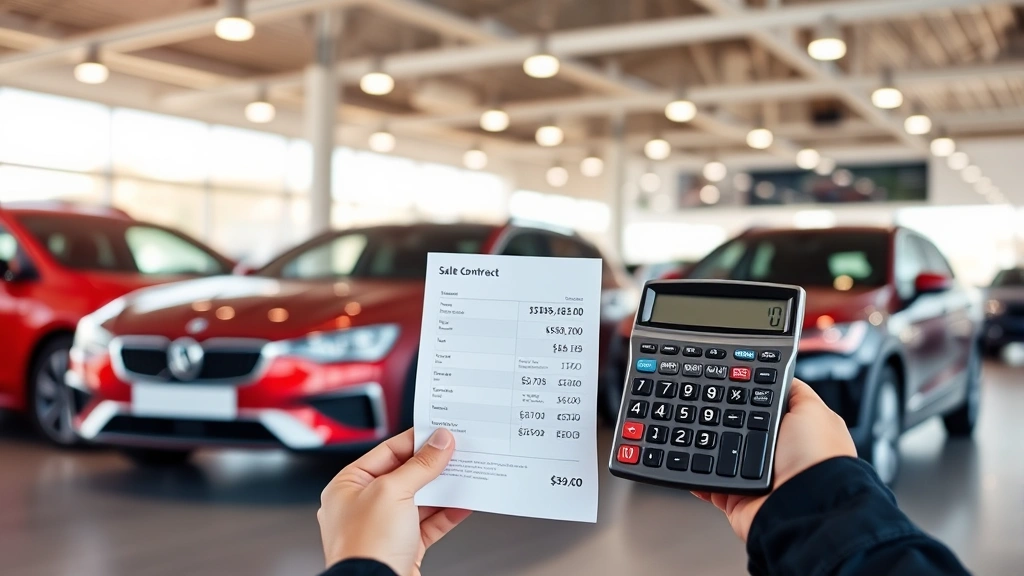
Vehicle purchases deserve special attention because they’re typically the largest retail transaction most people make. In Virginia, sales tax applies to the purchase price of cars, trucks, motorcycles, and other vehicles. The tax is calculated on the full purchase price before any trade-in credit.
Here’s how it works: If you buy a $25,000 car in a locality with a 6.0% combined tax rate, you’ll pay $1,500 in sales tax. If you trade in your old vehicle for $5,000, the sales tax still applies to the full $25,000 purchase price, not the net amount after the trade-in. This is an important distinction that catches many buyers off guard.
If you’re relocating to Virginia from another state, you should understand how Virginia’s vehicle tax compares to your previous state. North Carolina car sales tax rates differ from Virginia’s, and if you’re considering a move between these states, the tax implications are worth calculating. Some people strategically time vehicle purchases based on state tax considerations.
Dealers in Virginia handle the sales tax collection and remittance, so you don’t need to worry about paying it yourself separately. However, you should verify that the dealer has correctly calculated the tax based on your locality’s rate.
Groceries & Essential Items
One of Virginia’s most consumer-friendly policies is the exemption for unprepared food. When you buy groceries—bread, milk, vegetables, meat, canned goods—at the supermarket, you pay no sales tax. This exemption applies to food purchased for home consumption, which provides meaningful relief for families managing grocery budgets.
However, the line between taxable and non-taxable food items can be fuzzy. Hot prepared foods from a deli counter are taxable because they’re considered “prepared food.” Similarly, if you buy a rotisserie chicken from the grocery store, that’s taxable because it’s been prepared for immediate consumption. But raw chicken breasts? Tax-free.
Beverages are where things get interesting. Non-alcoholic beverages like milk, juice, and water purchased from a grocery store are exempt. But soda and other sugary drinks? Those are taxable. The logic is that these items are considered “prepared food” rather than basic groceries.
Vitamins and dietary supplements are generally not subject to sales tax in Virginia, though the classification can vary depending on how they’re marketed and sold. If you’re regularly purchasing supplements, it’s worth confirming with the retailer whether tax applies.
Business Tax Obligations
If you own a business in Virginia that sells taxable goods or services, you have significant responsibilities related to sales tax. You must obtain a sales tax license from the Virginia Department of Taxation, collect the appropriate sales tax from customers, maintain detailed records, and file regular sales tax returns.
The frequency of your filings depends on your sales volume. High-volume businesses might file monthly, while lower-volume businesses might file quarterly or annually. The Virginia Department of Taxation provides clear guidance on filing requirements, and it’s essential to stay compliant. Failing to remit collected sales tax can result in serious penalties and interest charges.
One critical point for businesses: if you’re purchasing inventory or materials for resale, you should provide your supplier with a resale certificate to avoid paying sales tax on those purchases. The tax is ultimately paid by the end consumer, not by businesses in the supply chain. Not using resale certificates when appropriate means you’re paying tax twice—once when you buy inventory and again when customers buy from you.
Online and remote sellers also have responsibilities. If you’re selling to Virginia residents from out of state, you may need to collect and remit Virginia sales tax depending on your sales volume and nexus with the state. This area of tax law has evolved significantly in recent years, so staying current with regulations is important.
Frequently Asked Questions
Do I pay sales tax on online purchases from Virginia retailers?
Yes, if you’re purchasing from a Virginia retailer and having items shipped to a Virginia address, sales tax applies. The retailer should collect the tax at checkout. If they don’t, you may be responsible for reporting and paying “use tax” on your Virginia tax return, though this is rarely enforced for individual consumers.

What’s the difference between sales tax and use tax?
Sales tax is collected at the point of sale by the retailer. Use tax applies when you purchase taxable items from out-of-state sellers and use them in Virginia without paying sales tax. In theory, you owe use tax on these purchases, but in practice, Virginia doesn’t actively pursue individual consumers for use tax on small purchases.
Are services subject to Virginia sales tax?
Some services are subject to sales tax, but not all. Dry cleaning, repair services, and certain professional services are taxable. However, professional services like accounting, legal advice, and medical services are generally not subject to sales tax. The distinction can be nuanced, so when in doubt, ask the service provider.
How do I find my locality’s specific sales tax rate?
The Virginia Department of Taxation website provides a complete list of sales tax rates by locality. You can search by city or county to find the exact combined state and local rate that applies in your area.
Can I get a sales tax refund if I overpaid?
Generally, no. Sales tax is a final tax on the purchase. However, if you can document that you were incorrectly charged sales tax on an exempt item, you may be able to request a refund from the retailer. Some retailers will process refunds if you provide proof of the error.
Do I pay sales tax when I buy used items from private sellers?
No, sales tax doesn’t apply to private sales between individuals. However, if you buy a used car from a dealer, sales tax does apply. This is an important distinction—buying a used car from a private party avoids the sales tax, but buying from a dealer doesn’t.
Conclusion
Understanding what is Virginia sales tax helps you make smarter purchasing decisions and avoid unpleasant surprises at checkout. The state’s 5.3% base rate is relatively modest, but when combined with local taxes, your effective rate can reach 6.35% depending on where you live. Remember that groceries are tax-free, most retail goods are taxable, and vehicle purchases carry significant tax implications.
Whether you’re a long-time Virginia resident, a recent transplant, or a business owner, staying informed about sales tax rules saves money and keeps you compliant with state regulations. If you’re making major purchases or running a business, consider consulting with a tax professional who can ensure you’re taking advantage of all available exemptions and following proper procedures. The Virginia Department of Taxation website is also an excellent resource for the most current information and specific guidance.


