

Figuring out when is property tax due in California can feel like decoding a tax code written in a foreign language, but here’s the truth: California has a straightforward system once you know the key dates. As a CPA who’s helped countless homeowners navigate their property tax obligations, I can tell you that missing these deadlines can cost you real money in penalties and interest. Let’s break down exactly when you need to pay, how the system works, and what happens if you miss the cut-off.
Table of Contents
California Property Tax Calendar
California’s property tax system operates on a fiscal year that runs from July 1st to June 30th. This means your property taxes are assessed based on the value of your home as of July 1st each year. The state’s tax assessor determines your property’s assessed value, and from that, your annual tax bill is calculated.
The key thing to understand is that California splits your annual property tax bill into two installments rather than one lump sum. This split-payment approach helps homeowners manage their cash flow, though it also means you need to track two separate due dates instead of just one. Many homeowners appreciate this system because it breaks the burden into more manageable chunks throughout the year.
Understanding the Two-Installment System
Here’s how the two-installment system works: your annual property tax bill gets divided roughly equally between two payments. The first installment typically covers July through December of the fiscal year, while the second installment covers January through June. However, the payment deadlines don’t align perfectly with those calendar periods—this is where confusion often creeps in.
California counties handle property tax administration, and while the state sets the overall framework, individual counties manage the billing and collection. This means some variation exists between counties regarding exact payment procedures, though the core deadlines remain consistent statewide. Understanding your county’s specific requirements can save you headaches down the road.
First Installment Due Dates
The first installment of California property taxes is due on November 1st and becomes delinquent if not paid by December 10th. This is the critical deadline you need to mark on your calendar. If you pay between November 1st and December 10th, you’re in the clear—no penalties apply. After December 10th, penalties kick in automatically.

Many property owners receive their tax bills in late October or early November, which gives you roughly a month to process payment. If you haven’t received your bill by mid-November, don’t assume you don’t owe—contact your county tax assessor’s office immediately. The bill’s arrival doesn’t change the due date; the state’s deadline applies regardless of when you receive notification.
This first installment is particularly important because it’s the one most homeowners miss. The holiday season creates distractions, and people often assume they have more time than they actually do. I’ve seen clients face unnecessary penalties simply because they thought the December holidays extended the deadline—they don’t.
Second Installment Due Dates
The second installment of your California property taxes is due on February 1st and becomes delinquent if not paid by April 10th. This gives you a longer window than the first installment—roughly two months from the due date to the delinquency date. However, don’t let this extended timeline make you complacent.
The April 10th deadline is firm. If your payment posts after April 10th, penalties apply immediately. Some people mistakenly believe that property taxes work like federal income taxes, where you have until mid-April to file. That’s not the case here. California property taxes follow their own schedule, and the April 10th deadline is final.
One strategy I recommend is setting up automatic payments through your bank or your county’s online payment system. This removes the human element of remembering dates and ensures your payment posts on time. Many counties now offer online bill pay, which typically processes within 1-3 business days.
Penalties and Interest Explained
Understanding what happens when you miss California property tax deadlines is crucial because the penalties are steep. If you don’t pay by the delinquency date (December 10th for the first installment or April 10th for the second), California assesses a 10% penalty on the unpaid amount. This isn’t a small fee—it’s a substantial hit to your wallet.
Beyond the initial 10% penalty, you’ll also accrue interest at 1.5% per month on the unpaid balance. This compounds, meaning your debt grows exponentially the longer you wait. After three years of non-payment, the county can initiate foreclosure proceedings on your property. Yes, you can lose your home over unpaid property taxes—this is not a situation to ignore.
Here’s a concrete example: if your property tax bill is $3,000 and you miss the deadline by one month, you’re looking at $300 in penalties plus accruing interest. Wait six months, and you’re paying $300 in penalties plus six months of 1.5% monthly interest. The math gets ugly fast. This is why I always tell clients: treat property tax deadlines like they’re written in stone, because in California, they essentially are.
How to Pay Your Property Taxes
California offers multiple payment methods to make settling your property tax bill as convenient as possible. Most counties accept online payments through their official websites, which is typically the fastest and most reliable method. You can usually pay with a credit card, debit card, or bank transfer, though some methods may charge processing fees.
You can also pay by mail by sending a check to your county tax collector’s office. The key here is timing—mail can be unpredictable, so if you’re paying by check, mail it at least one week before the deadline to ensure it arrives on time. The postmark date doesn’t matter; what matters is when the payment is received and processed by your county.
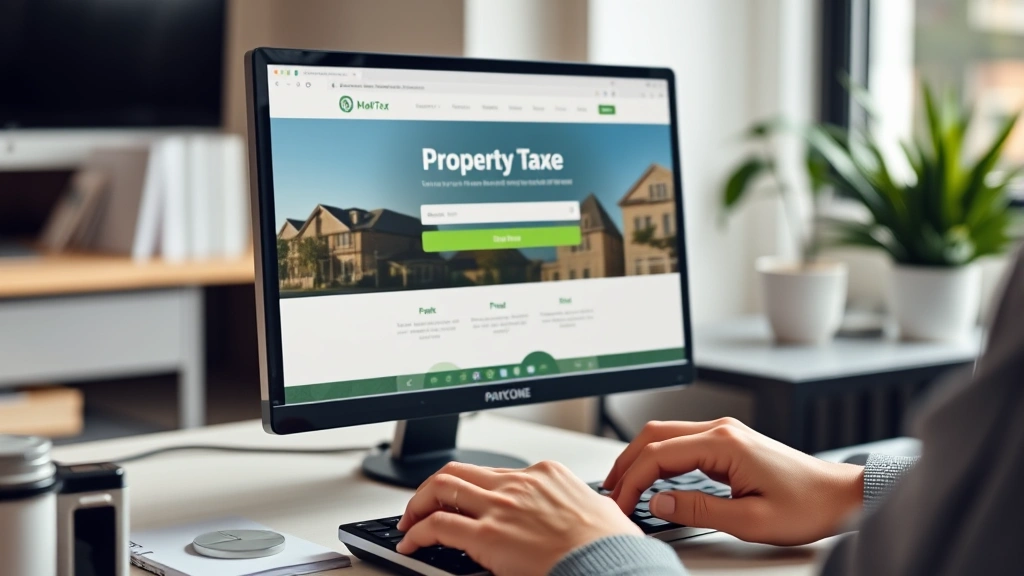
Some counties accept in-person payments at their offices, and a few still accept phone payments. Before relying on any payment method other than online, verify that your county supports it. You can find your county tax collector’s contact information through the California Department of Tax-Fee Administration website.
I strongly recommend paying online through your county’s official website rather than using third-party payment processors, as these sometimes add unnecessary fees and can create confusion about payment status. Direct payment to your county ensures you have clear documentation and avoids middleman complications.
Exemptions and Reductions Available
Not all California property owners pay the same property tax rate. Several exemptions and reductions can significantly lower your tax burden if you qualify. The homeowners’ exemption, for example, reduces the assessed value of your primary residence by $7,000, which translates to roughly $70-100 in annual tax savings depending on your county’s tax rate.
Senior citizens, disabled persons, and veterans may qualify for additional exemptions or postponements. California’s Senior Property Tax Deferral Program allows homeowners age 62 or older with limited income to defer property taxes until the property is sold or transferred. This program can be a lifesaver for retirees on fixed incomes.
The Welfare Exemption provides relief for certain nonprofits, religious organizations, and charitable institutions. If your property qualifies, you may be entirely exempt from property taxes. Additionally, properties used for agriculture may qualify for agricultural exemptions that significantly reduce assessed values.

To claim these exemptions, you typically need to file an application with your county assessor’s office. Missing the filing deadline for exemptions can cost you thousands in unnecessary taxes. If you think you might qualify for any exemption, contact your county assessor immediately—don’t assume you’re ineligible.
Appealing Your Assessment
If you believe your property has been assessed at an unfairly high value, California law allows you to appeal the assessment. This process, called the assessment appeal or Proposition 8 appeal, can result in a significant reduction in your property taxes if successful.
The appeal deadline is typically 30 days after you receive your assessment notice, though some counties allow longer periods. You’ll need to provide evidence supporting your claim that the assessed value is too high—comparable sales data, property condition reports, or professional appraisals work well.
Many homeowners don’t realize they can appeal their assessments because they assume the county’s valuation is final. It’s not. If your home was recently assessed significantly higher than comparable properties in your area sold for, you likely have grounds for an appeal. The savings can be substantial—sometimes $500-2,000+ annually depending on your property value.
Working with a property tax consultant or appraiser can improve your appeal’s chances of success. While this costs money upfront, the long-term savings often justify the investment, especially for higher-value properties.

Frequently Asked Questions
What happens if I pay my California property taxes late?
Late payments incur a 10% penalty on the unpaid amount, plus 1.5% monthly interest. These penalties compound, and after three years of non-payment, your county can initiate foreclosure proceedings. It’s critical to pay by the delinquency dates: December 10th for the first installment and April 10th for the second.
Can I pay my entire year’s property taxes at once?
Yes, you can pay both installments at once if you prefer. This doesn’t change your due dates—you still need to pay by December 10th for the first installment and April 10th for the second. However, paying both together doesn’t offer any discount or advantage; it’s simply a matter of personal preference.
Do I need to pay property taxes if my home is in escrow?
If your property is in escrow during a sale, the seller is typically responsible for property taxes up to the closing date, and the buyer becomes responsible after closing. Your title company will coordinate prorating these costs between buyer and seller. Make sure your title company handles this correctly to avoid disputes.
What’s the difference between property tax and homeowners insurance?
Property taxes fund local government services like schools and roads, while homeowners insurance protects your home against damage and liability. If you have a mortgage, your lender likely requires you to pay both through an escrow account. They’re separate obligations with different purposes and payment schedules.
Can I deduct California property taxes on my federal return?
Yes, you can deduct state and local property taxes (SALT) on your federal income tax return, but only up to $10,000 per year total for all state and local taxes combined. This cap was introduced in 2017 and remains in effect. Keep detailed records of your property tax payments to claim this deduction accurately.
What if I disagree with my property tax bill?
Contact your county assessor’s office immediately to discuss your concerns. You can request a reassessment or file a formal appeal. The appeal process typically requires submitting evidence within 30 days of receiving your assessment notice. Don’t ignore a bill you disagree with—take action within the deadline windows.
Are there payment plans available if I can’t pay in full?
Some California counties offer installment plans or payment arrangements for delinquent taxes. Contact your county tax collector’s office to discuss options. However, penalties and interest continue accruing while you’re on a payment plan, so these arrangements are best used as a last resort, not a primary strategy.
Bottom line: California property taxes are due in two installments—November 1st through December 10th for the first half, and February 1st through April 10th for the second half. Missing these deadlines triggers a 10% penalty plus monthly interest that compounds quickly. The best approach is setting calendar reminders, understanding your county’s payment options, and paying online to ensure timely processing. If you think you might qualify for exemptions or believe your assessment is incorrect, address those issues proactively rather than waiting. Property taxes aren’t optional, and California’s penalties are real—treat these deadlines with the seriousness they deserve, and you’ll avoid costly mistakes.


