

Understanding Wright County MN property tax is essential if you own real estate in this central Minnesota region. Property taxes fund local schools, infrastructure, and emergency services, but they can also represent a significant expense for homeowners. This guide walks you through how Wright County calculates taxes, what factors affect your bill, and proven strategies to reduce what you owe.
Table of Contents
How Wright County Calculates Property Tax
Wright County property tax bills don’t appear out of thin air. The calculation follows a straightforward formula: your property’s assessed value multiplied by the local tax rate, expressed as a percentage. But here’s where it gets interesting—the assessed value isn’t what you paid for the house, and the tax rate changes annually based on county budget needs.
The Wright County Assessor’s office determines your property’s assessed value by examining comparable sales, property condition, and improvements. This value is then multiplied by a statewide classification percentage (typically 90% for homestead properties in Minnesota) to arrive at your taxable value. Finally, local taxing authorities apply their rates to generate your final bill.
Think of it like this: if your home is assessed at $300,000, the taxable value might be $270,000 (90% of assessed value). If the combined tax rate is 1.2%, you’d owe $3,240 annually. The rate includes school district levies, county services, city taxes, and special assessments.
The Assessment Process Explained
Every three years, Wright County conducts a countywide reassessment. This isn’t personal—it’s a systematic review of all properties to ensure equitable taxation. The assessor uses sales data, cost approaches, and income approaches to establish fair market values.
You have rights during this process. The Assessor mails assessment notices in early spring. If you believe your assessment is too high, you can file a written objection with the County Board of Review before June 30th. Many homeowners skip this step, leaving money on the table.
The assessment looks at square footage, lot size, age, condition, upgrades, and comparable recent sales. A newly renovated kitchen or added bathroom can increase your assessment. Conversely, deferred maintenance or neighborhood decline may justify a lower value.
Current Tax Rates & Breakdown
Wright County property tax rates are composed of several layers. As of recent years, the combined rate for homestead properties typically ranges from 1.1% to 1.3% of taxable value, though this varies by specific city and school district within the county.
Your bill includes:
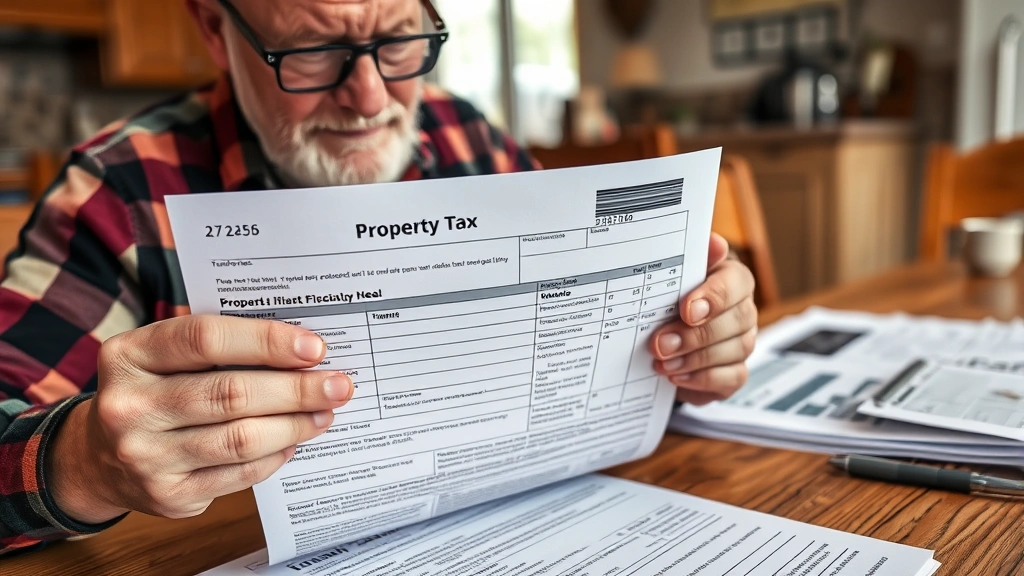
- School District Levy: Usually the largest portion (roughly 50-60% of your bill)
- County Services: Roads, sheriff, courts, assessor (approximately 15-20%)
- City/Township Services: Police, fire, streets, parks (20-30%)
- Special Assessments: Drainage, improvements, or bonded debt (varies)
For the most current rates specific to your address, contact the Wright County Assessor’s office or check your property tax statement. Rates adjust annually based on local government budgets and debt obligations.
Homestead Property Tax Exemption
Minnesota’s homestead property tax exemption is a significant benefit for owner-occupied residences. If you live in your home as your primary residence, you qualify for this exemption, which reduces your taxable value by applying a lower classification rate (90% instead of the higher rates for rental or commercial properties).
To claim homestead status, you must:
- Own the property (or be a life estate holder)
- Occupy it as your principal residence on January 2 of the tax year
- File Form HE (Homestead Property Tax Exemption) with the county assessor if required
The homestead exemption saved Minnesota homeowners billions in taxes over the past decade. It’s automatic in many cases, but verify your property is coded as homestead on the assessor’s records. If you rent out part of your home or use it for business, you may lose the full exemption.
Related to this, Minnesota also offers a MN Real Estate Tax Refund program for low-income seniors and disabled homeowners, providing additional relief.
Filing a Property Tax Appeal
Not happy with your assessment? You have a formal appeal process. Wright County property tax appeals begin with the County Board of Review, which meets in June each year.
Step 1: File Written Objection
Submit a written objection to the County Board of Review by June 30th. State why you believe the assessment is incorrect. Include comparable sales data, recent appraisals, or documented defects.
Step 2: Appear Before the Board
The Board will notify you of a hearing date. Attend in person if possible—it makes a difference. Bring documentation: recent sales of comparable homes, inspection reports, or expert appraisals.
Step 3: Request State Review (if needed)
If the Board denies your appeal, you can petition the Minnesota Department of Revenue for a state-level review. This is a more formal process and may require legal representation.
Many homeowners successfully lower their assessments by 5-15% through appeals. The key is solid evidence. If three comparable homes on your street sold for $280,000 and yours is assessed at $320,000, that’s a compelling argument.
Strategies to Lower Your Bill
Beyond appeals, several strategies can reduce your Wright County property tax burden:
1. Challenge Your Assessment Annually
Even if you appealed last year, reassessments happen regularly. Don’t assume your value is locked in.
2. Document Property Defects
Major deficiencies—foundation issues, roof needing replacement, outdated systems—justify lower values. Get written estimates for repairs and submit them with your appeal.
3. Monitor Comparable Sales
Track recent sales of similar homes in your neighborhood. If your assessed value exceeds local sale prices, you have evidence for an appeal.
4. Verify Correct Classification
Ensure your property is coded correctly. A rental property mistakenly coded as homestead (or vice versa) will have the wrong tax rate applied.
5. Explore Exemptions You Qualify For
Beyond homestead status, Wright County offers exemptions for agricultural land, disabled veterans, and certain nonprofit organizations. If applicable, file the required forms.

6. Pay Attention to Special Assessments
These one-time charges for improvements (new sidewalks, drainage projects) can sometimes be disputed if the work wasn’t performed properly or benefited your property unfairly.
Agricultural & Senior Exemptions
Wright County recognizes special circumstances with targeted exemptions:
Agricultural Land Exemption
If you own farmland or agricultural property, you may qualify for agricultural exemption, which classifies the land at a lower rate (typically 10% of value instead of 90% for homestead). To qualify, the land must be actively farmed or used for agricultural purposes. Contact the assessor about Form AG-1 (Agricultural Land Classification).
Senior/Disabled Homeowner Exemptions
Minnesota offers a property tax deferral program for homeowners age 65+ or permanently disabled with household income below $71,000. This defers property taxes, with the state paying the deferred amount (recovered from your estate later). It’s a loan, not a gift, but it provides immediate relief.
Disabled Veteran Exemption
Veterans with service-connected disabilities rated 100% may qualify for a homestead property tax exemption. The exemption amount depends on your disability rating.
To explore these options, contact the Wright County Assessor’s office or the Minnesota Department of Revenue. Many eligible homeowners don’t claim these benefits simply because they don’t know they exist.
Payment Options & Deadlines
Wright County property taxes are typically due in two installments: the first half in May and the second half in October (specific dates vary by year). Missing these deadlines triggers penalties and interest.
Payment Methods:

- Online through the Wright County Treasurer’s website
- By mail to Wright County Treasurer
- In person at the county office
- Automatic bank draft (set up with your lender if you have a mortgage)
Late Payment Consequences
If you miss the deadline, a 1% penalty is added immediately, plus interest accruing monthly. After 90 days, the property may be certified for tax forfeiture. This is serious—don’t ignore property tax bills.
If you’re struggling financially, contact the Treasurer’s office about payment plans or deferral programs before the deadline. Many counties offer hardship provisions for temporary difficulties.
For those with mortgages, your lender typically collects property taxes through escrow and pays the county directly. This ensures taxes are paid on time, but you still bear the cost through your monthly payment.
Frequently Asked Questions
What’s the average property tax rate in Wright County?
The combined tax rate for homestead properties in Wright County typically ranges from 1.1% to 1.3% of taxable value. However, rates vary by specific city and school district. Your tax statement shows your exact rate. For comparison, check recent Denver County Property Tax or Indiana County Tax Rates to see how Wright County compares nationally.
How often is my property reassessed?
Wright County conducts countywide reassessments every three years. However, your property is reviewed annually for new construction, improvements, or other changes. If you believe your annual assessment is incorrect, you can appeal each year.
Can I deduct property taxes on my federal return?
Yes, if you itemize deductions on your federal tax return, you can deduct up to $10,000 in state and local property taxes (SALT cap). This limit applies to your combined state income tax, sales tax, and property taxes. Most homeowners benefit from this deduction, but verify your situation with a tax professional.
What happens if I don’t pay my property taxes?
Unpaid property taxes accrue penalties and interest. After approximately three years of nonpayment, the county may foreclose on your property and sell it to recover the debt. This is the only tax debt that can result in loss of your home, so prioritize property tax payments.
Is there a homeowners association impact on my tax bill?
HOA fees are separate from property taxes and don’t reduce your tax burden. However, if your HOA pays property taxes on common areas, those taxes are typically lower due to nonprofit exemptions. Your individual property taxes remain unchanged by HOA membership.

Can I appeal my assessment if I just bought my home?
Yes. The sale price doesn’t determine your assessment—the assessor uses it as evidence of fair market value, but other factors apply. If your home is newly assessed after purchase and you believe it’s too high, you can appeal using the same process. Many new homeowners successfully reduce overvalued assessments within the first year.
What’s the difference between assessed value and market value?
Market value is what your home would sell for today. Assessed value is the county’s estimate of fair market value for tax purposes. They should be similar, but assessed values sometimes lag behind rapid market changes. If the market has declined since your last assessment, your assessed value may be artificially high.
Do I need a lawyer to appeal my property tax?
No. Many homeowners successfully appeal without legal representation by gathering comparable sales data and presenting clear evidence to the Board of Review. However, for complex cases or state-level appeals, consulting a property tax attorney may be worthwhile.
Conclusion
Wright County MN property tax is a manageable expense when you understand how it’s calculated and what options you have. The key takeaways: verify your homestead exemption status, monitor your assessment annually, gather evidence if you believe it’s too high, and don’t miss appeal deadlines. Many homeowners overpay simply because they assume assessments are final or don’t realize they can challenge them.
Start by obtaining your current assessment from the Wright County Assessor’s office and comparing it to recent sales of comparable homes. If there’s a significant gap, file an objection with the County Board of Review. The process is straightforward, and the potential savings justify the effort.
For additional context on property tax across different regions, explore Greene County MO Property Tax or Riverside Property Tax Payment strategies. And if you’re managing multiple tax obligations, a DC Income Tax Calculator can help you understand your overall tax picture.
Take action this tax season. Review your bill, challenge what’s unfair, and claim every exemption you qualify for. Your property tax burden is negotiable—don’t leave money on the table.


