
Auto sales tax Pennsylvania is a critical expense most car buyers overlook until they’re sitting at the dealership signing papers. If you’re purchasing a vehicle in Pennsylvania, understanding how sales tax works—and what strategies can help you minimize it—could save you hundreds of dollars. Let me walk you through everything you need to know as a CPA who’s helped countless clients navigate this often-confusing process.
Table of Contents
Current PA Sales Tax Rates
Pennsylvania’s base sales tax rate sits at 6%, which is actually below the national average. However—and this is important—that 6% applies to the purchase price of your vehicle, which can be substantial. On a $30,000 car, you’re looking at $1,800 in state sales tax alone. But here’s where it gets interesting: unlike some states that treat vehicle purchases differently, Pennsylvania applies the same 6% sales tax rate to automobiles as it does to other taxable goods.
The key thing to understand is that Pennsylvania doesn’t have a separate “vehicle tax” or “auto-specific” tax rate. It’s straightforward 6% on the sale price. That said, some counties and municipalities may add local option taxes on top of the state rate, which we’ll cover in detail below.
How Sales Tax Calculation Works
The math is straightforward, but the devil’s in the details. Let’s break down exactly how your sales tax obligation gets calculated:
Basic Formula: Vehicle Purchase Price × 0.06 = State Sales Tax
If you’re buying a $25,000 vehicle, your state sales tax is $1,500. Simple enough. But most people don’t pay just the state tax—they also pay local taxes, which can push the total rate to 7% or higher in some Pennsylvania counties.
Here’s what catches most buyers off guard: the sales tax is calculated on the full purchase price before any incentives or rebates are applied by the dealer. However, if you have a trade-in vehicle, you can deduct that value from your taxable purchase price. This is one of the biggest money-saving opportunities, and we’ll dive deeper into it below.
The dealership typically collects the sales tax at point of sale and remits it to the Pennsylvania Department of Revenue. You’ll see it broken out on your purchase agreement and final paperwork.
Trade-In Vehicle Deductions
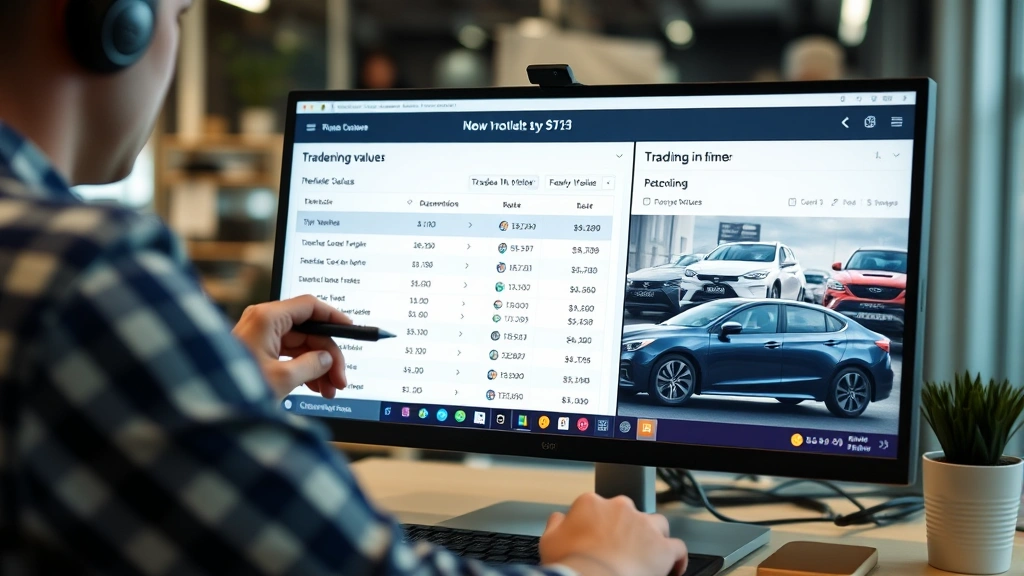
This is where Pennsylvania gives you a genuine break. If you’re trading in an old vehicle, Pennsylvania allows you to deduct the trade-in value from the purchase price of your new vehicle before calculating sales tax. This is called the “trade-in allowance” and it’s one of the most effective ways to reduce your sales tax bill.
Example: You’re buying a $30,000 car and trading in your old vehicle worth $8,000. Instead of paying sales tax on $30,000, you only pay it on $22,000. That’s a difference of $480 in sales tax (6% × $8,000). Not insignificant.
To take advantage of this deduction, you’ll need to:
- Have clear title to your trade-in vehicle
- Ensure the vehicle is registered and in your name
- Provide the dealership with the vehicle’s documentation
- Get the trade-in value documented on your purchase agreement
One pro tip: don’t let the dealership’s appraisal of your trade-in be the final word. Get independent valuations from Kelley Blue Book or NADA Guides beforehand. If you can negotiate a higher trade-in value, you’re directly reducing your sales tax liability. That’s real negotiating power.
Local Tax Variations Explained
Pennsylvania’s 6% state rate is just the baseline. Many counties and municipalities have added local option sales taxes that stack on top of the state rate. This is where your actual tax burden can vary significantly depending on where you buy.
For example, Pittsburgh sales tax includes Allegheny County’s 1% local tax, bringing the total rate to 7%. Philadelphia and surrounding counties have similar local additions. In some rural areas, you might pay just the 6% state rate.
The total rate you’ll pay depends on where the vehicle is registered and where the sale occurs. Generally, the tax is based on the location of the dealership or the county where you’ll register the vehicle. This creates an interesting dynamic: if you live near a county border, you might save money by purchasing in a lower-tax area.
Before you make a major purchase, call ahead to dealerships in different counties and ask about the total tax rate they’ll charge. The difference between 6% and 7% on a $35,000 vehicle is $350—money worth saving.
Used Car Sales Tax Rules
The good news: used car sales tax is calculated exactly the same way as new car sales tax in Pennsylvania. You pay 6% state tax (plus any local additions) on the purchase price, with the same trade-in deduction available.
However, there are a few nuances specific to used vehicles:
Private Party Sales: If you’re buying from an individual rather than a dealership, you still owe sales tax. Many people don’t realize this. You’ll need to pay the tax when you register the vehicle with PennDOT. The tax is calculated on the purchase price you paid, not the vehicle’s book value.
Dealer Documentation: When buying from a used car dealer, they’ll collect the sales tax at point of sale just like with new cars. Make sure your paperwork clearly shows the purchase price and any trade-in deduction.
Odometer Disclosure: For vehicles under 10 years old, Pennsylvania requires odometer disclosure. This doesn’t affect your tax calculation, but it’s important for the transaction’s legitimacy.
One strategy: if you’re buying a used vehicle privately, you might negotiate a lower “stated” purchase price in your bill of sale. However—and I need to be clear here as a CPA—intentionally understating the purchase price to reduce tax liability is tax evasion. PennDOT has market value guides, and if your stated price is suspiciously low, they may assess tax based on the vehicle’s actual value. It’s not worth the legal risk.
Exemptions and Savings Strategies
Pennsylvania doesn’t offer many exemptions for vehicle purchases, but there are legitimate strategies to minimize your tax burden:
1. Maximize Your Trade-In Value – We covered this above, but it bears repeating. Negotiating an extra $1,000 on your trade-in saves you $60 in sales tax. It’s worth the effort.
2. Time Your Purchase Strategically – Some dealerships offer “tax-free” promotions or rebates that effectively cover your sales tax. These aren’t truly tax-free (you still owe the tax), but the dealer is subsidizing it. Shop around for these offers, especially at month-end or year-end when dealers are trying to clear inventory.

3. Consider the Total Cost of Ownership – While you’re focused on sales tax, remember that vehicle registration fees in Pennsylvania also apply. Factor these into your decision-making, especially if you’re comparing purchases in different counties.
4. Document Everything – Keep all purchase agreements, bill of sale documents, and tax receipts. If you ever need to dispute the amount of tax you paid, you’ll need clear documentation.
5. Business Vehicle Deduction – If you’re self-employed or own a business, you may be able to deduct vehicle expenses (including sales tax) on your business tax return. This doesn’t reduce the sales tax you owe, but it can reduce your overall tax liability. See our guide on tax deductible car loan interest for more details on vehicle-related business deductions.
Registration and Documentation Fees
Sales tax is just one piece of the puzzle. When you buy a car in Pennsylvania, you’ll also encounter registration and documentation fees that add to your total cost:
Vehicle Registration Fee: Pennsylvania charges an annual registration fee based on the vehicle’s weight and type. For most passenger vehicles, this ranges from $36 to $51 annually. When you first register a new vehicle, you’ll typically pay for multiple years upfront.
Title Transfer Fee: Transferring title costs $20 to $50 depending on the transaction type. This is separate from sales tax but required for legal ownership.
Documentation/Processing Fees: Dealerships often charge $50 to $200 for paperwork processing and handling. These aren’t technically taxes, but they’re mandatory costs you should understand before signing.
Emission Testing: Some Pennsylvania counties require emission testing for vehicle registration. This costs $30 to $50 but isn’t a tax—it’s a regulatory fee.
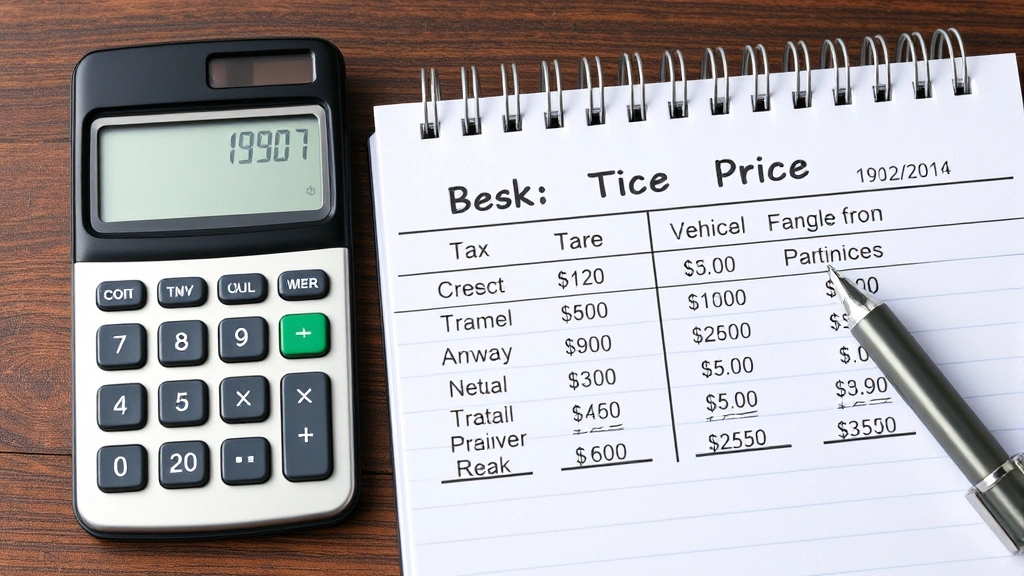
When calculating your total out-of-pocket cost for a vehicle purchase, budget for all of these fees in addition to sales tax. On a $25,000 purchase, you might pay $1,500 in sales tax plus $300-$400 in registration, title, and documentation fees. That’s $1,800-$1,900 in taxes and fees alone.
Out-of-State Purchase Considerations
What if you’re tempted to buy a car in a neighboring state with lower sales tax? This is where things get tricky, and I need to be direct: you can’t escape Pennsylvania sales tax by buying out of state.
Pennsylvania’s “use tax” law requires you to pay tax on vehicles purchased outside the state when you register them in Pennsylvania. The use tax is calculated at the same rate as sales tax (6% plus local additions). So if you buy a car in a state with 4% sales tax and then register it in Pennsylvania, you’ll owe the difference.
The only exception: if you purchase in a state with a higher sales tax rate than Pennsylvania and pay that higher tax, you won’t owe additional Pennsylvania tax. But this rarely benefits Pennsylvania residents, as most neighboring states have lower rates.
Example: You buy a car in Delaware (which has 0% sales tax) for $30,000. When you register it in Pennsylvania, you’ll owe $1,800 in use tax (6% × $30,000). You’ve saved nothing.
The bottom line: don’t factor out-of-state purchases into your tax-saving strategy. Pennsylvania’s tax system is designed to capture these transactions.
Frequently Asked Questions
Can I avoid paying sales tax on a car purchase in Pennsylvania?
No, not legally. Every vehicle purchase in Pennsylvania is subject to 6% state sales tax plus any applicable local taxes. However, you can reduce your taxable amount by maximizing your trade-in value or looking for dealer promotions that subsidize the tax.
What’s the difference between sales tax and use tax on vehicles?
Sales tax is charged when you buy a vehicle from a dealer. Use tax applies when you purchase a vehicle out of state and then register it in Pennsylvania. Both are calculated at the same rate and serve the same purpose—generating revenue for the state.
Does Pennsylvania tax vehicle leases?
Yes, but differently. Lease payments are subject to sales tax, but the tax is calculated on the total lease payments over the lease term, not the full vehicle value. This typically results in lower overall tax than purchasing.
Are electric vehicles taxed differently in Pennsylvania?
No. Electric vehicles, hybrids, and traditional gas-powered cars all pay the same 6% state sales tax. Pennsylvania doesn’t currently offer sales tax incentives for EVs, though federal tax credits may apply to your purchase.
If I buy a car and later move to another state, do I owe Pennsylvania tax?
You owe Pennsylvania sales tax at the time of purchase if you buy in Pennsylvania. If you later move and register the vehicle elsewhere, you won’t owe additional Pennsylvania tax, but you’ll owe tax in your new state based on their rates.
What documentation do I need to claim a trade-in deduction?
You need the title to your trade-in vehicle in your name, proof of registration, and documentation of the trade-in value on your purchase agreement. The dealership will handle most of this, but bring your vehicle’s title and registration to the dealership.
Can I deduct sales tax on my personal income tax return?
Not specifically. However, if you’re self-employed and use the vehicle for business, you can deduct vehicle-related expenses (depreciation, maintenance, fuel) on your business return. Sales tax paid on a business vehicle may be deductible as part of the vehicle’s cost basis.
Final Thoughts on Pennsylvania Auto Sales Tax
Understanding auto sales tax Pennsylvania won’t make the expense disappear, but it puts you in control. You now know that Pennsylvania’s 6% base rate can climb higher with local taxes, that your trade-in can meaningfully reduce your liability, and that out-of-state purchases don’t offer the escape route many people think they do.
The biggest money-saving move? Negotiate hard on your trade-in value. Every extra $1,000 you squeeze out of that negotiation saves you $60 in sales tax. Combine that with strategic timing (buying at month-end when dealers are motivated) and thorough documentation, and you’ve done everything within your control to minimize this unavoidable expense.
When you’re ready to buy, use this knowledge to shop smarter. Call dealerships in different counties, get multiple trade-in appraisals, and understand your total cost before you walk onto the lot. That’s how you make informed financial decisions—and that’s how you save real money.


