

The Berkeley Township NJ tax collector plays a crucial role in managing property taxes and municipal revenue for this Ocean County community. Whether you’re a homeowner, business owner, or investor in Berkeley Township, understanding how to work with your local tax collector can save you time, money, and headaches.
Table of Contents
Who Is Your Tax Collector?
Berkeley Township’s tax collector is an elected municipal official responsible for collecting property taxes from residents and business owners. This position isn’t just about collecting money—it’s about maintaining accurate records, processing payments, issuing receipts, and communicating important deadlines to the community.
The tax collector’s office serves as the first point of contact for property tax questions. They handle everything from payment processing to providing certified tax records for refinancing or legal purposes. Think of them as the financial gatekeeper of your municipality—they’re there to help you stay compliant with your tax obligations.
In Ocean County, where Berkeley Township is located, the tax collector works closely with county assessors and municipal administrators to ensure smooth operations. They’re bound by New Jersey state statutes that govern how property taxes must be collected and reported.
Payment Methods Available
Most New Jersey municipalities, including Berkeley Township, now offer multiple payment options to make settling your tax bill convenient. You typically won’t need to visit the office in person unless you prefer face-to-face interaction.
Online Payment: Many tax collectors accept online payments through the municipal website or third-party payment processors. This is the fastest method and provides instant confirmation.
Mail Payment: You can send a check or money order directly to the tax collector’s office. Always include your account number on the check and allow 7-10 business days for processing.
In-Person Payment: Walk into the municipal building during business hours with cash, check, or card. This gives you an immediate receipt and the satisfaction of handling it directly.
Automatic Payment Plans: Some municipalities offer automatic deduction from your bank account on the due date. This eliminates the risk of forgetting to pay.
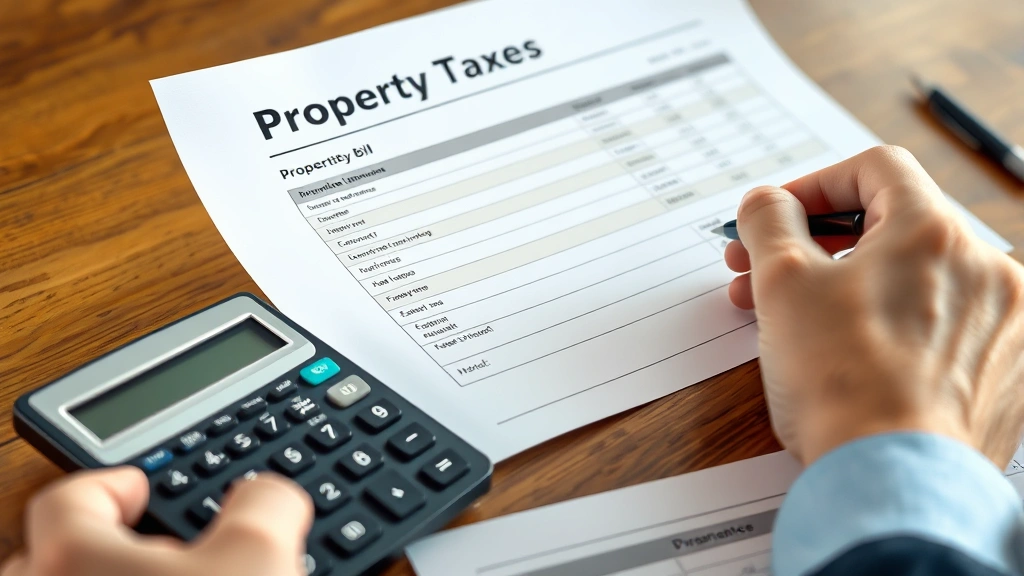
Before sending payment, verify the exact amount owed and the current mailing address with the tax collector’s office. Property tax bills can change due to reassessments or supplemental taxes, so always confirm your balance.
Property Tax Basics
New Jersey property taxes are among the highest in the nation, and Berkeley Township residents pay their share. Understanding how your property tax bill is calculated helps you spot errors and plan your finances.
Your property tax bill is determined by multiplying your assessed property value by the local tax rate. The assessed value isn’t necessarily what you paid for the home—assessors evaluate properties periodically to reflect current market conditions. This is why your neighbors with similar homes might have different tax bills.
Berkeley Township, like all NJ municipalities, must fund schools, police, fire departments, and infrastructure through property taxes. A significant portion of your bill goes to the local school district. If you want to understand where your money goes, ask the tax collector for a breakdown of the tax rate by fund.
Property taxes are typically billed quarterly in New Jersey, with due dates in February, May, August, and November. Some municipalities offer semi-annual or annual billing, so check your specific schedule. You can access Bergen County NJ tax records and similar resources for neighboring areas to understand regional tax trends.
Understanding Payment Deadlines
Missing a property tax deadline in Berkeley Township isn’t like paying a credit card bill a few days late. The consequences escalate quickly, and the financial penalties add up fast.
In New Jersey, property taxes are due on the last day of the month specified on your bill. If that date falls on a weekend or holiday, the deadline extends to the next business day. The tax collector’s office won’t give you a grace period—interest starts accruing immediately after the due date passes.
Here’s what you need to know: if you pay after the deadline, you’ll owe interest at a rate set by New Jersey state law (typically around 8% annually, but it varies). Additionally, if your account becomes seriously delinquent, the municipality can place a tax lien on your property. This lien can damage your credit, complicate refinancing, and eventually lead to foreclosure.

Mark your calendar or set phone reminders for each due date. If you know you’ll be traveling or unable to pay on time, submit payment early. The tax collector won’t penalize you for paying ahead of schedule.
What Happens With Delinquent Taxes
Delinquent property taxes are taken very seriously in New Jersey. The state has strict procedures for collecting unpaid taxes, and the process moves faster than you might expect.
If your property tax payment is 10 days late, interest begins accruing. At 30 days past due, the tax collector typically sends a notice. By 90 days past due, the municipality can file a tax lien against your property. This lien is recorded in the county records and becomes a public matter.
A tax lien means the municipality has a legal claim on your property to satisfy the debt. If you try to sell, refinance, or obtain a home equity loan, the lender will discover the lien and won’t proceed until it’s satisfied. You’ll need to pay the full delinquent amount plus interest and penalties.
In extreme cases—typically after two years of non-payment—New Jersey municipalities can initiate tax foreclosure proceedings. Yes, you can lose your home over unpaid property taxes. This is rare, but it happens.
If you’re struggling to pay, contact the tax collector immediately. Some municipalities offer payment plans or can explain relief programs you might qualify for. Ignoring the problem only makes it worse.
How to Access Tax Records
You have a right to access your property tax records. Whether you need them for refinancing, legal disputes, or simple curiosity, the tax collector’s office must provide them.
Most municipalities now maintain searchable online databases where you can look up your account balance, payment history, and bill details. Visit the Berkeley Township municipal website and look for the tax collector’s portal. You’ll typically need your property account number or address.
If you need certified copies of tax records (required for mortgage applications), you can request them from the tax collector’s office. There’s usually a small fee—typically $5 to $10 per document. Certified copies take 3-5 business days to prepare.
You can also request a tax clearance certificate if you’re selling your property or need proof that your taxes are current. This document confirms that no liens or delinquencies exist on your account. It’s often required as part of the real estate closing process.
For broader tax information across New Jersey, resources like the New Jersey sales tax guide provide context on the state’s overall tax structure.
Tax Exemptions and Relief Programs
New Jersey offers several property tax exemptions and relief programs that can significantly reduce your bill. Many Berkeley Township residents don’t know they qualify.
Senior Citizen Property Tax Deduction: If you’re 65 or older with a limited income, you may qualify for a deduction on your property tax bill. Income limits apply, but the savings can be substantial.
Disabled Person Property Tax Deduction: Similar to the senior program, disabled individuals may qualify for tax relief if they meet income requirements.
Homestead Property Tax Credit: This state program provides a credit to homeowners whose property taxes exceed a certain percentage of their household income. You apply through the state, not the local tax collector.
Veterans’ Exemptions: Disabled veterans and their spouses may qualify for partial or full exemptions on their property taxes.
Clergy Exemptions: Members of the clergy living in parsonages may qualify for exemptions.
To learn about eligibility and apply, contact the tax collector’s office. They can explain which programs fit your situation and guide you through the application process. The sooner you apply, the sooner you can start saving.
Contact Information and Hours
The Berkeley Township tax collector’s office is located within the municipal building in Berkeley Township, Ocean County. The exact address, phone number, and hours vary, so here’s what to do:
Step 1: Visit the official Berkeley Township municipal website (township.berkeley.nj.us or similar).
Step 2: Look for the “Tax Collector” or “Assessor” section.
Step 3: Note the office hours, phone number, and mailing address.
Most municipal offices are open Monday through Friday, 9 AM to 4 PM, though some offer extended hours on certain days. Many are now closed on Fridays or offer limited Friday hours due to staffing.
If you’re calling with questions about your bill, have your property account number or address ready. The staff can quickly pull up your information and answer most questions within minutes.

For routine inquiries like payment confirmation or bill amounts, email is often faster than calling. Check the website for the tax collector’s email address.
Frequently Asked Questions
What if I disagree with my property assessment?
You have the right to challenge your assessment. In New Jersey, you typically must file a complaint with the county Board of Taxation within 45 days of receiving your assessment notice. The tax collector can point you toward the right forms and deadlines. This is separate from the tax collector’s role—assessments are handled by the assessor’s office—but the tax collector can explain the process.
Can I pay my property taxes with a credit card?
Some municipalities accept credit cards, but many don’t because of processing fees. Check with Berkeley Township’s tax collector directly. If they do accept cards, be aware that a convenience fee (typically 2-3%) may be added to your bill.
What happens if I overpay my property taxes?
If you accidentally pay more than you owe, the tax collector will credit the excess to future bills or issue a refund. Request a refund in writing if you prefer cash back rather than a credit.
Do I need to pay property taxes if my home is in probate?
Yes. Property taxes remain due even if the home is in probate or being sold through an estate. The executor or administrator is responsible for paying them. Contact the tax collector to discuss payment arrangements during the probate process.
Can the tax collector help me with state income tax questions?
No. The tax collector handles only local property taxes. For state income tax questions, contact the New Jersey Division of Taxation or consult a tax professional. For federal questions, visit IRS.gov.
What’s the difference between tax collector and assessor?
The assessor determines the value of your property and calculates your assessment. The tax collector collects the taxes based on that assessment. They’re separate offices with different responsibilities.
Final Thoughts
Your relationship with the Berkeley Township NJ tax collector doesn’t have to be stressful. By understanding how property taxes work, knowing your payment deadlines, and exploring available relief programs, you can manage this obligation confidently.
Property taxes fund essential services in your community—schools, police, fire departments, and infrastructure. While the bills are substantial, they’re an investment in your neighborhood’s quality of life.
If you’re ever confused about your bill, behind on payments, or unsure about exemptions, reach out to the tax collector’s office. That’s exactly what they’re there for. They deal with these questions every day and can usually provide straightforward answers that help you move forward.
Stay organized, mark your calendar, and don’t hesitate to ask questions. Proactive communication with your tax collector prevents problems and keeps your property tax situation under control.


