

A Brunswick County tax bill search is your first line of defense when managing property taxes in North Carolina. Whether you’re a homeowner, investor, or new resident, knowing how to locate and understand your tax bill can save you money, help you catch errors, and keep you compliant with local requirements. This guide walks you through everything you need to know about searching for your Brunswick County tax bill in 2024.
Table of Contents
What Is Brunswick County?
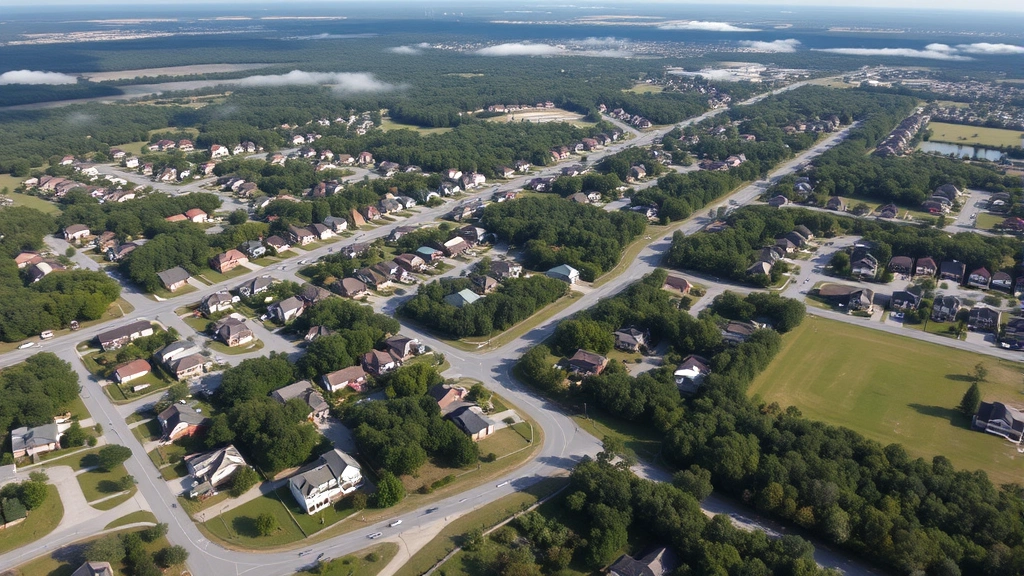
Brunswick County sits in southeastern North Carolina, along the coast near Wilmington. It’s a growing area with a mix of residential properties, commercial real estate, and agricultural land. The county assessor’s office maintains detailed records on every parcel of property within the county’s jurisdiction. Understanding where your property falls within Brunswick County’s tax system is the foundation for any tax bill search.
The county’s tax system operates similarly to other North Carolina counties, but each has its own online portal and search procedures. Brunswick County has modernized its property records access, making it easier than ever to find your tax information from your computer or smartphone.
Why Search Your Tax Bill?
Searching for your Brunswick County tax bill isn’t just bureaucratic busywork—it’s a smart financial move. Here’s why you should do it regularly:
- Verify accuracy: Assessor errors happen. Your square footage, lot size, or property features might be recorded incorrectly, inflating your bill.
- Track payment history: Confirm that your payments posted correctly and on time.
- Plan your budget: Knowing your exact tax liability helps with annual financial planning.
- Catch fraud: Monitoring your property records helps you spot unauthorized liens or claims.
- Prepare for refinancing: Lenders require current tax information when you refinance or sell.
Most people ignore their tax bills until they receive a notice of delinquency. Don’t be that person. A quick search takes five minutes and could save you hundreds of dollars in corrections or penalties.
Online Search Methods
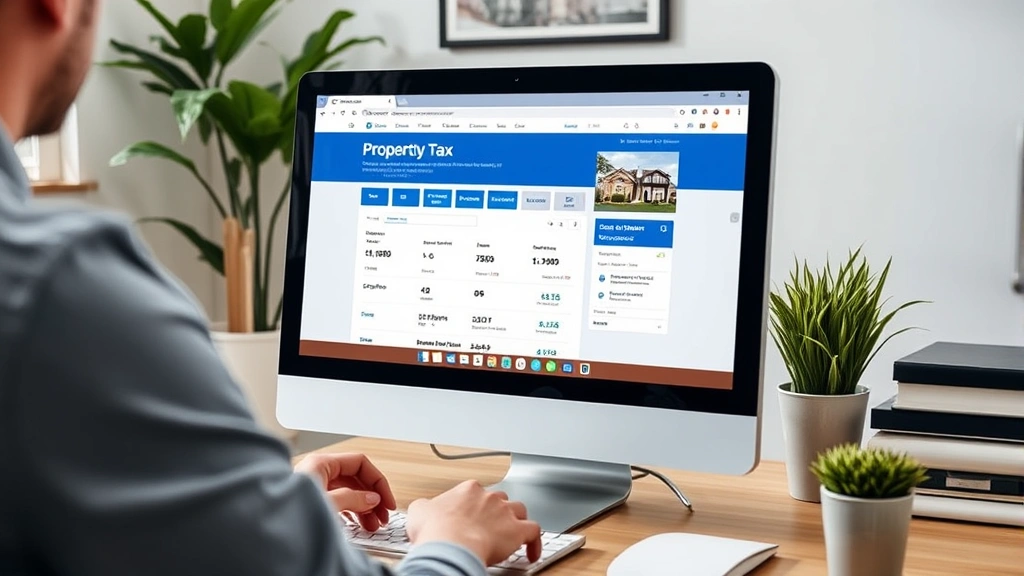
Brunswick County offers multiple ways to search for your tax bill online. The easiest method is through the county’s official tax assessor website or property search portal. You can typically search by:
- Property address: Enter your street address and the system returns your parcel information.
- Parcel number: If you know your parcel ID (found on previous bills or deeds), this is the fastest search method.
- Owner name: Search by the property owner’s first and last name.
- Map reference: Some systems let you search by map grid and block numbers.
The Wake County Real Estate Tax Bill portal offers similar functionality, and many North Carolina counties follow comparable systems. You can also contact the Brunswick County Tax Assessor’s Office directly at their physical location in Bolivia, North Carolina, or by phone during business hours.
Step-by-Step Search Guide
Here’s how to conduct your Brunswick County tax bill search in 2024:
Step 1: Visit the Official Portal
Go to the Brunswick County government website and locate the Tax Assessor’s Office section. Look for a link labeled “Property Search,” “Tax Records,” or “Parcel Lookup.”
Step 2: Choose Your Search Method
Decide whether you’ll search by address, parcel number, or owner name. If you have your parcel number from a previous tax bill, use that—it’s the most direct route.
Step 3: Enter Your Information
Type in the required information. Be precise with addresses (include apartment numbers, if applicable). The system is usually case-insensitive, but exact spelling matters.
Step 4: Review the Results
The system will display your parcel information, including the property address, parcel number, owner name, and a link to view your tax bill or assessment details.
Step 5: Access Your Tax Bill
Click on the tax bill or assessment link. You’ll see your current year’s tax amount, previous years’ balances (if any), and payment information.
Step 6: Download or Print
Most systems allow you to download a PDF of your tax bill. Save this for your records and for payment processing.
The entire process typically takes 3-5 minutes. If you get stuck, the county assessor’s office has staff available to walk you through the search.
Understanding Your Tax Bill
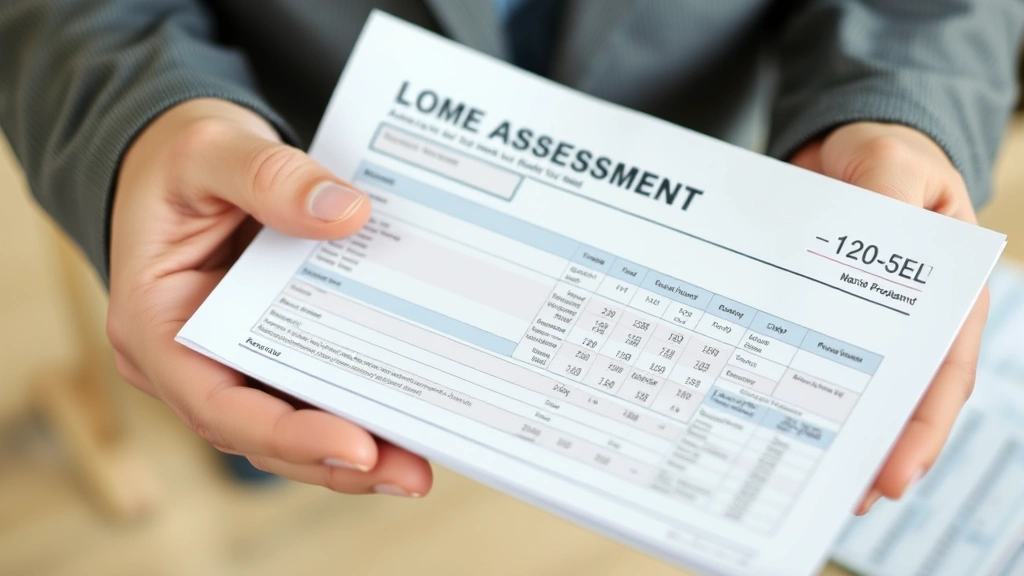
Once you’ve found your Brunswick County tax bill, you need to understand what you’re looking at. Tax bills can be intimidating, but they follow a logical structure:
Assessed Value: This is what the county assessor estimates your property is worth. It’s not the same as market value—it’s typically lower. The assessed value is multiplied by the tax rate to calculate your bill.
Tax Rate: Brunswick County applies a millage rate (expressed as mills per $1,000 of assessed value). For example, if the rate is 0.75 mills and your property is assessed at $300,000, you’d owe $225 in annual taxes.
Tax Amount Due: This is your assessed value times the tax rate. This is the number you actually pay.
Payment Deadline: North Carolina property taxes are typically due on September 1st, with a grace period extending through December 31st. If you pay after January 6th, penalties and interest apply.
Previous Balance: If you see a balance from prior years, you may have a delinquency. Address this immediately to avoid a tax sale.
For comparison, check out resources like the Hennepin County Tax Records guide to see how other counties structure their bills.
Property Tax Basics Explained
Property taxes fund essential services: schools, roads, fire departments, and county infrastructure. In North Carolina, property taxes are a significant revenue source for local governments. Understanding the basics helps you appreciate why you’re paying and how your bill is calculated.
How Assessment Works: The county assessor’s office conducts periodic revaluations of all properties. They use comparable sales data, property condition, square footage, and lot size to estimate fair market value. The assessed value is then a percentage of that estimated value (typically 100% in North Carolina).
Homestead Exemptions: Some homeowners qualify for exemptions that reduce their assessed value. If you’re 65 or older, disabled, or a surviving spouse, you may be eligible. Check with the Brunswick County assessor’s office to see if you qualify.
Tax Rate Determination: The county commissioners set the millage rate annually based on the budget. This rate applies uniformly across the county, though some special districts may have additional rates.
Understanding these mechanics helps you see why your bill might increase year-to-year and what you can do about it. The Is Real Estate Tax and Property Tax the Same article clarifies common terminology confusion.
Common Tax Bill Errors
Tax bills aren’t always perfect. Here are the most common errors found in Brunswick County assessments:
Incorrect Square Footage: The assessor might have your home listed at 2,500 square feet when it’s actually 2,200. This inflates your assessed value. Compare your tax bill to your property deed or appraisal.
Wrong Property Features: Your home might be credited with a pool, extra bathroom, or garage it doesn’t have. Similarly, the assessor might miss an addition you made. These errors directly impact your valuation.
Duplicate Parcels: Occasionally, a property gets split into two parcel numbers, and you’re taxed twice. This is rare but devastating if not caught quickly.
Incorrect Exemptions: If you qualify for a homestead exemption but it’s not applied, you’re overpaying. Verify that any exemptions you’ve claimed are showing on your bill.
Outdated Land Use Classification: If your property was recently rezoned or changed use, the assessor might still be taxing it under the old classification.
If you spot an error, don’t panic. The dispute process is straightforward and free.
How to Dispute Your Assessment
If you believe your Brunswick County tax bill is incorrect, you have the right to appeal. Here’s the process:
Step 1: File a Formal Complaint
Contact the Brunswick County Tax Assessor’s Office and request a Complaint of Value form. You’ll need to explain why you believe the assessment is incorrect and provide supporting documentation.
Step 2: Gather Evidence
Collect comparable property sales, recent appraisals, photographs showing property condition, or documentation of errors in the assessment. The stronger your evidence, the better your case.
Step 3: Submit Before the Deadline
In North Carolina, complaints must typically be filed by March 1st of the tax year in question. Missing this deadline forfeits your right to appeal that year’s assessment.
Step 4: Attend a Hearing (if needed)
The assessor may schedule a hearing to discuss your complaint. Attend in person or send a representative with your documentation.
Step 5: Appeal to the Board of Equalization
If you’re unsatisfied with the assessor’s decision, you can appeal to the Brunswick County Board of Equalization within 30 days of their decision.
The entire process is free and open to all property owners. Many people successfully reduce their assessments through this process—it’s worth the effort.
Payment Options Available
Once you’ve found your Brunswick County tax bill, you need to pay it. The county offers multiple payment methods for your convenience:
Online Payment: Most counties now accept online credit card or bank transfer payments through their official portal. This is the fastest method and gives you an immediate confirmation.
By Mail: Send a check or money order to the Brunswick County Tax Collector’s Office in Bolivia. Include your parcel number on the check.
In Person: Visit the tax office during business hours and pay with cash, check, or card. This guarantees your payment is received immediately.
Automatic Withdrawal: Some counties offer automatic payment plans where funds are withdrawn from your bank account on a set date. This ensures you never miss a payment.

Payment Plans: If you’re facing financial hardship, contact the tax collector’s office about setting up a payment plan. They may work with you to avoid penalties and interest.
Pay before January 6th to avoid penalties. After that date, a 2% penalty is assessed, plus interest accruing monthly. The Indiana Property Tax Lookup guide shows how neighboring states handle similar payment systems.
Frequently Asked Questions
How often should I search my Brunswick County tax bill?
At minimum, search your tax bill once per year when you receive the assessment notice. Many financial advisors recommend searching quarterly to monitor for errors or changes. If you’re planning to sell or refinance, search immediately to have current information ready.
What if I can’t find my property in the online system?
First, verify you’re using the correct address. If the address is spelled differently on your deed or previous bills, try variations. If you still can’t find it, call the Brunswick County Tax Assessor’s Office directly. They can look it up by owner name or parcel number and provide the correct information to use in future searches.
Can I search someone else’s tax bill?
Yes. Property tax records are public information in North Carolina. You can search any property in the county. However, you cannot access payment history or account balances for properties you don’t own—that information is private.
What’s the difference between assessed value and market value?
Assessed value is what the county determines your property is worth for tax purposes. Market value is what your property would actually sell for. The assessed value is usually lower than market value, but they should be in the same ballpark. If they’re dramatically different, you may have grounds for an appeal.
Will my tax bill increase after I make home improvements?
Possibly. If you make significant improvements (new roof, addition, major renovation), the assessor may increase your assessed value when they conduct their next revaluation. Some improvements don’t trigger reassessment if they’re minor or interior-only. Contact the assessor’s office if you’re concerned about a specific project.
What happens if I don’t pay my Brunswick County tax bill?
Unpaid taxes accrue penalties (2%) and interest (8% annually in North Carolina). After three years of non-payment, the county can foreclose on your property and sell it at a tax sale. This is a serious consequence—never ignore a tax bill.
Can I get a property tax exemption in Brunswick County?
Yes, if you qualify. Homestead exemptions are available for senior citizens (65+), disabled individuals, and surviving spouses. Agricultural exemptions exist for qualifying farmland. You must apply through the assessor’s office—exemptions aren’t automatic.
How do I know if my property tax is reasonable?
Compare your effective tax rate (total tax ÷ assessed value) to neighboring properties and county averages. The Santa Barbara County Property Tax guide shows how tax rates vary by region. If your rate is significantly higher, you may have grounds for an appeal.
Conclusion
A Brunswick County tax bill search is one of the easiest and most important financial tasks you can perform as a property owner. Taking 10 minutes annually to locate your bill, verify its accuracy, and ensure timely payment protects you from errors, penalties, and potential foreclosure. The online systems are user-friendly, the process is straightforward, and the stakes are high enough to warrant your attention.
Don’t wait for a delinquency notice to search your bill. Start today, bookmark the Brunswick County assessor’s website, and schedule an annual reminder to review your property tax information. If you spot an error, file a complaint—the appeals process exists for good reason, and thousands of property owners successfully reduce their assessments every year. Your property tax bill doesn’t have to be a mystery. With this guide, you now have the knowledge to take control of your tax situation and make informed financial decisions about your Brunswick County property.


