

Understanding California sales tax in Palo Alto is essential whether you’re a resident, business owner, or frequent shopper in Silicon Valley’s heart. As of 2024, Palo Alto’s combined sales tax rate sits at 8.625%, making it crucial to know what you’re paying and why. This guide breaks down everything from tax rates to exemptions, so you can make smarter purchasing decisions and keep more money in your pocket.
Table of Contents
Palo Alto Sales Tax Rate
The current Palo Alto sales tax rate is 8.625%. This combined rate includes contributions from state, county, and local jurisdictions. While California’s statewide base rate is 7.25%, Palo Alto and Santa Clara County add their own percentages on top, creating that final 8.625% figure you see at checkout.
For context, this rate is slightly lower than some other Bay Area communities but higher than rural California counties. If you’re comparing to sales tax in Orange County, you’ll notice the rates vary significantly across the state depending on local needs and funding.
The rate can change annually, so it’s worth checking the California Department of Tax and Fee Administration (CDTFA) website if you’re planning major purchases or running a business.
How the Rate Breaks Down
Let’s talk specifics. That 8.625% rate breaks down like this:
- California State: 7.25% (base rate across all counties)
- Santa Clara County: 1.25% (county-level addition)
- Palo Alto Local: 0.125% (city-specific measure)
Understanding this breakdown matters if you’re a business owner filing taxes or if you want to know where your tax dollars go. The local portion often funds specific city services—in Palo Alto’s case, these funds support public safety, infrastructure, and community programs.
Different districts within Palo Alto may have slight variations if special assessment districts are involved, so double-check with the city if you’re in a specific neighborhood.
What Is Taxable in Palo Alto
Not everything you buy gets hit with sales tax, but most everyday items do. Here’s what’s generally taxable in Palo Alto:

- Retail merchandise: Clothing, electronics, furniture, toys, and general goods
- Prepared food: Restaurant meals, takeout, coffee shop beverages
- Services with tangible products: Haircuts (the service itself isn’t taxed, but products used may be), car repairs (labor generally isn’t taxed, but parts are)
- Digital goods: E-books, software downloads, streaming subscriptions (though this varies)
- Gasoline and fuel: Already includes excise tax, but sales tax applies on top
The key principle: if you’re getting something tangible in exchange for money, sales tax likely applies. This is why understanding taxable versus non-taxable items helps you budget accurately.
Tax-Exempt Items and Services
Here’s where you catch a break. Several categories are exempt from California sales tax, even in Palo Alto:
- Groceries: Unprepared food items like produce, meat, dairy, and bread (but not hot prepared foods or snacks)
- Prescription medications: Drugs prescribed by a doctor
- Medical devices: Certain equipment like wheelchairs, hearing aids, and prosthetics
- Educational materials: Textbooks and certain school supplies (varies by context)
- Manufacturing equipment: Machinery used directly in manufacturing (for businesses)
- Agricultural products: Seeds, fertilizer, and equipment used in farming
The grocery exemption is huge—buying a week’s worth of groceries in Palo Alto means you’re not paying that 8.625% on those staples. However, if you grab a rotisserie chicken from the deli counter or a prepared salad, that’s taxable because it’s considered prepared food.
Business Sales Tax Obligations
If you own a business in Palo Alto—whether it’s a retail store, restaurant, or service provider—you need to understand your sales tax responsibilities. This ties into broader California LLC tax considerations if you’re structured that way.
Here’s what you need to do:
- Collect sales tax: You’re required to charge customers the 8.625% rate on taxable sales
- Register with CDTFA: Get a seller’s permit before you start operations
- File returns: Monthly, quarterly, or annually depending on your sales volume
- Pay the state: Remit collected taxes to California, keeping your portion of any interest earned
- Keep records: Document all sales and exemptions for audit purposes
Failing to collect or remit sales tax can result in penalties, interest, and audits. The state takes this seriously, so compliance matters even if you’re a small operation.
Online Purchases and Remote Sales
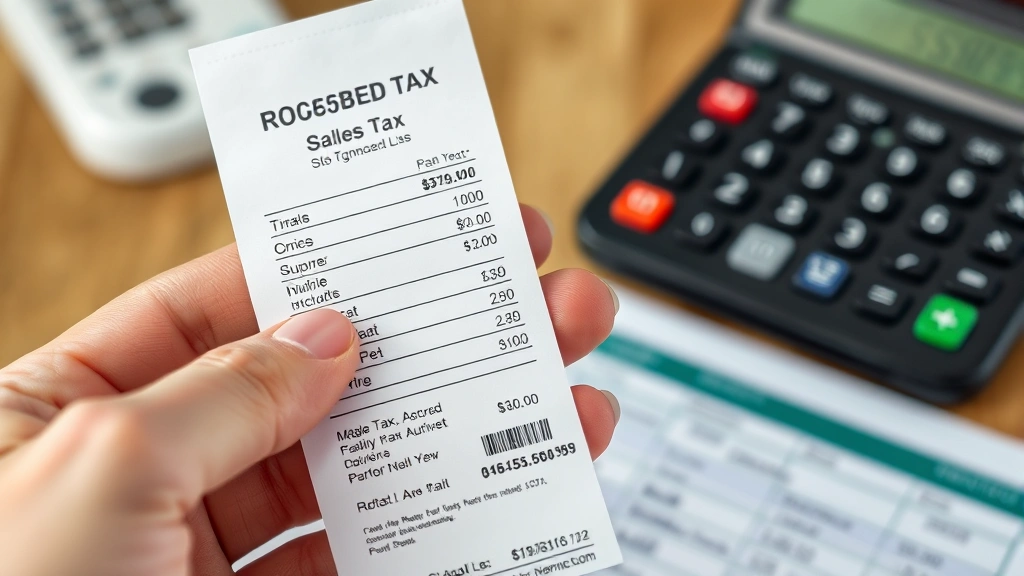
The online sales tax landscape changed dramatically in recent years. As of now, most online retailers must collect sales tax on purchases shipped to California, including Palo Alto, regardless of where the seller is located.
This means:
- Amazon, Walmart, Target, and major retailers automatically charge 8.625% on Palo Alto orders
- Smaller online sellers are also required to collect if they meet California’s sales thresholds
- You’re responsible for paying “use tax” if a seller doesn’t collect (though few people actually do this)
If you’re buying from out-of-state sellers who don’t collect California tax, technically you owe use tax on those purchases. In practice, this is rarely enforced for individuals, but businesses should be aware of this obligation.
Resale Certificates Explained
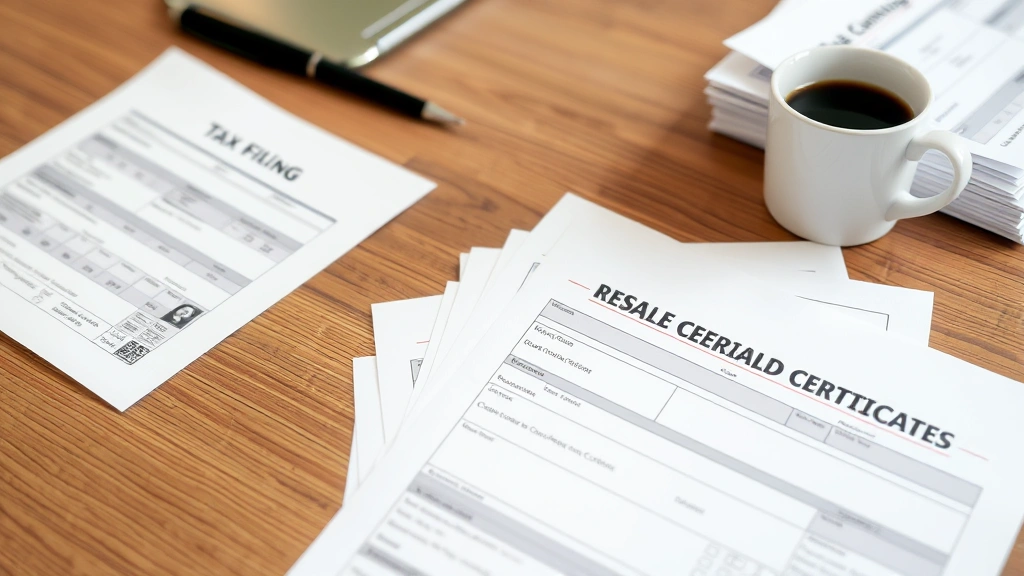
If you’re a business buying inventory to resell, you don’t pay sales tax on those purchases—you collect it from your customers instead. This is where resale certificates come in.
A resale certificate (also called a reseller’s permit) lets you buy wholesale without paying sales tax. Here’s how it works:
- You provide your supplier with a resale certificate showing your seller’s permit number
- The supplier doesn’t charge you sales tax on the items
- You then sell those items to customers and collect sales tax
- You remit that collected tax to California
This prevents tax from being charged multiple times down the supply chain. If you’re a Palo Alto business owner, you’ll need this certificate from day one. The CDTFA can provide templates and guidance.
Filing Deadlines for Sellers
If you collect sales tax in Palo Alto, you need to file returns on schedule. Missing deadlines triggers penalties and interest, so mark your calendar:
- Monthly filers: File by the last day of the following month
- Quarterly filers: File by the last day of the month following the quarter
- Annual filers: File by March 31 of the following year (only for very small sellers)
You can file online through the CDTFA’s website, which is faster and more reliable than paper returns. Many business owners use accounting software that integrates with California’s filing system to automate this process.

Late payments accrue interest at 1.5% per month, so even a few weeks late gets expensive quickly. If you’re struggling with cash flow, contact the CDTFA about payment plans before you miss a deadline.
Common Sales Tax Mistakes
After years of helping clients navigate California taxes, I’ve seen these mistakes repeatedly:
Mistake #1: Assuming all food is tax-exempt. Hot prepared foods, candy, and beverages are taxable. Cold, unprepared groceries are not. This trips up both consumers and new business owners.
Mistake #2: Not collecting tax on services. Some services are taxable (like haircuts with products), while others aren’t (pure labor). Know your category or consult the CDTFA.
Mistake #3: Forgetting about use tax. If you buy items out-of-state without paying California tax, you technically owe use tax. Businesses especially should track this.
Mistake #4: Mixing personal and business purchases. If you buy supplies that are partly personal and partly business, you need to split them correctly for tax purposes.
Mistake #5: Not keeping resale certificates on file. If you claim resale exemption but don’t have documentation, the state can assess back taxes. Keep everything organized.

For broader tax strategy, understanding how sales tax fits into your overall California tax picture—including estimated taxes and other obligations—helps you avoid costly mistakes.
Frequently Asked Questions
Is Palo Alto sales tax higher than other Bay Area cities?
Palo Alto’s 8.625% rate is moderate for the Bay Area. Some cities like San Francisco (8.625%) match it, while others like Oakland (10.25%) are higher. Rural areas tend to be lower. The difference usually comes down to local tax measures voters approved for specific projects.
Do I pay sales tax on groceries in Palo Alto?
No, unprepared groceries like produce, bread, and dairy are exempt. However, prepared foods (rotisserie chicken, deli salads, bakery items) and non-food items (paper products, toiletries) are taxable. When in doubt at checkout, ask the cashier.
What happens if a business doesn’t collect sales tax?
The state can assess back taxes, penalties, and interest. For serious cases, criminal charges are possible. The CDTFA audits businesses regularly, especially high-volume retailers. Compliance is worth the effort.
Can I deduct sales tax I pay as a consumer?
Not on federal taxes anymore (this deduction expired). California doesn’t allow a state-level deduction either. However, if you’re a business, sales tax on business purchases may be deductible as a business expense depending on the item.
Do I owe sales tax on items I buy online from out-of-state sellers?
Most major online sellers now collect California sales tax automatically. If they don’t, you technically owe use tax, though enforcement for individuals is rare. Businesses should track and report these purchases.
How do I get a seller’s permit for a Palo Alto business?
Register online with the CDTFA at onlineservices.cdtfa.ca.gov. It’s free and takes about 15 minutes. You’ll get your permit number immediately, though the physical permit arrives by mail.
What’s the difference between sales tax and use tax?
Sales tax is collected by the seller at point of sale. Use tax is what you owe if you buy something tax-free (like out-of-state) and bring it into California. They’re essentially the same rate—both 8.625% in Palo Alto—but use tax is your responsibility to report and pay.
Final Thoughts on Palo Alto Sales Tax
Understanding California sales tax in Palo Alto isn’t glamorous, but it’s practical knowledge that saves you money and keeps you compliant. Whether you’re budgeting for purchases, running a business, or just curious about where your tax dollars go, knowing that 8.625% rate and what it covers puts you ahead of most people.
If you’re a business owner, take compliance seriously—the state’s tracking systems are sophisticated, and penalties are steep. If you’re a consumer, use the exemptions available (hello, tax-free groceries) and be aware of what triggers that 8.625% charge.
For broader tax planning in California, consider how sales tax fits into your overall picture alongside capital gains tax and other obligations. And if you own property, understanding property tax reassessment rules helps you plan long-term.
Need help with more complex California tax questions? The CDTFA’s website is your friend, and don’t hesitate to consult a tax professional if you’re running a business or have unusual situations. Getting it right the first time beats dealing with audits later.


