

Let’s be real: when most people hear “excise tax,” their eyes glaze over. But here’s the thing—excise taxes are quietly eating into your wallet every single day, whether you’re buying gas, cigarettes, alcohol, or even certain medical devices. If you live in Massachusetts or anywhere else in the US, understanding excise tax isn’t just tax nerd stuff; it’s about keeping more money in your pocket.
An excise tax is a flat tax applied to specific goods or services—think of it as a hidden surcharge on top of regular sales tax. Unlike income tax or FICA tax on your paycheck, excise taxes target particular products the government wants to discourage (cigarettes, alcohol) or fund specific programs (fuel taxes fund road maintenance). The problem? Most people don’t even realize they’re paying them.
In this guide, we’ll walk through what excise tax actually is, where it shows up, how much it costs you, and—most importantly—how to minimize the impact on your finances. Whether you’re in Massachusetts dealing with state-level excise taxes or anywhere else, this is the real-talk breakdown you need.
What Is Excise Tax and How Does It Work?
Think of excise tax like a subscription fee for things the government wants to control or fund. Unlike a general sales tax that applies to almost everything you buy, an excise tax targets specific products or activities. It’s baked into the price you pay at the pump, the register, or even when you buy airline tickets.
Here’s the key difference: when you buy a coffee, you pay sales tax. When you buy a gallon of gas, you pay sales tax and excise tax. The excise tax is separate and usually higher per unit. The government collects these taxes and either uses them to discourage consumption (like tobacco taxes) or to fund specific infrastructure or programs (like fuel taxes going to road maintenance).
Excise taxes can be structured as:
- Per-unit taxes: A flat amount per gallon, cigarette pack, or item (e.g., $0.18 per gallon of gasoline)
- Ad valorem taxes: A percentage of the product’s value (e.g., 11% on luxury goods)
- Occupational taxes: Fees for engaging in specific activities (e.g., fishing licenses, hunting permits)
The tricky part? Excise taxes are often invisible. You don’t see a line item on your receipt saying “excise tax: $0.45.” It’s already baked into the price. That’s why most people don’t realize how much they’re paying.
If you’re trying to understand all the taxes eating into your paycheck, you might also want to check out hidden paycheck calculator tricks to see where else money is slipping away.
Types of Excise Taxes You Actually Pay
The most common excise taxes hit you in four major categories. Let’s break down each one so you know exactly where your money is going.
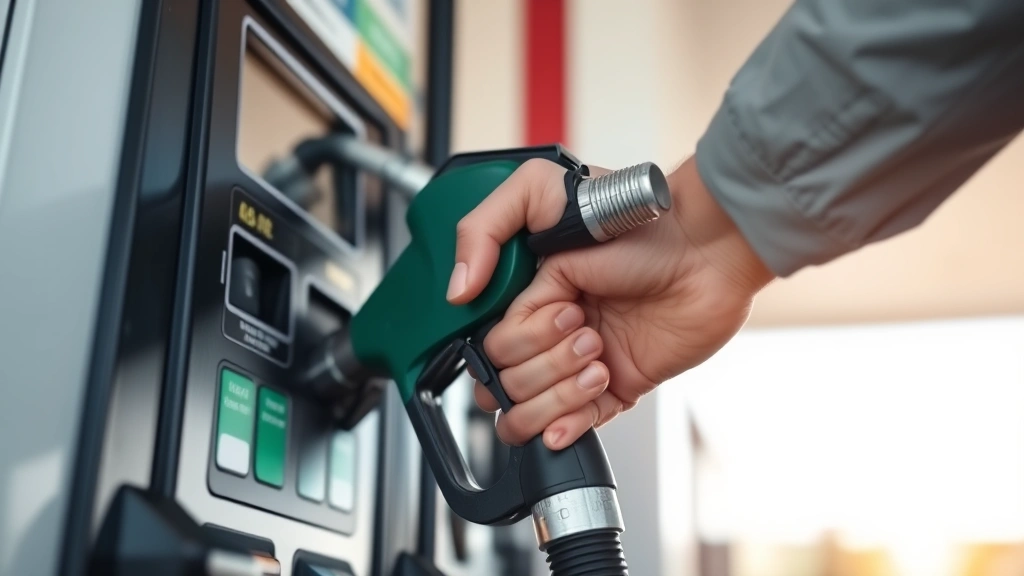
Fuel Excise Taxes: This is probably the biggest one you pay. Federal excise tax on gasoline is $0.184 per gallon, and diesel is $0.244 per gallon. Most states add their own layer on top. Massachusetts, for example, has a state excise tax on fuel. If you’re filling up a 15-gallon tank once a week, that’s roughly $2.76 in federal excise tax alone—over $143 per year—before state taxes kick in.
Alcohol and Tobacco Excise Taxes: These are “sin taxes,” designed to discourage consumption and fund public health programs. Federal excise tax on cigarettes is $1.01 per pack. A pack-a-day smoker pays over $368 per year in federal excise tax alone. Add state taxes (Massachusetts adds significant state excise tax on cigarettes), and you’re looking at $500+ annually in excise taxes on tobacco. Beer, wine, and spirits all carry federal excise taxes too.
Medical Device and Health-Related Excise Taxes: This one surprises people. There’s a 2.3% federal excise tax on certain medical devices (pacemakers, artificial joints, etc.). If you need a medical device, this tax gets passed to you through higher healthcare costs. It’s less visible than fuel tax, but it’s there.
Luxury and Miscellaneous Excise Taxes: The federal government also taxes certain luxury items like private aircraft, yachts, and fishing equipment. Some states have excise taxes on hotel rooms, rental cars, and even sports betting.
According to Investopedia’s breakdown of excise taxes, Americans pay an estimated $60+ billion annually in excise taxes across all categories. That’s not chump change.
Excise Tax in Massachusetts: State-Specific Breakdown
If you’re in Massachusetts, you’re dealing with both federal and state excise taxes. Massachusetts is particularly aggressive with excise taxes, especially on fuel, alcohol, and tobacco. Let’s get specific.
Massachusetts Fuel Excise Tax: Massachusetts charges $0.264 per gallon on gasoline (as of recent rates). Combined with the federal $0.184, you’re paying $0.448 per gallon in excise tax before sales tax. For someone driving 12,000 miles per year in a car that gets 25 mpg, that’s 480 gallons annually. You’re paying roughly $215 per year in fuel excise taxes in Massachusetts alone.
Massachusetts Tobacco Excise Tax: Massachusetts has one of the highest tobacco excise taxes in the nation at $3.51 per pack (state excise tax). Add the federal $1.01, and a pack costs $4.52 in excise taxes before the base price of the cigarette. A pack-a-day habit costs you over $1,600 annually just in excise taxes.
Massachusetts Alcohol Excise Tax: Beer is taxed at $0.11 per gallon in Massachusetts. Wine varies by type, and spirits are higher. If you’re a casual drinker (say, 2-3 beers per week), you’re paying roughly $11-17 per year in state excise tax on beer alone. Not huge, but it adds up.
Massachusetts also has excise taxes on:
- Hotel rooms (5.7% on room charges)
- Rental cars (10% excise tax)
- Short-term rentals through platforms like Airbnb (14.45% in Boston, varies by municipality)
- Marijuana (10% state excise tax plus local option tax)
The good news? Understanding these taxes helps you make smarter purchasing decisions. For more on maximizing your take-home in Massachusetts, check out our Massachusetts paycheck calculator guide.
Federal Excise Taxes: The Hidden Costs
Beyond what states charge, the federal government is collecting excise taxes on dozens of products and services. Many of these are so embedded in the price that you never see them coming.
Fuel: As mentioned, $0.184 per gallon on gasoline. This has been flat since 1993, which means it’s worth less in real dollars than it was 30 years ago due to inflation.
Alcohol: Federal excise tax on beer is $0.11 per gallon, wine varies ($1.07-$3.30 per gallon depending on type), and spirits are $13.50 per proof gallon. If you have a drink a day, you’re paying roughly $40-50 per year in federal excise tax on alcohol.
Tobacco: $1.01 per pack of cigarettes, $0.105 per small cigar, and $0.50 per pipe tobacco ounce. Smokeless tobacco is $0.50 per ounce.
Airline Tickets: There’s a 7.5% federal excise tax on domestic airline tickets. Book a $300 flight, and you’re paying $22.50 in excise tax. Take four round trips per year for business, and that’s $180 annually.
Firearms and Ammunition: 11% federal excise tax on firearms and ammunition. A $500 firearm costs $55 in excise tax.
Fishing Equipment: 10-11% excise tax on fishing rods, reels, and tackle.
For a comprehensive breakdown of federal excise taxes, the IRS.gov excise tax page has the official rates and regulations.
How to Calculate Your Excise Tax Impact
Here’s where it gets practical. Let’s calculate how much excise tax you’re actually paying annually.
Step 1: Identify Your Excise Tax Exposure
Make a list of everything you buy that’s subject to excise tax:
- Gasoline (gallons per month × 12)
- Alcohol (drinks per week × 52)
- Tobacco (if applicable)
- Airline tickets (number of flights per year)
- Hotel stays (nights per year × average room rate)
- Rental cars (days per year)
- Other luxury items or hobbies
Step 2: Multiply by Tax Rates
For each category, multiply your annual consumption by the applicable excise tax rate. For example:
- Gas: 480 gallons/year × $0.448/gallon (federal + MA) = $215
- Airline tickets: 4 flights × $300 average × 7.5% = $90
- Hotel stays: 10 nights × $150/night × 5.7% = $86
Step 3: Add It Up
Total these amounts to see your annual excise tax burden. For an average Massachusetts resident who drives regularly, takes occasional flights, and stays in hotels for business, the number might be $400-600+ per year.
If you’re self-employed or a business owner, you might also be paying federal unemployment tax and other employment taxes on top of excise taxes, which makes tax planning even more critical.
Smart Strategies to Reduce Your Excise Tax Burden
Okay, here’s the real talk: you can’t eliminate excise taxes entirely. But you can absolutely reduce your exposure. Let’s get tactical.
Reduce Fuel Consumption
This is the biggest lever for most people. Every gallon of gas you don’t buy saves you $0.448 in excise tax (plus sales tax). Consider:
- Carpooling or public transit: If you can cut your gas consumption by 25%, that’s roughly $50+ per year in excise tax savings.
- Electric or hybrid vehicles: No fuel excise tax on electricity. An EV owner paying for 12,000 miles of electricity instead of gas saves roughly $215 per year in fuel excise tax alone. Over 10 years, that’s $2,150.
- Working from home: Even 2 days per week reduces fuel consumption by 40%, saving $86/year in excise tax.
Pro Tip: If you’re self-employed or run a business, vehicle fuel costs might be deductible. You could deduct the full fuel cost (including excise tax) if it’s for business use. That’s a partial offset to the excise tax burden. Keep detailed mileage logs.
Eliminate or Reduce Tobacco and Alcohol Consumption
This one’s obvious but worth stating: not buying cigarettes saves $4.52+ per pack in excise taxes (plus the base price). If you’re a pack-a-day smoker, quitting saves $1,650+ per year in excise taxes alone. That’s life-changing money.
For alcohol, moderate consumption naturally reduces excise tax exposure. You don’t have to quit; just be intentional.
Optimize Travel and Lodging
- Book flights strategically: The 7.5% excise tax applies to the ticket price. Cheaper tickets = lower excise tax. Use flight comparison tools and book in advance.
- Choose hotels over short-term rentals: Hotels in Massachusetts have a 5.7% excise tax, but Airbnb and similar platforms can have higher local option taxes (up to 14.45% in Boston). A $150 hotel night costs $8.55 in excise tax; the same Airbnb might cost $21.68. That’s $13 per night in extra excise tax.
- Consider business travel deductions: If you’re traveling for business, these costs might be deductible. That doesn’t eliminate the excise tax you pay, but it reduces your taxable income, which can offset the excise tax burden.
Business Owners: Understand Deductibility
If you own a business, certain excise taxes might be deductible business expenses. For example:
- Fuel for company vehicles is deductible
- Business travel (including airline tickets and hotels) is deductible
- Equipment purchases subject to excise tax might be deductible or eligible for depreciation
This doesn’t eliminate the excise tax, but it does reduce your taxable income. If you’re in a 24% tax bracket and have $1,000 in deductible excise tax expenses, you save $240 in income tax. Over time, that adds up.
For more on business tax strategies, check out our guide on tax amortization benefits.
Leverage Tax-Advantaged Accounts
This is indirect but powerful. If you maximize contributions to 401(k)s, HSAs, or other tax-advantaged accounts, you reduce your taxable income. That lower taxable income means lower overall tax burden, which can partially offset the impact of excise taxes you can’t avoid.
Warning: Don’t get creative trying to avoid excise taxes. The government takes excise tax compliance seriously. Businesses that underreport fuel purchases or misclassify products to avoid excise taxes face steep penalties and potential criminal charges. It’s not worth it.
Compliance and Audit Risks You Should Know
For most individuals, excise tax compliance is automatic—it’s built into the price at the pump or register. But if you’re a business owner, contractor, or someone who buys products in bulk, there are compliance issues to know about.
Fuel Excise Tax Compliance for Businesses
If your business uses significant amounts of fuel (construction, transportation, agriculture), you need to track fuel purchases carefully. The IRS can audit fuel excise tax claims. Keep receipts and maintain detailed records of:
- Fuel purchased for business use
- Fuel purchased for personal use
- Dates and amounts
- Vehicle mileage logs
Misclassifying personal fuel as business fuel is a red flag for audits.
Resale Certificates and Exemptions
Some businesses and nonprofits are exempt from certain excise taxes. For example, if you’re a reseller, you might not pay excise tax on inventory. But you need proper documentation (resale certificates). The IRS takes these seriously.
Reporting Requirements
If you’re self-employed or run a business, excise taxes paid might be reportable on your tax return. Some excise taxes are deductible; others aren’t. Common mistakes include:
- Claiming fuel excise tax as a deduction when it should be part of vehicle operating costs
- Not distinguishing between business and personal fuel use
- Forgetting to track excise taxes on equipment purchases
When in doubt, consult a tax professional. The cost of a consultation is often less than the penalties for getting it wrong.
State-Level Compliance in Massachusetts
Massachusetts has specific reporting requirements for fuel excise taxes. If you’re a fuel distributor or bulk purchaser, you need to register with the Massachusetts Department of Revenue. Failure to do so can result in penalties and interest.
For individual taxpayers in Massachusetts, compliance is usually straightforward—the excise tax is collected at the pump. But if you’re buying fuel for a business or claiming fuel-related deductions, document everything.
If you’re also dealing with payroll taxes, make sure you understand SDI tax and other employment-related taxes. They’re separate from excise taxes but equally important for compliance.
Frequently Asked Questions
What’s the difference between excise tax and sales tax?
– Sales tax is a general tax applied to most retail purchases (typically 6-8%). Excise tax is a specific tax on particular products (fuel, alcohol, tobacco, etc.) and is usually higher per unit. You can pay both on the same item. For example, when you buy a pack of cigarettes, you pay the base price, plus excise tax, plus sales tax on the total.
Is excise tax deductible on my personal tax return?
– For individuals, most excise taxes are not directly deductible on your personal return. However, if you’re self-employed or a business owner, excise taxes on business-related purchases (fuel, equipment, travel) might be deductible as business expenses. Consult a tax professional to determine what applies to your situation.
Why do some states have higher excise taxes than others?
– States set their own excise tax rates based on policy goals and revenue needs. States with higher fuel excise taxes typically use that revenue for road maintenance and infrastructure. States with higher tobacco excise taxes are trying to discourage smoking and fund public health programs. Massachusetts tends toward higher excise taxes across the board, which is why residents pay more.
Can I claim a credit for excise taxes paid?
– In some cases, yes. For example, if you’re a business that paid federal fuel excise tax on fuel used for off-road purposes (like farming), you might be eligible for a fuel tax credit. However, this is limited and requires specific documentation. Check with the IRS or a tax professional.
How much does the average American pay in excise taxes annually?
– The average varies widely based on consumption habits. Someone who drives 12,000 miles per year, takes 2-3 flights, and stays in hotels occasionally might pay $400-600 annually. A heavy driver or frequent flyer could pay $1,000+. Someone who doesn’t drive and doesn’t travel might pay under $100.
Are electric vehicles exempt from excise taxes?
– Electric vehicles don’t pay fuel excise tax because they don’t use gasoline. However, some states are exploring excise taxes or fees on EVs to replace lost fuel tax revenue. As of now, EVs offer significant excise tax savings, which is one reason they’re becoming more popular.
What happens if I don’t pay excise taxes?
– For individuals, excise taxes are usually collected automatically at the point of sale, so you can’t “not pay” them. For businesses, failing to pay excise taxes or misreporting them can result in penalties, interest, and potential criminal charges. The IRS takes excise tax compliance seriously.
Can I reduce my excise tax burden through tax planning?
– Indirectly, yes. By reducing consumption of excise-taxed products (especially fuel), you pay less excise tax. For business owners, ensuring that excise taxes on business expenses are properly deducted can reduce overall tax burden. Also, maximizing tax-advantaged retirement contributions can offset some of the impact of unavoidable excise taxes.
Bottom Line: Excise taxes are real money leaving your wallet every single day. In Massachusetts, you’re paying more than most states. But understanding where these taxes are hiding—and making intentional choices about consumption—can save you hundreds per year. For most people, the biggest opportunity is reducing fuel consumption through carpooling, remote work, or switching to an EV. For business owners, proper documentation and deduction of excise taxes on business expenses is critical. Don’t ignore these taxes; they’re too big to overlook.


