

Buying a luxury car feels amazing—until the tax bill shows up. Whether you’re eyeing a Tesla Model S, a BMW, or a Mercedes-Benz, understanding luxury car tax news and how these taxes actually work can save you thousands of dollars. The truth? Most luxury car buyers have no idea how much they’re really paying in taxes, and that’s costing them big time.
Here’s the real talk: luxury car taxes aren’t just about sales tax. There are excise taxes, registration fees, and state-specific levies that can add 10-20% (or more) to your purchase price. And the rules keep changing. Some states are cracking down harder on luxury vehicles, while others are introducing new incentives or penalties. If you’re serious about making a smart investment in a luxury car, you need to understand what’s happening right now in the luxury car tax landscape.
In this guide, we’ll break down the current luxury car tax news, explain which taxes apply to you, show you where the biggest costs hide, and give you strategies to minimize what you owe. Let’s dive in.
What Is Luxury Car Tax?
A luxury car tax is a special tax imposed on high-priced vehicles. Think of it like a “wealth tax” on cars—the more expensive your ride, the more you pay in taxes. But here’s where it gets confusing: there’s no single definition of what makes a car “luxury” for tax purposes. Different states and the federal government draw the line in different places.
At the federal level, the U.S. imposes an excise tax on certain vehicles, but the rules have changed dramatically in recent years. Some states (like Washington) have aggressive luxury vehicle taxes, while others have none at all. And then there are registration fees, which can vary wildly depending on where you live and the value of your car.
The bottom line? Luxury car taxes are a patchwork of federal rules, state laws, and local fees. Missing any of them can cost you serious money.
Federal Excise Tax on Luxury Cars
The federal government used to have a luxury car excise tax that applied to vehicles over a certain price threshold. That tax was repealed in 2002, so there’s no current federal excise tax on passenger vehicles. However, this is important to understand because proposals to reinstate or modify these taxes pop up regularly in Congress.
What does exist federally is the electric vehicle tax credit, which is actually the opposite of a luxury car tax—it’s a subsidy. If you buy a qualifying EV, you can get up to $7,500 back on your taxes. But there are income limits and vehicle price caps, so not all luxury EVs qualify.
For traditional gasoline-powered luxury cars, there’s no federal excise tax today. But watch the news—Congress periodically considers bringing back luxury taxes as a revenue-raising measure. If you’re planning a luxury car purchase in the next few years, keep an eye on federal tax legislation.
State-Specific Luxury Car Taxes
This is where things get real. States are increasingly using luxury car taxes as a way to raise revenue, especially as vehicle sales shift toward electric vehicles. Here are the major players:
- Washington State: One of the most aggressive. Washington imposes a 2% excise tax on vehicle sales over $250,000. This is in addition to sales tax and registration fees. Check out our detailed breakdown of Washington State Excise Tax to understand the full impact.
- California: No specific luxury car excise tax, but California has the highest sales tax in the nation (up to 10.75% depending on county). Plus, luxury car owners pay higher registration fees based on vehicle value.
- New York: New York has proposed luxury car taxes multiple times. Currently, there’s no statewide luxury excise tax, but some localities have implemented their own.
- Massachusetts: No luxury car tax, but registration fees are relatively high.
- Colorado: Colorado recently passed a 3% excise tax on vehicles over $55,000, effective January 2024. This is one of the newer luxury car taxes to watch.
The trend is clear: more states are adopting luxury car taxes. If you’re considering a purchase, check your state’s current rules before you buy.
Washington State & RTA Excise Tax
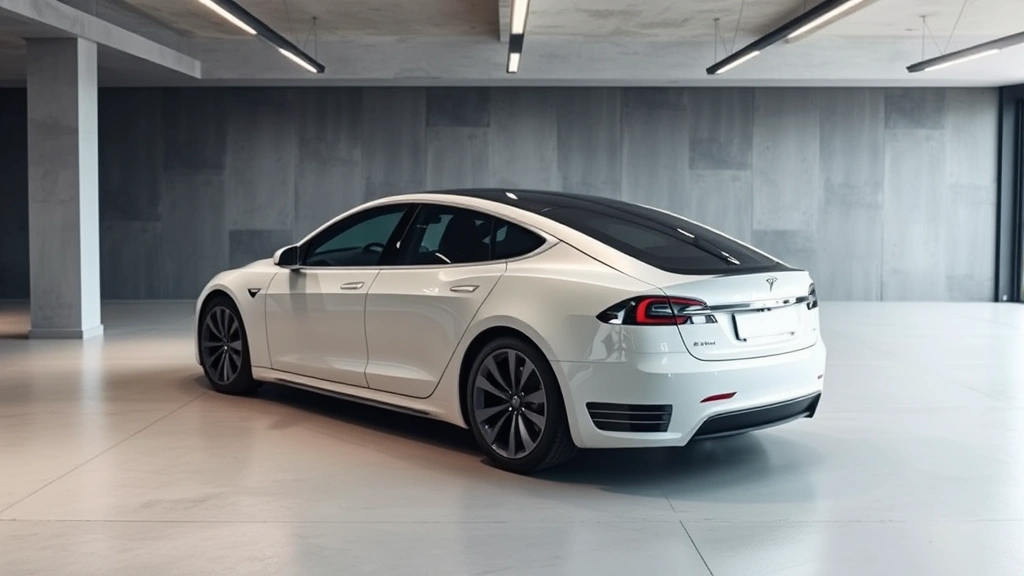
Washington State is a case study in aggressive luxury car taxation. Beyond the 2% excise tax on vehicles over $250,000, Washington also has the RTA Excise Tax—a regional transportation tax that varies by county.
Here’s how it works: Washington’s RTA (Regional Transportation Authority) excise tax is an additional tax on vehicle purchases, and some counties have implemented higher rates. Combined with the state excise tax, registration fees, and sales tax, a luxury car purchase in Washington can trigger total taxes exceeding 15% of the purchase price.
Let’s say you buy a $300,000 luxury car in Washington:
- Sales Tax (varies by county, typically 8-10%): ~$24,000–$30,000
- State Excise Tax (2% on amount over $250,000): ~$1,000
- RTA Excise Tax (varies): ~$1,500–$3,000
- Registration & Licensing: ~$500–$1,000
- Total Tax Burden: ~$27,000–$35,000
That’s why understanding Washington’s specific rules is critical if you live there. Many luxury car buyers in Washington are exploring strategies like purchasing in neighboring states or timing purchases around tax law changes.
Registration Fees & Hidden Costs
Here’s where a lot of luxury car buyers get blindsided: registration fees. While they seem like a small line item, they can add up fast—especially if your state bases registration fees on vehicle value.
In many states, your annual registration fee is calculated as a percentage of your car’s assessed value. So a $200,000 car might have a $500–$1,500 annual registration fee, depending on the state. Over 10 years of ownership, that’s $5,000–$15,000 in registration costs alone.
Other hidden costs include:
- Luxury Tax (some states): A percentage of the purchase price, separate from sales tax.
- Vehicle Inspection Fees: Usually small, but required annually or biannually.
- Title & Documentation Fees: Typically $50–$300, but varies by state.
- Dealer Fees: These aren’t taxes, but dealers often charge documentation, handling, or “destination” fees that can reach $1,000+.
Pro tip: When calculating the true cost of a luxury car, add 15–20% to the sticker price to account for all taxes and fees. This gives you a realistic picture of what you’re actually paying.
Electric Vehicles & Tax Incentives
If you’re considering a luxury EV, the tax situation changes dramatically. The federal EV tax credit can offset some of your purchase costs, but there are strict eligibility requirements.
As of 2024, the federal EV tax credit is up to $7,500, but:
- Your income must be below certain thresholds (roughly $300,000 for joint filers).
- The vehicle’s final assembly must be in North America.
- The vehicle’s price can’t exceed $60,000 (for sedans) or $80,000 (for SUVs/vans).
- Battery component and mineral requirements apply.
This means many luxury EVs (like high-end Teslas, BMWs, or Porsche electric models) don’t qualify for the full credit—or any credit at all. However, some luxury EVs do qualify, so it’s worth checking the official EV tax credit eligibility tool before you buy.
Additionally, some states offer their own EV incentives or rebates. California, for example, offers additional state rebates for EV purchases (though eligibility is limited). Check your state’s incentive programs—they can reduce your net cost by $1,000–$5,000.
Strategies to Minimize Luxury Car Taxes
Now that you understand the taxes, let’s talk strategy. Here are legitimate ways to reduce your luxury car tax burden:
1. Time Your Purchase Strategically
Some states have announced changes to luxury car taxes. If a new tax is coming, buying before it takes effect can save you thousands. Conversely, if tax credits are expiring (like some EV incentives), buying before the deadline matters. Stay informed about upcoming tax changes in your state.
2. Consider the Total Cost of Ownership
A $200,000 car in Washington costs more than a $200,000 car in Texas (which has no state income or luxury car tax). If you’re considering relocation or have flexibility on where you buy, factor in the tax implications. Some luxury car buyers have strategically purchased in lower-tax states and registered there, though this requires genuine residency.
3. Explore Lease vs. Buy
Leasing a luxury car can sometimes result in lower overall taxes because you’re not paying sales tax on the full purchase price—you’re only paying tax on the monthly lease payments. The math depends on your situation, but it’s worth running the numbers with your dealer or tax advisor.
4. Look for EV Incentives
If you’re buying a luxury EV that qualifies for federal or state tax credits, that’s real money back in your pocket. A $7,500 federal credit plus a $2,500 state rebate equals $10,000 off your purchase price. That’s significant.
5. Negotiate Sales Tax into the Deal
Some dealers will negotiate the price of the car itself, which affects the sales tax you pay. If you negotiate a $5,000 discount on a $200,000 car, you also save roughly $500 in sales tax (at 10% tax rate). It’s not huge, but every bit helps.
6. Understand Trade-In Tax Benefits
In most states, when you trade in a vehicle toward a new purchase, the trade-in value reduces the taxable amount. So if you’re buying a $250,000 luxury car and trading in a $50,000 vehicle, you only pay tax on $200,000. This is a legitimate and common way to reduce your tax burden.
Pro Tip: If you’re buying a luxury car, get a pre-purchase tax estimate from your dealer or a tax professional. Knowing your exact tax liability before you sign anything prevents surprises at closing.
For more context on how taxes work on major purchases, check out our guide on Mello-Roos Tax to understand how special assessments can impact property and vehicle ownership costs.
Frequently Asked Questions
Is there a federal luxury car tax in 2024?
– No, there is no federal excise tax on passenger vehicles in 2024. The federal luxury car tax was repealed in 2002. However, there are federal EV tax credits (up to $7,500) that can offset the cost of qualifying electric vehicles. Congress periodically considers reinstating luxury taxes, so this could change in the future.
Which states have the highest luxury car taxes?
– Washington State has the most aggressive luxury car taxes, with a 2% excise tax on vehicles over $250,000 plus RTA excise taxes in some counties. Colorado recently implemented a 3% excise tax on vehicles over $55,000. California doesn’t have a specific luxury car excise tax, but has high sales taxes (up to 10.75%) and value-based registration fees. Check your specific state for current rates.
Can I avoid luxury car taxes by buying in a different state?
– Technically, you can buy a car in a lower-tax state, but you’ll owe taxes in your state of residence when you register the vehicle. The IRS and state tax authorities track vehicle registrations, so attempting to avoid taxes by registering out-of-state is considered tax evasion. However, if you’re genuinely relocating, buying in your new state before moving is legitimate.
Do luxury car taxes apply to used vehicles?
– Yes, in most states, luxury car taxes apply to both new and used vehicles. The tax is typically based on the purchase price, not the vehicle’s original MSRP. So if you buy a used $300,000 luxury car, you’ll pay the same excise tax as if you bought it new.
How much can I save with an EV tax credit on a luxury car?
– If your luxury EV qualifies for the federal tax credit, you can save up to $7,500. Some states offer additional credits (up to $2,500–$5,000), bringing total savings to $10,000–$12,500. However, many luxury EVs don’t qualify due to price caps or assembly requirements, so check eligibility before buying.
What’s the difference between an excise tax and a sales tax on luxury cars?
– Sales tax is a percentage of the purchase price applied to most goods, including cars. Excise tax is a special tax on specific items (like luxury vehicles, fuel, or alcohol) and is often higher than sales tax. On a luxury car, you typically pay both: sales tax (7–11% depending on state) plus excise tax (0–3% depending on state).

Should I lease instead of buy to avoid luxury car taxes?
– Leasing can sometimes result in lower tax bills because you only pay tax on the monthly lease payments, not the full vehicle value. However, leasing has other costs (mileage limits, wear-and-tear charges) and doesn’t build equity. Run the numbers for your specific situation, but leasing isn’t always the tax-efficient choice.
What happens if I don’t pay luxury car taxes?
– Not paying luxury car taxes is tax evasion, which can result in penalties, interest, and legal consequences. State tax authorities take vehicle registration and tax compliance seriously. If you owe taxes on a luxury car purchase, pay them. The penalties for non-payment far exceed the tax itself. For more on tax consequences, see our guide on Tax Levy Meaning.


